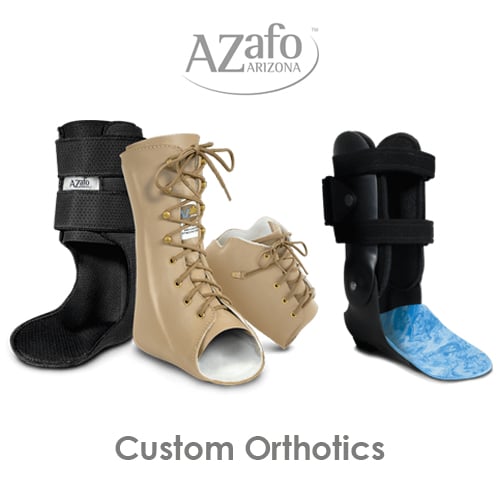
The Arizona AFO (Custom Gauntlet): A Comprehensive Orthopedic Guide
As an expert in orthopedic care and medical SEO, we understand the critical role advanced orthotic devices play in enhancing patient mobility, reducing pain, and improving overall quality of life. Among these, the Arizona AFO (Ankle-Foot Orthosis), often referred to as a "Custom Gauntlet," stands out as a gold standard for its superior support and custom-fit capabilities. This exhaustive guide delves into every facet of the Arizona AFO, providing an authoritative resource for patients, caregivers, and healthcare professionals alike.
Introduction & Overview of the Arizona AFO Custom Gauntlet
The Arizona AFO is a highly specialized, custom-fabricated ankle-foot orthosis designed to provide robust support and stabilization to the foot and ankle complex. Unlike off-the-shelf braces, the Arizona AFO is meticulously molded to the individual contours of a patient's limb, ensuring an unparalleled fit and optimal therapeutic efficacy. It is often referred to as a "gauntlet" due to its comprehensive, boot-like design that encompasses the ankle and extends up the lower leg, offering a level of control and immobilization superior to many other orthotic devices.
Key Purposes of the Arizona AFO:
* Stabilization: Provides exceptional medial, lateral, and rotational stability to the ankle and subtalar joints.
* Pain Reduction: Limits painful motion, reduces stress on compromised structures, and redistributes weight-bearing forces.
* Deformity Management: Corrects or prevents the progression of foot and ankle deformities, such as adult acquired flatfoot.
* Gait Improvement: Enhances walking mechanics, reduces foot drop, and improves overall balance and confidence.
* Surgical Alternative/Support: Often prescribed as a non-surgical alternative for conditions that might otherwise require fusion or complex reconstructive surgery, or as post-operative support.
Its custom nature means that each Arizona AFO is a unique solution, tailored to address the specific biomechanical challenges and pathological conditions of the individual patient, making it an indispensable tool in orthopedic and podiatric medicine.
Deep-dive into Technical Specifications & Biomechanics
The advanced design and material science behind the Arizona AFO are what set it apart. Understanding these technical aspects is crucial for appreciating its therapeutic power.
Design & Materials
The fabrication process begins with a precise impression of the patient's foot and lower leg, typically via a plaster cast or a 3D digital scan. This ensures the orthosis perfectly mirrors the patient's anatomy, providing maximal contact and support.
Core Design Elements:
* Custom Molding: Each gauntlet is custom-molded from the patient's specific anatomy, ensuring intimate contact and precise control.
* Comprehensive Coverage: Extends from the mid-foot up to just below the calf musculature, encompassing the malleoli (ankle bones) to provide multi-planar stability.
* Lacing/Strapping System: Typically features a combination of laces, Velcro straps, or a BOA closure system to allow for adjustable compression and secure donning/doffing. This also accommodates for daily fluctuations in edema.
* Integrated Footplate: A rigid footplate extends under the entire sole of the foot, providing arch support, controlling forefoot abduction/adduction, and distributing plantar pressures evenly.
* Trim Lines: Precisely engineered to control specific joint motions while allowing necessary functional movement. For example, a higher medial trim line might be used to control pronation.
Material Science:
The choice of materials is critical for durability, rigidity, weight, and patient comfort.
* Thermoplastics: The primary structural component is usually a rigid thermoplastic polymer.
* Polypropylene: A common choice, offering good rigidity and durability.
* Co-Poly (Copolymer): A blend of polypropylene and polyethylene, offering increased flexibility and impact resistance compared to pure polypropylene, often used for patients requiring a slightly less rigid brace or with sensitive skin.
* Carbon Fiber Composites: Lighter, thinner, and significantly stronger than conventional thermoplastics, providing superior energy return and reduced bulk, though at a higher cost. Ideal for active patients or those requiring maximum strength-to-weight ratio.
* Soft Interfaces/Liners: To enhance comfort and prevent skin breakdown, the interior of the gauntlet is lined with soft, conforming materials.
* Plastazote®: A closed-cell polyethylene foam, lightweight and heat-moldable, excellent for pressure distribution and shock absorption.
* Pelite®: A soft, open-cell foam, often used as a top layer for cushioning and moisture wicking.
* Leather or Suede: Can be used as a durable and breathable outer or inner lining, particularly for cosmetic appeal and enhanced comfort.
* Reinforcements: Strategic reinforcements with additional layers of thermoplastic or carbon fiber can be added to areas requiring extra rigidity, such as the medial arch or posterior aspect.
Biomechanics of the Arizona AFO
The biomechanical principles underlying the Arizona AFO's function are complex and targeted, aiming to restore optimal foot and ankle mechanics.
Key Biomechanical Actions:
1. Multi-Planar Ankle Control: The gauntlet design effectively limits excessive motion in all three anatomical planes:
* Sagittal Plane: Controls dorsiflexion and plantarflexion, often preventing foot drop or excessive ankle motion during gait.
* Frontal Plane: Restricts inversion and eversion, crucial for managing ankle instability and subtalar joint pathologies.
* Transverse Plane: Limits abduction and adduction of the forefoot relative to the hindfoot, vital for conditions like PTTD.
2. Subtalar Joint Stabilization: By encompassing the calcaneus and malleoli, the AFO provides significant control over the subtalar joint, which is a primary driver of pronation and supination. This is particularly beneficial in conditions like Adult Acquired Flatfoot Deformity (AAFD).
3. Arch Support and Medial Column Control: The custom-contoured footplate provides robust support to the longitudinal arch, preventing collapse and offloading stressed tendons and ligaments. It helps to realign the medial column of the foot.
4. Ground Reaction Force (GRF) Management: The rigid structure helps to redirect and distribute GRFs more effectively during ambulation, reducing peak pressures on painful areas and promoting a more efficient gait.
5. Proprioceptive Input: The intimate fit and constant contact provide enhanced proprioceptive feedback, improving balance and neuromuscular control.
6. Prevention of Deformity Progression: By mechanically limiting unwanted motion and supporting anatomical alignment, the Arizona AFO can halt or slow the progression of degenerative deformities.
Impact on Gait Cycle:
* Heel Strike to Midstance: Controls initial pronation, prevents excessive hindfoot eversion, and stabilizes the ankle, allowing for a smoother transition to midstance.
* Midstance to Toe-Off: Maintains arch integrity, prevents late-stage pronation, and provides a rigid lever arm for more powerful propulsion, reducing the work required by compromised tendons.
* Swing Phase: Can assist in dorsiflexion to clear the foot from the ground, preventing tripping in cases of mild foot drop.
Extensive Clinical Indications & Usage
The Arizona AFO is a versatile orthotic device indicated for a wide array of foot and ankle pathologies where significant support, stability, and control are required.
Detailed Clinical Applications
The Arizona AFO is a cornerstone in the non-operative and post-operative management of numerous conditions:
- Posterior Tibial Tendon Dysfunction (PTTD) / Adult Acquired Flatfoot Deformity (AAFD):
- Stage I & II: Often the primary non-surgical intervention. Provides robust medial arch support, limits hindfoot eversion, and offloads the compromised posterior tibial tendon, preventing progression to more severe stages.
- Stage III: Can provide symptomatic relief and improve function, though surgical correction is often considered.
- Post-operative: Used for immobilization and protection following PTTD reconstruction surgeries.
- Severe Ankle Arthritis (Osteoarthritis, Rheumatoid Arthritis, Post-traumatic Arthritis):
- Limits painful motion in the talocrural and subtalar joints, reducing joint-on-joint grinding and inflammation.
- Can significantly delay or even avoid the need for ankle fusion or replacement surgery.
- Charcot Arthropathy (Neuropathic Arthropathy):
- In the chronic, stable phase, it provides critical protection and immobilization to prevent further joint collapse and ulceration, particularly in diabetic patients.
- Often used in conjunction with specialized footwear.
- Chronic Ankle Instability / Recurrent Ankle Sprains:
- Offers superior medial and lateral stability, significantly reducing the risk of inversion/eversion sprains.
- Can be an alternative to surgical ligament reconstruction for patients who are not candidates or prefer non-invasive management.
- Tibialis Posterior Tendonitis:
- Reduces strain on the inflamed tendon by supporting the arch and limiting pronation.
- Drop Foot (Mild to Moderate):
- While traditional AFOs address drop foot, the Arizona AFO provides added ankle stability and comfort for patients with concomitant instability or painful arthritic conditions.
- Tarsal Tunnel Syndrome:
- By stabilizing the foot and reducing excessive motion, it can alleviate compression on the posterior tibial nerve.
- Non-Union Fractures / Stress Fractures:
- Can provide immobilization similar to a cast boot, but with a custom fit, allowing for better healing and support.
- Post-Operative Stabilization:
- Following ankle fusions, subtalar fusions, tendon transfers, osteotomies, or severe ligament repairs, it offers controlled immobilization and protection during the healing phase.
Fitting & Usage Instructions
Proper fitting and consistent usage are paramount for the Arizona AFO's effectiveness.
1. Initial Fitting Process:
* Assessment & Casting: Performed by a certified orthotist, involving a thorough biomechanical assessment and taking a precise cast or 3D scan of the patient's foot and lower leg.
* Fabrication: The custom orthosis is then fabricated in an orthotic lab based on the cast and the orthotist's prescription.
* Trial Fitting & Adjustments: A crucial appointment where the orthotist ensures proper fit, comfort, and alignment. Pressure points are identified and relieved, and trim lines may be adjusted. This may require multiple visits.
2. Donning and Doffing:
* Sock Selection: Always wear a clean, seamless, moisture-wicking sock underneath the AFO to prevent skin irritation and absorb sweat.
* Placement: Carefully slide the foot into the AFO, ensuring the heel is seated firmly at the back.
* Lacing/Strapping: Securely lace or strap the AFO. Start from the bottom (forefoot) and work upwards, ensuring even tension without being overly tight. The goal is snug support, not constriction.
* Doffing: Loosen straps/laces completely before removing.
3. Footwear Compatibility:
* Specialized Shoes: Due to its bulk, the Arizona AFO often requires deep, wide, and sometimes larger shoes (e.g., athletic shoes, orthopedic shoes, specific hiking boots).
* Trial with Orthotist: Bring your preferred footwear to your fitting appointment to ensure compatibility.
* Avoidance: Avoid narrow, shallow, or high-heeled shoes, as they will not accommodate the AFO.
4. Break-in Period:
* Gradual Increase: Like new shoes, the AFO requires a break-in period. Start by wearing it for 1-2 hours a day, gradually increasing wear time over 1-2 weeks.
* Skin Inspection: Daily, and even hourly during the initial break-in, inspect the skin for redness, irritation, or blistering, especially over bony prominences.
* Adjustments: Any persistent discomfort or skin issues warrant an immediate follow-up with your orthotist for adjustments.
5. Maintenance/Sterilization Protocols:
* Daily Cleaning: Wipe down the interior and exterior of the AFO with a damp cloth and mild soap (e.g., dish soap) daily. Rinse thoroughly and air dry completely before next use.
* Odor Control: For odors, a diluted solution of rubbing alcohol or an antibacterial spray can be used on the liner. Ensure it dries completely.
* Avoid Harsh Chemicals: Do not use harsh detergents, bleach, or abrasive cleaners, as these can damage the materials.
* Drying: Never use direct heat (e.g., hair dryer, radiator) to dry the AFO, as it can deform the thermoplastic. Air dry only.
* Laces/Straps: Replace laces or worn Velcro straps as needed to maintain a secure fit.
* Professional Check-ups: Schedule periodic check-ups with your orthotist (e.g., annually) to assess fit, wear and tear, and make any necessary adjustments or repairs.
Patient Outcome Improvements
The impact of a properly fitted Arizona AFO on patient outcomes is profound and multifaceted:
- Significant Pain Reduction: By stabilizing painful joints and offloading stressed tissues, many patients experience a dramatic decrease in chronic foot and ankle pain.
- Improved Ambulation & Mobility: Enhanced stability leads to a more confident and efficient gait, allowing patients to walk further and participate in daily activities with greater ease.
- Reduced Fall Risk: By providing a stable base of support and improving proprioception, the AFO helps to prevent trips and falls, particularly in elderly patients or those with neurological deficits.
- Prevention of Deformity Progression: For progressive conditions like PTTD, the AFO can halt or slow the advancement of the deformity, preserving foot structure.
- Increased Activity Levels: Patients often report being able to return to hobbies, work, and social activities they had previously abandoned due to pain or instability.
- Delay or Avoidance of Surgery: In many cases, a well-managed orthotic regimen with an Arizona AFO can effectively manage symptoms, allowing patients to avoid or significantly delay complex surgical interventions.
- Enhanced Quality of Life: The cumulative effect of pain reduction, improved mobility, and increased activity leads to a substantial improvement in overall quality of life and independence.
Risks, Side Effects, or Contraindications
While the Arizona AFO is highly beneficial, it's important to be aware of potential risks, side effects, and situations where its use might be contraindicated.
Risks & Side Effects
- Skin Irritation/Breakdown: The most common issue. Improper fit, inadequate break-in, poor hygiene, or not wearing appropriate socks can lead to redness, blisters, chafing, or even pressure sores, especially over bony prominences (malleoli, navicular, cuboid).
- Discomfort/Bulkiness: The rigid nature and comprehensive coverage can feel bulky or uncomfortable initially. Finding appropriate footwear can also be challenging.
- Muscle Atrophy: Prolonged, continuous immobilization can potentially lead to some degree of muscle weakness or atrophy in the ankle and foot musculature if not balanced with appropriate exercise or physical therapy.
- Nerve Impingement: Extremely rare with a custom-fit device, but excessive pressure in specific areas could potentially irritate superficial nerves.
- Dependency: Some patients may become reliant on the brace for support and stability, finding it difficult to walk without it once they are accustomed to its benefits.
- Heat & Perspiration: The enclosed design can lead to increased heat and sweating, which necessitates good hygiene practices.
Contraindications
- Severe, Rapidly Progressing Edema: If swelling fluctuates significantly and rapidly, a custom-molded device may become ill-fitting and cause pressure issues. Acute, uncontrolled edema should be managed before fitting.
- Open Wounds or Active Infections: The presence of open wounds, ulcers, or active skin infections in the area covered by the AFO is an absolute contraindication until these conditions are resolved, due to the risk of exacerbating the infection or preventing healing.
- Severe Spasticity or Rigidity: In some neurological conditions with severe spasticity or fixed deformities, the rigid nature of the Arizona AFO may exacerbate spasticity or be ineffective in achieving the desired correction or support.
- Certain Neurological Conditions with Impaired Sensation: While often used in conditions like Charcot, extreme caution is needed if the patient has profound sensory loss and cannot feel pressure points, increasing the risk of skin breakdown. Frequent skin checks are essential.
- Non-Compliance: Patients unwilling or unable to adhere to wearing instructions, hygiene protocols, or follow-up appointments may not achieve optimal outcomes and are at higher risk for complications.
- Extreme Obesity: While not an absolute contraindication, extreme obesity can pose challenges for fitting, durability, and may require specialized reinforcement or material choices.
Massive FAQ Section
Here are answers to some of the most frequently asked questions about the Arizona AFO (Custom Gauntlet):
1. What exactly is an Arizona AFO?
An Arizona AFO is a custom-molded ankle-foot orthosis (AFO) that provides comprehensive support and stabilization to the foot and ankle. It's often called a "gauntlet" because its boot-like design encases the ankle and extends up the lower leg, offering superior control compared to many other braces.
2. How is an Arizona AFO different from a regular AFO or an off-the-shelf brace?
The primary difference is that the Arizona AFO is custom-fabricated from a precise mold of your foot and leg, ensuring an intimate, exact fit. Regular AFOs can be custom but may not offer the same comprehensive gauntlet design, while off-the-shelf braces are pre-sized and offer generic support, lacking the precision and stability of a custom Arizona AFO.
3. What conditions does the Arizona AFO treat?
It's highly effective for conditions requiring significant foot and ankle stabilization, such as Posterior Tibial Tendon Dysfunction (PTTD)/Adult Acquired Flatfoot Deformity, severe ankle arthritis, Charcot arthropathy, chronic ankle instability, tibialis posterior tendonitis, and as post-operative support after foot and ankle surgeries.
4. Is the Arizona AFO custom-made for each patient?
Yes, absolutely. The process involves taking a precise cast or 3D scan of your foot and lower leg, from which your unique orthosis is then fabricated. This custom approach ensures optimal fit, comfort, and therapeutic effectiveness.
5. How long does it take to get an Arizona AFO?
After your initial assessment and casting, it typically takes 1-3 weeks for the orthosis to be fabricated. This is followed by a fitting appointment, and sometimes minor adjustments may require additional time.
6. Will I need special shoes to wear with my Arizona AFO?
Most likely, yes. Due to its custom and comprehensive design, the Arizona AFO is bulkier than regular footwear. You'll generally need deep, wide, and sometimes a larger size shoe to accommodate the brace comfortably. Athletic shoes, orthopedic shoes, or specific hiking boots are often good options.
7. How do I clean and maintain my Arizona AFO?
Wipe the interior and exterior daily with a damp cloth and mild soap, then air dry completely. Avoid harsh chemicals or direct heat. Always wear a clean, seamless sock underneath. Regularly check for wear and tear, and schedule periodic check-ups with your orthotist.
8. How long will my Arizona AFO last?
With proper care and maintenance, an Arizona AFO typically lasts between 2 to 5 years, depending on your activity level, the materials used, and the progression of your condition. Children or patients with progressive conditions may require replacement sooner.
9. Is the Arizona AFO covered by insurance?
In many cases, yes. Most insurance plans, including Medicare and Medicaid, cover custom orthoses like the Arizona AFO when deemed medically necessary. However, coverage varies widely, so it's essential to check with your specific insurance provider and your orthotist's office for details on benefits, deductibles, and co-pays.
10. Can I wear my Arizona AFO while exercising or playing sports?
For many low-impact activities like walking, hiking, or cycling, the Arizona AFO can be worn to provide stability and support. However, its rigidity might limit participation in high-impact or agility-focused sports. Always consult with your doctor and orthotist regarding appropriate activities while wearing your brace.
11. What if my Arizona AFO causes pain or discomfort?
It's crucial to report any pain, persistent redness, blistering, or discomfort to your orthotist immediately. The device may require adjustments to relieve pressure points or improve fit. Do not try to modify the orthosis yourself.
12. Can wearing an Arizona AFO prevent me from needing surgery?
For many conditions, particularly early to moderate stages of Posterior Tibial Tendon Dysfunction or ankle arthritis, the Arizona AFO can effectively manage symptoms, improve function, and significantly delay or even eliminate the need for surgical intervention. It is often considered a first-line treatment before surgery.
13. How often should I wear my Arizona AFO?
Your doctor and orthotist will provide specific instructions based on your condition. Many patients wear it daily for most waking hours, especially during weight-bearing activities. During the initial break-in period, wear time is gradually increased.
14. Will the Arizona AFO fix my foot deformity completely?
While the Arizona AFO provides excellent support and can significantly improve alignment, it typically manages and prevents the progression of deformities rather than fully "fixing" them, especially in advanced cases. Its goal is to optimize function, reduce pain, and improve your quality of life.
This comprehensive guide underscores the Arizona AFO's role as a vital tool in orthopedic care, offering tailored solutions for complex foot and ankle conditions.