Comprehensive Introduction & Overview
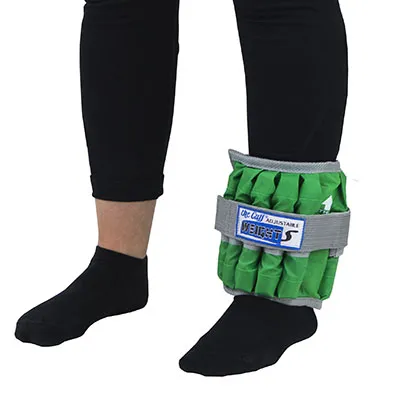
Ankle weight cuffs, often perceived as simple fitness accessories, hold a profound and pivotal role within the realm of orthopedic rehabilitation, physical therapy, and sports medicine. These versatile devices are meticulously designed to provide adjustable resistance, strategically enhancing the efficacy of a wide array of therapeutic exercises and strength training protocols. Far beyond merely adding resistance, ankle weights are instrumental in facilitating muscle strengthening, improving muscular endurance, refining balance, and augmenting proprioceptive feedback, all critical components for restoring function and preventing future injury.
From a clinical perspective, ankle weight cuffs serve as a cornerstone in progressive resistance training, allowing clinicians to tailor rehabilitation programs precisely to a patient's evolving strength and functional capacity. Their application spans post-surgical recovery, addressing muscle atrophy, correcting biomechanical imbalances, and enhancing athletic performance. The controlled and localized resistance they provide makes them an indispensable tool for targeted muscle engagement without placing undue stress on compromised joints when used appropriately.
The evolution of ankle weight cuffs has seen a transition from rudimentary sand-filled bags to sophisticated, ergonomically designed devices featuring advanced materials and secure fastening systems. This progression underscores the growing understanding of biomechanics and patient comfort in therapeutic interventions. This comprehensive guide will delve into the intricate details of ankle weight cuffs, exploring their design, clinical applications, biomechanical implications, and best practices for their use and maintenance, establishing their authoritative standing as an essential orthopedic assisted device.
Deep-dive into Technical Specifications & Mechanisms
The effectiveness and safety of ankle weight cuffs are largely dictated by their technical specifications and the biomechanical principles governing their application. Understanding these elements is crucial for both clinicians and patients to optimize therapeutic outcomes.
Design and Materials
The construction of modern ankle weight cuffs prioritizes durability, comfort, and hygienic use. Key material choices and design features include:
- Outer Shell Materials:
- Neoprene: Highly favored for its softness, flexibility, and moisture-wicking properties. It's gentle on the skin, reduces chafing, and is often hypoallergenic.
- Nylon/Cordura: Offers superior durability and resistance to abrasion, making it suitable for high-intensity or long-term use. Easy to clean.
- Canvas: A traditional choice, known for its robustness and breathable qualities, though it may be less comfortable than neoprene.
- Synthetic Leather: Provides a smooth, premium feel and is resistant to wear and tear, often used in higher-end models.
- Weighting Material: The internal filling dictates the feel, density, and safety profile.
- Sand: Common in lighter, more flexible cuffs. It conforms well to the ankle but can shift, potentially altering weight distribution slightly.
- Iron Pellets/Shot: Offers higher density, allowing for more weight in a smaller profile. Provides a more uniform and stable weight distribution.
- Lead Shot: Less common now due to environmental and health concerns, but historically used for maximum density. Modern alternatives are preferred.
- Closure Mechanisms: Secure and adjustable fastening is paramount for safety and efficacy.
- Velcro Straps: Most common due to ease of use, strong adhesion, and wide adjustability. High-quality Velcro is essential to prevent slippage.
- D-rings with Straps: Offers a very secure, cinching mechanism, often combined with Velcro for ultimate stability.
- Buckles: Less common but provide a robust, fixed closure, often seen in heavier-duty designs.
- Adjustability Features:
- Fixed Weights: Cuffs with a predetermined, non-removable weight. Simpler design, but requires purchasing multiple cuffs for progressive loading.
- Adjustable Pockets: Cuffs with small pockets allowing for the insertion or removal of individual weight bars or pouches. Offers excellent versatility for incremental progression within a single cuff.
- Ergonomics and Comfort:
- Contoured Design: Shaped to fit the natural curvature of the ankle, minimizing pressure points.
- Non-slip Interior: Materials or textures that prevent the cuff from sliding during dynamic movements.
- Reinforced Stitching: Ensures the integrity of the cuff, especially at stress points.
Biomechanics of Ankle Weight Application
The application of external resistance at the ankle profoundly influences musculoskeletal biomechanics:
- Joint Loading: Ankle weights increase the external load on the ankle, knee, and hip joints. This increased load can be beneficial for bone density and cartilage health when applied progressively and within safe limits. However, excessive weight or improper technique can lead to injurious shear or compressive forces.
- Muscle Activation Patterns:
- Increased Recruitment: The added resistance necessitates greater activation of target muscles (agonists) to overcome the load.
- Synergist Involvement: Other muscles (synergists) may be recruited to assist the primary movers or stabilize adjacent joints.
- Antagonist Control: Eccentric phases of movement are enhanced, requiring greater control from antagonist muscles.
- Leverage and Torque Principles:
- Ankle weights create a longer lever arm relative to the knee and hip joints. This significantly increases the torque demands on the muscles crossing these joints. For example, a 5lb ankle weight during a knee extension exercise generates considerably more torque at the knee than a 5lb dumbbell held in the hand during a bicep curl.
- Understanding the moment arm is crucial for prescribing appropriate weights and exercises, as even small weights can create substantial forces.
- Proprioceptive Feedback Enhancement: The added weight provides increased sensory input to the mechanoreceptors in the joints and muscles. This enhanced proprioception can improve body awareness, joint position sense, and neuromuscular control, which is vital for balance and coordination training.
- Influence on Gait Cycle and Balance:
- Gait Perturbation: Ankle weights alter the inertia of the lower limb, requiring greater muscle effort during swing phase and potentially influencing foot clearance.
- Balance Training: The increased challenge to the center of gravity and the need for greater muscle stabilization make ankle weights excellent tools for improving static and dynamic balance.
| Feature | Description | Clinical Benefit |
|---|---|---|
| Neoprene Shell | Soft, flexible, moisture-wicking material. | Enhances patient comfort, reduces skin irritation during extended use. |
| Iron Pellets | Dense, stable weighting material. | Consistent weight distribution, allows for compact design, precise loading. |
| Velcro Closure | Adjustable hook-and-loop strap system. | Easy application/removal, secure fit for various ankle sizes, quick adjustments. |
| Adjustable Pockets | Compartments for adding/removing weight inserts. | Versatile for progressive overload, eliminates need for multiple fixed-weight sets. |
| Contoured Design | Shaped to fit ankle anatomy. | Minimizes pressure points, ensures stability, prevents slippage. |
Extensive Clinical Indications & Usage
Ankle weight cuffs are integral to diverse therapeutic and performance-enhancement strategies across multiple medical specialties.
Orthopedic Rehabilitation
Ankle weights are indispensable for patients recovering from musculoskeletal injuries or surgeries, focusing on restoring strength, function, and mobility.
- Post-Surgical Recovery:
- ACL Reconstruction: Strengthening quadriceps (knee extensions) and hamstrings (knee curls) in controlled, open-chain exercises, often with lighter weights initially.
- Meniscectomy/Chondroplasty: Progressive strengthening of surrounding musculature to support the knee joint and reduce stress.
- Ankle Sprains/Fractures: Rebuilding strength in dorsiflexors (tibialis anterior), plantarflexors (calf muscles), invertors, and evertors to stabilize the ankle joint and prevent recurrence. Exercises like ankle circles, alphabet writing, and specific resisted movements.
- Hip Arthroplasty: Strengthening hip abductors (side-lying leg lifts) and extensors (prone hip extensions) to improve gait stability and reduce Trendelenburg sign.
- Addressing Muscle Atrophy and Weakness: Critical for patients who have experienced prolonged immobilization (e.g., casting) or disuse. Ankle weights provide a quantifiable, progressive resistance to rebuild muscle mass and strength.
- Improving Range of Motion (ROM): In specific exercises, controlled use of ankle weights can assist in gently increasing active ROM, particularly in knee flexion/extension or hip abduction/adduction, under therapist guidance.
- Progressive Resistance Training Protocols: Ankle weights are fundamental for applying the principle of progressive overload, gradually increasing the resistance as a patient's strength improves. This systematic approach ensures continuous adaptation and optimal recovery.
Neurological Rehabilitation
Ankle weights can be cautiously applied in neurological contexts to address specific motor deficits.
- Gait Training: For patients with neurological conditions like stroke, Parkinson's disease, or multiple sclerosis, ankle weights can alter gait patterns.
- Increased Proprioception: The added weight can enhance sensory feedback, improving awareness of limb position for individuals with proprioceptive deficits.
- Compensatory Strategies: In some cases, light weights can be used to dampen hyperkinetic movements or assist in initiating movement by providing a 'load' to push against, though this requires expert clinical judgment.
- Spasticity Management: While controversial and highly individualized, very light weights might be used in specific cases to provide sustained stretch or alter muscle spindle activity, but this must be carefully monitored to avoid exacerbating spasticity.
Sports Medicine & Performance Enhancement
Athletes utilize ankle weights to target specific muscle groups and enhance performance attributes.
- Strength and Endurance: Incorporating ankle weights into sport-specific drills (e.g., leg swings for martial arts, resisted high-knees for runners) can build muscular endurance and power.
- Plyometric Training (with caution): Light ankle weights can be used in controlled plyometric exercises (e.g., box jumps, broad jumps) to increase explosive power, but this carries a higher risk of injury and should only be performed by experienced individuals under expert supervision.
- Agility and Speed: Resisted movements can improve the power output of leg muscles, contributing to improved acceleration and agility.
Geriatric Care
Ankle weights are valuable tools in promoting functional independence and preventing falls in older adults.
- Fall Prevention Programs: Strengthening lower extremity muscles (quadriceps, hamstrings, glutes, calf muscles) directly improves balance and gait stability, reducing the risk of falls.
- Maintaining Functional Independence: Exercises with ankle weights can improve the strength required for daily activities such as rising from a chair, climbing stairs, and walking.
- Low-Impact Strengthening: Allows for effective strengthening without high-impact forces that may be detrimental to osteoporotic bones or arthritic joints.
Fitting and Usage Instructions
Correct application is paramount for safety and efficacy.
- Placement: Position the cuff just above the ankle bone (malleoli). It should sit comfortably on the distal tibia/fibula, not directly on the foot or too high on the calf.
- Secure Fastening: Ensure the strap is snug but not constrictive. It should not impede circulation or cause discomfort. A good fit prevents the weight from shifting excessively during movement.
- Starting Weights: Always begin with a very light weight (e.g., 0.5 lbs to 2 lbs). The goal is to provide resistance, not to strain.
- Professional Guidance: Always consult a physical therapist, orthopedic specialist, or certified trainer to determine appropriate exercises, weights, sets, and repetitions based on individual condition and goals.
- Exercise Examples:
- Knee Extensions (Seated): Targets quadriceps.
- Knee Curls (Prone): Targets hamstrings.
- Hip Abduction/Adduction (Side-lying or Standing): Targets glutes and inner thigh muscles.
- Leg Lifts (Supine): Targets hip flexors and abdominals.
- Ankle Dorsiflexion/Plantarflexion/Inversion/Eversion: Targets ankle stabilizing muscles.
- Duration and Frequency: Typically, exercises are performed for 2-3 sets of 10-15 repetitions, 2-4 times per week, allowing for muscle recovery. This is highly variable based on the individual's rehabilitation phase and fitness level.
- Listen to Your Body: Discontinue use if pain, numbness, tingling, or excessive discomfort occurs.
Maintenance & Sterilization Protocols
Proper maintenance ensures longevity, hygiene, and safe use of ankle weight cuffs, especially in clinical settings where cross-contamination is a concern.
- Cleaning:
- Routine Cleaning: For personal use, wipe down cuffs with a damp cloth and mild soap after each use.
- Deep Cleaning: Hand wash with mild detergent and warm water. Avoid harsh chemicals or bleach, which can degrade materials.
- Rinsing: Rinse thoroughly to remove all soap residue.
- Drying: Air dry completely in a well-ventilated area, away from direct sunlight or heat sources, which can damage the fabric or internal weights. Ensure they are fully dry before storage to prevent mold or mildew.
- Inspection:
- Regular Checks: Before and after each use, inspect the cuffs for any signs of wear and tear: tears in the fabric, leaks of weighting material, fraying straps, or compromised Velcro.
- Structural Integrity: Ensure all stitching is intact and that the weight distribution remains even.
- Damaged Cuffs: Discard any cuffs that show significant damage, as compromised integrity can lead to injury or malfunction.
- Storage:
- Cool, Dry Place: Store ankle weights in a cool, dry environment, away from extreme temperatures and humidity.
- Avoid Direct Sunlight: Prolonged exposure to UV light can degrade materials like neoprene and nylon.
- Organized Storage: In clinical settings, store cuffs in an organized manner (e.g., on a rack or in bins by weight) to prevent damage and facilitate easy access.
- Cross-Contamination Prevention (Clinical Settings):
- Individual Use: Ideally, provide individual cuffs for each patient, especially for long-term rehabilitation.
- Disinfection: If cuffs must be shared, they should be thoroughly cleaned and disinfected between patients using hospital-grade, surface-compatible disinfectants. Test a small, inconspicuous area first to ensure material compatibility.
- Barrier Protection: Consider using disposable barriers (e.g., thin fabric covers) over the cuffs for multi-patient use, if practical.
- Training: Staff must be adequately trained in proper cleaning and disinfection protocols.
Risks, Side Effects, or Contraindications
While highly beneficial, the use of ankle weight cuffs is not without potential risks if misused, and certain conditions may contraindicate their application.
Risks & Side Effects
- Joint Strain/Injury: The most significant risk. Excessive weight, improper form, or rapid, uncontrolled movements can place undue stress on the ankle, knee, hip, or even lumbar spine, leading to sprains, strains, or exacerbation of existing conditions.
- Altered Gait Patterns: Wearing ankle weights during ambulation can unnaturally alter the gait cycle, potentially leading to compensatory movements, increased energy expenditure, and inefficient movement patterns that could predispose to injury or reinforce poor mechanics. This is why gait training with ankle weights must be carefully supervised.
- Skin Irritation or Pressure Sores: Ill-fitting cuffs, rough materials, or prolonged use without proper hygiene can cause chafing, skin irritation, or, in severe cases, pressure sores, particularly in individuals with compromised skin integrity or sensation.
- Exacerbation of Acute Inflammation: Using ankle weights on an acutely inflamed or injured joint can worsen the condition, increase pain, and delay healing.
- Muscle Imbalance: Focusing solely on certain muscle groups with ankle weights without balancing exercises can lead to muscle imbalances, potentially causing new orthopedic issues.
Contraindications
The following conditions generally contraindicate or require extreme caution and strict professional oversight for the use of ankle weight cuffs:
- Acute Injuries or Inflammation:
- Acute Sprains/Strains: Particularly in the ankle or knee, as the added weight can increase stress on healing ligaments or muscles.
- Fresh Fractures: Any recent fracture in the lower extremity is a contraindication until cleared by an orthopedic surgeon.
- Acute Tendinitis/Bursitis: May worsen inflammation.
- Unstable Joints: Patients with significant joint instability (e.g., severe ligamentous laxity in the knee or ankle) should avoid ankle weights, as they can further destabilize the joint and increase the risk of subluxation or dislocation.
- Certain Neurological Conditions:
- Severe Spasticity: Ankle weights can sometimes exacerbate spasticity in certain individuals.
- Significant Ataxia or Balance Impairments: While light weights can aid proprioception, heavy weights or unsupervised use can increase fall risk.
- Peripheral Vascular Disease (PVD) or Compromised Circulation: The straps of ankle weights, even if not overly tight, could potentially impede blood flow in individuals with pre-existing circulatory issues.
- Uncontrolled Hypertension: Strenuous exercises with resistance can temporarily elevate blood pressure, which could be risky for individuals with uncontrolled hypertension.
- Open Wounds or Skin Lesions: Any open wound, rash, or skin infection in the area where the cuff would be placed is a contraindication to prevent infection and irritation.
- Absence of Professional Medical Guidance: Self-prescription of ankle weights, especially for rehabilitation or complex conditions, is highly discouraged. A medical professional's assessment is crucial to ensure safe and effective application.
Individualized assessment by a qualified healthcare professional (e.g., physical therapist, orthopedic physician) is paramount to determine the appropriateness, type, weight, and exercise protocol for ankle weight cuff use.
Massive FAQ Section
1. What are ankle weight cuffs primarily used for in orthopedics?
In orthopedics, ankle weight cuffs are primarily used for progressive resistance training during rehabilitation. They help strengthen specific muscle groups (e.g., quadriceps, hamstrings, glutes, calf muscles) after injuries or surgeries (like ACL reconstruction, ankle sprains, or hip replacement), combat muscle atrophy, improve muscular endurance, enhance balance, and refine proprioception.
2. How do ankle weights improve balance?
Ankle weights improve balance by increasing the challenge to the body's center of gravity and enhancing proprioceptive feedback. The added weight demands greater activation from stabilizing muscles around the ankle, knee, and hip joints. This increased sensory input helps the brain better perceive limb position and movement, leading to improved neuromuscular control and better static and dynamic balance.
3. Can ankle weights help with weight loss?
Ankle weights can contribute to weight loss indirectly by increasing the energy expenditure during exercises. By adding resistance, muscles work harder, burning more calories. However, they are not a primary weight loss tool. Sustainable weight loss is best achieved through a combination of a balanced diet, regular cardiovascular exercise, and comprehensive strength training, where ankle weights can play a supportive role.
4. What's the difference between fixed and adjustable ankle weights?
Fixed ankle weights have a predetermined, non-removable weight (e.g., a 2lb cuff). They are simpler but require purchasing multiple cuffs for different resistance levels. Adjustable ankle weights feature small pockets that allow users to insert or remove individual weight bars or pouches, offering versatility to change resistance incrementally within a single cuff, making them ideal for progressive training.
5. How do I choose the right weight for my exercise?
Choosing the right weight is crucial for safety and effectiveness. Always start with a very light weight, typically 0.5 to 2 pounds, especially if you're new to ankle weights or recovering from an injury. The weight should provide resistance without causing pain, discomfort, or compromising proper form. You should be able to complete the prescribed repetitions with good control. Consult a physical therapist or certified trainer for personalized guidance.
6. Are ankle weights safe for seniors?
Yes, ankle weights can be very beneficial and safe for seniors when used appropriately and under professional guidance. They are excellent for low-impact strengthening, improving balance, and preventing falls, which are critical for maintaining functional independence. However, seniors should start with very light weights, ensure proper form, and be monitored for any joint pain or discomfort.
7. Can I wear ankle weights all day?
No, it is generally not recommended to wear ankle weights all day. Prolonged use can alter natural gait patterns, potentially leading to compensatory movements, joint strain, muscle imbalances, and increased risk of injury. Ankle weights are designed for specific exercise durations and should be removed afterward.
8. How do I clean and maintain my ankle weight cuffs?
For personal use, wipe down cuffs with a damp cloth and mild soap after each use. For a deeper clean, hand wash with mild detergent and warm water, rinse thoroughly, and air dry completely away from direct sunlight or heat. Regularly inspect for tears, leaks, or worn straps, and discard damaged cuffs to ensure safety and hygiene.
9. What are the signs I might be using too much weight?
Signs you might be using too much weight include:
* Inability to complete the exercise with proper form.
* Compensatory movements (e.g., arching your back during leg lifts).
* Sharp or increasing pain in your joints or muscles.
* Excessive muscle strain or tremor.
* Significant difficulty controlling the movement, especially during the eccentric phase.
If you experience any of these, reduce the weight or consult a professional.
10. Can ankle weights be used for upper body exercises?
Yes, ankle weights can often be repurposed for certain upper body exercises, particularly for strengthening the arms, shoulders, or core. They can be strapped around wrists to add resistance to exercises like bicep curls, tricep extensions, or shoulder raises. However, specialized wrist weights or dumbbells might be more ergonomically designed for upper body movements.
11. Are there any conditions where I should NOT use ankle weights?
Yes, several conditions contraindicate or require extreme caution for ankle weight use. These include acute injuries or inflammation (e.g., fresh sprains, fractures), unstable joints, severe spasticity, peripheral vascular disease, uncontrolled hypertension, and open wounds or skin lesions in the area. Always consult a healthcare professional before using ankle weights, especially if you have an underlying medical condition.
12. How do ankle weights impact gait?
Ankle weights can impact gait by increasing the inertia of the lower limb, requiring greater muscle effort during the swing phase to lift the foot and clear the ground. This can alter foot strike patterns and overall gait mechanics. While this can be beneficial for specific gait training goals under supervision (e.g., enhancing proprioception), unsupervised or prolonged use during ambulation can lead to unnatural gait patterns, increased energy expenditure, and potential injury.