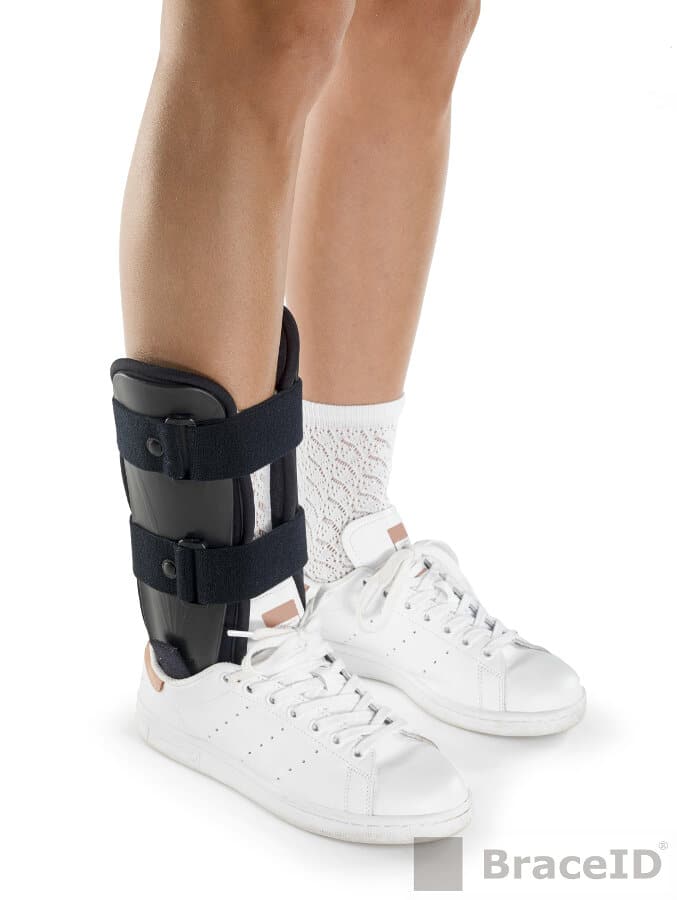
The Ankle Stirrup Brace: A Comprehensive Orthopedic Guide
Introduction & Overview
The ankle stirrup brace stands as a cornerstone in orthopedic care, offering crucial support, stabilization, and protection for a wide array of ankle injuries and conditions. Designed to mimic the supportive function of an equestrian stirrup, this medical device cradles the ankle joint, providing rigid or semi-rigid support to prevent excessive inversion and eversion movements while allowing for essential dorsiflexion and plantarflexion.
From acute sprains to chronic instability and post-surgical recovery, the ankle stirrup brace plays a pivotal role in facilitating healing, reducing pain, and enabling a safer return to daily activities and athletic pursuits. This comprehensive guide, crafted by orthopedic specialists, delves into the intricate details of ankle stirrup braces, from their biomechanical principles and design innovations to their clinical applications, fitting protocols, and maintenance requirements, ensuring patients and healthcare providers alike are equipped with authoritative knowledge.
Deep-dive into Technical Specifications & Mechanisms
Design and Materials
Ankle stirrup braces are engineered with a meticulous focus on anatomical fit, comfort, and efficacy. Their design typically features two rigid or semi-rigid upright shells connected by a footplate or heel strap, which are then secured around the ankle with adjustable straps.
Shell Design and Materials:
- Rigid Shells: Often made from high-grade plastics like polypropylene or fiberglass, these shells offer maximum immobilization and support. They are ideal for severe sprains, stable fractures, and initial post-operative phases where strict control over ankle movement is paramount.
- Semi-Rigid Shells: Constructed from slightly more flexible plastics or composite materials, these provide a balance between support and flexibility, allowing for some controlled motion. They are frequently used during later stages of rehabilitation or for chronic instability where dynamic support is beneficial.
- Contoured Fit: Modern braces feature anatomical contours designed to conform closely to the malleoli (ankle bones) and the lower leg, minimizing pressure points and enhancing comfort.
Lining and Cushioning:
- Air Bladders (Pneumatic): Many stirrup braces incorporate air bladders that can be inflated to provide custom compression and a snug fit. This not only enhances stability but also helps reduce swelling through pneumatic compression.
- Gel Pads: Gel-filled pads offer a conforming, cushioning effect, distributing pressure evenly and providing a soothing, often cool, sensation. They are particularly comfortable for prolonged wear.
- Foam Padding: High-density foam liners provide soft cushioning and absorb impact, ensuring comfort against the rigid shells. Some foams are breathable and moisture-wicking.
- Moisture-Wicking Fabrics: Inner linings are often made from advanced textiles that draw moisture away from the skin, preventing irritation and maintaining hygiene, especially during extended wear or physical activity.
Strapping Systems:
- Velcro/Hook-and-Loop Straps: These are the most common fastening mechanisms, allowing for easy application, removal, and precise adjustment of compression. Typically, two or three straps secure the shells around the lower leg and foot.
- Non-Elastic Straps: These ensure consistent, firm compression and prevent slippage, maintaining the brace's position during movement.
Articulation:
- Hinged Designs: Some advanced stirrup braces feature hinges at the ankle joint, allowing for controlled dorsiflexion and plantarflexion while still restricting inversion and eversion. This design is beneficial for rehabilitation, enabling early range of motion exercises within a protective range.
- Non-Hinged Designs: The more traditional stirrup braces are non-hinged, providing more complete immobilization of the ankle joint in all planes.
Biomechanics of Ankle Stabilization
The effectiveness of an ankle stirrup brace lies in its intricate biomechanical interaction with the ankle joint.
- Medial and Lateral Stability: The rigid upright shells directly restrict excessive inversion (rolling the ankle inward) and eversion (rolling the ankle outward), which are the most common mechanisms of ankle sprains. By doing so, they protect the collateral ligaments (anterior talofibular, calcaneofibular, posterior talofibular on the lateral side; deltoid ligament on the medial side) from overstretching or tearing.
- Talar Tilt and Anterior Drawer Reduction: The brace helps to minimize talar tilt (tilting of the talus bone within the ankle mortise) and anterior drawer (forward displacement of the talus relative to the tibia), both indicative of ligamentous laxity or injury, particularly to the ATFL.
- Proprioceptive Feedback: Even without complete immobilization, the presence of the brace provides enhanced proprioceptive input to the central nervous system. This increased awareness of joint position helps improve balance and coordination, reducing the risk of re-injury.
- Load Distribution: The brace can help distribute forces across the ankle joint more evenly, reducing peak stresses on injured ligaments or compromised bone structures.
- Swelling Management: The compressive nature of the brace, especially those with inflatable air bladders, aids in reducing edema and hematoma formation, which are common after acute injuries.
Extensive Clinical Indications & Usage
Ankle stirrup braces are versatile tools in orthopedic practice, indicated for a wide range of conditions.
Primary Indications:
- Acute Ankle Sprains:
- Grade I (Mild): Ligamentous stretching with minimal tearing. Brace provides support and pain relief.
- Grade II (Moderate): Partial ligament tearing. Brace offers stabilization to facilitate healing and prevent further injury.
- Grade III (Severe): Complete ligament rupture. Brace provides significant immobilization, often as an alternative or adjunct to casting, crucial for initial healing.
- Chronic Ankle Instability: For individuals experiencing recurrent ankle sprains due to ligamentous laxity, the brace provides external support to prevent episodes of instability.
- Post-Fracture Immobilization: Used after stable malleolar fractures or distal fibula fractures, often as a transition from a cast or as primary immobilization for less severe fractures.
- Post-Surgical Recovery: Essential after surgical procedures such as ligament repairs (e.g., Brostrom procedure for ATFL reconstruction), ankle arthroscopy, or tendon repairs, to protect the surgical site and control motion during the healing phase.
- Preventive Use: Athletes participating in high-risk sports (basketball, volleyball, soccer, trail running) or those with a history of ankle injuries often use stirrup braces to prevent future sprains.
- Tendonitis: While less common, in cases of peroneal tendonitis or Achilles tendonitis where lateral support can indirectly reduce strain on these structures, a stirrup brace may be considered.
Detailed Surgical or Clinical Applications:
| Application | Description | Benefits of Stirrup Brace |
|---|---|---|
| Pre-operative Stabilization | For patients awaiting surgery for severe ankle instability or complex fractures, a stirrup brace can provide temporary stabilization and pain relief, minimizing further damage. | Reduces pain, prevents further joint displacement, and protects compromised structures. |
| Post-operative Protection | Following procedures like Brostrom repair, lateral ankle reconstruction, or syndesmotic repair, the brace protects the newly repaired structures from excessive stress during the initial healing phase. | Ensures proper ligament healing, prevents excessive range of motion that could disrupt repairs, and allows for controlled rehabilitation progression. |
| Transition from Cast | After a period of rigid casting for fractures or severe injuries, a stirrup brace often serves as the next step, providing semi-rigid support while allowing for gradual weight-bearing and early mobilization. | Facilitates a smooth transition to functional activity, maintains support during a vulnerable period, and allows for hygiene and inspection of the skin. |
| Rehabilitation Phase Support | Throughout the rehabilitation process, the brace provides dynamic support during exercises, balance training, and gait re-education, building confidence and protecting the ankle as strength and stability return. | Allows for controlled movement, improves proprioception, reduces fear of re-injury, and supports the ankle during progressive loading and activity. |
Fitting and Usage Instructions:
Proper fitting is paramount for the effectiveness and comfort of an ankle stirrup brace.
-
Sizing:
- Most braces are sized based on shoe size or ankle circumference. Refer to the manufacturer's sizing chart.
- Ensure the brace's shells extend adequately up the leg to provide leverage without impeding calf muscle movement.
- The footplate or heel strap should fit comfortably under the heel without excessive pressure.
-
Application Steps:
- Position the Foot: Sit comfortably with your foot flat on the floor or slightly elevated, ensuring your ankle is at a 90-degree angle (neutral dorsiflexion).
- Place the Brace: Position the brace so that the medial (inner) and lateral (outer) shells are centered around your ankle bones (malleoli). The heel strap should be snugly under your heel.
- Secure Straps:
- Start with the lower strap (proximal to the foot), securing it firmly but not uncomfortably tight.
- Then secure the upper strap (around the lower calf).
- If there's a middle strap, secure it last.
- Adjust for Comfort: The brace should feel snug and supportive, not painfully tight. You should be able to wiggle your toes. Check for any pressure points or chafing.
- Wearing with Shoes: Most stirrup braces are designed to be worn inside a lace-up shoe or athletic shoe. Ensure the shoe has enough room to accommodate the brace without causing excessive pressure. Loosen shoe laces or opt for a slightly wider shoe if needed.
-
Duration of Wear: Follow your physician's specific instructions. This can range from constant wear for several weeks post-injury/surgery to intermittent wear during activities for chronic instability.
Maintenance & Sterilization Protocols:
Maintaining hygiene and inspecting the brace regularly will prolong its life and ensure skin health.
- Cleaning:
- Liners/Pads: Removable foam or gel pads can often be hand-washed with mild soap and cool water. Air dry completely before reattaching.
- Shells: Wipe the rigid plastic shells with a damp cloth and mild soap. Avoid harsh chemicals or abrasive cleaners.
- Air Bladders: If present, ensure they are not punctured or leaking. Wipe clean externally.
- Drying: Always air dry the brace completely. Do not machine wash, tumble dry, or expose to direct heat, as this can damage materials.
- Inspection: Regularly inspect the brace for:
- Wear and tear on straps (fraying, loss of Velcro grip).
- Cracks or damage to the rigid shells.
- Deflation or leakage in air bladders.
- Compression or breakdown of foam/gel pads.
- Replacement: Replace the brace if it shows significant signs of wear, damage, or no longer provides adequate support. Straps and liners are often replaceable components.
- Sterilization: Ankle stirrup braces are personal medical devices and are not typically sterilized in the clinical sense (like surgical instruments). The focus is on regular cleaning and disinfection for personal hygiene. Do not share braces.
Patient Outcome Improvements:
The use of ankle stirrup braces significantly contributes to positive patient outcomes:
- Reduced Pain and Swelling: By immobilizing and compressing the injured joint, the brace minimizes movement that causes pain and aids in reducing edema.
- Faster Return to Activity/Sport: Effective support during healing allows for earlier, controlled mobilization and rehabilitation, accelerating the return to functional activities and sports.
- Prevention of Re-injury: For acute injuries, it protects against further damage. For chronic instability, it significantly reduces the likelihood of recurrent sprains.
- Improved Proprioception and Balance: The constant feedback from the brace enhances the body's awareness of joint position, leading to better balance and coordination over time.
- Enhanced Patient Compliance: Compared to bulky casts, stirrup braces are generally more comfortable, easier to manage, and allow for better hygiene, leading to higher patient adherence to treatment protocols.
- Cost-Effectiveness: Preventing re-injuries and facilitating faster recovery can reduce the overall healthcare costs associated with chronic ankle problems and repeated treatments.
Risks, Side Effects, or Contraindications
While highly beneficial, it's important to be aware of potential drawbacks.
Risks & Side Effects:
- Skin Irritation/Chafing: Improper fit, prolonged wear in hot conditions, or lack of hygiene can lead to skin redness, blisters, or chafing, especially around the edges of the shells or under straps.
- Pressure Sores: If the brace is too tight or incorrectly positioned, sustained pressure on bony prominences can cause pressure sores.
- Reduced Range of Motion: While intended, excessive or prolonged restriction of motion without rehabilitation can lead to joint stiffness or muscle atrophy.
- Nerve Compression: Rarely, if excessively tight, the brace could compress superficial nerves, leading to numbness or tingling.
- Increased Swelling: Paradoxically, a brace that is too tight can impede venous return, potentially exacerbating swelling.
Contraindications:
- Severe Open Wounds or Infections: The brace should not be applied directly over open wounds, cuts, or active infections as it can hinder healing and spread infection.
- Unstable Fractures Requiring Surgical Fixation or Casting: Certain fractures, particularly those that are highly unstable or involve significant displacement, require more rigid immobilization (e.g., surgical plates/screws, full plaster casts) than a stirrup brace can provide.
- Peripheral Vascular Disease (PVD): Patients with severe PVD may have compromised circulation, and the compression from a brace could further impair blood flow. Use with extreme caution and under medical supervision.
- Severe Edema: In cases of rapidly increasing or uncontrollable edema, the brace may not fit properly or could exacerbate the swelling.
- Allergies to Brace Materials: Rare, but patients with known allergies to plastics, foams, or fabrics used in the brace should seek alternative solutions.
Massive FAQ Section
Here are answers to frequently asked questions about ankle stirrup braces:
Q1: What is an ankle stirrup brace primarily used for?
A1: An ankle stirrup brace is primarily used to provide external support and stabilization to the ankle joint. It's most commonly prescribed for acute ankle sprains (mild to severe), chronic ankle instability, post-fracture immobilization, and protection during post-surgical recovery. It helps prevent excessive side-to-side motion (inversion and eversion) while allowing normal up-and-down movement.
Q2: How long should I wear an ankle stirrup brace after an injury?
A2: The duration of wear depends entirely on the severity of your injury and your doctor's recommendations. For acute sprains, it might be worn constantly for 2-6 weeks. For post-surgical recovery, it could be longer, gradually transitioning to intermittent wear during rehabilitation or high-risk activities. Always follow your healthcare provider's specific instructions.
Q3: Can I sleep with my ankle stirrup brace on?
A3: In many cases, yes, especially during the initial acute phase of an injury or post-surgery, your doctor may recommend wearing it at night to prevent inadvertent movements that could re-injure the ankle. However, if it causes discomfort, numbness, or tingling, consult your doctor. As you heal, you might be advised to remove it at night.
Q4: Can I wear an ankle stirrup brace with any shoe?
A4: Most ankle stirrup braces are designed to be worn inside lace-up shoes, athletic shoes, or boots that offer sufficient room. Shoes with a wider toe box and adjustable laces are ideal. Avoid slip-on shoes, sandals, or high heels, as they typically won't accommodate the brace or provide adequate support. You may need to loosen your shoe laces or even go up a half-size in footwear.
Q5: How do I clean my ankle stirrup brace?
A5: For the rigid shells, wipe them down with a damp cloth and mild soap, then air dry. If your brace has removable foam or gel liners, hand wash them gently with mild soap and cool water, then allow them to air dry completely before reattaching. Do not machine wash, tumble dry, or use harsh chemicals, as this can damage the materials.
Q6: Is an ankle stirrup brace better than athletic taping for ankle support?
A6: For acute injuries and significant instability, an ankle stirrup brace generally provides superior and more consistent support than athletic taping. Taping can loosen over time and requires specific application skills. Braces offer adjustable compression, are reusable, and often provide better protection against inversion/eversion forces. For preventive use in sports, the choice might depend on personal preference, comfort, and the specific demands of the sport, but braces often offer more reliable long-term support.
Q7: What's the difference between an air stirrup brace and a gel stirrup brace?
A7: The primary difference lies in the type of cushioning and compression system within the rigid shells.
* Air Stirrup Brace: Features inflatable air bladders that can be adjusted to provide custom compression and a snug fit. This pneumatic compression can also help reduce swelling.
* Gel Stirrup Brace: Contains gel-filled pads that conform to the ankle's contours, offering cushioned comfort and even pressure distribution. Gel pads can also provide a soothing, cooling sensation.
Both types offer similar levels of stabilization, with the choice often coming down to personal comfort preference and specific needs (e.g., active swelling management with air bladders).
Q8: Will wearing an ankle brace weaken my ankle muscles?
A8: While prolonged, continuous immobilization can lead to some muscle atrophy, wearing an ankle stirrup brace for the recommended period and as part of a structured rehabilitation program is unlikely to weaken your ankle muscles long-term. In fact, by providing stability, it allows for safer, controlled exercise and strengthening, which is crucial for full recovery. The goal is to use the brace as a temporary support while you rebuild your ankle's intrinsic strength and stability.
Q9: When should I consider replacing my ankle stirrup brace?
A9: You should consider replacing your brace if:
* It no longer provides adequate support (feels loose, allows too much motion).
* The rigid shells are cracked or significantly damaged.
* The straps are frayed, stretched out, or the Velcro no longer holds securely.
* The internal padding (air bladders, gel, foam) is compromised or leaking.
* Your physician recommends an upgrade or a different type of brace as your recovery progresses.
Q10: Can I play sports with an ankle stirrup brace on?
A10: Yes, many athletes use ankle stirrup braces for preventive measures or to return to sports after an injury. The brace provides crucial stability to protect the ankle during dynamic movements common in sports. However, always consult your doctor or physical therapist before resuming sports activities, and ensure the brace fits properly within your athletic footwear without hindering performance or causing discomfort.
Q11: How do I know what size ankle stirrup brace to get?
A11: Most manufacturers provide sizing charts based on shoe size or ankle circumference. It's crucial to measure accurately. For shoe size-based charts, use your current shoe size. For circumference-based charts, measure around the narrowest part of your ankle, just above the ankle bones. If you're between sizes, it's often recommended to try the larger size first for comfort, but ensure it still provides adequate support without excessive bulk.
Q12: What are the signs my ankle stirrup brace is too tight or too loose?
A12:
* Too Tight: Signs include numbness, tingling, throbbing pain, discoloration (bluish or purplish tint) of the foot or toes, increased swelling below the brace, or discomfort that doesn't subside.
* Too Loose: Signs include the brace slipping on your leg, excessive movement of your ankle within the brace, a feeling of instability, or the brace not effectively restricting the unwanted movements (like inversion/eversion). A properly fitted brace should feel snug and supportive, but not painful or restrictive of circulation.