The Aluminum Frog/Toad Finger Splint: A Comprehensive Orthopedic Guide
The human hand is an intricate marvel, crucial for daily function, work, and recreation. Consequently, finger injuries are remarkably common, ranging from minor sprains to complex fractures and tendon avulsions. Effective immobilization is often the cornerstone of successful recovery, preventing further damage and facilitating optimal healing. Among the myriad of orthopedic devices designed for digital support, the Aluminum Frog/Toad Finger Splint stands out as a versatile, effective, and widely utilized solution.
This comprehensive guide, crafted by an expert Medical SEO Copywriter and Orthopedic Specialist, delves into the nuances of the aluminum frog finger splint. We will explore its innovative design, the science behind its effectiveness, its extensive clinical applications, proper usage, maintenance protocols, and the profound impact it has on patient outcomes.
Deep-dive into Technical Specifications and Mechanisms
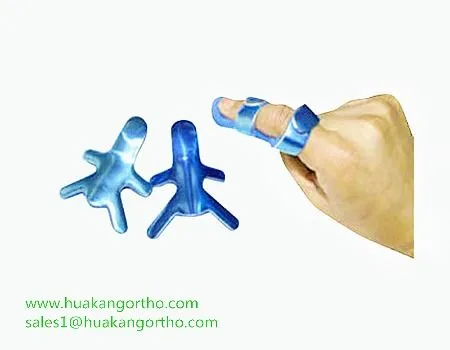
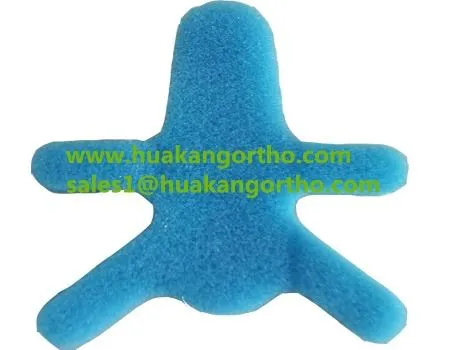
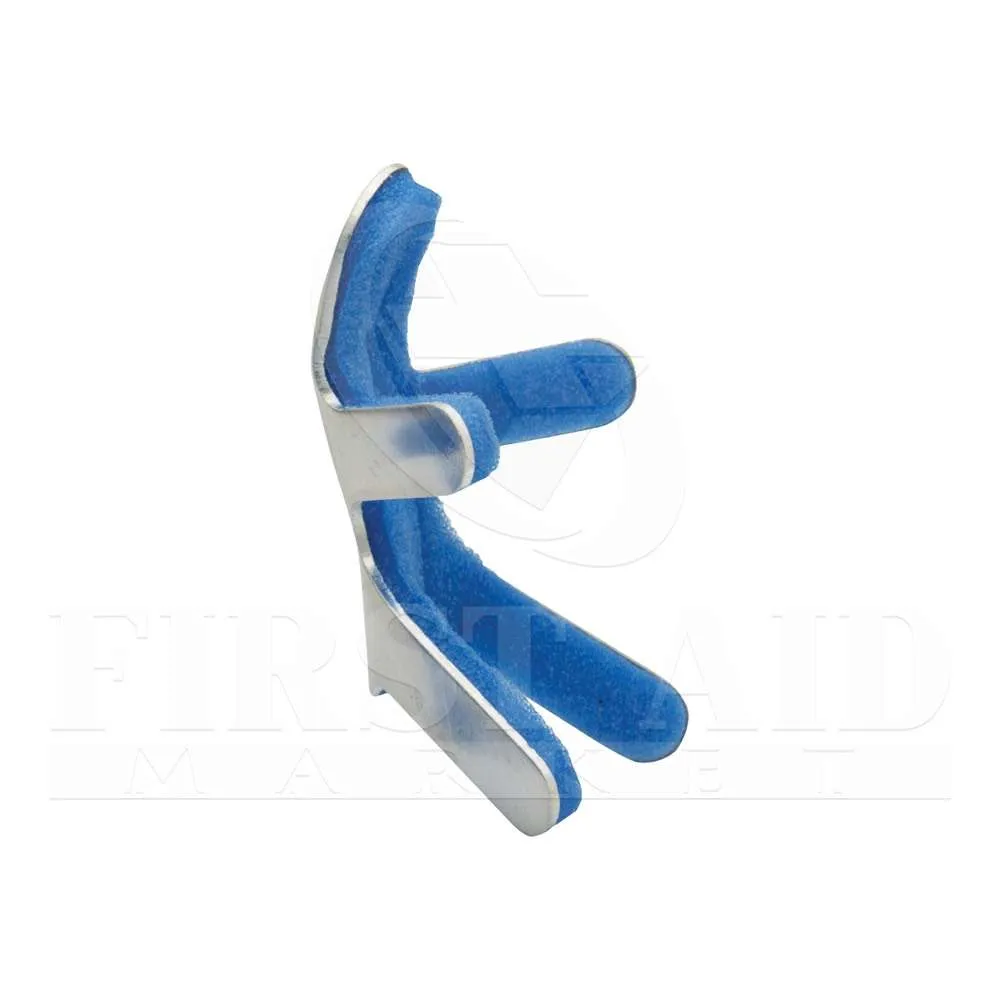
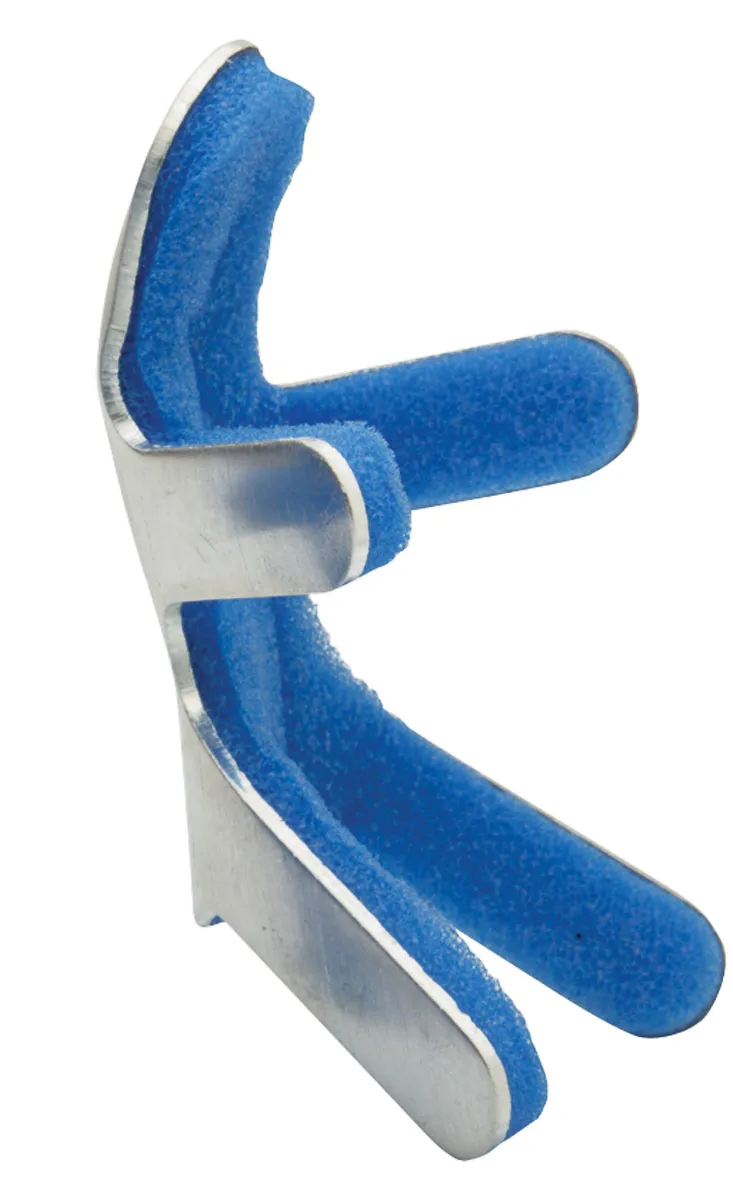
The "frog" or "toad" moniker for this splint originates from its distinctive, three-pronged shape, which cradles the injured finger, providing support from both the dorsal and palmar aspects, akin to a frog's splayed legs. This unique design is central to its efficacy.
Design Principles
The fundamental design of the aluminum frog finger splint is rooted in biomechanical principles aimed at achieving stable immobilization of the interphalangeal joints (DIP and PIP) while allowing for some metacarpophalangeal (MCP) joint movement, if desired.
- Anatomical Contouring: The splint is designed to conform closely to the natural curvature of the finger, ensuring even pressure distribution and minimizing discomfort. Its 'U' or 'W' shape allows it to wrap around the finger, providing circumferential support.
- Three-Point Pressure System: The splint works by applying pressure at three strategic points to maintain the desired joint position. For instance, in a mallet finger injury, it applies pressure dorsally over the middle phalanx and palmarly over the distal phalanx, with a counter-pressure point dorsally at the tip of the distal phalanx, thus promoting hyperextension of the DIP joint.
- Ventilation and Comfort: Modern designs often incorporate perforations in the aluminum or breathable foam padding to reduce moisture build-up, prevent skin maceration, and enhance patient comfort, particularly during extended wear.
- Malleability: The key feature of aluminum is its malleability, allowing clinicians or patients (under guidance) to customize the fit precisely to the individual finger and injury, ensuring optimal therapeutic positioning.
Materials Science
The choice of materials for the aluminum frog finger splint is critical for its performance, durability, and patient safety.
- High-Grade Malleable Aluminum:
- Lightweight: Minimizes burden on the injured digit, enhancing patient compliance.
- Malleable: Easily shaped and molded to provide a custom, secure fit for various finger sizes and injury types. This customization is vital for effective immobilization.
- Radiolucent (mostly): While aluminum is not fully radiolucent, its thin profile often allows for adequate X-ray imaging through the splint, which can be beneficial for monitoring fracture healing without frequent removal.
- Durable: Resists corrosion and maintains its shape once molded.
- Closed-Cell Foam Padding:
- Comfort: Provides a soft interface between the rigid aluminum and the skin, preventing pressure points and irritation.
- Pressure Distribution: Helps to evenly distribute pressure, reducing the risk of skin breakdown.
- Hypoallergenic: Often made from medical-grade, latex-free foam to minimize allergic reactions.
- Moisture Wicking (in some designs): Helps to manage perspiration.
- Fixation Mechanisms:
- Velcro Straps: Common for reusable or adjustable splints, offering easy application and removal for skin care.
- Medical-Grade Adhesive Tape: Often used to secure the splint, particularly for injuries requiring continuous, uninterrupted wear, like mallet finger.
Biomechanics of Immobilization
The primary biomechanical goal of the aluminum frog splint is to provide stable, protective immobilization of the affected finger joints in a specific therapeutic position, thus allowing injured tissues to heal without disruption.
- Joint-Specific Restriction: By extending along the length of the phalanx and often spanning two joints, the splint effectively restricts flexion and extension at the DIP and/or PIP joints, depending on the injury.
- Prevention of Deformity: For conditions like mallet finger, the splint maintains the DIP joint in slight hyperextension or neutral, preventing the characteristic "droop" caused by extensor tendon disruption. For Boutonnière deformity, it supports PIP extension.
- Load Reduction: It offloads stress from the injured ligaments, tendons, or bony structures, creating an optimal environment for cellular repair and collagen synthesis.
- Protection Against External Forces: The rigid aluminum acts as a shield, protecting the delicate healing structures from accidental bumps or impacts that could re-injure the digit.
Extensive Clinical Indications & Usage
The versatility and efficacy of the aluminum frog finger splint make it a staple in orthopedic and emergency medicine for a wide array of digital injuries.
Common Orthopedic Applications
| Injury/Condition | Description & Splint Application | The Frog Finger Splint is widely used in orthopedics to immobilize the DIP and/or PIP joints of an injured finger. Its design prevents motion and protects the finger, allowing for healing.