The Airplane Splint: A Comprehensive Orthopedic Guide
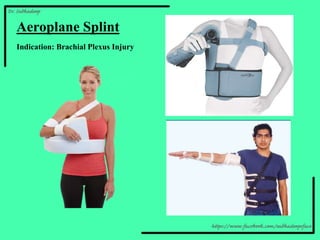
The "Airplane Splint," also known as an abduction shoulder orthosis, is a critical orthopedic device engineered to provide precise immobilization and support to the shoulder joint in a specific anatomical position. Its distinctive design, which holds the arm away from the body at an angle resembling an airplane's wing, gives it its evocative name. This guide delves into the intricate details of the Airplane Splint, offering an exhaustive overview for medical professionals, patients, and caregivers seeking to understand its profound impact on orthopedic recovery and rehabilitation.
Introduction & Overview of the Airplane Splint
The Airplane Splint represents a specialized class of orthopedic devices designed primarily to immobilize the glenohumeral joint in a position of abduction and often external rotation. This unique positioning is crucial for optimizing the healing environment following complex shoulder surgeries, severe injuries, or specific non-operative conditions. Unlike a standard sling that merely supports the arm, the Airplane Splint actively positions the humerus relative to the scapula and torso, reducing tension on repaired structures, preventing unwanted movements, and promoting optimal vascularity to the healing tissues.
Its primary goals include:
* Pain Reduction: By stabilizing the injured or surgically repaired shoulder, it significantly minimizes pain.
* Enhanced Healing: Maintaining a specific anatomical position reduces stress on tendons, ligaments, and capsule, fostering an environment conducive to biological healing.
* Prevention of Complications: It helps prevent re-injury, capsular contracture (stiffness), and provides protection against external forces.
* Optimized Posture: The abduction angle can help maintain the subacromial space, which is vital for rotator cuff healing.
The evolution of shoulder immobilization techniques has led to the development of sophisticated devices like the Airplane Splint, moving beyond simple slings to provide dynamic, anatomically precise support that significantly influences patient outcomes.
Deep-Dive into Technical Specifications & Mechanisms
Understanding the technical specifications and biomechanical principles behind the Airplane Splint is fundamental to appreciating its efficacy.
Design and Materials
The modern Airplane Splint is a marvel of orthopedic engineering, combining lightweight strength with patient comfort.
Core Components:
- Torso Strap/Cuff: A broad, padded strap that encircles the patient's chest and abdomen, serving as the stable anchor for the entire device.
- Shoulder/Arm Support Frame: This is the rigid, often adjustable, component that extends laterally from the torso, forming the "wing" that supports the upper arm in abduction. It's typically angled to achieve the prescribed degree of abduction (e.g., 60-90 degrees).
- Forearm Cradle/Support: A padded trough or strap system designed to comfortably support the forearm and hand, often with an adjustable wrist/hand rest. This component may also incorporate a small ball or grip to facilitate isometric hand exercises.
- Straps and Buckles: A system of adjustable straps and quick-release buckles ensures a secure, customizable fit and allows for easy donning and doffing.
- Cushioning and Liners: Extensive use of breathable, moisture-wicking, and hypoallergenic foam padding throughout the device, especially where it contacts the skin, to prevent pressure points and enhance comfort.
Materials:
- Frame: Lightweight, high-strength aluminum alloys or rigid, medical-grade plastics (e.g., polypropylene, polyethylene) are commonly used for the structural components. These materials offer excellent rigidity-to-weight ratio, ensuring stability without excessive bulk.
- Padding: High-density, closed-cell foam for structural padding and softer, open-cell, breathable fabrics (e.g., Coolmax, cotton blends) for skin contact areas. These materials are often washable and replaceable.
- Fasteners: Durable Velcro (hook-and-loop) closures and robust plastic or metal buckles for secure and adjustable fitting.
Modularity and Adjustability:
Many contemporary Airplane Splints feature modular designs, allowing for:
* Variable Abduction Angles: Adjustable hinges or interchangeable components to set the arm at specific angles (e.g., 45°, 60°, 75°, 90°).
* External Rotation Control: Some models include an additional component to control or enforce external rotation, crucial for certain labral or capsular repairs.
* Universal Sizing: Often designed to fit a wide range of body types with extensive adjustability.
Biomechanics and Mechanism of Action
The Airplane Splint's effectiveness lies in its precise biomechanical application.
Key Biomechanical Principles:
- Abduction: By holding the arm away from the body, the splint reduces tension on the inferior glenohumeral ligament and anterior capsule, which are frequently involved in instability repairs. For rotator cuff repairs, abduction can decrease tension on the supraspinatus tendon, especially in massive or retracted tears, optimizing tendon-to-bone healing.
- External Rotation: When indicated, external rotation further reduces tension on the anterior capsular structures and may be beneficial for specific anterior instability repairs to prevent internal rotation contractures.
- Gravity Counteraction: The splint counters the gravitational pull that would otherwise stress healing tissues in a dependent arm position.
- Prevention of Capsular Contracture: By maintaining the joint in a functional, open position, it can help prevent adhesive capsulitis in some contexts, though prolonged immobilization inherently carries this risk.
- Enhanced Blood Flow: Maintaining the arm in an elevated position can improve venous return and potentially enhance blood flow to the shoulder region, aiding healing.
Mechanism of Action:
The Airplane Splint mechanically prevents adduction, internal rotation, and often flexion/extension beyond a controlled range. This immobilization ensures:
* Structural Integrity: Protection of surgical repairs (e.g., rotator cuff sutures, labral anchors) from disruptive forces.
* Reduced Muscle Spasm: By eliminating unwanted movement, it can reduce protective muscle spasms, contributing to pain relief.
* Optimal Tissue Apposition: It maintains the repaired tissues in their intended anatomical alignment, critical for revascularization and scar formation.
Extensive Clinical Indications & Usage
The Airplane Splint is a versatile orthopedic tool, indicated for a range of conditions requiring specific shoulder immobilization.
Detailed Surgical Applications
The primary use of the Airplane Splint is post-surgically to protect and facilitate healing following complex shoulder procedures.
- Massive Rotator Cuff Repairs: Especially for large or revision tears where significant tension exists on the repair site. Abduction reduces tension on the supraspinatus and infraspinatus tendons.
- Anterior Shoulder Instability Repairs: Procedures like Bankart repair, capsular shift, or Latarjet procedure often benefit from immobilization in abduction and external rotation to protect the anterior capsule and labrum.
- Superior Capsular Reconstruction (SCR): Used to protect the graft and optimize healing after reconstruction for irreparable rotator cuff tears.
- Proximal Humerus Fractures: In select cases, particularly after open reduction and internal fixation (ORIF) or for certain non-operative fractures, to maintain alignment and prevent varus collapse.
- Glenohumeral Arthroplasty (Total Shoulder Arthroplasty, Reverse Total Shoulder Arthroplasty): Occasionally indicated for specific post-operative protocols to protect soft tissue repairs or component stability, though less common than standard slings.
- Brachial Plexus Injuries/Repairs: To protect nerve repairs or to position the limb to prevent traction on the brachial plexus.
Non-Surgical Applications
While primarily post-surgical, the Airplane Splint can be used in certain non-operative scenarios.
- Severe Shoulder Sprains/Strains: For acute, high-grade injuries requiring strict immobilization beyond what a standard sling can provide.
- Recurrent Shoulder Dislocations: After reduction, to provide enhanced stability and prevent re-dislocation in patients awaiting surgery or those for whom surgery is contraindicated.
- Adhesive Capsulitis (Frozen Shoulder): In very specific, often later stages, to maintain a degree of abduction and prevent complete adduction contracture, though early mobilization is generally preferred.
Fitting and Usage Instructions
Proper fitting is paramount for the effectiveness and comfort of the Airplane Splint.
Step-by-Step Application:
- Patient Preparation: Ensure the patient is in a comfortable, upright or semi-reclined position. Assess for any skin integrity issues.
- Torso Strap Application: Position the broad torso strap around the patient's chest/abdomen, ensuring it is snug but not restrictive, typically at the level of the lower ribs.
- Arm Support Attachment: Attach the main arm support frame to the torso strap at the desired abduction angle (as prescribed by the physician). Ensure the support extends appropriately to cradle the upper arm.
- Upper Arm Positioning: Gently guide the patient's affected arm into the upper arm cradle, ensuring the humerus is fully supported and positioned at the prescribed abduction angle.
- Forearm Cradle Adjustment: Place the forearm and hand into the forearm cradle. Adjust its position to ensure the elbow is comfortably bent (typically 90 degrees) and the wrist/hand are in a neutral, supported position.
- Strap Securing: Fasten all remaining straps (e.g., forearm straps, shoulder straps) securely. Ensure they are taut enough to prevent unwanted movement but not so tight as to cause pressure, numbness, or circulatory compromise.
- Final Assessment:
- Comfort: Ask the patient about comfort levels, especially at pressure points (axilla, elbow, wrist).
- Circulation/Sensation: Check for proper circulation (capillary refill) and sensation in the fingers.
- Fit: Verify that the splint holds the arm in the prescribed abduction and rotation, and that no excessive movement is possible.
- Patient Education: Instruct the patient on how to don/doff the splint (if allowed), sleep positions, hygiene, and warning signs (pain, numbness, discoloration).
Maintenance and Sterilization Protocols
Proper care extends the life of the splint and ensures patient hygiene.
- Cleaning:
- Liners/Padding: Most foam liners and fabric components are removable and washable. Hand wash in cool water with mild soap, or machine wash on a gentle cycle. Air dry thoroughly; do not tumble dry as heat can degrade materials.
- Rigid Components: Wipe down plastic or metal frames with a damp cloth and mild soap or an antiseptic wipe. Ensure all surfaces are dry before reassembly.
- Inspection: Regularly inspect the splint for:
- Wear and tear on straps, buckles, and padding.
- Cracks or damage to rigid components.
- Loose fasteners or components.
- Replace worn parts as needed.
- Patient Hygiene: Advise patients on maintaining personal hygiene around the splint. This may involve sponge bathing or carefully showering with the splint removed (if permitted by the surgeon) and ensuring the skin underneath is clean and dry to prevent irritation or infection.
- Storage: Store the splint in a clean, dry, cool place away from direct sunlight when not in use.
Patient Outcome Improvements
The judicious use of an Airplane Splint contributes significantly to positive patient outcomes.
- Enhanced Healing Rates: By precisely positioning the shoulder and protecting repairs, it optimizes the biological environment for tissue regeneration.
- Reduced Pain and Discomfort: Stable immobilization minimizes movement-induced pain, allowing for better pain management and patient comfort during the acute healing phase.
- Prevention of Re-injury/Dislocation: The splint acts as a protective barrier, preventing accidental movements or external forces from compromising the surgical repair.
- Improved Functional Outcomes: By promoting proper healing, it lays the groundwork for more effective physical therapy and a quicker return to functional activities.
- Better Patient Compliance: A well-fitted, comfortable splint encourages patients to adhere to immobilization protocols, which is crucial for successful recovery.
- Reduced Risk of Capsular Contracture: While immobilization carries a risk of stiffness, the specific abducted position can, in some cases, mitigate the risk of severe adduction contracture.
Risks, Side Effects, or Contraindications
While highly beneficial, the Airplane Splint is not without potential risks or contraindications.
Risks and Side Effects
- Skin Irritation and Pressure Sores: Prolonged contact, especially over bony prominences (e.g., olecranon, medial epicondyle, axilla), can lead to skin breakdown, maceration, or pressure sores. Regular skin checks and proper padding are crucial.
- Nerve Compression: Improper fitting or prolonged use can compress peripheral nerves, particularly the ulnar nerve at the elbow or the radial nerve. Symptoms include numbness, tingling, or weakness in the hand or fingers.
- Vascular Compromise: Although rare, excessively tight straps can impair blood flow, leading to swelling, discoloration, or coolness of the extremity.
- Muscle Atrophy and Joint Stiffness: Prolonged immobilization inevitably leads to some degree of muscle weakness and joint stiffness (adhesive capsulitis). This necessitates a structured physical therapy program post-immobilization.
- Discomfort and Sleep Disturbance: The awkward position can be uncomfortable, making sleep difficult and impacting quality of life.
- Psychological Impact: Patients may experience frustration, dependence, or anxiety due to limited mobility and the visual prominence of the splint.
- Hygiene Challenges: Maintaining personal hygiene can be difficult, potentially leading to skin issues or odor.
Contraindications
- Unstable Fractures Requiring Different Immobilization: Certain complex or highly unstable fractures may require alternative forms of immobilization, such as internal fixation or a different type of external support.
- Severe Open Wounds or Infections: The presence of active infections or large open wounds in the area covered by the splint may contraindicate its use due to infection risk or interference with wound care.
- Severe Cardio-Pulmonary Compromise: Patients with severe respiratory or cardiac conditions may not tolerate the prolonged abducted position, which can restrict chest expansion or cause discomfort.
- Allergies to Splint Materials: Rare, but patients with known allergies to plastics, foams, or fabrics used in the splint.
- Conditions Requiring Early Motion: For certain injuries or surgical repairs where early controlled motion is a critical part of the rehabilitation protocol, the strict immobilization of an Airplane Splint would be contraindicated.
- Cognitive Impairment: Patients unable to understand or comply with the strict instructions for splint wear and care may be unsuitable candidates, as non-compliance can lead to complications.
Frequently Asked Questions (FAQ) about the Airplane Splint
Q1: How long do I need to wear the Airplane Splint?
A1: The duration of wear is highly individualized and determined by your orthopedic surgeon based on the specific injury or surgical procedure, the extent of healing, and your progress. It can range from a few weeks to several months. Always follow your surgeon's exact instructions.
Q2: Can I take off the splint to shower or sleep?
A2: Generally, no. The Airplane Splint is designed for continuous wear to protect the healing shoulder. Removal is typically not permitted unless explicitly instructed by your surgeon for specific tasks like skin hygiene or dressing changes, and only under controlled conditions. Never remove it without medical guidance.
Q3: How do I clean my Airplane Splint?
A3: Most fabric liners and padding are removable and can be hand-washed with mild soap and cool water, then air-dried. The rigid frame can be wiped down with a damp cloth and mild disinfectant. Always ensure components are completely dry before reassembly. Refer to the manufacturer's instructions or ask your healthcare provider for specific cleaning guidelines.
Q4: What activities should I avoid while wearing the splint?
A4: You must avoid any activities that involve moving your affected arm or shoulder, lifting, pushing, pulling, or reaching. This includes strenuous activities, sports, and even seemingly minor movements that could stress the healing tissues. Your surgeon will provide a detailed list of restrictions.
Q5: Is it normal to feel discomfort or pain while wearing the splint?
A5: Some initial discomfort is common as you adjust to the splint's position. However, persistent or increasing pain, numbness, tingling, or unusual swelling are not normal and should be reported to your healthcare provider immediately. The splint should not cause sharp, severe pain or circulatory issues.
Q6: What are the signs of a poorly fitted splint?
A6: Signs of a poorly fitted splint include:
* Excessive pressure points leading to skin redness, irritation, or blistering.
* Numbness, tingling, or weakness in the hand or fingers.
* Swelling or discoloration of the arm or hand.
* The arm not being held securely in the prescribed position.
* The splint slipping or shifting excessively.
If you notice any of these, contact your healthcare provider for an adjustment.
Q7: Can I drive a car with an Airplane Splint on?
A7: No, it is generally not safe or advisable to drive while wearing an Airplane Splint. The splint severely restricts your ability to steer, react, and operate a vehicle safely, posing a risk to yourself and others.
Q8: Will the splint affect my sleep?
A8: Yes, many patients find sleeping challenging with an Airplane Splint due to the fixed position. You may find it more comfortable to sleep in a semi-reclined position (e.g., in a recliner chair or propped up with pillows in bed) to help support the arm and reduce strain. Experiment with pillow placement for comfort, but do not remove the splint.
Q9: When can I start physical therapy?
A9: The initiation of physical therapy is strictly determined by your surgeon and depends on the specific injury and surgical repair. Some protocols involve passive range of motion exercises while still in the splint, while others require complete immobilization for a period before active therapy begins. Your surgeon will provide a detailed rehabilitation plan.
Q10: What happens if the splint gets wet?
A10: If the rigid components get wet, dry them thoroughly to prevent corrosion or material degradation. If the padded liners get wet, they must be removed, washed, and completely air-dried to prevent skin irritation, odor, and bacterial growth. Never use a wet or damp liner against your skin.
Q11: Are there different sizes or types of Airplane Splints?
A11: Yes, Airplane Splints come in various sizes (e.g., small, medium, large, universal adjustable) to accommodate different body types. There are also variations in design, such as those that allow for adjustable abduction angles, or those with specific external rotation components. Your medical provider will select the most appropriate type and size for your condition.
Q12: How does an Airplane Splint differ from a regular sling?
A12: A regular sling primarily supports the arm in an adducted (arm at your side) and flexed position, resting the weight of the arm. An Airplane Splint, however, actively holds the arm in a precise abducted position (away from the body), often with external rotation. This specific positioning is critical for reducing tension on certain shoulder structures, which a standard sling cannot achieve, making it suitable for more complex post-surgical or injury-related immobilizations.