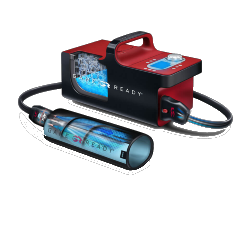
Active Cryotherapy & Compression Units: The Definitive Guide to Game Ready & IceMan for Orthopedic Recovery
1. Comprehensive Introduction & Overview
In the realm of orthopedic recovery and rehabilitation, the principles of Rest, Ice, Compression, and Elevation (RICE) have long been the cornerstone for managing acute injuries and post-operative swelling. Modern medical technology has evolved these fundamental concepts into sophisticated, active systems that deliver precise, consistent, and therapeutic cold and compression: the Active Cryotherapy & Compression Units, prominently exemplified by brands like Game Ready and IceMan.
These advanced devices represent a significant leap beyond traditional static ice packs and elastic bandages. By integrating continuous cold therapy with active, intermittent pneumatic compression, they offer a synergistic approach to mitigate pain, reduce edema, and accelerate the healing process. This guide provides an exhaustive exploration of these critical orthopedic assisted devices, delving into their design, clinical applications, biomechanical principles, usage protocols, and the profound impact they have on patient outcomes.
What are Active Cryotherapy & Compression Units?
An active cryotherapy and compression unit is a medical device designed to deliver targeted cold therapy and pneumatic compression simultaneously to an injured or post-surgical area. Unlike passive methods, these systems actively circulate chilled water through anatomical wraps while applying adjustable, intermittent pressure, creating an optimal therapeutic environment for tissue recovery.
Key Benefits at a Glance:
* Reduced Pain: Numbing effect of cold and reduction of inflammatory pressure.
* Minimized Swelling (Edema): Vasoconstriction and mechanical fluid displacement.
* Accelerated Healing: Optimized cellular environment, reduced secondary hypoxic injury.
* Improved Range of Motion (ROM): Less pain and swelling allow for earlier mobilization.
* Decreased Reliance on Analgesics: A non-pharmacological approach to pain management.
2. Deep-Dive into Technical Specifications / Mechanisms
The efficacy of active cryotherapy and compression units lies in their meticulous design and the sophisticated interplay of their core components.
Design & Materials
| Component Type | Description | Key Features & Materials |
|---|---|---|
| Control Unit/Console | The central hub for operation, housing the chilling mechanism, pump, and control panel. | - Intuitive digital interface - Adjustable temperature settings (e.g., 35-50°F / 2-10°C) - Adjustable compression levels (e.g., 5-75 mmHg) - Programmable timers - Portable design with integrated handle |
| Anatomical Wraps/Garments | Specialized wraps designed to conform precisely to various body parts. | - Dual-Chamber Technology (Game Ready): Inner chamber for circulating cold water, outer chamber for air compression. This ensures uniform temperature and pressure. - Materials: Durable, medical-grade fabrics (neoprene, breathable composites), robust internal bladders, hook-and-loop fasteners for secure fit. - Specific Designs: Knee, shoulder, ankle, hip, back, wrist, elbow for targeted therapy. |
| Hoses & Connectors | Connects the control unit to the anatomical wraps. | - Quick-release couplings for easy attachment/detachment - Self-sealing valves to prevent leaks - Durable, kink-resistant tubing |
| Water Reservoir | Holds ice and water for the chilling mechanism. | - Insulated, easy-to-fill reservoir - Capacity for extended treatment times |
Biomechanics: The Science Behind the Synergy
The combined application of cold and compression creates a powerful physiological response that significantly aids in recovery.
Cold Therapy (Cryotherapy)
- Vasoconstriction: The primary effect of cold is to constrict blood vessels in the treated area. This reduces blood flow, minimizing hemorrhage and the extravasation of fluid into interstitial spaces, thereby controlling swelling and hematoma formation.
- Decreased Metabolic Rate: Lowering tissue temperature reduces cellular metabolic demand. This is crucial in injured tissues where oxygen supply might be compromised, preventing secondary hypoxic injury (cell death due to lack of oxygen).
- Analgesia: Cold therapy decreases nerve conduction velocity and elevates the pain threshold, providing a direct numbing effect that reduces pain perception. This helps manage post-operative and acute injury pain.
- Reduced Muscle Spasm: Cold can interrupt the pain-spasm cycle, leading to muscle relaxation and improved comfort.
Compression Therapy (Intermittent Pneumatic Compression - IPC)
- Edema Reduction: Mechanical pressure from the inflatable bladders physically displaces interstitial fluid, pushing it back into the lymphatic and venous systems. This actively reduces swelling and prevents its accumulation.
- Enhanced Lymphatic Drainage: The rhythmic inflation and deflation of the compression garment mimic the natural muscle pump, promoting lymphatic flow and the removal of waste products and inflammatory mediators from the injury site.
- Reduced Hematoma Formation: Compression helps to limit the space available for blood accumulation after trauma or surgery.
- Improved Tissue Oxygenation: By reducing edema, compression can improve local microcirculation and oxygen delivery to the healing tissues, as excessive swelling can impede nutrient and oxygen exchange.
- Counteracting Inflammatory Exudate: Compression helps to contain the inflammatory response, preventing excessive tissue damage.
The synergy of simultaneous cold and compression is key. The cold reduces metabolic demand and pain, while the compression actively removes the inflammatory byproducts and fluid, allowing for a more efficient and less painful healing process than either modality alone.
3. Extensive Clinical Indications & Usage
Active cryotherapy and compression units are invaluable tools across a broad spectrum of orthopedic conditions, both surgical and non-surgical.
Detailed Surgical Applications
These devices are extensively used in post-operative care to manage pain and swelling, facilitating earlier and more effective rehabilitation.
- Knee Surgeries:
- ACL Reconstruction
- Meniscus Repair/Meniscectomy
- Total Knee Arthroplasty (TKA)
- Patellofemoral Realignment
- Osteochondral Repairs
- Shoulder Surgeries:
- Rotator Cuff Repair
- Labral Repair (e.g., Bankart, SLAP)
- Shoulder Arthroplasty (Total Shoulder, Reverse Total Shoulder)
- Acromioplasty
- Hip Surgeries:
- Total Hip Arthroplasty (THA)
- Hip Arthroscopy (e.g., FAI correction, labral repair)
- Ankle & Foot Surgeries:
- Ankle Fusion/Arthrodesis
- Achilles Tendon Repair
- Bunionectomy
- Fracture Fixation (e.g., ankle, calcaneus)
- Spinal Surgeries:
- Lumbar Fusion
- Laminectomy/Discectomy (for localized back pain and swelling management)
- Other:
- Fracture Management (post-reduction/fixation to control swelling)
- Soft Tissue Reconstructions/Repairs
Acute Injury Management
Beyond surgery, these units are highly effective in treating acute musculoskeletal injuries.
- Sprains: Ankle sprains, knee ligament sprains (MCL, LCL), wrist sprains.
- Strains: Hamstring strains, quadriceps strains, groin strains.
- Contusions: Muscle bruises, bone contusions.
- Tendinitis/Tendinopathy: Acute flare-ups (e.g., patellar tendinitis, Achilles tendinitis, tennis elbow).
- Bursitis: Acute inflammation of bursae (e.g., olecranon bursitis, trochanteric bursitis).
Chronic Pain Management & Rehabilitation (Adjunctive Therapy)
While primarily for acute phases, they can also be used as an adjunct in chronic conditions.
- Osteoarthritis Flare-ups: To reduce pain and swelling during exacerbations.
- Overuse Syndromes: IT Band Syndrome, Patellofemoral Pain Syndrome, Shin Splints (post-activity recovery).
- Post-Exercise Recovery: For athletes to reduce muscle soreness and accelerate recovery after intense training or competition.
Fitting & Usage Instructions
Proper application and operation are crucial for maximizing therapeutic benefits and ensuring patient safety.
1. Preparation of the Unit
- Fill the Reservoir: Open the reservoir lid and fill the unit with ice (cubes or crushed) up to the indicated line, then add cold water to the fill line. Close the lid securely.
- Connect the Wrap: Attach the appropriate anatomical wrap's hose to the unit's connector. Ensure a secure, leak-free connection.
2. Wrap Application
- Select Correct Wrap: Choose the wrap specifically designed for the treated body part (e.g., knee wrap for knee surgery).
- Position Snugly: Place the wrap directly over the affected area. Ensure it covers the target region comprehensively.
- Secure Straps: Fasten all straps or Velcro closures to achieve a snug but comfortable fit. The wrap should not be too tight to restrict circulation before the unit is even turned on, nor too loose to compromise contact.
- Check for Kinks: Ensure the hoses are not kinked or obstructed, which could impede water or air flow.
3. Unit Operation
- Power On: Turn on the main power switch.
- Set Parameters:
- Temperature: Select the desired temperature setting (often preset programs available, or adjustable within a safe range, typically 35-50°F). Always start with a moderate temperature and adjust based on patient comfort and tolerance.
- Compression: Choose the desired compression level (e.g., low, medium, high, or specific mmHg settings). Intermittent compression is generally preferred, with cycles of inflation and deflation.
- Time: Set the treatment duration, typically 20-30 minutes per session.
- Start Treatment: Initiate the cycle. The unit will begin circulating chilled water and applying compression.
- Monitor Patient: During the session, periodically check the patient's skin under the wrap for any signs of excessive cold (e.g., blanching, numbness) or discomfort from compression. Ensure the patient can communicate any issues.
4. Typical Treatment Protocols
- Acute Post-Operative Phase (Days 1-7):
- Frequency: 4-6 times per day, or as directed by the surgeon/physical therapist.
- Duration: 20-30 minutes per session.
- Settings: Moderate cold, intermittent compression (e.g., 5-15 mmHg for lower limbs, 5-10 mmHg for upper limbs).
- Rehabilitation Phase (Weeks 2-6+):
- Frequency: 2-4 times per day, often pre and post physical therapy sessions.
- Duration: 20-40 minutes per session.
- Settings: May adjust cold and compression based on evolving symptoms and activity levels.
- Post-Exercise Recovery:
- Frequency: As needed after strenuous activity.
- Duration: 20-30 minutes.
- Settings: Moderate cold, comfortable compression.
4. Risks, Side Effects, or Contraindications
While highly beneficial, active cryotherapy and compression units are medical devices and must be used with caution.
Risks & Side Effects
- Skin Irritation/Frostbite: If cold therapy is applied too intensely or for too long without adequate skin monitoring, particularly in areas with compromised circulation or sensation.
- Numbness or Tingling: A common effect of cold, but prolonged or severe numbness could indicate nerve irritation.
- Allergic Reaction: To the materials of the wrap (rare).
- Increased Pain/Discomfort: If compression is too high, the wrap is ill-fitting, or if there's an underlying condition exacerbated by pressure.
- Nerve Damage: Extremely rare, but possible with excessive, prolonged compression without proper monitoring.
- Tissue Damage: From excessive cold or pressure, particularly in fragile skin or areas with poor circulation.
Contraindications
Certain conditions preclude or require extreme caution with the use of these devices.
-
Absolute Contraindications (DO NOT USE):
- Peripheral Vascular Disease (PVD): Impaired circulation can lead to tissue damage from cold.
- Deep Vein Thrombosis (DVT) or Thrombophlebitis: Compression can dislodge a clot.
- Cold Hypersensitivity: Conditions like Raynaud's phenomenon, cold urticaria, cryoglobulinemia, paroxysmal cold hemoglobinuria.
- Open Wounds or Active Infections: Direct application can introduce pathogens or worsen infection (unless a sterile barrier is properly used and medically cleared).
- Impaired Sensation: Inability to perceive discomfort or excessive cold/pressure increases risk of injury (e.g., severe neuropathy).
- Severe Uncontrolled Hypertension: Compression can transiently affect blood pressure.
- Congestive Heart Failure (CHF): Large volume shifts from edema reduction can strain the heart.
-
Relative Contraindications (Use with Caution & Medical Supervision):
- Diabetes: Due to potential neuropathy and compromised microcirculation.
- Compromised Circulation: Any condition leading to poor blood flow.
- Bleeding Disorders/Anticoagulant Use: Increased risk of hematoma if compression is too aggressive.
- Pregnancy: Consult physician; avoid abdominal compression.
- Very Young or Elderly Patients: Due to fragile skin, inability to communicate discomfort effectively, or altered thermoregulation.
- Malignancy: Avoid direct application over known tumor sites.
Always consult with a healthcare professional (surgeon, physical therapist, physician) before initiating or modifying treatment with an active cryotherapy and compression unit.
5. Patient Outcome Improvements
The adoption of active cryotherapy and compression units has demonstrably improved patient outcomes across various orthopedic scenarios.
- Significant Pain Reduction: Patients consistently report lower pain scores, leading to decreased reliance on opioid and non-opioid analgesics. This not only improves comfort but also mitigates the risks associated with long-term pain medication use.
- Accelerated Resolution of Swelling & Edema: The active nature of these devices leads to faster and more effective reduction of post-surgical or post-injury swelling compared to passive methods. This is crucial as excessive edema can impede healing and limit mobility.
- Earlier Initiation of Rehabilitation: With less pain and swelling, patients are often able to start physical therapy exercises sooner and progress more rapidly through their rehabilitation protocols. This contributes to quicker restoration of function.
- Improved Range of Motion (ROM): Reduced pain and stiffness directly translate to better and earlier gains in joint range of motion, which is a critical marker of recovery, especially after joint surgeries.
- Enhanced Patient Comfort & Satisfaction: The consistent, targeted therapy provided by these units offers a much more comfortable and predictable recovery experience, leading to higher patient satisfaction.
- Reduced Risk of Complications: By effectively managing inflammation and swelling, these devices can indirectly reduce the risk of certain post-operative complications, such as wound healing issues or delayed rehabilitation.
- Shorter Recovery Times: The cumulative effect of pain reduction, swelling control, and accelerated rehabilitation often results in a faster overall return to daily activities, work, and sports.
6. Maintenance & Sterilization Protocols
Proper maintenance and cleaning are essential for the longevity, efficacy, and hygiene of active cryotherapy and compression units.
Unit Cleaning & Maintenance
- Daily Drainage: After each day's use, or as per manufacturer guidelines, drain all water from the reservoir.
- Wipe Down Exterior: Clean the exterior surfaces of the control unit with a mild disinfectant wipe or cloth dampened with a gentle cleaning solution.
- Internal Flushing (Periodically): Follow manufacturer instructions for flushing the internal tubing system. This often involves circulating a mixture of water and a recommended cleaning agent (e.g., mild bleach solution or specialized cleaning tablets) to prevent mold, mildew, or bacterial growth.
- Descaling: If using hard water, periodic descaling may be necessary to prevent mineral buildup. Consult the user manual for specific recommendations.
- Air Drying: Ensure the reservoir and internal components are thoroughly air-dried before storage.
Wrap Cleaning
- Detach from Unit: Always disconnect the wrap from the control unit before cleaning.
- Hand Wash: Most wraps should be hand-washed with mild soap (e.g., dish soap or gentle laundry detergent) and lukewarm water. Gently scrub the surfaces, paying attention to areas that contact the skin.
- Rinse Thoroughly: Rinse the wrap completely to remove all soap residue.
- Air Dry: Hang the wrap to air dry thoroughly. Do not machine wash or tumble dry unless specifically indicated by the manufacturer, as this can damage the internal bladders or materials.
- Disposable Liners: Some systems offer disposable sanitary liners for multi-patient use or enhanced hygiene.
Storage
- Clean & Dry: Store the unit and all wraps in a clean, dry environment, away from direct sunlight or extreme temperatures.
- Inspect Components: Regularly inspect hoses, connectors, and wraps for any signs of wear, cracks, leaks, or damage. Replace any compromised components immediately to ensure safe and effective operation.
7. Massive FAQ Section
Q1: What is an active cryotherapy and compression unit, and how does it work?
An active cryotherapy and compression unit is a medical device that simultaneously delivers continuous cold therapy and intermittent pneumatic compression to an injured or post-surgical body part. It works by circulating chilled water through an anatomical wrap while air bladders within the wrap inflate and deflate, reducing pain, swelling, and promoting healing.
Q2: How does it differ from traditional ice packs and elastic bandages?
Traditional ice packs provide passive, inconsistent cold, and elastic bandages offer static, often uneven compression. Active units provide active, consistent cold at a controlled temperature and dynamic, adjustable compression, significantly enhancing the therapeutic effect and patient comfort.
Q3: How long should I use the unit for each session?
Typically, sessions last between 20 to 30 minutes. Your healthcare provider will give you specific recommendations based on your condition and recovery phase.
Q4: How often can I use it throughout the day?
Usage frequency varies but commonly ranges from 2 to 6 times per day, especially in the acute post-operative or post-injury phase. Always follow your surgeon's or physical therapist's instructions.
Q5: Is it safe to sleep with the unit on?
It is generally not recommended to sleep with the unit on. This is because prolonged cold or compression without monitoring can increase the risk of skin irritation, frostbite, or nerve damage, especially if sensation is impaired during sleep.
Q6: Can I use it for conditions other than post-surgery?
Yes, these units are highly effective for managing acute injuries like sprains, strains, contusions, tendinitis flare-ups, and bursitis. Athletes also use them for post-exercise recovery to reduce muscle soreness and accelerate recuperation.
Q7: How do I clean and maintain my unit and wraps?
The control unit's exterior should be wiped with a mild disinfectant. The internal system should be periodically flushed with a cleaning solution as per the manufacturer's guide. Wraps are typically hand-washed with mild soap, rinsed thoroughly, and air-dried. Always refer to your specific unit's user manual for detailed instructions.
Q8: What are the signs that my compression is too high?
Signs of excessive compression include increased pain, throbbing, numbness, tingling, skin blanching, or a feeling of extreme tightness. If you experience these symptoms, reduce the compression level or discontinue use and consult your healthcare provider.
Q9: Can children or elderly patients use these devices?
Yes, but with increased caution and under direct medical supervision. Children and elderly patients may have more fragile skin, altered sensation, or difficulty communicating discomfort, requiring closer monitoring of skin integrity and comfort levels.
Q10: Where can I rent or purchase a Game Ready or IceMan unit?
These units are often available for rent or purchase through medical equipment suppliers, orthopedic clinics, or physical therapy centers. Your surgeon or physical therapist can provide recommendations and assist with arrangements.
Q11: Are there any specific temperature settings I should use?
Most units offer a range of safe temperatures, typically between 35°F and 50°F (2°C and 10°C). Your healthcare provider will recommend an appropriate setting, often starting with a moderate temperature and adjusting based on your comfort and response. Avoid direct contact with ice or temperatures below freezing.
Q12: What are the key benefits over passive cold therapy (e.g., gel packs)?
Active units provide consistent, penetrating cold over a larger area, maintain temperature longer, and integrate active compression. This leads to more effective pain and swelling control, deeper tissue cooling, and superior lymphatic drainage compared to the inconsistent and short-lived effects of passive methods.