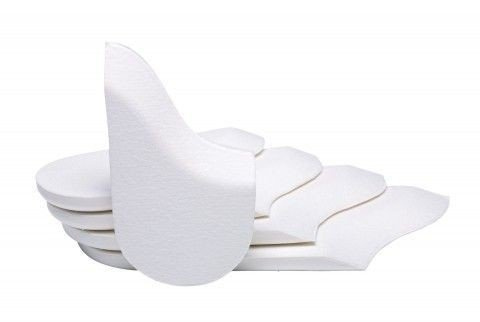
The Definitive Guide to Achilles Tendon Heel Wedges (Stackable)
The Achilles tendon, the largest and strongest tendon in the human body, plays a pivotal role in walking, running, and jumping. Injuries or inflammation affecting this critical structure can be debilitating, significantly impacting mobility and quality of life. In the realm of orthopedic rehabilitation and conservative management, Achilles tendon heel wedges, particularly the stackable variety, have emerged as an indispensable tool. This comprehensive guide delves into every facet of these devices, from their intricate design and biomechanical principles to their diverse clinical applications, maintenance, and profound impact on patient outcomes.
What Are Achilles Tendon Heel Wedges (Stackable)?
Achilles tendon heel wedges are specialized orthopedic inserts designed to be placed inside footwear, primarily beneath the heel. Their fundamental purpose is to elevate the heel, thereby reducing the strain and tension on the Achilles tendon and calf muscles. The "stackable" feature is a crucial innovation, allowing for adjustable and progressive elevation by adding or removing layers. This adaptability makes them highly versatile for various stages of recovery and different clinical needs, providing a customized approach to tendon offloading and rehabilitation.
These devices are integral to managing conditions ranging from acute Achilles tendinitis and chronic tendinopathy to post-surgical recovery following Achilles tendon repair. By subtly altering the ankle's angle, they promote an environment conducive to healing, pain reduction, and a gradual return to functional activities.
Deep Dive into Technical Specifications and Mechanisms
Understanding the efficacy of Achilles tendon heel wedges requires a thorough examination of their design, material science, and the biomechanical principles underpinning their function.
Design Principles
The design of stackable heel wedges is meticulously engineered to address the complex biomechanics of the lower limb, specifically focusing on the Achilles tendon-calf muscle complex.
- Gradient Elevation: Unlike a flat block, most heel wedges incorporate a subtle gradient, ensuring a smooth transition from the arch to the heel. This prevents abrupt pressure points and promotes a more natural foot posture within the shoe.
- Anatomical Contouring: High-quality wedges are often anatomically contoured to comfortably fit the heel cup of various footwear, providing stability and preventing slippage during activity.
- Stackable Layers: The core innovation lies in the stackable layers. These individual inserts, typically ranging from 3mm to 10mm in thickness, can be combined to achieve precise heel elevation. This modularity allows clinicians to:
- Progressive Offloading: Gradually increase elevation during acute phases to maximize strain reduction.
- Progressive Loading: Systematically decrease elevation as the tendon heals and strengthens, facilitating a controlled return to full range of motion and load-bearing.
- Customization: Tailor the height to individual patient needs, shoe types, and specific clinical goals.
Materials Science
The choice of materials is paramount for durability, comfort, and therapeutic effectiveness. Medical-grade materials are selected for their specific properties.
| Material Type | Key Properties | Benefits in Heel Wedges |
|---|---|---|
| Medical-Grade Silicone | High elasticity, excellent shock absorption, durable, hypoallergenic, non-toxic. | Superior cushioning, long-lasting support, reduces impact forces on the heel and Achilles, comfortable against skin. |
| EVA Foam (Ethylene-Vinyl Acetate) | Lightweight, flexible, good shock absorption, resilient, closed-cell structure. | Provides lightweight elevation without adding bulk, offers consistent support, can be molded for anatomical fit. |
| Polyurethane (PU) | Durable, good shock absorption, resistant to compression set. | Offers firm yet cushioned support, maintains shape over time, suitable for higher impact activities. |
| Textile Coverings | Breathable, moisture-wicking, low friction (e.g., polyester, bamboo blends). | Enhances comfort, prevents skin irritation, reduces shear forces, helps manage foot perspiration. |
| Adhesive Backing | Strong, skin-safe adhesive (for permanent shoe placement, if desired). | Ensures the wedge stays securely in place within the shoe, preventing movement during gait. |
Biomechanics of Action
The therapeutic effect of heel wedges is rooted in their ability to alter the biomechanics of the ankle and foot, specifically targeting the Achilles tendon.
- Achilles Tendon Offloading: By elevating the heel, the ankle is placed in a slightly plantarflexed position. This effectively shortens the functional length of the gastrocnemius and soleus muscles, thereby reducing the tensile load and strain on the Achilles tendon at its insertion point on the calcaneus. This reduction in tension is critical for pain relief and facilitating the healing process in conditions like tendinopathy or post-rupture.
- Reduced Dorsiflexion Stress: Activities requiring significant ankle dorsiflexion (e.g., squatting, stair climbing) can put immense strain on a compromised Achilles tendon. Heel wedges limit the degree of dorsiflexion, protecting the tendon from excessive stretch and microtrauma during movement.
- Calf Muscle Relaxation: The shortened position of the calf muscles induced by heel elevation promotes relaxation, reducing muscle spasm and tightness that can contribute to Achilles pain and dysfunction.
- Gait Cycle Modification: Wedges can subtly modify the gait cycle, encouraging a smoother transition during the stance phase and reducing the propulsive force generated by the calf muscles, which can be beneficial during early rehabilitation.
- Progressive Loading Control: The stackable nature allows for precise control over the degree of offloading. As the tendon heals, layers can be removed, gradually increasing the demands on the tendon and preparing it for full functional loads. This controlled progression is vital to prevent re-injury and promote robust tissue remodeling.
Extensive Clinical Indications & Usage
Achilles tendon heel wedges are versatile tools employed across a spectrum of orthopedic conditions, both conservatively and as part of post-surgical rehabilitation protocols.
Primary Indications
- Achilles Tendinopathy (Tendinitis/Tendinosis): A primary indication. By reducing strain, wedges alleviate pain, inflammation, and facilitate tendon repair in both acute inflammatory tendinitis and chronic degenerative tendinosis.
- Achilles Tendon Rupture (Post-Surgical & Conservative Management):
- Post-Surgical: Crucial for protecting the repaired tendon. Initial high elevation keeps the tendon short, reducing tension. Layers are progressively removed over weeks/months as per surgeon's protocol, allowing controlled lengthening and strengthening.
- Conservative: Used to manage partial ruptures or non-surgical full ruptures, providing support and offloading during the healing phase.
- Haglund's Deformity (Retrocalcaneal Bursitis): The bony prominence of Haglund's deformity can irritate the retrocalcaneal bursa and Achilles tendon. Heel elevation lifts the heel bone, reducing friction and pressure on the bursa and tendon insertion, thereby alleviating pain.
- Plantar Fasciitis: While primarily for the Achilles, heel wedges can indirectly benefit plantar fasciitis by slightly elevating the arch, reducing tension on the plantar fascia, and providing additional heel cushioning.
- Calf Muscle Strains/Tightness: By shortening the functional length of the calf muscles, wedges can reduce tension and pain associated with strains or chronic tightness, facilitating stretching and recovery.
- Post-Operative Ankle/Foot Surgery: Procedures like gastrocnemius recession or calf lengthening may benefit from temporary heel elevation to support the surgical site during initial recovery.
- Sever's Disease (Calcaneal Apophysitis): In pediatric patients, heel wedges can reduce impact and tension on the growth plate of the heel, easing pain associated with this common condition.
Detailed Surgical Applications
In the context of Achilles tendon repair, stackable heel wedges are a cornerstone of post-operative management.
- Initial Immobilization: Immediately post-surgery, the ankle is often immobilized in a significant degree of plantarflexion (e.g., 20-30 degrees) to minimize tension on the freshly repaired tendon. This is typically achieved with a specialized boot, but wedges within the boot are critical for maintaining this angle and providing cushioning.
- Gradual Progression: As per the surgeon's protocol (e.g., 2-4 weeks post-op), the degree of plantarflexion is gradually reduced. This is where stackable wedges excel. Layers are systematically removed (e.g., one layer per week) to allow for a controlled increase in dorsiflexion range of motion and progressive loading of the tendon. This phased approach prevents sudden stress on the healing tissue, reducing the risk of re-rupture.
- Transition to Regular Footwear: Once the patient transitions out of the boot, stackable wedges can be used in regular supportive footwear to continue the gradual reduction of heel height until full weight-bearing and normal gait are achieved without assistance.
Clinical Applications (Non-Surgical)
- Conservative Management of Tendinopathy: For patients not requiring surgery, wedges provide consistent offloading during daily activities, allowing the tendon to rest and heal. They are often combined with physical therapy, eccentric loading exercises, and anti-inflammatory measures.
- Pain Relief During Activity: Athletes or individuals with chronic Achilles pain can use wedges to reduce symptoms during exercise or prolonged standing, enabling them to maintain activity levels while the tendon recovers.
- Facilitating Return to Sport/Activity: As athletes return to training, stackable wedges can be used to gradually reintroduce load, ensuring the tendon is adequately prepared for the stresses of high-impact activities.
Fitting and Usage Instructions
Proper fitting and consistent usage are paramount for the effectiveness and safety of Achilles tendon heel wedges.
- Professional Assessment: Always begin with an assessment by a healthcare professional (orthopedic surgeon, physical therapist, podiatrist). They will diagnose the condition, determine the appropriate starting heel height, and establish a progression plan.
- Footwear Selection: Wedges should be used in supportive, closed-heel footwear with adequate space. Avoid open-back shoes or sandals. Ensure both shoes have sufficient depth to accommodate the wedge without creating excessive pressure on the top of the foot.
- Placement:
- Remove the existing insole of the shoe.
- Place the heel wedge(s) directly into the heel cup of the shoe.
- Reinsert the original insole on top of the wedge(s). This provides a smoother surface for the foot and helps secure the wedge.
- For unilateral conditions (e.g., one Achilles tendon issue), it is often recommended to use a thinner wedge in the unaffected shoe to prevent a leg length discrepancy and maintain pelvic alignment, unless specifically advised otherwise by a clinician.
- Choosing the Correct Height (Stacking Layers):
- Begin with the height prescribed by your clinician.
- For stackable wedges, add or remove layers to achieve the desired elevation. Ensure the layers are securely nested together.
- The goal is to reduce pain and tension without compromising balance or creating new discomfort.
- Gradual Progression/Reduction:
- Initial Phase: Start with the prescribed height to maximize offloading during acute pain or early post-op.
- Rehabilitation Phase: As pain subsides and healing progresses, gradually reduce the height (e.g., remove one layer per week or every two weeks) under professional guidance. This controlled reduction allows the Achilles tendon to gradually bear more load and regain its full length and strength.
- Consistency: Wear the wedges consistently as advised, especially during activities that exacerbate symptoms.
- Troubleshooting:
- Slippage: Ensure the wedge is placed firmly in the heel cup and the insole is on top. Some wedges have adhesive backing.
- Discomfort/Pressure: Re-evaluate shoe fit, wedge placement, or height. Consult your clinician if discomfort persists.
- Balance Issues: Initial use might cause slight balance changes. This usually resolves as you adapt. If severe, consult your clinician.
Maintenance and Sterilization Protocols
Proper care extends the life of your Achilles tendon heel wedges and maintains hygiene. While these devices are not typically "sterilized" for patient reuse in a clinical setting (like surgical instruments), personal hygiene and cleaning are crucial.
- Cleaning:
- Frequency: Clean regularly, especially if worn daily or during strenuous activity. Weekly cleaning is generally sufficient for personal use.
- Method:
- Remove wedges from shoes.
- Wipe them down with a damp cloth using mild soap (e.g., hand soap, dish soap). Avoid harsh chemicals or abrasive cleaners that can degrade materials.
- Rinse thoroughly with clean water to remove all soap residue.
- For textile-covered wedges, a gentle hand wash might be appropriate; always check manufacturer instructions.
- Drying:
- Air dry completely before placing them back in shoes. Do not use direct heat sources (e.g., hair dryers, radiators) as this can warp or damage the materials.
- Ensure they are fully dry to prevent moisture buildup, which can lead to bacterial or fungal growth.
- Inspection for Wear and Tear:
- Regularly inspect wedges for signs of compression, thinning, cracks, or loss of resilience.
- If the material feels significantly softer, less supportive, or shows visible damage, it's time for replacement. Compressed wedges lose their therapeutic effectiveness.
- Storage: Store in a clean, dry place away from direct sunlight and extreme temperatures when not in use.
- Replacement: The lifespan varies depending on material, frequency of use, and activity level. Generally, wedges should be replaced every 6-12 months, or sooner if signs of significant wear are evident.
Risks, Side Effects, or Contraindications
While Achilles tendon heel wedges are generally safe and effective, it's important to be aware of potential risks, side effects, and situations where their use might be contraindicated.
Potential Risks
- Compensatory Issues: Prolonged or improper use of heel wedges, especially unilateral use without addressing leg length discrepancies, can potentially lead to compensatory issues in the knee, hip, or lower back due to altered gait mechanics and pelvic tilt.
- Delayed Healing (if misused): Maintaining excessive heel elevation for too long can prevent the Achilles tendon from regaining its full length and strength, potentially leading to chronic shortening or weakness once the wedges are removed. Gradual reduction is key.
- Skin Irritation: Although rare with medical-grade materials, some individuals may experience skin irritation, redness, or blistering, particularly if the wedges are ill-fitting, made of unsuitable material, or not kept clean.
- Increased Forefoot Pressure: Elevating the heel can shift more pressure onto the forefoot. In individuals with pre-existing forefoot conditions (e.g., metatarsalgia, bunions), this could exacerbate symptoms.
- Balance Issues: Initial use can slightly alter balance, especially in individuals with pre-existing balance impairments.
Side Effects
- Temporary Gait Alteration: Patients may notice a slight change in their walking pattern initially as their body adjusts to the altered heel height. This usually resolves quickly.
- Initial Discomfort: Some minor discomfort or a feeling of "unnaturalness" may be experienced during the first few days of use. This should subside. Persistent or increasing pain warrants consultation with a healthcare professional.
Contraindications
- Severe Foot Deformities: Certain severe foot deformities or biomechanical issues might be exacerbated by heel elevation.
- Specific Neurological Conditions: Patients with severe neurological conditions affecting balance or proprioception may require careful assessment before using heel wedges, as they could increase fall risk.
- Open Wounds/Active Infections: Wedges should not be used over open wounds, active infections, or severe skin conditions in the heel or foot area until these issues are resolved.
- Unstable Fractures: In cases of unstable ankle or foot fractures requiring specific immobilization, heel wedges may not be appropriate and could interfere with proper healing.
- Vascular Insufficiency/Neuropathy: Patients with severe peripheral vascular disease or neuropathy should use heel wedges only under strict medical supervision due to potential risks of pressure sores or unnoticed injury.
Always consult with an orthopedic specialist, physical therapist, or podiatrist before initiating the use of Achilles tendon heel wedges, especially in the presence of existing medical conditions.
Massive FAQ Section
Q1: What exactly are Achilles Tendon Heel Wedges?
A1: Achilles Tendon Heel Wedges are orthopedic inserts placed inside your shoes under the heel. They elevate the heel, reducing tension and strain on the Achilles tendon and calf muscles. Stackable versions allow for adjustable height by adding or removing layers, making them highly adaptable for different stages of recovery.
Q2: How do stackable wedges differ from fixed-height wedges?
A2: Fixed-height wedges offer a single, unchangeable elevation. Stackable wedges, however, consist of multiple thin layers that can be combined. This allows for precise, gradual adjustment of the heel height, which is crucial for progressive rehabilitation protocols where the degree of offloading needs to be carefully managed over time.
Q3: Who should use these wedges?
A3: They are primarily recommended for individuals suffering from Achilles tendinopathy (tendinitis/tendinosis), recovering from an Achilles tendon rupture (post-surgical or conservative), experiencing Haglund's deformity, or dealing with severe calf muscle tightness. They can also provide secondary benefits for plantar fasciitis or Sever's disease in children. Always consult a healthcare professional for a proper diagnosis and recommendation.
Q4: Can I wear them in all my shoes?
A4: Ideally, heel wedges should be worn in supportive, closed-heel shoes with sufficient depth to accommodate the wedge without causing the foot to feel cramped or pushed out. Avoid open-back shoes, sandals, or shoes with very shallow heel cups, as the wedge may not fit properly or provide stable support.
Q5: How long should I wear Achilles wedges?
A5: The duration of use is highly individualized and depends on your specific condition, severity, and rehabilitation plan. For acute conditions or post-surgical recovery, they may be worn for several weeks to months, with gradual reduction in height. For chronic conditions, they might be used intermittently for pain relief during activities. Always follow your healthcare professional's guidance.
Q6: Do they cure Achilles tendinopathy?
A6: Achilles tendon heel wedges are a valuable component of a comprehensive treatment plan for Achilles tendinopathy. They help manage symptoms, reduce strain, and create an optimal environment for healing. However, they are typically used in conjunction with physical therapy, eccentric exercises, activity modification, and other interventions. They don't "cure" the condition on their own but significantly aid in the recovery process.
Q7: How do I clean and maintain my wedges?
A7: Remove them from your shoes and wipe them down with a damp cloth using mild soap (e.g., hand soap). Rinse thoroughly with clean water and allow them to air dry completely before placing them back in your shoes. Avoid harsh chemicals or direct heat. Regularly inspect them for signs of wear and tear, and replace them if they become compressed or damaged.
Q8: Are there any side effects?
A8: Most users tolerate heel wedges well. Potential mild side effects include temporary changes in gait, initial discomfort, or slight balance alterations as your body adjusts. Rarely, skin irritation may occur. If you experience persistent pain, discomfort, or new symptoms, discontinue use and consult your healthcare provider.
Q9: Can children use Achilles heel wedges?
A9: Yes, children can use Achilles heel wedges, particularly for conditions like Sever's disease (calcaneal apophysitis), which is a common cause of heel pain in growing children. The wedges help reduce impact and tension on the heel's growth plate. However, use in children should always be under the guidance and prescription of a pediatric orthopedic specialist or podiatrist.
Q10: When should I stop using them?
A10: The decision to stop using wedges should be made in consultation with your healthcare provider. Typically, as your pain subsides, range of motion improves, and the tendon strengthens, you will gradually reduce the height of the wedges. The goal is to eventually transition off them completely, allowing your Achilles tendon to tolerate full load and range of motion without assistance. Stopping too soon or abruptly can risk re-injury.
Q11: What materials are typically used, and why?
A11: Common materials include medical-grade silicone, EVA foam, and polyurethane. Silicone offers excellent shock absorption and durability. EVA foam is lightweight and provides good cushioning. Polyurethane is known for its resilience and ability to maintain shape. These materials are chosen for their comfort, support, shock-absorbing properties, and hypoallergenic nature, ensuring effective and safe use.
Q12: Is it better to wear one wedge or two?
A12: For conditions affecting only one Achilles tendon, your clinician might initially recommend a wedge in the affected shoe, sometimes with a thinner compensatory wedge in the unaffected shoe to prevent leg length discrepancy and maintain pelvic alignment. For bilateral conditions (affecting both tendons) or generalized calf tightness, wedges in both shoes are common. Always follow your healthcare provider's specific instructions for unilateral or bilateral use.