العربية

Sport Orthopedics Review | Dr Hutaif Sports Medicine Re -...

Updated: Feb 2026 53 Views
Sport Orthopedics Review | Dr Hutaif Sports Medicine Re -...
Score: 0%

Orthopedics Online MCQs

QUESTION 1
Sport Orthopedics Mcqs online Bank

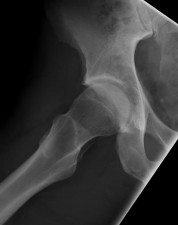
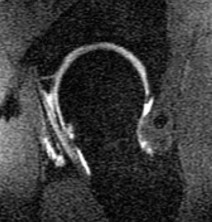
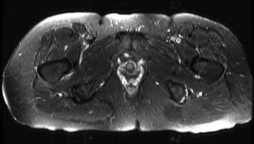
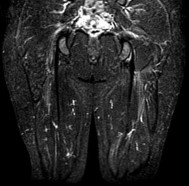
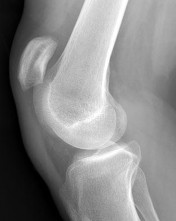
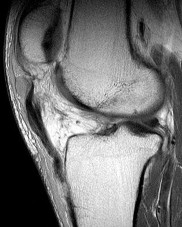
A 32-year-old man has groin pain that is aggravated by sitting. A frog leg lateral and an axial MR arthrogram with gadolinium are shown in Figures 26a and 26b. Nonsurgical management has failed to provide relief and it has been decided to proceed with surgical intervention. The most appropriate surgical approach should include ](http://www.orthobullets.com/knee-and-sports/3130/femoroacetabular-impingement)Review Topic
1
total hip arthroplasty.
2
arthroscopic labral debridement alone.
3
arthroscopic labral repair alone.
4
posterior hip dislocation with labral repair and femoral osteoplasty.
5
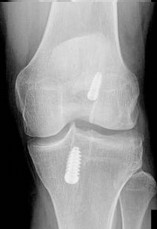
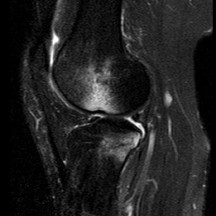
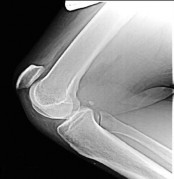
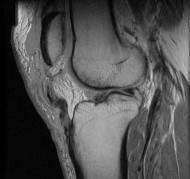
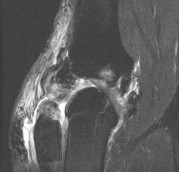
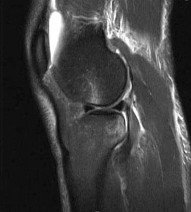
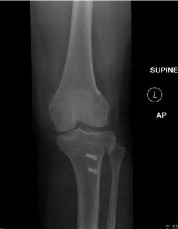
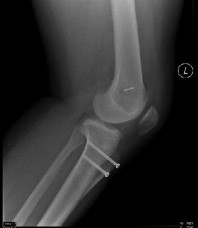
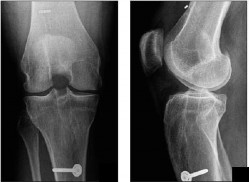
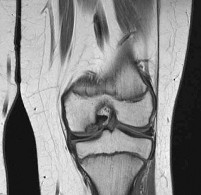
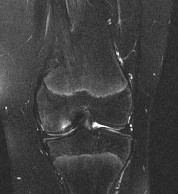
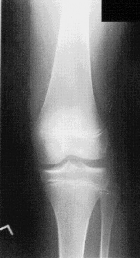
anterior transtrochanteric hip dislocation with labral repair and femoral osteoplasty. An anterior labral tear is present in the setting of cam-type acetabulofemoral impingement. Although labral tears of the hip can occur spontaneously or secondary to a traumatic episode, many labral tears are related to an underlying predisposing anatomy such as dysplasia or impingement. Labral tears are often treated successfully with nonsurgical management. When surgical treatment is indicated, it is generally recommended to address the predisposing anatomy in addition to management of the labrum. Cam-type impingement is addressed by removal of the prominent bone at the junction of the femoral head and neck to prevent abnormal contact between the neck and the rim of the acetabulum through a normal range of motion. Most of the data supporting this procedure show that it has been performed with a trochanteric osteotomy, allowing for an anterior dislocation of the femoral head without interrupting the blood supply to the femoral head (branches of the medial circumflex artery). Some authors have reported success with an all-arthroscopic approach. In general, the outcome of labral repair has been more favorable than labral resection. A healthy, active collegiate soccer player returns to your office approximately 10 months after returning to full play and 18 months after undergoing ACL reconstruction with bone-patellar tendon-bone (BTB) autograft. The patient reports landing awkwardly after a jumping for a ball and felt his knee give way. He presents with pain, worse with weight bearing. On physical exam, there is a mild effusion and a grade 2B Lachman. Radiographs are shown in Figure A. What is the likely underlying cause of his current diagnosis? ](http://www.orthobullets.com/knee-and-sports/3008/acl-tear)Review Topic
Dr. Mohammed Hutaif
Written & Medically Reviewed by
Consultant Orthopedic & Spine Surgeon
