Shoulder osteoarthritis-Summary
Osteoarthritis is the most common form of arthritis, affecting millions of people worldwide. It occurs when the protective cartilage that cushions the ends of the bones wears down over time..
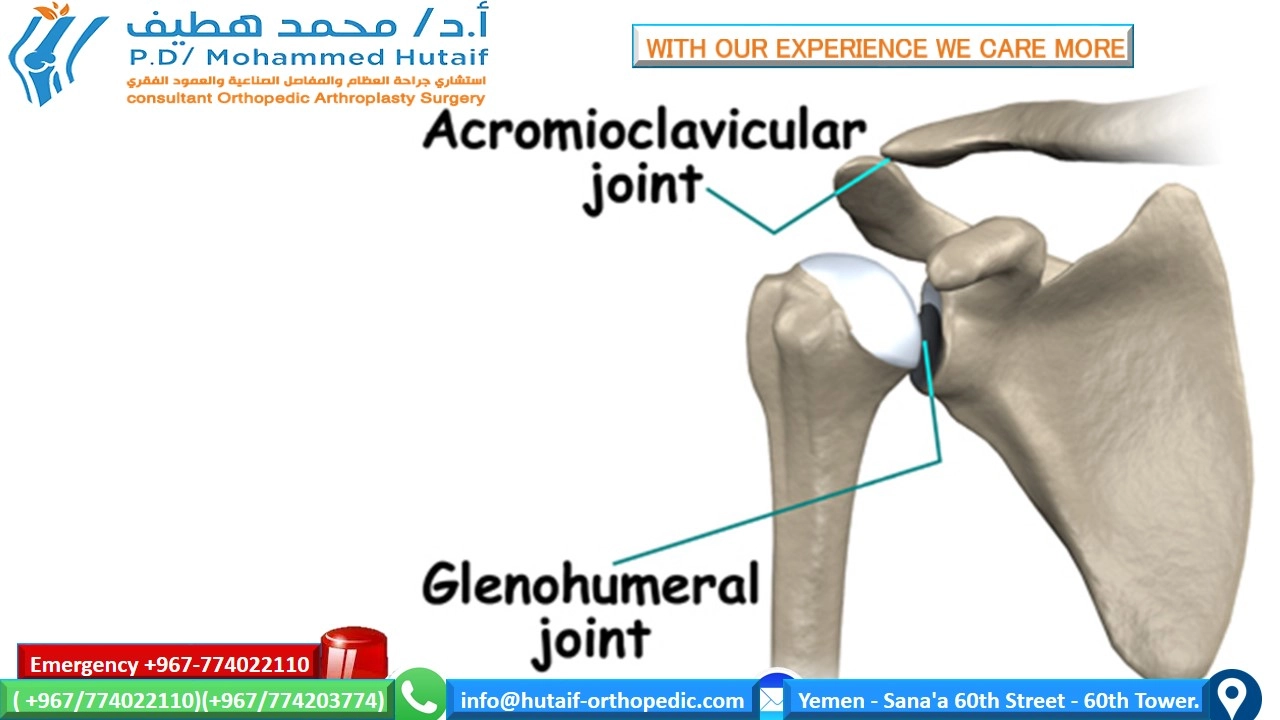
There are two joints in the shoulder, and both may be affected by Osteoarthritis . One joint is located where the clavicle meets the tip of the shoulder blade (acromion). This is called the acromioclavicular (AC) joint. The second is where the head of the humerus fits into the scapula and is called the glenohumeral joint, however Shoulder osteoarthritis is a common name for glenohumeral osteoarthritis, a condition that involves degenerative changes to the cartilage and other structures in the glenohumeral joint.

Shoulder osteoarthritis causes pain and stiffness that can make it difficult to lift your arm, brush your hair or reach up to a high shelf.
Osteoarthritis symptoms can usually be managed, although the damage to joints can't be reversed
In This Article:
-
- SHOULDER OSTEOARTHRITIS-SUMMARY * Description-Shoulder osteoarthritis * Shoulder osteoarthritis-Anatomy * * Shoulder osteoarthritis-video * Shoulder osteoarthritis-Treatment * Shoulder osteoarthritis-Doctor Examination * Shoulder osteoarthritis-Symptoms
-
Next Page:
Description-Shoulder osteoarthritis
*
