Score: 0%
Orthopedics Online MCQs
Which of the following is the most common concern regarding anesthesia for a patient with juvenile rheumatoid arthritis:
All of the following medications have been associated with an increased risk of osteoporosis EXCEPT:
A 56-year-old woman has a painful mass on the bottom of her left foot, and orthotic management has failed to provide relief. Examination reveals that the mass is contiguous with the plantar fascia. An MRI scan shows a homogenous nodule within the plantar fascia. Resection of the tumor is shown in the clinical photograph in Figure 39. What type of cell is most likely responsible for the formation of this tumor?
All of the following are reported advantages of metal-backed patella components except:
An L3 radiculopathy is best differentiated from a femoral neuropathy by testing what muscle? ](http://www.orthobullets.com/anatomy/10065/adductor-longus)
What percent of the adult human meniscus is vascularized?
A 63-year-old man has long-standing type 2 diabetes. He has had associated ongoing neuropathy for approximately 5 years. He now reports a red, hot, swollen right foot for the past 2 days. You place him supine in your office with the foot elevated for 30 minutes. You return to see that the redness has dissipated. What is the most likely diagnosis?
Varus malunion following talar neck fracture is best corrected by:
of 100
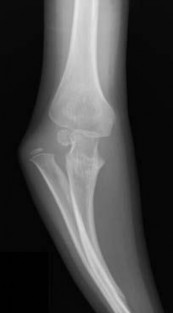
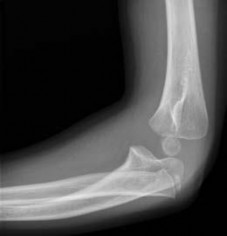
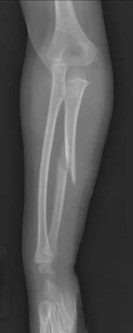
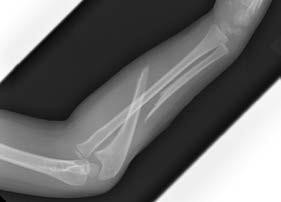
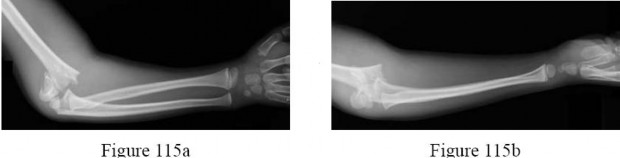
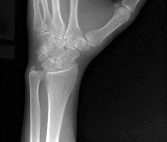
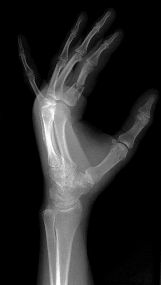
A 13-year-old boy is complaining of elbow and wrist pain following a fall off a bike. Radiographs are taken in the emergency department (Figures 1 through 4). The wrist injury is unstable, and the patient is taken to the operating room for closed reduction and pinning of the distal radius fracture, closed treatment of the proximal fractures. Subsequent to surgery, the patient is noted to have increased irritability and progressively requires more IV pain medication throughout the night. He is anxious, argumentative, and refuses to comply with neurovascular assessments of his upper extremity. What is the best next step in treatment for this patient?

A 13-year-old boy is complaining of elbow and wrist pain following a fall off a bike. Radiographs are taken in the emergency department (Figures 1 through 4). The wrist injury is unstable, and the patient is taken to the operating room for closed reduction and pinning of the distal radius fracture, closed treatment of the proximal fractures. Subsequent to surgery, the patient is noted to have increased irritability and progressively requires more IV pain medication throughout the night. He is anxious, argumentative, and refuses to comply with neurovascular assessments of his upper extremity. What is the best next step in treatment for this patient?
2010 Pediatric Orthopaedic Examination Answer Book *15
Achondroplasia is caused by an abnormality of which of the following?
Achondroplasia is caused by an abnormality of which of the following?
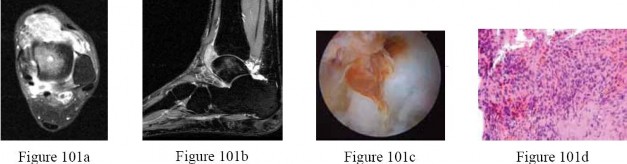
A 28-year-old woman presents for treatment of pain and swelling in the foot. She had twisted her ankle 2 months ago and her initial treatment consisted of limited activity, crutches, and immobilization. Because she has not been able to wean off the crutches, she has pain in the foot radiating to the ankle and distal lateral leg. She has constant pain in the foot and the swelling appears worse than at the time of her injury. C linically, there are multiple areas of tenderness in the foot and ankle that appear swollen and sensitive to examination. The study that would be most helpful to clarify this diagnosis is:
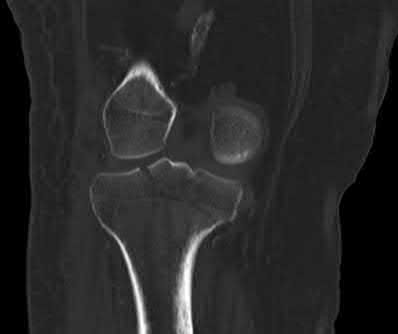
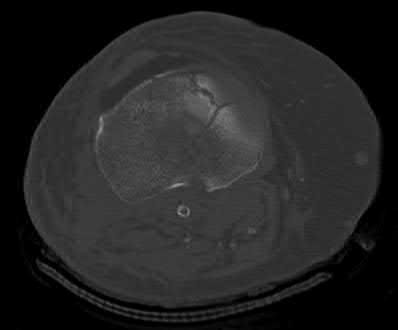
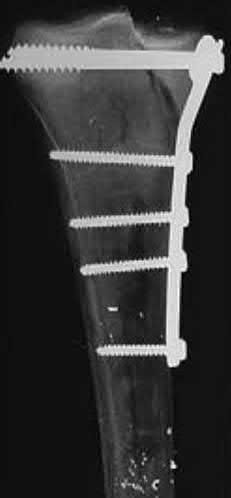
A 40-year-old male sustains a fall from a height. He sustains the isolated injury shown in the radiograph and CT images seen in Figures A through C. Surgery is planned. Which of the following constructs is the most appropriate definitive fixation for this injury?
For the athlete performing heavy exercise, the magnitude of core temperature and heart rate increase is most proportional to**
Compared with the medial parapatellar approach for total knee arthroplasty (TKA), quadriceps-sparing approaches are associated with
Femoral components made of which material have the least amount of stiffness:
Many materials are used in the production of orthotic arch supports. Plastizote is a material commonly used either alone or in combination. The problem with this material is:
Where is the watershed zone for tarsal navicular vascularity?
Uric acid
_The laboratory studies listed above are needed to diagnose the disorders listed below. Match theappropriate laboratory studies with each of these disorders._
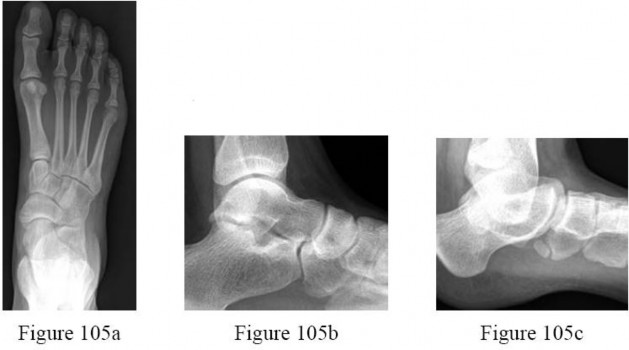
-are the radiographs of a 13-year-old girl with right medial foot pain. The pain has been present for 3 months, is exacerbated by walking and running, and is relieved by rest. She had tried over-the-counter arch supports and nonsteroidal anti-inflammatory drugs for pain relief, but without success. Surgical treatment has been recommended. Which surgical procedure is most likely to relieve the patient’s symptoms?
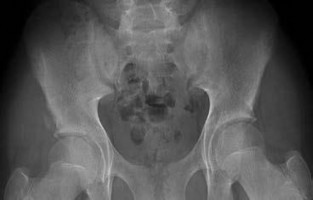
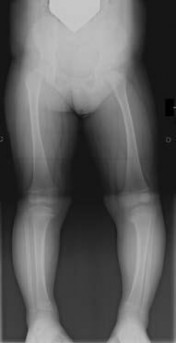
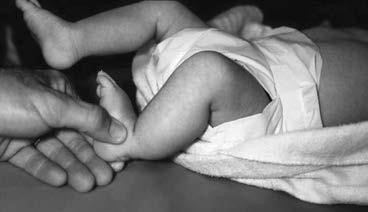
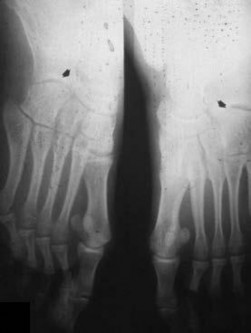
_The laboratory studies listed above are needed to diagnose the disorders listed below. Match theappropriate laboratory studies with each of these disorders._
-are the radiographs of a 13-year-old girl with right medial foot pain. The pain has been present for 3 months, is exacerbated by walking and running, and is relieved by rest. She had tried over-the-counter arch supports and nonsteroidal anti-inflammatory drugs for pain relief, but without success. Surgical treatment has been recommended. Which surgical procedure is most likely to relieve the patient’s symptoms?
A 55-year-old man with unilateral osteoarthritis of the hip underwent a total hip arthroplasty using cementless fixation. The acetabular cup was 52 mm and the femoral head was 28 mm and made of cobalt-chromium alloy. The bearing surface was made of annealed highly cross-linked polyethylene, with an estimated thickness of 6.5 mm. What should the orthopaedic surgeon tell the patient regarding wear of the bearing surface?
What allograft has the highest antigenicity when used for ligament reconstruction about the knee?
of 100
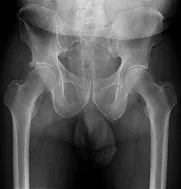
A 6-year-old boy has a 2-month history of intermittent, mild, unilateral thigh pain and a limp. An examination reveals a Trendelenburg sign and restricted hip abduction and internal rotation.
A 6-year-old boy has a 2-month history of intermittent, mild, unilateral thigh pain and a limp. An examination reveals a Trendelenburg sign and restricted hip abduction and internal rotation.
A 55-year-old male presents to your clinic after a fall off a ladder and landing on his left shoulder. On examination, he has a positive drop arm sign but full passive, but painful, range of motion of the left shoulder. Radiographs are shown in Figures A and


Which of the following findings is considered the strongest indication for surgical treatment of a mallet fracture of the distal phalanx?
A 62-year-old man presents for treatment of ankle pain. He suffered a fibular fracture 7 months ago while hiking in the mountains. He was treated with a short leg walking cast. On examination, he has pain on range of motion of the ankle, pain over the distal fibula, and no instability or crepitus to range of motion of the ankle. Pain is present on external rotation of the foot under the leg. Radiographs of the ankle demonstrate a healed fibular fracture with 7 mm of shortening and slight external rotation. There is a 7° valgus tilt of the tibiotalar joint and a widening of the medial clear space. The joint space laterally appears slightly narrowed. Recommended treatment includes:
Isolated subtalar arthrodesis:
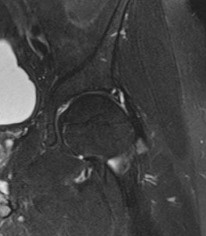
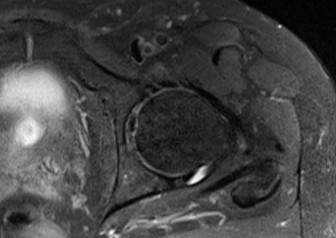
Figures 1 and 2 are the radiographs of a 20-year-old college multisport athlete who has had longstanding pain in his left hip. He denies any specific event that initiated his pain, but he notes that he had hip problems when he was an infant. He denies pain with activities of daily living, but he believes his pain is increasingly limiting his ability to exercise. He localizes the pain to his groin. He denies low-back or buttock pain or pain that radiates down his leg. Images from an MRI scan of this patient's left hip are shown in Figures 3 through
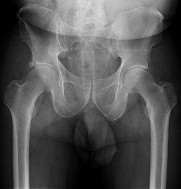
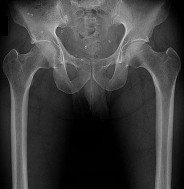
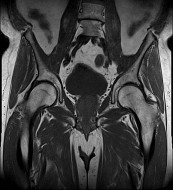
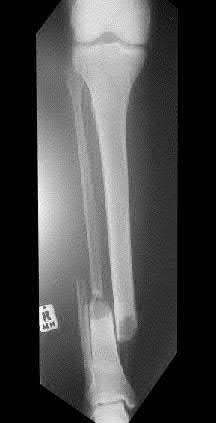
A 24-year-old male presents following a motorcycle crash with an isolated injury to his right lower extremity. He has a 3x2cm wound over the fracture site, and he immediately receives Gram positive and Gram negative coverage along with a tetanus booster. The patient is splinted, optimized, and brought to the operating room where the wound is debrided and classified as a Type IIIB fracture. Deemed stable, the plastic surgery team arrives and acutely performs a free flap for coverage, following definitive fixation with an intramedullary nail. All of the following are factors that have been shown to increase infection risk EXCEPT:
of 100
This condition is most prevalent in people of which ancestry?








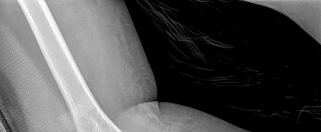
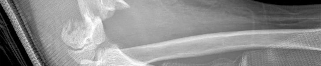
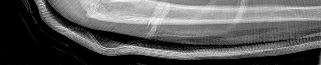
This condition is most prevalent in people of which ancestry?
A 24-year-old man who sustained a gunshot wound to the abdomen ten hours earlier was brought to the emergency department. On physical examination he was found to have 4 of 5 weakness in his bilateral lower extremities. Radiographs are shown in Figure
The incidence of patella component loosening is:
A 7 5-year-old man who sustained an intertrochanteric hip fracture underwent open reduction and internal fixation with a sliding hip screw. Six months after the procedure, the patient has shortening and external rotation of the extremity and progressively severe groin pain with ambulation. Radiographs are shown in Figures 5a and 5b. What is the most appropriate management?

**ONLINE ORTHOPEDIC MCQS SPINE0 9**
**1**. Which is the best initial study for the diagnostic evaluation of diskogenic low back pain?
**1**. Which is the best initial study for the diagnostic evaluation of diskogenic low back pain?
A non-communicative 16-year-old girl with spastic quadriplegic cerebral palsy and a 75-degree thoracolumbar scoliosis undergoes a successful posterior spinal fusion with instrumentation. What is the most predictable outcome of the surgical procedure?
slide 1 slide 2
A patientâs upper extremity radiographs are shown in Slide 1 and Slide 2. Which of the following tumor suppressor genes is most likely involved:
A patientâs upper extremity radiographs are shown in Slide 1 and Slide 2. Which of the following tumor suppressor genes is most likely involved:
A 25-year-old woman who has multiple injuries, including closed femoral and
2. tibial shaft fractures, is initially awake and alert, but during resuscitation she
3. becomes somnolent. A chest radiograph shows three rib fractures on the right
4. side, and an AP view of the pelvis shows a 3-cm pubic diastasis. She has a
5. systolic blood pressure of 220 mm Hg and a pulse rate of 38/min. Treatment
6. should include
7. 1- pelvic angiography.
8. 2- diagnostic peritoneal lavage.
9. 3- emergency CT scan of the head and a neurosurgical consultation.
10. 4- administration of 2 L of crystalloid and blood type and crossmatching.
11. 5- insertion of a chest tube in the midclavicular line of the second intercostal space.
2. tibial shaft fractures, is initially awake and alert, but during resuscitation she
3. becomes somnolent. A chest radiograph shows three rib fractures on the right
4. side, and an AP view of the pelvis shows a 3-cm pubic diastasis. She has a
5. systolic blood pressure of 220 mm Hg and a pulse rate of 38/min. Treatment
6. should include
7. 1- pelvic angiography.
8. 2- diagnostic peritoneal lavage.
9. 3- emergency CT scan of the head and a neurosurgical consultation.
10. 4- administration of 2 L of crystalloid and blood type and crossmatching.
11. 5- insertion of a chest tube in the midclavicular line of the second intercostal space.
A 21-year-old collegiate pitcher has had pain in his dominant shoulder for the past 3 months despite management consisting of rest, rehabilitation, and an analysis of throwing mechanics. An arthroscopic photograph from the posterior portal is shown in Figure 10. The biceps anchor to the bone was not detached to probing. Treatment of the lesion to the left of the cannula should consist of arthroscopic
Manipulation under anesthesia for resistant frozen shoulder should be avoided in
patients with
patients with
of 100
A 69-year-old woman has rigid painful left pes planus that has become less symptomatic with casting. She has multiple comorbidities and is not a good surgical candidate. She has failed a trial of activity without any supports.
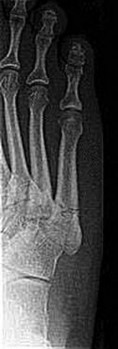
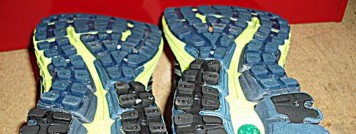
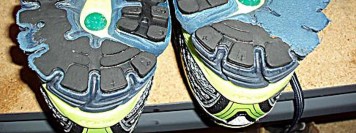
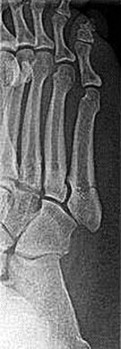
A 69-year-old woman has rigid painful left pes planus that has become less symptomatic with casting. She has multiple comorbidities and is not a good surgical candidate. She has failed a trial of activity without any supports.
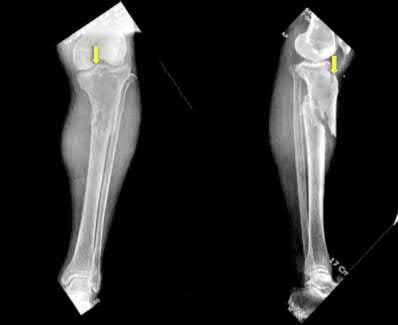
A 25 year-old-male sustains a closed injury shown in Figure A. If a tibial intramedullary nail is placed with the starting points shown (arrows), what subsequent alignment will occur?
of 100
Figure 80a is the radiograph of a 5-year-old girl who has experienced 8 weeks of shoulder pain that is mostly relieved with nonsteroidal anti-inflammatory drugs. Her MR images are shown in Figures 80b through 80f. Histology is shown in Figures 80g through 80i. The most likely diagnosis is
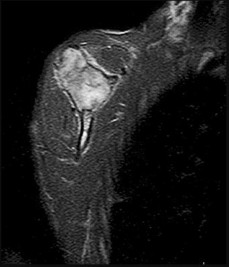
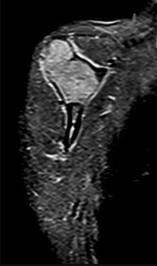
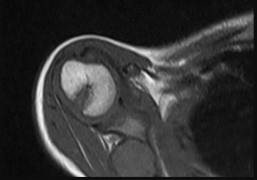
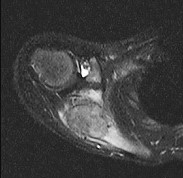
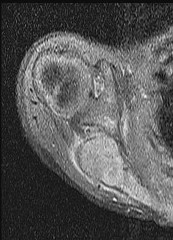
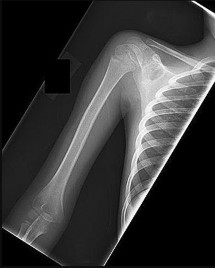
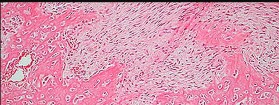
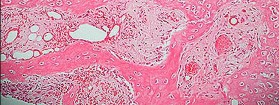
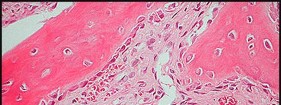
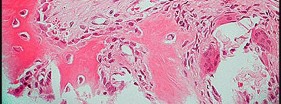
Figure 80a is the radiograph of a 5-year-old girl who has experienced 8 weeks of shoulder pain that is mostly relieved with nonsteroidal anti-inflammatory drugs. Her MR images are shown in Figures 80b through 80f. Histology is shown in Figures 80g through 80i. The most likely diagnosis is
In cases of subacute scaphoid-lunate ligament injury with no arthrosis, all of the following are acceptable options except:
..Figure 99a is the radiograph of a 48-year-old woman 8 months after initial treatment of an injury. She initially was placed in a sling and progressive rehabilitation followed. She now has refractory pain but normal range of movement and strength. The current radiograph is shown in Figure 99b. The most appropriate next treatment step is





In surgical correction of the adult acquired flatfoot deformity, a medial translational calcaneal osteotomy is often performed in conjunction with additional soft tissue correction medially. One of the proposed biomechanical effects of the osteotomy associated with improvement in the arch of the foot is:
A 68-year-old male sustains the humeral shaft fracture shown in Figures A and
BASIC SCIENCE ORTHOPEDIC MCQS ONLINE BANK
(http://www.orthobullets.com/basic-science/9084/molecular-biology-basics)
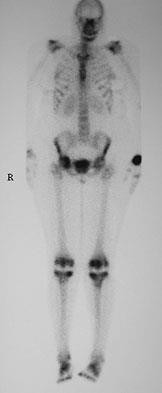
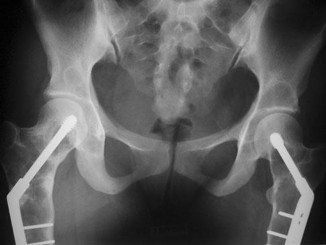
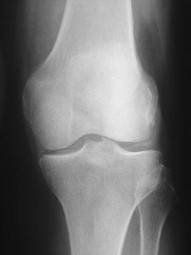
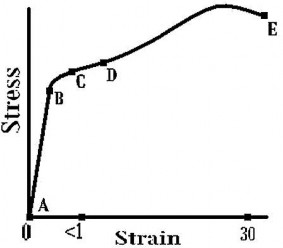
(http://www.orthobullets.com/basic-science/9084/molecular-biology-basics)
of 100
Figures 32a through 32d are the radiographs and MR images of a 13-year-old girl with new posterolateral knee pain following a fall. What is the best next step?
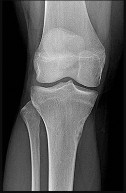
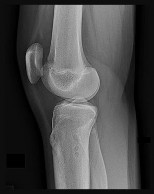
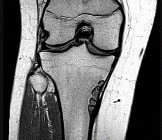
Figures 32a through 32d are the radiographs and MR images of a 13-year-old girl with new posterolateral knee pain following a fall. What is the best next step?
of 100
This pathology most likely causes mechanical low-back pain.
This pathology most likely causes mechanical low-back pain.
Which of the following is a high-energy injury:
A 35-year-old male presents 6 weeks following open reduction and internal fixation of the injury shown in Figures A and B performed through a sinus tarsi approach. He is a 1/2-pack-per-day smoker and his body mass index (BMI) is 25. He last presented 3 weeks ago at which time his wound appeared healed, and the sutures were removed. Physical therapy was also initiated for gentle range of motion exercises. He reports that his main surgical incision "opened up" a few days ago and has been draining. He denies fevers or chills at this time. On physical exam, he has a small, 1 cm area of wound dehiscence with no exposed hardware. His current radiograph is
shown in Figure C. Which of the following combines the risk factors this patient has for wound dehiscence with the next best step in treatment?
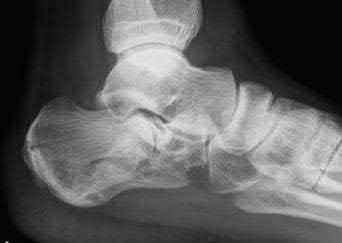
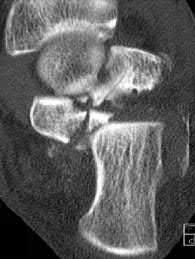
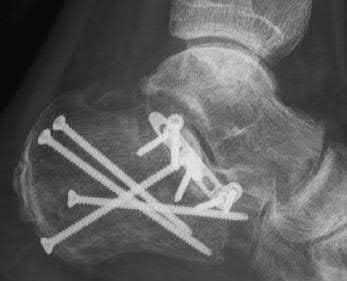
shown in Figure C. Which of the following combines the risk factors this patient has for wound dehiscence with the next best step in treatment?
What is the most common cause of early failure for patellofemoral arthroplasty?

An 11-year-old boy who is a Little League pitcher has a 3-month history of right elbow pain, made worse after several innings of pitching. The pain is in the posterior and medial aspect of the elbow joint but is without clicking or mechanical symptoms. There are no signs of infection or swelling, and range of motion is full.
There is tenderness over the medial aspect of the elbow distal to the humeral epicondyle over the proximal olecranon. Valgus stress testing of the elbow is normal. What is the most likely diagnosis?
There is tenderness over the medial aspect of the elbow distal to the humeral epicondyle over the proximal olecranon. Valgus stress testing of the elbow is normal. What is the most likely diagnosis?
Which of the following statements best describes the relationship between tissue response to thermal capsulorrhaphy and the type of device used?
A 200-lb, 52-year-old male construction worker is evaluated for surgical
2. correction of medial unicompartmental arthritis of the knee that has become
3. increasingly symptomatic for the past 3 years. Range of motion in his knee is 5
4. degrees to 120 degrees. Long leg radiographs show a mechanical axis that
5. measures 5 degrees varus. Surgical treatment should consist of
6. 1- high tibial osteotomy.
7. 2- total knee replacement.
8. 3- distal femoral osteotomy.
9. 4- unicompartmental arthroplasty.
10. 5- arthroscopic debridement of the medial. compartment.
2. correction of medial unicompartmental arthritis of the knee that has become
3. increasingly symptomatic for the past 3 years. Range of motion in his knee is 5
4. degrees to 120 degrees. Long leg radiographs show a mechanical axis that
5. measures 5 degrees varus. Surgical treatment should consist of
6. 1- high tibial osteotomy.
7. 2- total knee replacement.
8. 3- distal femoral osteotomy.
9. 4- unicompartmental arthroplasty.
10. 5- arthroscopic debridement of the medial. compartment.
A 43-year-old male suffers a knee injury and undergoes the operation seen in Figures A and B. At his one-year follow-up appointment, the patient notes pain in the peri-patellar region that is aggravated by palpation and kneeling. Range-of-motion is from -5 degrees to 130 degrees. A merchant view is performed which shows no significant degenerative changes of the patellofemoral joint. Which of the following treatments would most likely alleviate his pain?
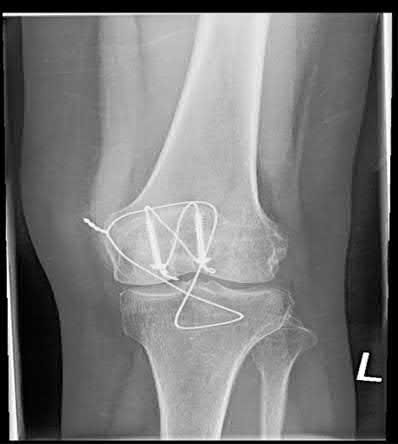
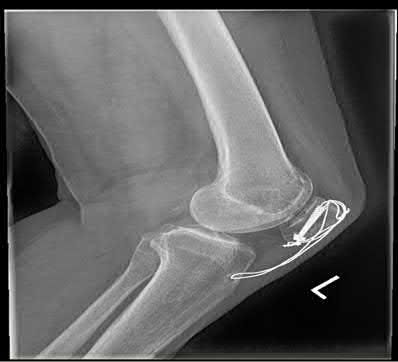
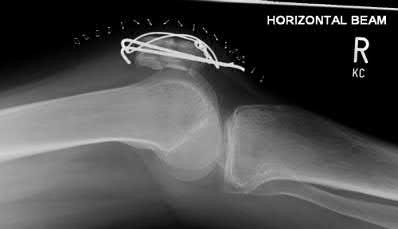
The main advantage of multicenter studies in analyzing total hip arthroplasty is:
of 100
Figure 41 is the radiograph of a 13-year-old gymnast who has a 6-month history of wrist pain. She has a 20% loss of motion, and she especially experiences pain with forced dorsiflexion. The most likely cause of her pain is
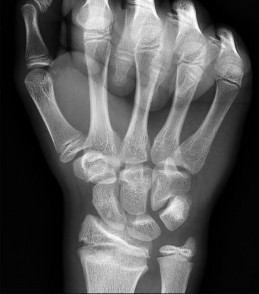
Figure 41 is the radiograph of a 13-year-old gymnast who has a 6-month history of wrist pain. She has a 20% loss of motion, and she especially experiences pain with forced dorsiflexion. The most likely cause of her pain is
Which of the following best describes athletic pubalgia?
of 100
If the patient chooses nonsurgical treatment, which functional loss should he anticipate?
If the patient chooses nonsurgical treatment, which functional loss should he anticipate?
All of the following suggest a possibility of malignant transformation in multiple hereditary exostoses except:
A 9-month-old boy fell down three steps onto his elbow. Immediate swelling was noted and he was taken to the emergency department. Radiographs are shown in Figures 60a through 60c. Treatment should consist of

of 100
What is the most likely diagnosis?
What is the most likely diagnosis?
What anatomiCfactor has been identified as placing a patient at an increased risk for re-tearing a rotator cuff after repair:
Aneurysmal bone cyst of the spine is most likely in this age group:
Osteoprotegerin (OPG) has which of the following functions or effects:
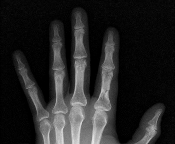
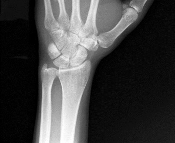
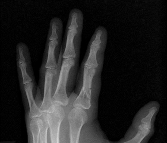
Figures 1 through 3 show the radiographs obtained from a 40-year-old woman who injured her right index finger in a bicycle collision. Failure to restore sagittal plane alignment would likely result in
of 100
A diskectomy is performed in which the disk space is not aggressively debrided. When compared to techniques that involve aggressive debridement of the disk space, this results in
A diskectomy is performed in which the disk space is not aggressively debrided. When compared to techniques that involve aggressive debridement of the disk space, this results in
Six hours after sustaining a painful traumatic subungual hematoma involving
2. the entire nail head, a 22-year-old woman undergoes decompression of the
3. hematoma. Management should now include
4. 1- reexamination in 24 to 48 hours.
5. 2- IV antibiotics and a dorsal splint.
6. 3- nail removal and nail bed repair.
7. 4- nail removal and marsupialization of the nail bed.
8. 5- oral antibiotics, a narcotic analgesic, and a dorsal splint.
2. the entire nail head, a 22-year-old woman undergoes decompression of the
3. hematoma. Management should now include
4. 1- reexamination in 24 to 48 hours.
5. 2- IV antibiotics and a dorsal splint.
6. 3- nail removal and nail bed repair.
7. 4- nail removal and marsupialization of the nail bed.
8. 5- oral antibiotics, a narcotic analgesic, and a dorsal splint.
Which of the following terms describe a rehabilitative exercise in which the foot is mobile and the motion of the knee is independent of hip and ankle motion?
Figure 1
A 35-year-old man has experienced ankle pain for 7 years. It is associated with giving way and progressive deformity of the foot. He notices that the foot is rolling inward and is becoming flatter. The cause of his condition is:
A 35-year-old man has experienced ankle pain for 7 years. It is associated with giving way and progressive deformity of the foot. He notices that the foot is rolling inward and is becoming flatter. The cause of his condition is:
of 100
The bony abnormalities in this condition occur mostly in the
The bony abnormalities in this condition occur mostly in the
of 100
Figures 71a and 71b are the radiographs of a 65-year-old right-hand-dominant woman who sustained a Mason type III radial head fracture 3 years ago. She was treated with radial head replacement, but she never regained normal function and now has pain. What do the radiographs reveal?
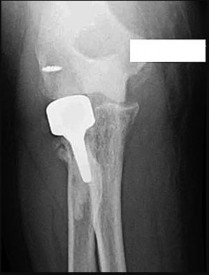
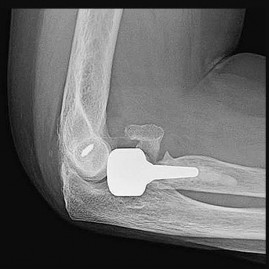
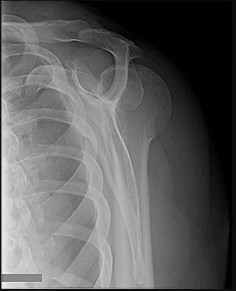
Figures 71a and 71b are the radiographs of a 65-year-old right-hand-dominant woman who sustained a Mason type III radial head fracture 3 years ago. She was treated with radial head replacement, but she never regained normal function and now has pain. What do the radiographs reveal?
Which of the following is true regarding plating of humeral shaft fractures compared to intramedullary nailing?
of 100
A 56-year-old man has upper thoracic pain after undergoing stereotactic radiosurgery for a blastic metastatic lesion in the vertebral body of T5. He has normal alignment without collapse, but the tumor involves the entire vertebral body. Which factor increases this patient's risk for a pathologic fracture?
A 56-year-old man has upper thoracic pain after undergoing stereotactic radiosurgery for a blastic metastatic lesion in the vertebral body of T5. He has normal alignment without collapse, but the tumor involves the entire vertebral body. Which factor increases this patient's risk for a pathologic fracture?
What is the 5-year overall survival rate for adults with high-grade soft-tissue sarcomas?
Aneurysmal bone cyst of the spine is most likely in this age group:
of 100 A healthy 65-year-old woman undergoes anatomic total shoulder arthroplasty to address osteoarthritis (OA). The surgery is uncomplicated. What is the most common indication for future revision?
of 100
The condition shown in Figures 64a through 64d is overrepresented among craniosynostosis syndromes with mutations in
The condition shown in Figures 64a through 64d is overrepresented among craniosynostosis syndromes with mutations in
of 100
Figures 1 and 2 are the radiographs of a 21-year-old man who has a long history of thoracic back pain. His lumbar spine is asymptomatic. He has failed prolonged nonsurgical treatment. Surgical correction should consist of

Figures 1 and 2 are the radiographs of a 21-year-old man who has a long history of thoracic back pain. His lumbar spine is asymptomatic. He has failed prolonged nonsurgical treatment. Surgical correction should consist of
Which of the following properties is false concerning articular cartilage:
of 100
What would be the advantage of surgery for the patient described in this scenario?
What would be the advantage of surgery for the patient described in this scenario?
Which of the following statements is true of demineralized bone matrix:
Figure 38 shows the radiograph of a 16-year-old wrestler who injured his elbow when he was thrown to the mat by his opponent. To minimize additional trauma to the medial soft tissues, the elbow should be reduced in
of 100
A 70-year-old woman with a 4-part proximal humerus fracture dislocation and history of failed rotator cuff repair
A 70-year-old woman with a 4-part proximal humerus fracture dislocation and history of failed rotator cuff repair
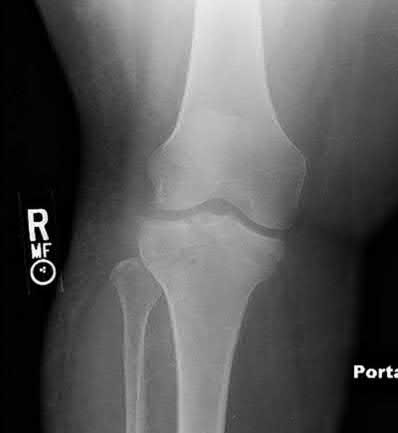
A 25-year-old woman has lower leg pain during exercise without numbness, tingling, or weakness. The symptoms resolve within 45 minutes of exercise cessation. Compartment pressure measurements obtained 1 minute after exercise are shown in Figure
The best index to measure acetabular deficiency in the coronal plane is:
of 100
Initial treatment for this condition should include
Initial treatment for this condition should include
A 10-year-old boy has had intermittent pain in his right groin and proximal
2. thigh for the past 6 months. Figures 6a and 6b show plain radiographs of the hip.
3. Figure 6c shows an axial proton density MRI scan through the lesion, and
4. Figure 6d shows representative tissue biopsy specimens at low power. What is
5. the most likely diagnosis?
6. 1- Chondroblastoma
7. 2- Ewing's sarcoma
8. 3- Giant cell tumor
9. 4- Simple bone cyst
10. 5- Aneurysmal bone cyst
2. thigh for the past 6 months. Figures 6a and 6b show plain radiographs of the hip.
3. Figure 6c shows an axial proton density MRI scan through the lesion, and
4. Figure 6d shows representative tissue biopsy specimens at low power. What is
5. the most likely diagnosis?
6. 1- Chondroblastoma
7. 2- Ewing's sarcoma
8. 3- Giant cell tumor
9. 4- Simple bone cyst
10. 5- Aneurysmal bone cyst
Which of the following can be seen in the heart of a well-conditioned athlete?
A 42-year-old patient has had painful inferior subluxation of the glenohumeral joint following a recent cerebrovascular accident (CVA). Figure 34 shows the AP radiograph of the shoulder. Management should consist of**
-Figures 73a through 73c are the MRI scans and biopsy specimen of a 37-year-old patient who has had a slowly enlarging right foot mass for 6 months. Medical and trauma histories are unremarkable.Examination reveals a firm mass with no substantial tenderness. What genetic defect most commonly is associated with this tumor?
Smoking has been associated with lower fusion rates in both cervical and lumbar fusion. Which of the following statements best describes an explanation for these findings?
A 65-year-old right–hand-dominant woman has been experiencing thenar and wrist pain for 18 months. She has no history of trauma. The pain worsens during the opening of jars, grasping, writing, and repetitive thumb use. Examination reveals tenderness to palpation over the volar thenar eminence, just distal to the scaphoid tubercle, and along the flexor carpi radialis sheath. A Watson scaphoid shift test produces pain but no instability or clunk. Radiographs reveal isolated scaphotrapeziotrapezoidal (STT) arthritis with mild dorsal intercalated segment instability (DISI) deformity. She has worn a splint on and off for the past year, has had multiple cortisone injections, and has modified her activity, all of which helped initially. She wants to move forward with surgical intervention. STT arthrodesis is chosen over distal pole scaphoid excision. What factor in her evaluation indicates that arthrodesis would be preferred over distal pole excision?
Which of the following is not true for infections caused by Mycobacterium marinum:
The risk of nerve injury following revision total hip arthroplasty (THA) is approximately:
of 100
Figure 80a
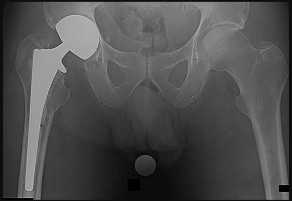
Figure 80a
A middle-aged man sustains traumatic loss of the second, third, and fourth toes in a lawnmower accident.The wound is grossly contaminated with soil. Penicillin is added to his antibiotic regimen for coverage of what bacteria?
When compared with a conventional ultra-high molecular weight polyethylene (UHMWPE) -bearing surface in total hip arthroplasty, a highly cross-linked polyethylene (XLPE) -bearing surface is associated with
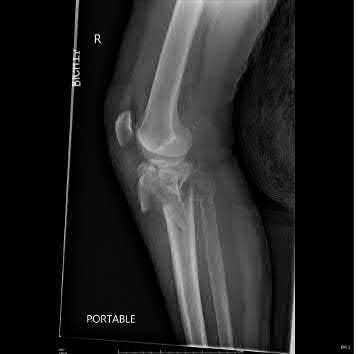
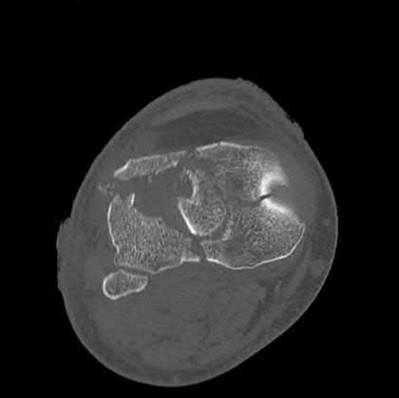
A 44-year-old female sustains the injury shown in Figures A and B as the result of a motor vehicle collision. She undergoes immediate four compartment leg fasciotomy and placement of a spanning external fixator. A post-fixator CT scan image is shown in Figure C. After allowing her soft tissues to improve, the optimal definitive stabilization of this fracture is which of the following?
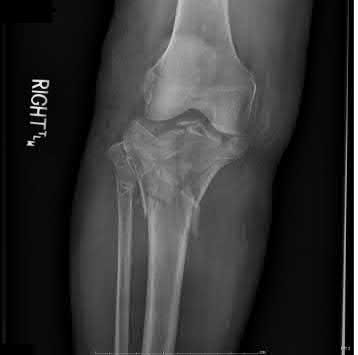
Which of the following is the reported incidence of nerve injuries following total shoulder arthroplasty:
The sublime tubercle of the elbow serves as the insertion site of the

Keywords