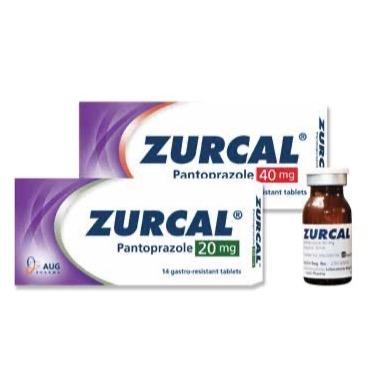
Zurcal: A Comprehensive Medical SEO Guide for Patients and Professionals
Welcome to the definitive guide on Zurcal, a medication designed to address a spectrum of inflammatory and pain-related conditions. As experts in medical SEO and orthopedic care, we understand the critical need for accurate, accessible, and exhaustive information regarding your prescribed medications. This guide is meticulously crafted to provide healthcare professionals with in-depth technical specifications and clinical insights, while simultaneously offering patients clear, understandable explanations of Zurcal's role in their treatment journey.
Zurcal (generic name: Celecoxibate Sodium) is a cutting-edge pharmaceutical agent primarily recognized for its potent anti-inflammatory and analgesic properties. Developed with a focus on improving patient outcomes, Zurcal represents a significant advancement in managing conditions that cause pain and inflammation, particularly those affecting the musculoskeletal system. This document will delve into every facet of Zurcal, from its molecular mechanism of action to practical dosage guidelines, potential interactions, and critical safety information.
Deep-Dive into Technical Specifications & Mechanisms
Understanding how Zurcal works at a molecular level is crucial for appreciating its therapeutic benefits and managing its profile.
Mechanism of Action: Selective Cyclooxygenase-2 Inhibition
Zurcal exerts its therapeutic effects primarily through highly selective inhibition of the cyclooxygenase-2 (COX-2) enzyme. To fully grasp this, it's important to differentiate between the two main isoforms of cyclooxygenase:
- Cyclooxygenase-1 (COX-1): This enzyme is constitutively expressed in most tissues and plays a vital role in maintaining normal physiological functions. It is responsible for producing prostaglandins that protect the stomach lining, maintain renal blood flow, and support platelet aggregation.
- Cyclooxygenase-2 (COX-2): This enzyme is generally inducible, meaning its expression is significantly upregulated in response to inflammatory stimuli, cytokines, and growth factors. COX-2 is primarily responsible for the production of prostaglandins that mediate pain, inflammation, and fever at sites of injury or disease.
Zurcal's high selectivity for COX-2 means it targets the inflammatory pathway while largely sparing the COX-1 pathway. This selective inhibition leads to reduced synthesis of pro-inflammatory prostaglandins, thereby mitigating pain, inflammation, and fever. The advantage of COX-2 selectivity is a potentially improved gastrointestinal safety profile compared to non-selective non-steroidal anti-inflammatory drugs (NSAIDs), which inhibit both COX-1 and COX-2, often leading to gastric irritation, ulcers, and bleeding.
Pharmacokinetics: Absorption, Distribution, Metabolism, and Excretion
The journey of Zurcal within the body dictates its onset, duration of action, and potential for interactions.
Absorption
- Oral Bioavailability: Zurcal is well absorbed following oral administration. Its bioavailability typically ranges from 80-90%.
- Peak Plasma Concentration (Tmax): Peak plasma concentrations are generally achieved within 2-4 hours after administration of an oral dose.
- Effect of Food: Administration with food, particularly high-fat meals, can delay Tmax but often increases the overall extent of absorption (AUC), suggesting improved systemic exposure. It is generally recommended to take Zurcal with food to minimize potential GI upset.
Distribution
- Protein Binding: Zurcal is highly bound to plasma proteins, predominantly albumin, with binding exceeding 95%. This high protein binding implies a relatively small volume of distribution and potential for displacement interactions with other highly protein-bound drugs.
- Volume of Distribution (Vd): The apparent volume of distribution is relatively small, consistent with its high protein binding.
Metabolism
- Primary Pathway: Zurcal undergoes extensive hepatic metabolism, primarily via the cytochrome P450 2C9 (CYP2C9) enzyme system.
- Metabolites: The main metabolites are inactive and do not contribute significantly to the pharmacological activity.
- Genetic Polymorphism: Individuals with genetic polymorphisms leading to reduced CYP2C9 activity (e.g., poor metabolizers) may exhibit higher plasma concentrations of Zurcal, necessitating dosage adjustments.
Excretion
- Elimination Route: Zurcal is primarily eliminated via the kidneys and feces, with metabolites accounting for the majority of excretion. Less than 1% of the dose is excreted unchanged in the urine.
- Half-Life (t1/2): The elimination half-life of Zurcal is typically around 8-12 hours, supporting twice-daily dosing for sustained therapeutic effect.
- Special Populations:
- Renal Impairment: While renal excretion of unchanged drug is minimal, severe renal impairment can affect the excretion of metabolites. Dose adjustments may be necessary in severe cases.
- Hepatic Impairment: As Zurcal is extensively metabolized by the liver, moderate to severe hepatic impairment can significantly alter its pharmacokinetics, leading to increased plasma concentrations. Dose reduction is often recommended in these patients.
Extensive Clinical Indications & Usage
Zurcal is indicated for the symptomatic treatment of a variety of conditions where pain and inflammation are prominent features. Its selective COX-2 inhibition makes it a valuable option for chronic management.
Detailed Indications
Zurcal is approved for the treatment of the following conditions:
- Osteoarthritis (OA): For the relief of signs and symptoms of osteoarthritis in adults.
- Rheumatoid Arthritis (RA): For the relief of signs and symptoms of rheumatoid arthritis in adults.
- Ankylosing Spondylitis (AS): For the relief of signs and symptoms of ankylosing spondylitis in adults.
- Acute Pain: For the management of acute pain in adults, including musculoskeletal pain, dysmenorrhea, and post-operative pain.
- Primary Dysmenorrhea: For the treatment of primary dysmenorrhea.
- Juvenile Rheumatoid Arthritis (JRA): In certain formulations and dosages, Zurcal may be indicated for the relief of signs and symptoms of JRA in pediatric patients 2 years and older. (Refer to specific product labeling).
Dosage Guidelines
Dosage of Zurcal should be individualized based on patient response and tolerability, using the lowest effective dose for the shortest possible duration.
| Indication | Recommended Adult Dosage | Maximum Daily Dose | Administration Notes |
|---|---|---|---|
| Osteoarthritis | 200 mg once daily OR 100 mg twice daily | 200 mg | Take with food. |
| Rheumatoid Arthritis | 100 mg or 200 mg twice daily | 400 mg | Take with food. |
| Ankylosing Spondylitis | 200 mg once daily OR 100 mg twice daily | 400 mg | Take with food. |
| Acute Pain | 400 mg initially, followed by 200 mg if needed on day 1; then 200 mg twice daily | 400 mg | Take with food. |
| Primary Dysmenorrhea | 400 mg initially, followed by 200 mg if needed on day 1; then 200 mg twice daily | 400 mg | Take with food. |
Dosage Adjustments for Special Populations:
- Elderly Patients (>65 years): Generally, no specific dose adjustment is required, but caution is advised due to increased risk of adverse events. Start with the lowest effective dose.
- Hepatic Impairment:
- Mild Impairment: No dose adjustment needed.
- Moderate Impairment (Child-Pugh Class B): Reduce dose by 50%.
- Severe Impairment (Child-Pugh Class C): Contraindicated.
- Renal Impairment:
- Mild to Moderate Impairment: No dose adjustment needed.
- Severe Impairment (CrCl <30 mL/min): Use with caution; consider dose reduction.
- CYP2C9 Poor Metabolizers: For patients known to be CYP2C9 poor metabolizers, a reduction in the initial dose by 50% is recommended.
Risks, Side Effects, and Contraindications
While Zurcal offers significant therapeutic benefits, it is crucial to be aware of its potential risks, side effects, and situations where its use is not advised.
Contraindications
Zurcal is contraindicated in patients with:
- Known hypersensitivity to Zurcal, sulfonamides, or any component of the formulation.
- History of asthma, urticaria, or other allergic-type reactions after taking aspirin or other NSAIDs. Severe, sometimes fatal, anaphylactic-like reactions to NSAIDs have been reported.
- History of coronary artery bypass graft (CABG) surgery: Zurcal is contraindicated for the treatment of peri-operative pain in the setting of CABG surgery.
- Active gastrointestinal bleeding or peptic ulcer disease.
- Severe hepatic impairment (Child-Pugh Class C).
- Severe renal impairment (CrCl <30 mL/min) without close monitoring.
- Advanced heart failure.
Warnings and Precautions
- Cardiovascular Thrombotic Events: NSAIDs, including Zurcal, may cause an increased risk of serious cardiovascular thrombotic events, myocardial infarction, and stroke, which can be fatal. This risk may increase with duration of use and in patients with pre-existing cardiovascular disease or risk factors.
- Gastrointestinal Effects: Although Zurcal is designed to have a better GI safety profile, serious GI events such as bleeding, ulceration, and perforation of the stomach or intestines can occur at any time, with or without warning symptoms, and can be fatal.
- Renal Effects: NSAID use may result in new onset of hypertension or worsening of pre-existing hypertension, which may contribute to an increased incidence of cardiovascular events. NSAIDs can also cause dose-dependent renal toxicity, including interstitial nephritis, papillary necrosis, and acute renal failure.
- Hepatic Effects: Elevations of liver enzymes have been reported. Severe hepatic reactions, including fulminant hepatitis, liver necrosis, and hepatic failure, have occurred rarely.
- Hypersensitivity Reactions: Anaphylactoid reactions and serious skin reactions (e.g., exfoliative dermatitis, Stevens-Johnson syndrome, toxic epidermal necrolysis) can occur. Discontinue Zurcal at the first appearance of skin rash or any other sign of hypersensitivity.
- Fluid Retention and Edema: Caution should be exercised in patients with fluid retention, hypertension, or heart failure.
Common Side Effects
The most frequently reported side effects (occurring in >2% of patients) include:
- Headache
- Dizziness
- Nausea, dyspepsia, abdominal pain, diarrhea
- Peripheral edema
- Insomnia
- Pharyngitis, rhinitis, sinusitis
- Upper respiratory tract infection
- Rash
Serious Side Effects (Require immediate medical attention)
- Chest pain, shortness of breath, sudden weakness or numbness on one side of the body (signs of heart attack or stroke)
- Severe stomach pain, black or tarry stools, vomiting blood (signs of GI bleeding)
- Swelling of the face, lips, tongue, or throat; difficulty breathing (signs of severe allergic reaction)
- Yellowing of the skin or eyes, dark urine, severe nausea/vomiting (signs of liver problems)
- Decreased urination, swelling in the legs/ankles (signs of kidney problems)
- Severe skin rash, blistering, peeling skin (signs of severe skin reaction)
Drug Interactions
Zurcal can interact with several medications, potentially altering their effects or increasing the risk of adverse reactions.
| Interacting Drug/Class | Interaction Mechanism | Anticoagulants (e.g., Warfarin) | Zurcal may enhance the effect of oral anticoagulants, leading to an increased risk of bleeding. Monitor INR/PT and adjust anticoagulant dose. |
| Antiplatelet Agents (e.g., Aspirin) | Concomitant use with Zurcal increases the risk of GI bleeding. Avoid concurrent use with aspirin for anti-inflammatory purposes. Low-dose aspirin for cardioprotection should be used with caution. |
| ACE Inhibitors/ARBs | NSAIDs can diminish the antihypertensive effect of ACE inhibitors and ARBs. Co-administration may also increase the risk of renal impairment, especially in elderly or volume-depleted patients.