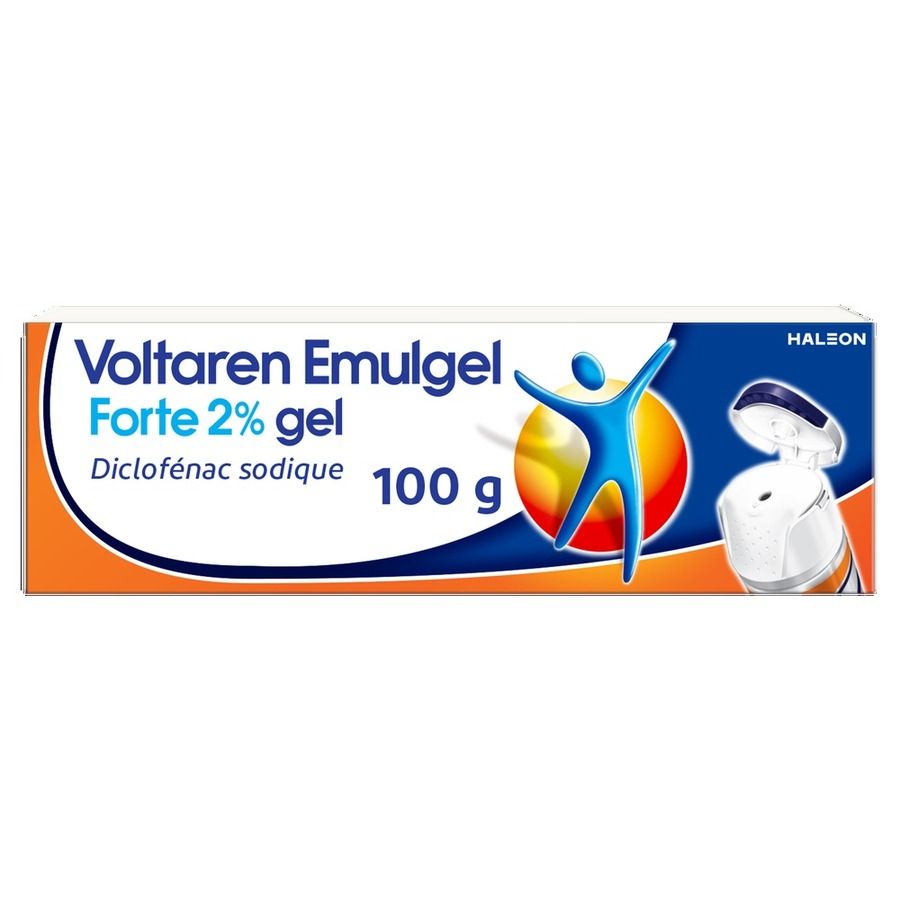
Voltaren Forte Emulgel: Your Comprehensive Guide to Targeted Pain Relief
As an expert in orthopedic health and medical SEO, we understand the critical need for accurate, in-depth information regarding effective pain management solutions. Voltaren Forte Emulgel stands out as a leading topical non-steroidal anti-inflammatory drug (NSAID) designed for localized pain and inflammation relief. This exhaustive guide will delve into every aspect of Voltaren Forte Emulgel, providing you with an authoritative resource for understanding its science, application, and safety profile.
1. Introduction & Overview of Voltaren Forte Emulgel
Voltaren Forte Emulgel is a specialized topical medication formulated to deliver targeted relief from pain and inflammation in muscles, joints, and soft tissues. Its active ingredient, diclofenac diethylamine, is a potent NSAID known for its anti-inflammatory and analgesic properties. What sets Voltaren Forte Emulgel apart is its innovative "Emulgel" technology, which combines the properties of an emulsion and a gel. This unique formulation allows for enhanced penetration of diclofenac through the skin, delivering the active substance directly to the site of pain and inflammation, while minimizing systemic absorption.
This targeted approach means that patients can achieve effective pain relief with a lower risk of systemic side effects typically associated with oral NSAIDs. It is a preferred choice for conditions such as osteoarthritis, acute sprains, strains, and various musculoskeletal injuries, where localized action is paramount.
What is Diclofenac Diethylamine?
Diclofenac is a well-established NSAID that works by inhibiting the production of prostaglandins, chemical mediators responsible for pain, inflammation, and fever. In the Emulgel form, diclofenac diethylamine is a salt formulation that optimizes its solubility and penetration through the skin barrier, ensuring efficient delivery to underlying tissues.
2. Deep-Dive into Technical Specifications & Mechanisms
Understanding how a medication works is crucial for appreciating its efficacy and safety. Voltaren Forte Emulgel's mechanism of action and pharmacokinetic profile are key to its targeted pain relief.
2.1. Mechanism of Action
Diclofenac, the active pharmaceutical ingredient in Voltaren Forte Emulgel, exerts its therapeutic effects primarily through the inhibition of cyclooxygenase (COX) enzymes. There are two main isoforms of COX:
- COX-1: Primarily involved in maintaining normal physiological functions, such as protecting the gastric mucosa, regulating renal blood flow, and platelet aggregation.
- COX-2: Inducible enzyme largely responsible for the production of prostaglandins at sites of inflammation and pain.
Diclofenac is a non-selective COX inhibitor, meaning it inhibits both COX-1 and COX-2. However, its preferential inhibition of COX-2 is often noted, which contributes to its anti-inflammatory effects by reducing the synthesis of pro-inflammatory prostaglandins (e.g., PGE2).
When applied topically, diclofenac penetrates the skin and accumulates in the underlying tissues (e.g., muscles, synovial fluid in joints). Here, it reduces the local production of prostaglandins, leading to:
- Analgesic effect: Reduction in pain sensation.
- Anti-inflammatory effect: Reduction in swelling, redness, and heat associated with inflammation.
The Emulgel formulation facilitates this process by creating a reservoir of diclofenac in the stratum corneum (outermost layer of the skin), allowing for sustained release and prolonged local action.
2.2. Pharmacokinetics
The pharmacokinetic profile of Voltaren Forte Emulgel is optimized for local action with minimal systemic exposure.
-
Absorption:
- Skin Penetration: The Emulgel formulation significantly enhances the percutaneous absorption of diclofenac. The diethylamine salt of diclofenac, combined with the Emulgel base, allows the drug to pass efficiently through the stratum corneum and into the deeper dermal and subcutaneous tissues.
- Reservoir Effect: After topical application, diclofenac forms a reservoir in the skin. This allows for a sustained release of the active ingredient into the underlying inflamed tissues, providing prolonged therapeutic concentrations at the site of pain.
- Systemic Absorption: While some systemic absorption does occur, it is significantly lower (typically <5%) compared to oral diclofenac administration. This minimal systemic exposure is a key advantage, reducing the risk of systemic side effects.
-
Distribution:
- Once absorbed, diclofenac is distributed primarily to the inflamed tissues, such as muscles, tendons, and synovial fluid, where it exerts its therapeutic effects.
- Plasma protein binding is high (approximately 99.7%), similar to oral diclofenac.
-
Metabolism & Excretion:
- Systemically absorbed diclofenac is primarily metabolized in the liver via glucuronidation and hydroxylation, similar to oral diclofenac.
- Metabolites are primarily excreted in the urine and bile. Due to the low systemic absorption, the metabolic load on the liver and kidneys is minimal compared to oral administration.
This pharmacokinetic profile underscores why Voltaren Forte Emulgel is an excellent choice for localized musculoskeletal pain – it delivers effective concentrations where needed, with a favorable safety profile.
3. Extensive Clinical Indications & Usage
Voltaren Forte Emulgel is indicated for the local treatment of pain and inflammation in a variety of musculoskeletal conditions. Its targeted action makes it suitable for both acute injuries and chronic degenerative conditions.
3.1. Detailed Indications
Voltaren Forte Emulgel is specifically formulated for:
- Acute Musculoskeletal Injuries:
- Sprains: Injuries to ligaments (e.g., ankle sprain, wrist sprain).
- Strains: Injuries to muscles or tendons (e.g., hamstring strain, back strain).
- Contusions (Bruises): Resulting from direct trauma.
- Sports Injuries: Minor trauma to soft tissues.
- Localized Rheumatic Conditions:
- Osteoarthritis: Especially in superficial joints such as the knees, hands, and elbows. It helps to alleviate pain and improve joint function.
- Tendinitis: Inflammation of a tendon (e.g., "tennis elbow" or lateral epicondylitis, Achilles tendinitis, rotator cuff tendinitis).
- Bursitis: Inflammation of a bursa (fluid-filled sac that cushions joints, e.g., shoulder or knee bursitis).
- Periarthropathy: Inflammation around a joint.
3.2. Dosage Guidelines & Application
Correct application is crucial for maximizing efficacy and minimizing potential side effects.
General Application Instructions:
- Preparation: Ensure the skin area is clean and dry before application.
- Amount: Apply a small amount of Emulgel (typically 2-4 grams, equivalent to the size of a cherry or walnut, depending on the size of the affected area).
- Application: Gently rub the Emulgel into the affected skin area. The Emulgel should be rubbed in slowly until it vanishes into the skin.
- Frequency: Apply 2 times a day (preferably morning and evening) to the painful area. Voltaren Forte Emulgel's higher concentration (2.32%) allows for twice-daily application compared to standard Voltaren Emulgel (1.16%) which is typically applied 3-4 times daily, offering convenience for users.
- Hygiene: Wash hands thoroughly after application, unless the hands are the area being treated.
- Avoidance: Do not cover the treated area with occlusive dressings (airtight bandages) as this may increase systemic absorption. Non-occlusive dressings may be used. Avoid contact with eyes and mucous membranes. Do not apply to open wounds, infected skin, or skin affected by eczema.
Duration of Treatment:
- Acute Injuries (e.g., sprains, strains): Treatment should generally not exceed 7 days. If pain and swelling do not improve within 7 days, or worsen, consult a doctor.
- Osteoarthritis: Treatment duration can be longer, typically up to 21 days for pain relief. For prolonged use (beyond 21 days), medical advice is essential.
Special Populations:
- Elderly: No special dosage adjustments are typically required, but caution is advised as older individuals may be more susceptible to adverse reactions.
- Children and Adolescents (under 14 years): Voltaren Forte Emulgel is generally not recommended for use in this age group due to insufficient data on safety and efficacy.
Table of Common Indications and Application Specifics
| Indication | Recommended Application Area | Frequency | Duration | Key Considerations |
|---|---|---|---|---|
| Acute Sprains/Strains | Ankle, wrist, knee, shoulder, back, neck | 2 times daily | Up to 7 days; consult doctor if no improvement or worsening | Apply promptly after injury. Avoid strenuous activity. |
| Tendinitis (e.g., Tennis Elbow) | Elbow, shoulder, Achilles tendon, wrist | 2 times daily | Up to 7-14 days; consider doctor if chronic or unresponsive | Combine with rest and appropriate exercises. |
| Bursitis | Shoulder, knee (prepatellar, olecranon) | 2 times daily | Up to 7-14 days; consult doctor for persistent inflammation | Avoid direct pressure on the inflamed bursa. |
| Osteoarthritis (Superficial Joints) | Knees, hands, elbows | 2 times daily | Up to 21 days (or as directed by physician for longer periods) | Consistent application is key for chronic pain management. May be used as adjunct therapy. |
| Contusions (Bruises) | Any affected area of the body (intact skin only) | 2 times daily | Up to 7 days | Do not apply to broken skin. |
4. Risks, Side Effects, and Contraindications
While Voltaren Forte Emulgel offers a favorable safety profile due to its localized action, it is essential to be aware of potential risks, side effects, and situations where its use is contraindicated.
4.1. Contraindications
Voltaren Forte Emulgel should NOT be used in the following circumstances:
- Hypersensitivity: Known allergy to diclofenac, aspirin, other NSAIDs, or any of the excipients in the Emulgel.
- Asthma/Allergic Reactions: Patients who have experienced asthma attacks, urticaria (hives), or acute rhinitis (runny nose) after taking aspirin or other NSAIDs.
- Third Trimester of Pregnancy: As with all NSAIDs, use during the third trimester carries significant risks to the fetus (e.g., premature closure of the ductus arteriosus, renal dysfunction).
- Broken or Damaged Skin: Do not apply to open wounds, infected skin, skin lesions, or areas affected by eczema.
- Children and Adolescents: Under 14 years of age, due to insufficient experience.
4.2. Warnings and Precautions
- Systemic Side Effects: Although rare with topical application, the possibility of systemic side effects cannot be entirely excluded, especially if applied to a large skin surface area, for prolonged periods, or with occlusive dressings.
- Sunlight Exposure: Patients should be advised to protect treated skin areas from direct sunlight and artificial UV light (e.g., sunbeds) to minimize the risk of photosensitivity reactions.
- Pre-existing Conditions: Use with caution in patients with a history of gastrointestinal ulcers, bleeding diathesis, or severe renal/hepatic impairment, although the risk is significantly lower than with oral NSAIDs.
- Asthma: Patients with asthma, hay fever, or chronic obstructive pulmonary disease may be more prone to NSAID-induced asthma attacks.
- Cardiac Events: While extremely rare with topical diclofenac, systemic NSAIDs can be associated with an increased risk of serious cardiovascular thrombotic events.
- Eye and Mucous Membrane Contact: Avoid contact with eyes and mucous membranes. If accidental contact occurs, rinse thoroughly with water.
4.3. Side Effects
Most side effects associated with Voltaren Forte Emulgel are mild and localized.
Common (≥1/100 to <1/10):
- Local Skin Reactions: Rash, pruritus (itching), erythema (redness), eczema, dermatitis (including contact dermatitis), dry skin, scaling.
Rare (≥1/10,000 to <1/1,000):
- Bullous Dermatitis: Skin blistering.
- Photosensitivity Reactions: Skin reactions after exposure to sunlight.
Very Rare (<1/10,000):
- Systemic Reactions: Pustular rash, hypersensitivity reactions (including urticaria), angioedema (swelling of face, lips, tongue, throat), asthma.
- Gastrointestinal Disturbances: Very rarely, if systemic absorption is higher than expected, mild gastrointestinal symptoms may occur.
- Renal Impairment: Extremely rare, but systemic NSAIDs can affect kidney function.
In case of any severe or persistent side effects, discontinue use and consult a healthcare professional.
4.4. Drug Interactions
Due to the low systemic absorption of diclofenac from topical application, the likelihood of clinically significant drug interactions is very low compared to oral NSAIDs. However, caution is still advised:
- Oral NSAIDs: Concomitant use with oral NSAIDs should be avoided due to a potential increase in systemic side effects.
- Anticoagulants (e.g., Warfarin): While systemic absorption is minimal, there is a theoretical risk of interaction, especially if applied over large areas or for prolonged periods. Patients on anticoagulants should consult their doctor before use.
- Diuretics and Antihypertensives: NSAIDs can reduce the efficacy of these medications.
- Methotrexate: NSAIDs can increase methotrexate plasma levels.
Always inform your doctor or pharmacist about all other medications you are taking, including over-the-counter drugs and herbal supplements.
4.5. Pregnancy and Lactation Warnings
- Pregnancy:
- First and Second Trimester: Use with caution and only if clearly necessary, after consulting a doctor, and at the lowest effective dose for the shortest possible duration. Animal studies have shown potential risks.
- Third Trimester: Contraindicated. All NSAIDs, including topical diclofenac, can cause premature closure of the fetal ductus arteriosus and potential renal dysfunction in the fetus, leading to oligohydramnios (low amniotic fluid). They may also inhibit uterine contractions, delaying labor, and increase the risk of bleeding in both mother and fetus.
- Lactation (Breastfeeding):
- Diclofenac is excreted into breast milk in small amounts after oral administration. While systemic absorption from topical application is minimal, caution is advised. Consult a doctor before using Voltaren Forte Emulgel during breastfeeding. If used, avoid applying it to the breasts or over large skin areas.
4.6. Overdose Management
Topical overdose with Voltaren Forte Emulgel is highly unlikely to lead to systemic toxicity due to the very low systemic absorption.
- Accidental Ingestion: In the event of accidental ingestion, which could lead to systemic side effects similar to those seen with oral diclofenac (e.g., gastrointestinal disturbances, headache, kidney problems), supportive symptomatic treatment should be initiated. There is no specific antidote.
- Excessive Topical Application: If an excessively large amount is applied, it can be wiped off.
- General Management: In case of suspected overdose or adverse reactions, seek medical attention immediately.
5. Massive FAQ Section
Here are answers to some of the most frequently asked questions about Voltaren Forte Emulgel:
Q1: What is the main difference between Voltaren Forte Emulgel and regular Voltaren Emulgel?
A1: Voltaren Forte Emulgel contains a higher concentration of diclofenac diethylamine (2.32%) compared to regular Voltaren Emulgel (1.16%). This higher concentration allows for effective pain relief with only twice-daily application, offering extended pain relief and convenience, whereas the regular strength typically requires 3-4 applications per day.
Q2: How quickly does Voltaren Forte Emulgel start to work?
A2: Many users report feeling relief within 30 minutes to an hour after application. For conditions like osteoarthritis, consistent application over several days may be needed to achieve optimal pain reduction and improved function.
Q3: Can I use Voltaren Forte Emulgel for back pain?
A3: Yes, Voltaren Forte Emulgel can be effective for localized back pain, especially if it's due to muscle strains, sprains, or soft tissue injuries. It's less effective for deep-seated back pain originating from spinal issues. Always consult a doctor if your back pain is severe, persistent, or accompanied by other symptoms.
Q4: Is Voltaren Forte Emulgel sticky or greasy?
A4: The Emulgel formulation is designed to be non-greasy and non-sticky. It penetrates the skin quickly and dries without leaving a noticeable residue, making it comfortable for daily use.
Q5: Can I apply Voltaren Forte Emulgel before or after exercise?
A5: You can apply it before exercise to help manage pain and inflammation in affected areas, potentially improving comfort during activity. Applying it after exercise can help reduce post-exercise soreness and inflammation from minor strains or sprains. Ensure the skin is clean and dry before application.
Q6: Can I use Voltaren Forte Emulgel with a heat pack or ice pack?
A6: You can use Voltaren Forte Emulgel in conjunction with temperature therapy. Apply the Emulgel and allow it to absorb fully before applying a heat or ice pack. Avoid applying heat immediately after application, as it might increase systemic absorption.
Q7: What should I do if I miss a dose?
A7: If you miss a dose, apply it as soon as you remember. If it's almost time for your next scheduled dose, skip the missed dose and continue with your regular application schedule. Do not apply a double amount to make up for a missed dose.
Q8: How should I store Voltaren Forte Emulgel?
A8: Store Voltaren Forte Emulgel at room temperature (below 30°C), away from direct heat and light. Keep the tube tightly closed and out of reach of children. Do not freeze.
Q9: Can I use Voltaren Forte Emulgel on my face or sensitive skin areas?
A9: It is generally not recommended to use Voltaren Forte Emulgel on the face, eyes, or mucous membranes due to the risk of irritation. For sensitive skin areas, always perform a patch test on a small area first to check for any adverse reactions.
Q10: What if I don't see improvement after using it for a few days?
A10: If your pain and swelling do not improve within 7 days of using Voltaren Forte Emulgel for acute injuries, or if symptoms worsen, you should stop using it and consult your doctor or pharmacist. For osteoarthritis, if there's no improvement after 21 days, medical advice is also necessary.
Q11: Can I use Voltaren Forte Emulgel if I am allergic to aspirin?
A11: No, if you have a known allergy to aspirin or other NSAIDs (which can cause asthma attacks, hives, or runny nose), you should not use Voltaren Forte Emulgel. It is contraindicated in such cases.
Q12: Does Voltaren Forte Emulgel have an odor?
A12: Voltaren Forte Emulgel has a mild, pleasant scent that dissipates quickly after application. It is not strongly medicated or overpowering.
Q13: Can I apply other creams or lotions over the treated area?
A13: It's generally best to allow Voltaren Forte Emulgel to fully absorb before applying other topical products to the same area. Applying other creams immediately might dilute its effect or alter its absorption.
Conclusion
Voltaren Forte Emulgel represents a sophisticated and effective option for targeted pain and inflammation relief. Its advanced Emulgel technology ensures optimal delivery of diclofenac to the affected tissues, minimizing systemic exposure and offering a favorable safety profile. By understanding its mechanism, appropriate indications, precise dosage, and necessary precautions, patients can leverage this powerful topical NSAID for improved quality of life and enhanced mobility. Always remember to consult a healthcare professional for personalized advice, especially for chronic conditions, prolonged use, or if you have any underlying health concerns.