Vitoc D 60000: Your Comprehensive Medical SEO Guide to High-Dose Vitamin D3
1. Comprehensive Introduction & Overview
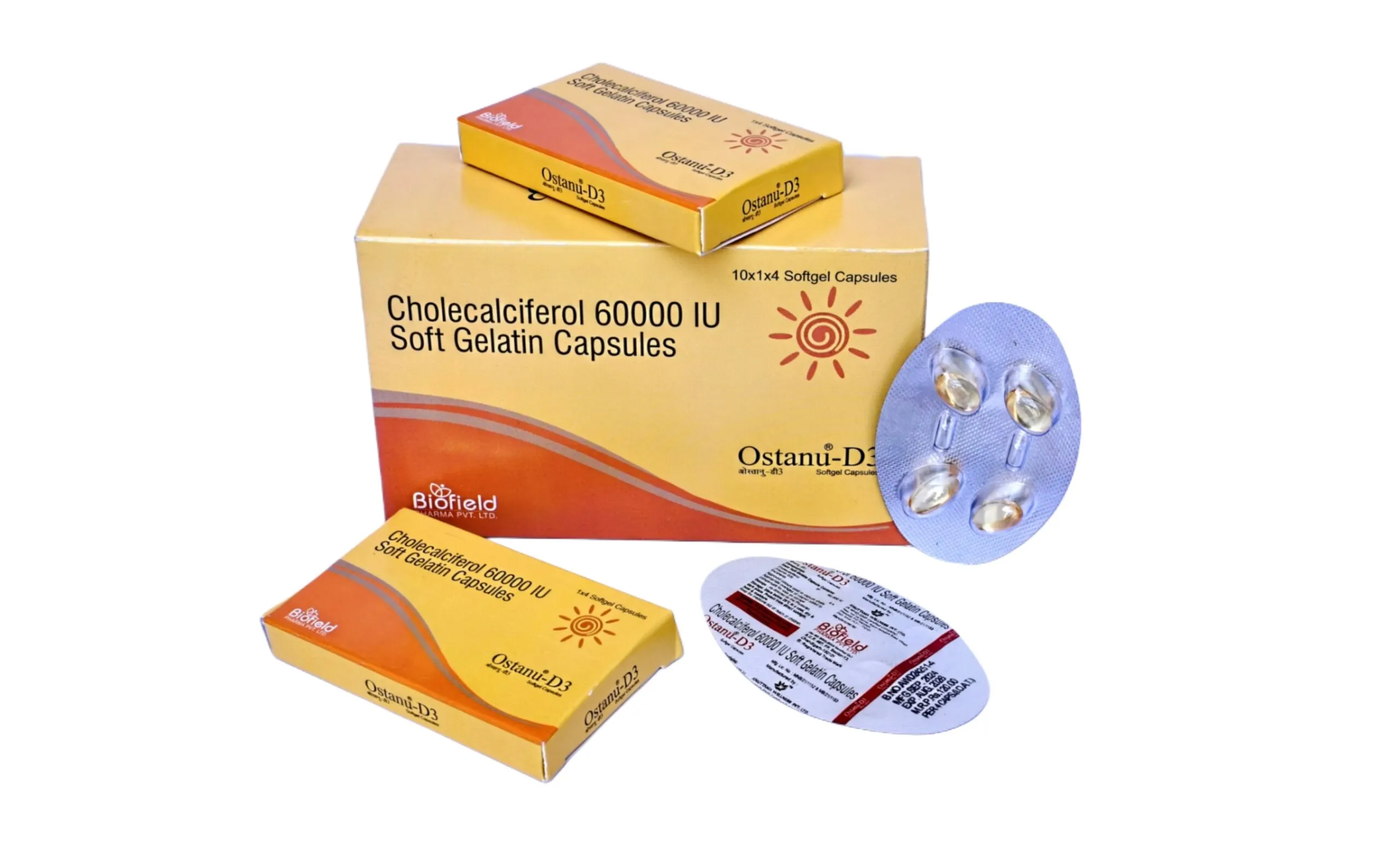
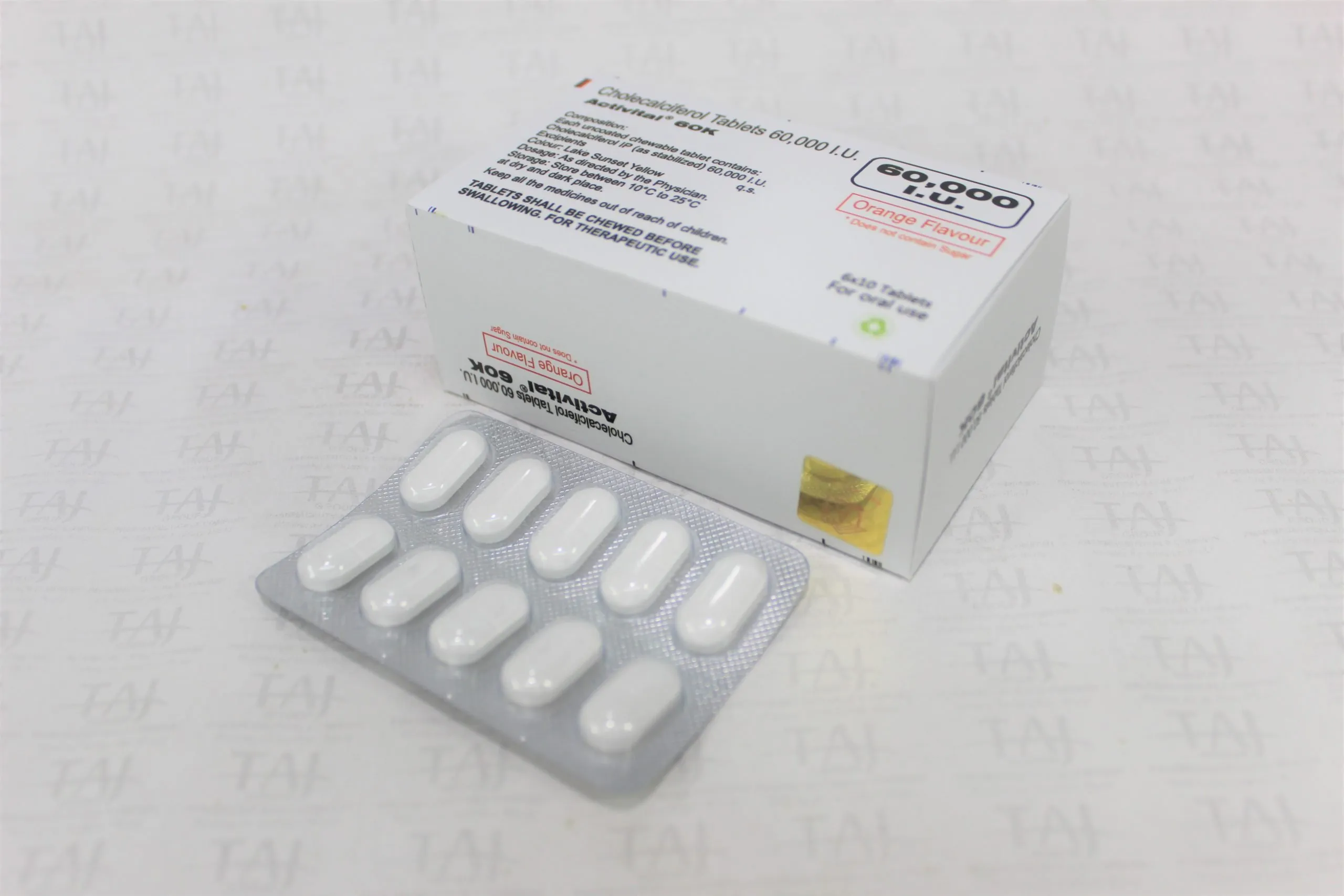
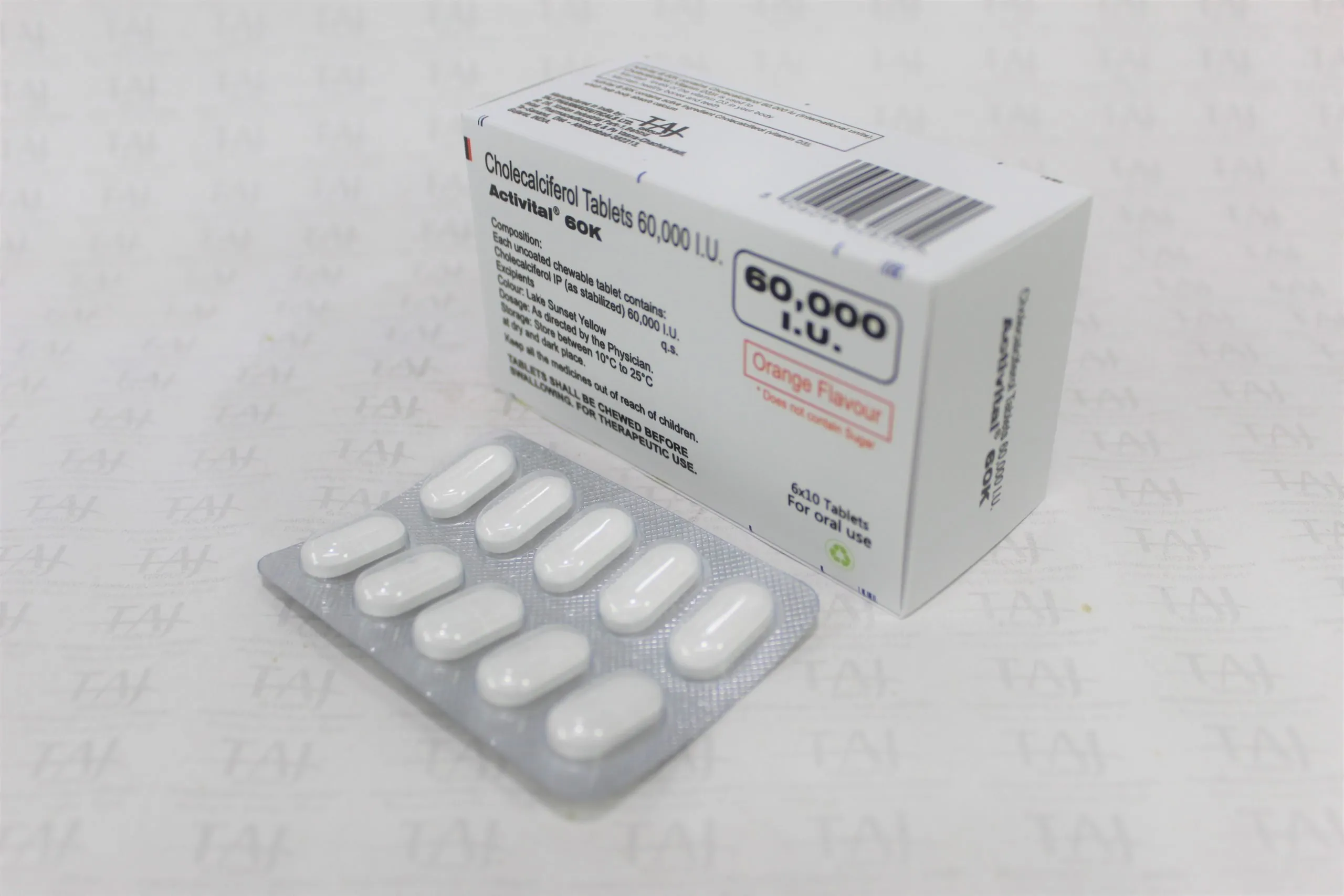
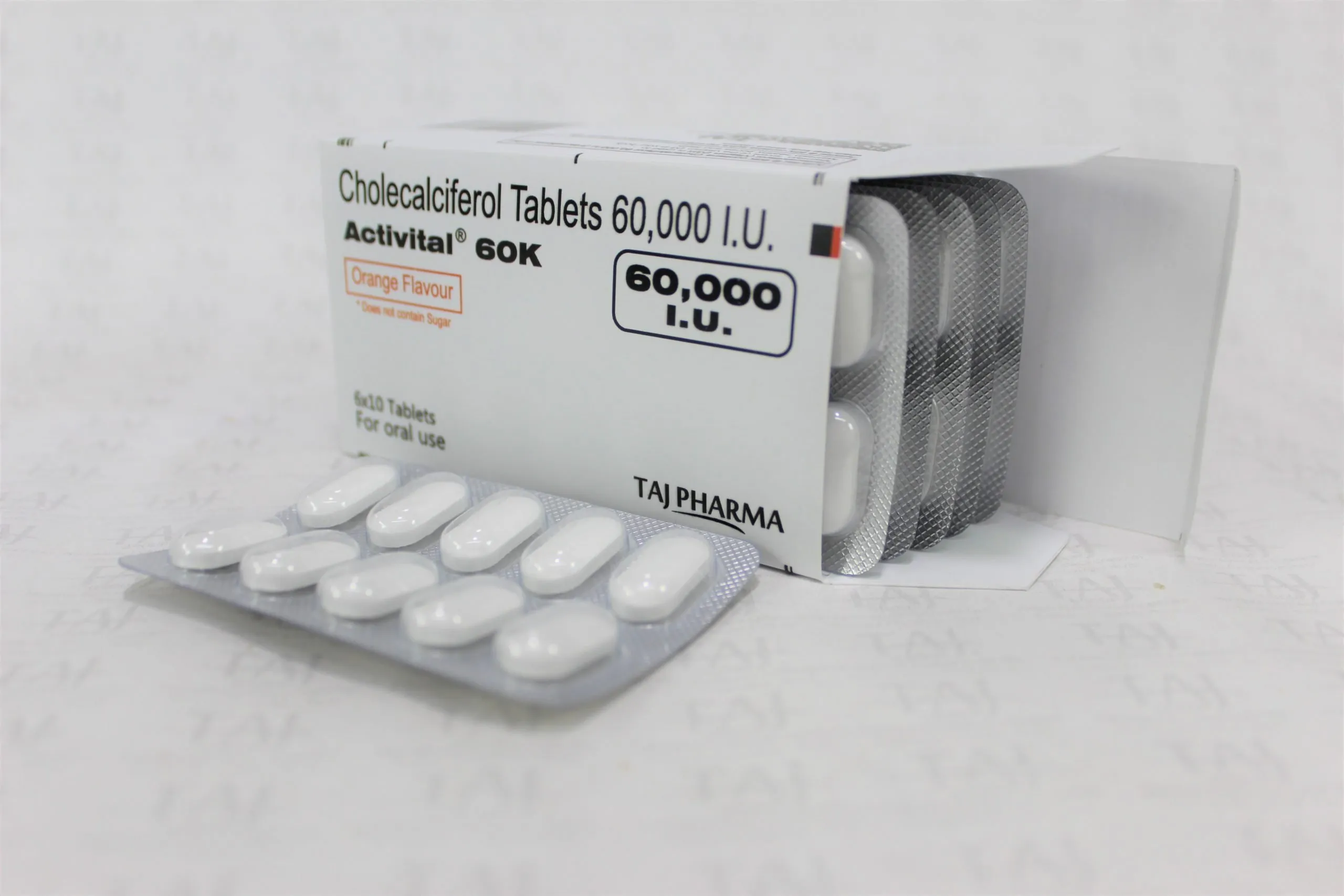
Welcome to the definitive medical SEO guide on Vitoc D 60000, a potent formulation of Cholecalciferol (Vitamin D3). As expert medical SEO copywriters and orthopedic specialists, we understand the critical role Vitamin D plays in maintaining overall health, particularly bone integrity, immune function, and neuromuscular performance. Vitoc D 60000 is specifically designed to address significant Vitamin D deficiencies, offering a high-strength solution for patients requiring rapid repletion or specific therapeutic management.
Vitamin D is a fat-soluble vitamin essential for numerous bodily functions. While synthesized in the skin upon exposure to sunlight, modern lifestyles, geographical location, skin pigmentation, and certain medical conditions often lead to insufficient levels. Vitoc D 60000, delivering 60,000 International Units (IU) of Cholecalciferol, serves as a crucial intervention to restore optimal Vitamin D status, thereby supporting calcium homeostasis, preventing bone disorders like osteoporosis and rickets, and contributing to a robust immune system. This guide will delve into its intricate workings, clinical applications, safety profile, and more, providing an authoritative resource for both healthcare professionals and patients.
2. Deep-Dive into Technical Specifications / Mechanisms
What is Cholecalciferol (Vitamin D3)?
Cholecalciferol, or Vitamin D3, is the naturally occurring form of Vitamin D synthesized in the skin when exposed to ultraviolet B (UVB) radiation. It can also be obtained from certain foods (e.g., fatty fish, fortified dairy) and dietary supplements. It is distinctly different from Ergocalciferol (Vitamin D2), which is plant-derived and generally considered less potent and less effective at raising serum 25(OH)D levels. Vitoc D 60000 exclusively contains Cholecalciferol, leveraging its superior bioavailability and efficacy.
Mechanism of Action: How Vitoc D 60000 Works
The journey of Cholecalciferol from ingestion to active hormone is a complex, multi-step process crucial for its biological effects:
- Absorption: Upon oral administration, Vitoc D 60000 (Cholecalciferol) is absorbed from the small intestine, primarily in the presence of dietary fats, and then transported via the lymphatic system into the bloodstream.
- Hepatic Hydroxylation: In the liver, Cholecalciferol undergoes its first hydroxylation step by the enzyme 25-hydroxylase, converting it into 25-hydroxyvitamin D [25(OH)D], also known as calcidiol. This is the main circulating form of Vitamin D and the primary biomarker used to assess Vitamin D status.
- Renal Hydroxylation: Calcidiol then travels to the kidneys, where it undergoes a second hydroxylation by the enzyme 1-alpha-hydroxylase. This crucial step converts 25(OH)D into 1,25-dihydroxyvitamin D [1,25(OH)2D], also known as calcitriol. Calcitriol is the biologically active hormonal form of Vitamin D.
- Target Organ Action: Calcitriol exerts its effects by binding to the Vitamin D Receptor (VDR), a nuclear receptor present in various tissues throughout the body. Upon binding, the VDR-calcitriol complex modulates gene expression, leading to a wide range of physiological responses:
- Calcium and Phosphate Homeostasis: Calcitriol is the primary regulator of calcium and phosphate absorption from the intestine, promoting their uptake into the bloodstream. It also works in conjunction with parathyroid hormone (PTH) to regulate bone remodeling, influencing the release and deposition of calcium and phosphate in bone.
- Bone Health: By ensuring adequate calcium and phosphate levels, calcitriol is fundamental for proper bone mineralization, preventing conditions like rickets in children and osteomalacia/osteoporosis in adults.
- Parathyroid Hormone (PTH) Regulation: Calcitriol directly suppresses PTH synthesis and secretion, helping to maintain calcium balance and prevent secondary hyperparathyroidism.
- Immunomodulation: VDRs are found on immune cells, and calcitriol plays a role in modulating immune responses, including both innate and adaptive immunity.
- Cell Growth and Differentiation: Calcitriol influences cell proliferation and differentiation, with potential implications for various tissues and disease states.
- Neuromuscular Function: Adequate Vitamin D levels are linked to improved muscle strength and reduced risk of falls, particularly in the elderly.
Pharmacokinetics: The Journey of Vitoc D 60000
Understanding how Vitoc D 60000 is absorbed, distributed, metabolized, and eliminated is key to its effective and safe use.
- Absorption: Cholecalciferol is readily absorbed from the gastrointestinal tract, with peak serum concentrations typically reached within 4-12 hours after oral administration. Absorption is enhanced when taken with a fatty meal.
- Distribution: Once absorbed, Cholecalciferol is transported in the blood bound to Vitamin D-binding protein (DBP). It is extensively distributed throughout the body, with significant storage in adipose tissue, liver, and muscle. This storage capacity contributes to its long half-life and allows for less frequent dosing of high-strength formulations like Vitoc D 60000.
- Metabolism: As described above, Cholecalciferol undergoes hydroxylation in the liver to 25(OH)D (calcidiol), and subsequently in the kidneys to 1,25(OH)2D (calcitriol). Further metabolism of calcitriol occurs, leading to inactive metabolites which are then excreted.
- Elimination: Vitamin D and its metabolites are primarily excreted via the bile into the feces. A smaller proportion is excreted in the urine. The half-life of 25(OH)D in circulation is approximately 2-3 weeks, reflecting its slow turnover and storage.
3. Extensive Clinical Indications & Usage
Vitoc D 60000 is indicated for conditions requiring significant repletion of Vitamin D stores or ongoing high-dose maintenance. Its use should always be guided by clinical assessment and serum 25(OH)D levels.
Primary Indications for Vitoc D 60000
- Severe Vitamin D Deficiency: Defined as serum 25(OH)D levels typically below 20 ng/mL (50 nmol/L). Vitoc D 60000 provides a convenient and effective way to rapidly raise these levels.
- Osteoporosis and Osteopenia: As an adjunct to other therapies (e.g., bisphosphonates, calcium), Vitoc D 60000 helps optimize calcium absorption and bone mineralization, reducing fracture risk.
- Rickets (in children) and Osteomalacia (in adults): These conditions are characterized by defective mineralization of bone, primarily due to severe Vitamin D deficiency. Vitoc D 60000 is crucial for their treatment.
- Malabsorption Syndromes: Conditions like Crohn's disease, celiac disease, cystic fibrosis, short bowel syndrome, and post-bariatric surgery states impair fat absorption, leading to Vitamin D deficiency. High doses are often necessary.
- Chronic Kidney Disease (CKD): Patients with CKD often have impaired renal hydroxylation of Vitamin D, leading to deficiencies. Specific management is required, and Vitoc D 60000 may be used under strict monitoring.
- Certain Liver Diseases: Impaired hepatic function can affect the initial hydroxylation of Vitamin D.
- Hypoparathyroidism: Vitamin D is used to manage hypocalcemia associated with hypoparathyroidism.
- Prevention of Falls in the Elderly: In conjunction with calcium, adequate Vitamin D levels help improve muscle strength and balance, reducing the risk of falls in older adults.
- Long-term Glucocorticoid Therapy: Corticosteroids can negatively impact Vitamin D metabolism and calcium absorption, necessitating supplementation.
Dosage Guidelines and Administration
The dosage of Vitoc D 60000 is highly individualized and determined by the severity of deficiency, patient characteristics, and response to therapy. It is generally administered on a weekly or bi-weekly basis, rather than daily, due to its high strength and long half-life.
- Standard Adult Dosage for Deficiency:
- Typically, 60,000 IU once weekly for 8-12 weeks, followed by a maintenance dose.
- Some protocols may recommend 60,000 IU every two weeks.
- The goal is to achieve and maintain serum 25(OH)D levels between 30-60 ng/mL (75-150 nmol/L).
- Maintenance Dosage: After repletion, a lower daily or weekly dose (e.g., 800-2000 IU daily or 10,000-20,000 IU weekly) is usually sufficient to maintain adequate levels, but this should be tailored based on follow-up testing.
- Pediatric Considerations: While 60,000 IU is a high dose for routine pediatric use, it may be prescribed for severe deficiency or specific conditions in children under strict medical supervision and appropriate weight-based dosing.
- Administration: Vitoc D 60000 should be taken orally, preferably with the largest meal of the day or with food containing fat to optimize absorption.
- Monitoring: Regular monitoring of serum 25(OH)D levels is essential, typically 3-6 months after initiating high-dose therapy, and then periodically. Serum calcium, phosphate, and parathyroid hormone (PTH) levels should also be monitored to ensure safety and efficacy.
- Duration of Therapy: The duration of high-dose therapy depends on the initial deficiency and the patient's response. Once optimal levels are achieved, patients usually transition to a maintenance dose.
4. Risks, Side Effects, or Contraindications
While generally safe when used as directed, Vitoc D 60000, like all medications, carries potential risks and contraindications.
Contraindications
Vitoc D 60000 should not be used in patients with:
- Hypercalcemia: Pre-existing abnormally high levels of calcium in the blood.
- Hypervitaminosis D: Existing toxicity due to excessive Vitamin D intake.
- Hypersensitivity: Known allergy to Cholecalciferol or any excipients in the formulation.
- Severe Renal Impairment with Hyperphosphatemia: Care is needed as Vitamin D can exacerbate high phosphate levels.
- Sarcoidosis and other Granulomatous Diseases: These conditions can lead to increased extra-renal production of 1,25(OH)2D, increasing sensitivity to Vitamin D and risk of hypercalcemia.
Potential Side Effects
At recommended therapeutic doses, Vitoc D 60000 is generally well-tolerated. The most significant concern with excessive Vitamin D intake is hypercalcemia, which is usually a result of overdose or prolonged use of very high doses without monitoring. Symptoms of hypercalcemia include:
- Early Symptoms: Nausea, vomiting, constipation, abdominal pain, loss of appetite, excessive thirst (polydipsia), frequent urination (polyuria), muscle weakness, fatigue.
- Severe Symptoms: Confusion, disorientation, kidney stones, kidney damage, cardiac arrhythmias, coma.
If any of these symptoms occur, discontinue Vitoc D 60000 immediately and seek medical attention.
Drug Interactions
Several medications can interact with Vitoc D 60000, affecting its absorption, metabolism, or increasing the risk of side effects.
- Thiazide Diuretics (e.g., Hydrochlorothiazide): Can reduce urinary calcium excretion, increasing the risk of hypercalcemia when co-administered with Vitamin D.
- Anticonvulsants (e.g., Phenytoin, Barbiturates): Can induce hepatic enzymes that accelerate Vitamin D metabolism, reducing its effectiveness. Higher doses of Vitoc D may be required.
- Corticosteroids (e.g., Prednisone): Can reduce calcium absorption and impair Vitamin D metabolism, necessitating higher Vitamin D doses.
- Cardiac Glycosides (e.g., Digoxin): Hypercalcemia induced by Vitamin D overdose can potentiate the effects and toxicity of digoxin, leading to cardiac arrhythmias.
- Bile Acid Sequestrants (e.g., Cholestyramine, Colestipol) and Orlistat/Mineral Oil: These agents can interfere with the absorption of fat-soluble vitamins, including Cholecalciferol. Vitoc D 60000 should be taken several hours before or after these medications.
- Aluminum-containing Antacids: In patients with chronic kidney disease, concomitant use can increase the risk of aluminum toxicity.
- Other Vitamin D Analogs or High-Dose Calcium Supplements: Concurrent use can increase the risk of hypercalcemia and hypervitaminosis D.
Always inform your healthcare provider about all medications, supplements, and herbal products you are taking.
Pregnancy and Lactation Warnings
- Pregnancy: Vitamin D is essential during pregnancy for maternal and fetal health. However, high doses like Vitoc D 60000 should only be used if there is a clear indication of severe deficiency and under strict medical supervision. Excessive Vitamin D intake during pregnancy can lead to hypercalcemia in the mother, which may cause adverse effects on the fetus, including supravalvular aortic stenosis or mental retardation. Regular monitoring of serum calcium levels is crucial.
- Lactation: Cholecalciferol and its metabolites pass into breast milk. While adequate Vitamin D is important for the infant, very high maternal doses could potentially lead to high levels in breast milk and subsequent hypercalcemia in the nursing infant. The decision to use Vitoc D 60000 during lactation should be made by a healthcare professional, weighing the benefits against potential risks, and monitoring infant Vitamin D and calcium levels if concerns arise.
Overdose Management
Overdose of Vitoc D 60000 primarily leads to hypercalcemia. Management typically involves:
- Immediate Discontinuation: Stop Vitoc D 60000 and any calcium supplements.
- Hydration: Administer intravenous fluids (saline) to promote renal calcium excretion.
- Diuretics: Loop diuretics (e.g., furosemide) may be used to enhance calcium excretion, but careful monitoring of fluid and electrolyte balance is essential.
- Corticosteroids: In severe cases, corticosteroids can be administered to reduce intestinal calcium absorption.
- Other Medications: Bisphosphonates or calcitonin may be used to inhibit bone resorption and lower serum calcium.
- Monitoring: Closely monitor serum calcium, phosphate, electrolytes, and renal function until levels normalize.
5. Massive FAQ Section
Q1: What is Vitoc D 60000 used for?
A: Vitoc D 60000 is primarily used to treat and prevent severe Vitamin D deficiency, which can lead to conditions like osteoporosis, osteomalacia, and rickets. It helps maintain healthy bones, supports immune function, and aids in calcium and phosphate absorption.
Q2: How often should I take Vitoc D 60000?
A: Due to its high strength, Vitoc D 60000 is typically taken once weekly or every two weeks, as prescribed by your doctor. It is not intended for daily use unless specifically directed by a healthcare professional for unique circumstances.
Q3: Is Vitoc D 60000 safe?
A: Yes, Vitoc D 60000 is safe when used at the prescribed dosage under medical supervision. The main risk associated with excessive intake is hypercalcemia (too much calcium in the blood). Regular monitoring of blood Vitamin D and calcium levels is recommended.
Q4: What are the signs of Vitamin D deficiency?
A: Common signs include fatigue, muscle weakness, bone pain, mood changes, and frequent infections. In severe cases, it can lead to bone deformities (rickets in children, osteomalacia in adults) and increased fracture risk.
Q5: Can I take Vitoc D 60000 with other medications?
A: Some medications can interact with Vitoc D 60000, affecting its absorption or increasing the risk of side effects. These include certain diuretics, anticonvulsants, corticosteroids, and medications for cholesterol. Always inform your doctor or pharmacist about all your current medications and supplements.
Q6: How long does it take for Vitoc D 60000 to work?
A: Significant increases in blood Vitamin D levels typically occur within 8-12 weeks of consistent high-dose supplementation. Clinical benefits, such as improved bone health or reduced symptoms, may take longer to become apparent. Your doctor will likely re-test your Vitamin D levels after a few months.
Q7: What is the difference between Vitoc D 60000 and lower dose Vitamin D supplements?
A: Vitoc D 60000 contains 60,000 IU of Cholecalciferol, which is a very high dose, typically prescribed for correcting severe deficiencies or for specific medical conditions. Lower dose supplements (e.g., 400 IU, 1000 IU, 5000 IU) are usually for daily maintenance or mild deficiencies.
Q8: Can Vitoc D 60000 cause weight gain?
A: There is no direct evidence to suggest that Vitoc D 60000 or Vitamin D supplementation causes weight gain. In fact, some studies suggest a potential link between Vitamin D deficiency and obesity, and supplementation might indirectly support metabolic health.
Q9: What should I do if I miss a dose?
A: If you miss a dose of Vitoc D 60000, take it as soon as you remember, unless it's almost time for your next scheduled dose. Do not double the dose to catch up. Consult your doctor for specific guidance if you frequently miss doses.
Q10: How should Vitoc D 60000 be stored?
A: Store Vitoc D 60000 at room temperature, away from direct light and moisture. Keep it out of reach of children and pets. Do not store in the bathroom.
Q11: Is a prescription required for Vitoc D 60000?
A: In many regions, high-dose Vitamin D supplements like Vitoc D 60000 require a prescription due to the potential for hypercalcemia if misused. Always consult a healthcare professional before starting any high-dose Vitamin D regimen.
Q12: What foods are rich in Vitamin D?
A: While sunlight is the primary source, dietary sources include fatty fish (salmon, mackerel, tuna), cod liver oil, and fortified foods like milk, cereals, and some yogurts. However, it's challenging to obtain 60,000 IU from diet alone.