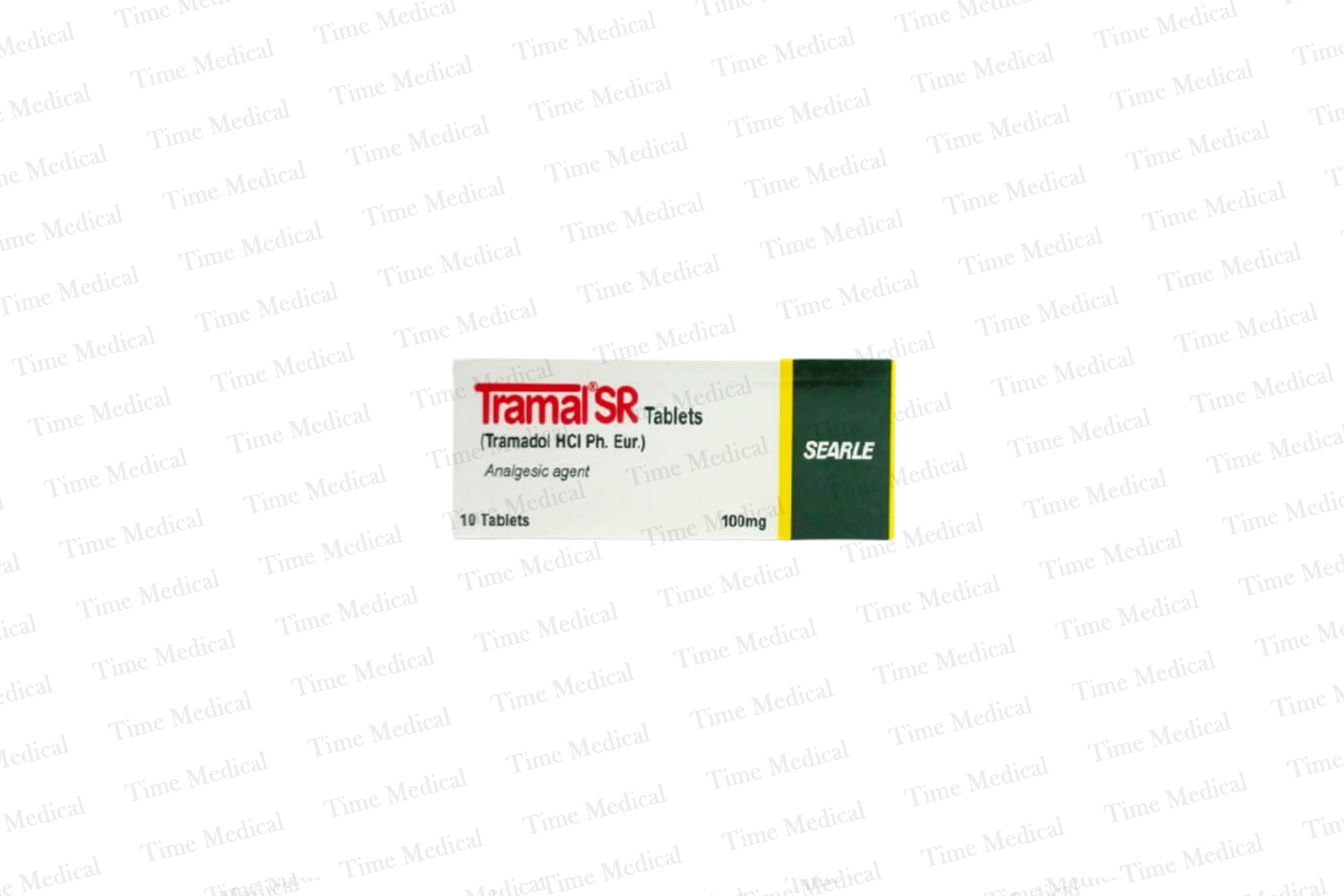
Tramal SR: A Comprehensive Medical Guide to Extended-Release Pain Management
As an expert in orthopedic care and medical SEO copywriting, I frequently encounter patients seeking effective, long-term solutions for chronic pain. Tramal SR, the sustained-release formulation of tramadol hydrochloride, represents a significant advancement in managing persistent moderate to severe pain. This extensive guide aims to provide a definitive resource for understanding Tramal SR, covering its intricate mechanisms, clinical applications, safety profile, and essential considerations for both patients and healthcare professionals.
Chronic pain, often stemming from conditions like osteoarthritis, rheumatoid arthritis, or neuropathic disorders, can severely impact quality of life. Tramal SR is designed to offer consistent pain relief over an extended period, minimizing the fluctuations often associated with immediate-release formulations and improving patient adherence. However, like all potent medications, its use requires careful consideration of its benefits, risks, and proper administration.
Deep Dive into Technical Specifications and Mechanisms
Understanding how Tramal SR works at a physiological level is crucial for appreciating its therapeutic value and potential risks.
Mechanism of Action: The Dual Analgesic Pathway
Tramadol, the active ingredient in Tramal SR, is a centrally acting analgesic with a unique dual mechanism of action that differentiates it from traditional opioids.
- Weak Opioid Agonism: Tramadol and its primary active metabolite, O-desmethyltramadol (M1), act as weak agonists at the mu-opioid receptors in the central nervous system. This interaction mimics the effects of endogenous opioids, leading to a reduction in pain perception. The M1 metabolite has a significantly higher affinity for the mu-opioid receptor than tramadol itself, contributing substantially to its analgesic effect.
- Monoaminergic Reuptake Inhibition: Tramadol also inhibits the reuptake of norepinephrine and serotonin in the spinal cord and brain. This action enhances the descending pain inhibitory pathways, which are natural systems in the body that modulate pain signals. By increasing the availability of these neurotransmitters, tramadol effectively amplifies the body's intrinsic pain control mechanisms.
This synergistic dual action provides a comprehensive analgesic effect, making tramadol effective for a broad spectrum of pain types, including neuropathic components that may be less responsive to pure opioid agonists. The sustained-release formulation ensures a steady plasma concentration of tramadol and its M1 metabolite, leading to prolonged and more stable pain relief.
Pharmacokinetics: The Journey Through the Body
The pharmacokinetic profile of Tramal SR is tailored for extended pain management.
- Absorption: Following oral administration, tramadol from Tramal SR is slowly and almost completely absorbed from the gastrointestinal tract. The sustained-release matrix ensures a gradual release of the active substance over many hours, leading to prolonged therapeutic plasma concentrations. Peak plasma concentrations are typically reached 4-6 hours post-dose for the parent drug.
- Distribution: Tramadol is widely distributed throughout the body, with a volume of distribution of approximately 203 L. It is about 20% bound to plasma proteins. Crucially, tramadol and its metabolites cross the blood-brain barrier and the placental barrier, and are excreted into breast milk.
- Metabolism: Tramadol undergoes extensive hepatic metabolism, primarily through two main pathways:
- N-demethylation via CYP2D6: This pathway is responsible for the formation of the active M1 metabolite (O-desmethyltramadol), which is significantly more potent at mu-opioid receptors than tramadol itself. Genetic variations in CYP2D6 enzyme activity can significantly impact the efficacy and safety of tramadol. Individuals who are "ultrarapid metabolizers" may experience increased opioid effects, while "poor metabolizers" may have reduced analgesic efficacy.
- O-demethylation via CYP3A4: This pathway leads to the formation of other inactive metabolites.
- Excretion: Tramadol and its metabolites are predominantly excreted renally. The elimination half-life of tramadol is approximately 6-7 hours, while the active M1 metabolite has a slightly longer half-life of about 7-9 hours. The sustained-release formulation extends the overall effective duration of action.
Extensive Clinical Indications & Usage
Tramal SR is specifically formulated for the management of chronic pain that requires continuous, around-the-clock analgesic therapy for an extended period.
Primary Indications for Tramal SR
- Moderate to Severe Chronic Pain: This is the overarching indication. Tramal SR is suitable for conditions where pain persists for weeks or months, significantly impacting daily function.
- Osteoarthritis: A common degenerative joint disease causing chronic pain, often managed effectively with Tramal SR.
- Rheumatoid Arthritis: An autoimmune inflammatory condition leading to chronic joint pain and inflammation.
- Chronic Back Pain: Including lumbar pain, sciatica, and pain associated with disc degeneration.
- Neuropathic Pain: While not a first-line treatment, the monoaminergic reuptake inhibition property of tramadol can provide benefit in certain neuropathic pain syndromes, often as an adjunct therapy.
- Fibromyalgia: Some patients with fibromyalgia may find relief from Tramal SR, particularly for widespread musculoskeletal pain.
- Cancer Pain: For patients with moderate to severe cancer-related pain, Tramal SR can be a valuable component of their pain management regimen.
The sustained-release formulation is particularly beneficial for patients who experience consistent pain throughout the day and night, as it provides stable pain control, reducing the need for frequent dosing and improving sleep quality by preventing nocturnal pain exacerbations.
Dosage Guidelines and Administration
Appropriate dosing of Tramal SR is critical to maximize efficacy and minimize adverse effects. Dosage must always be individualized based on the patient's pain intensity, previous analgesic response, and tolerability.
- General Dosing Principles:
- Initial Dose: Typically, a lower dose is initiated (e.g., 50 mg or 100 mg once daily) and titrated upwards gradually.
- Titration: Doses should be increased slowly, usually every 3-7 days, to allow for assessment of efficacy and tolerability.
- Maximum Dose: The usual maximum daily dose is 400 mg, although lower maximums may apply for specific patient populations (e.g., elderly, renal/hepatic impairment).
- Administration: Tramal SR tablets should be swallowed whole with a sufficient amount of liquid, regardless of meals. They must NOT be crushed, chewed, or divided, as this would destroy the extended-release mechanism, leading to rapid release of a potentially fatal dose of tramadol.
- Special Populations:
- Elderly (over 75 years): A reduction in total daily dose or an increase in the dosing interval may be necessary due to reduced renal and/or hepatic function. Maximum daily dose generally should not exceed 300 mg.
- Renal Impairment: For patients with creatinine clearance less than 30 mL/min, the dosing interval should be extended, and the maximum daily dose should be reduced.
- Hepatic Impairment: For patients with severe hepatic impairment, dosage reduction and extended dosing intervals are crucial due to impaired metabolism.
- Discontinuation: Abrupt discontinuation of Tramal SR, especially after prolonged use or high doses, can lead to withdrawal symptoms. It is essential to gradually taper the dose under medical supervision.
| Patient Group | Initial Dose (approx.) | Titration | Max Daily Dose (approx.) | Considerations |
|---|---|---|---|---|
| Adults (18-75 years) | 50-100 mg once daily | Increase by 50-100 mg every 3-7 days | 400 mg | Individualized based on pain and tolerability |
| Elderly (>75 years) | 50 mg once daily | Slower titration | 300 mg | Reduced renal/hepatic function common |
| Renal Impairment | Reduced dose/extended interval | Slower titration | Significantly reduced | CrCl < 30 mL/min requires careful adjustment |
| Hepatic Impairment | Reduced dose/extended interval | Slower titration | Significantly reduced | Severe impairment requires significant adjustment |
Risks, Side Effects, and Contraindications
While Tramal SR is an effective analgesic, it carries significant risks and is not suitable for everyone. A thorough understanding of its safety profile is paramount.
Contraindications
Tramal SR should never be used in the following circumstances:
- Hypersensitivity: Known allergy to tramadol, other opioids, or any component of the formulation.
- Acute Intoxication: In patients with acute intoxication from alcohol, hypnotics, analgesics, opioids, or other psychotropic drugs, due to the risk of additive CNS depression.
- MAO Inhibitors: Concomitant use with monoamine oxidase (MAO) inhibitors or within 14 days of discontinuing MAO inhibitors, due to the severe risk of serotonin syndrome.
- Uncontrolled Epilepsy: In patients with epilepsy not adequately controlled by treatment, as tramadol can lower the seizure threshold.
- Severe Respiratory Depression: In conditions where severe respiratory depression is present.
- Children: Generally contraindicated in children under 12 years of age, and in children under 18 years for post-operative pain management following tonsillectomy and/or adenoidectomy due to increased risk of respiratory depression associated with CYP2D6 ultrarapid metabolizer status.
Potential Side Effects
Like all medications, Tramal SR can cause side effects. These are often dose-dependent and can vary in severity.
- Very Common (≥10%): Nausea, constipation, dizziness, somnolence, headache.
- Common (1-9%): Vomiting, dry mouth, sweating, fatigue, confusion, anxiety, dyspepsia, pruritus.
- Less Common but Serious:
- Seizures: Tramadol lowers the seizure threshold. Risk increases with higher doses, concomitant use of other seizure-lowering drugs, or in patients with a history of epilepsy.
- Serotonin Syndrome: A potentially life-threatening condition resulting from excessive serotonin activity, especially when used with other serotonergic drugs. Symptoms include mental status changes, autonomic instability, neuromuscular abnormalities, and gastrointestinal symptoms.
- Respiratory Depression: Although less pronounced than with pure opioid agonists, respiratory depression can occur, especially in susceptible individuals or with overdose.
- Addiction, Dependence, and Withdrawal: Tramadol has the potential for psychological and physical dependence, similar to other opioids. Abrupt discontinuation can lead to withdrawal symptoms.
- Anaphylaxis and Severe Skin Reactions: Rare but serious allergic reactions.
- Adrenal Insufficiency: Chronic opioid use can lead to adrenal insufficiency.
- Androgen Deficiency: Long-term opioid use may be associated with decreased libido, impotence, amenorrhea, or infertility.
Drug Interactions
Tramal SR interacts with numerous medications, some of which can be life-threatening. Always inform your doctor about all medications, supplements, and herbal products you are taking.
- Serotonergic Drugs: Co-administration with selective serotonin reuptake inhibitors (SSRIs), serotonin-norepinephrine reuptake inhibitors (SNRIs), tricyclic antidepressants (TCAs), triptans, and MAO inhibitors significantly increases the risk of serotonin syndrome.
- CNS Depressants: Alcohol, benzodiazepines, other opioids, sedatives, hypnotics, and general anesthetics can potentiate the CNS depressant effects of tramadol, leading to increased risk of respiratory depression, profound sedation, coma, and death.
- CYP2D6 Inhibitors: Drugs like fluoxetine, paroxetine, quinidine, and bupropion can inhibit the metabolism of tramadol to its active M1 metabolite, potentially reducing analgesic efficacy.
- CYP3A4 Inhibitors/Inducers:
- Inhibitors (e.g., ketoconazole, erythromycin, ritonavir): Can increase tramadol plasma concentrations, potentially increasing the risk of adverse effects.
- Inducers (e.g., carbamazepine, rifampin, phenytoin): Can decrease tramadol plasma concentrations, potentially reducing efficacy. Carbamazepine, in particular, can significantly reduce tramadol's analgesic effect and shorten its duration of action.
- Coumarin Derivatives (e.g., Warfarin): Tramadol may potentiate the anticoagulant effect of warfarin, leading to an increased risk of bleeding and elevated INR.
- Other Drugs that Lower Seizure Threshold: Such as bupropion, TCAs, SSRIs, antipsychotics. Concomitant use increases the risk of seizures.
Pregnancy and Lactation Warnings
- Pregnancy: Tramal SR should generally be avoided during pregnancy. It crosses the placental barrier. Chronic use during pregnancy can lead to neonatal opioid withdrawal syndrome, characterized by irritability, hyperactivity, abnormal sleep patterns, high-pitched cry, tremor, vomiting, diarrhea, and failure to gain weight. Use in the third trimester specifically increases the risk of respiratory depression in the newborn.
- Lactation: Both tramadol and its active M1 metabolite are excreted into breast milk. Due to the potential for serious adverse reactions in breastfed infants (e.g., sedation, respiratory depression), breastfeeding is not recommended during Tramal SR treatment.
Overdose Management
Tramal SR overdose can be life-threatening and requires immediate medical attention.
- Symptoms: Typical symptoms of opioid overdose include miosis (pinpoint pupils), vomiting, cardiovascular collapse, profound sedation, somnolence, coma, respiratory depression (leading to respiratory arrest), and seizures.
- Treatment:
- Naloxone: The primary antidote for opioid overdose. It is an opioid receptor antagonist and can reverse respiratory depression. Multiple doses may be required due to the sustained-release nature of Tramal SR and the potentially longer half-life of tramadol compared to naloxone.
- Supportive Measures: Maintaining a patent airway, providing ventilatory support, and managing cardiovascular function are critical.
- Gastric Lavage/Activated Charcoal: If the overdose is recognized early (within 1-2 hours of ingestion for sustained-release formulations), gastric lavage may be considered. Administration of activated charcoal can help reduce absorption.
- Seizure Management: Benzodiazepines (e.g., diazepam) may be administered intravenously to control seizures, which are a common feature of tramadol overdose and may not be fully reversed by naloxone.
Frequently Asked Questions (FAQ) about Tramal SR
Q1: What is Tramal SR used for?
Tramal SR is used for the management of moderate to severe chronic pain in adults when continuous, around-the-clock analgesic therapy is needed for an extended period. This includes pain from conditions like osteoarthritis, rheumatoid arthritis, chronic back pain, and certain neuropathic pain syndromes.
Q2: How does Tramal SR work?
Tramal SR works through a dual mechanism. It acts as a weak opioid agonist, binding to mu-opioid receptors in the brain and spinal cord, and it also inhibits the reuptake of norepinephrine and serotonin, enhancing the body's natural pain-inhibiting pathways. This combined action provides comprehensive pain relief.
Q3: How should I take Tramal SR?
You should take Tramal SR exactly as prescribed by your doctor. The tablets must be swallowed whole with a sufficient amount of liquid, with or without food. Do not crush, chew, or divide the tablets, as this will destroy the sustained-release mechanism and could lead to a rapid release of a potentially dangerous dose.
Q4: Can Tramal SR be crushed or chewed?
No, Tramal SR tablets must never be crushed, chewed, or divided. Doing so will disrupt the extended-release coating, causing the entire dose to be absorbed too quickly. This can lead to dangerously high levels of tramadol in your system, increasing the risk of overdose, respiratory depression, and seizures.
Q5: What are the common side effects of Tramal SR?
The most common side effects include nausea, constipation, dizziness, somnolence (drowsiness), and headache. Other common side effects may include vomiting, dry mouth, sweating, and fatigue. If you experience severe or persistent side effects, contact your doctor.
Q6: Is Tramal SR addictive?
Yes, Tramal SR contains tramadol, which is an opioid analgesic and has the potential for physical and psychological dependence and abuse. It is important to use it strictly as prescribed by your doctor and not to exceed the recommended dose or duration of treatment. Abrupt cessation can lead to withdrawal symptoms.
Q7: Can I drink alcohol while taking Tramal SR?
No, it is strongly advised to avoid alcohol consumption while taking Tramal SR. Alcohol can significantly increase the central nervous system depressant effects of tramadol, leading to increased drowsiness, dizziness, impaired coordination, and a heightened risk of serious side effects like respiratory depression, profound sedation, coma, and even death.
Q8: What should I do if I miss a dose of Tramal SR?
If you miss a dose, take it as soon as you remember, unless it is almost time for your next scheduled dose. In that case, skip the missed dose and continue with your regular dosing schedule. Do not take a double dose to make up for a missed one. Consult your doctor if you are unsure.
Q9: How long does Tramal SR take to work, and how long do its effects last?
Because Tramal SR is a sustained-release formulation, it takes longer for the medication to reach its full effect compared to immediate-release forms, typically several hours. Once effective levels are reached, the pain-relieving effects are designed to last for approximately 24 hours, providing continuous pain control.
Q10: Can Tramal SR cause withdrawal symptoms?
Yes, if Tramal SR is taken regularly for an extended period, physical dependence can develop. Abruptly stopping or rapidly reducing the dose can lead to withdrawal symptoms such as restlessness, anxiety, insomnia, sweating, tremors, gastrointestinal upset, muscle aches, and flu-like symptoms. It is crucial to taper the dose gradually under medical supervision.
Q11: Who should not take Tramal SR?
Tramal SR is contraindicated in individuals with known allergies to tramadol or opioids, those acutely intoxicated with alcohol or other CNS depressants, patients taking MAO inhibitors or within 14 days of stopping them, and those with uncontrolled epilepsy or severe respiratory depression. It's generally not recommended for children under 12 years of age.
Q12: What is the difference between Tramal SR and immediate-release tramadol?
The primary difference lies in their release profile. Immediate-release tramadol provides rapid but shorter-acting pain relief, requiring multiple doses per day. Tramal SR is formulated to release tramadol slowly and continuously over 24 hours, providing sustained pain relief with just one dose per day, which is ideal for chronic, persistent pain.
This comprehensive guide underscores the complex nature of Tramal SR. As an orthopedic specialist, I emphasize that effective pain management requires a thorough understanding of the medication, close collaboration between patient and healthcare provider, and adherence to prescribed guidelines to ensure safety and optimal outcomes. Always consult your doctor or pharmacist for personalized medical advice regarding Tramal SR.