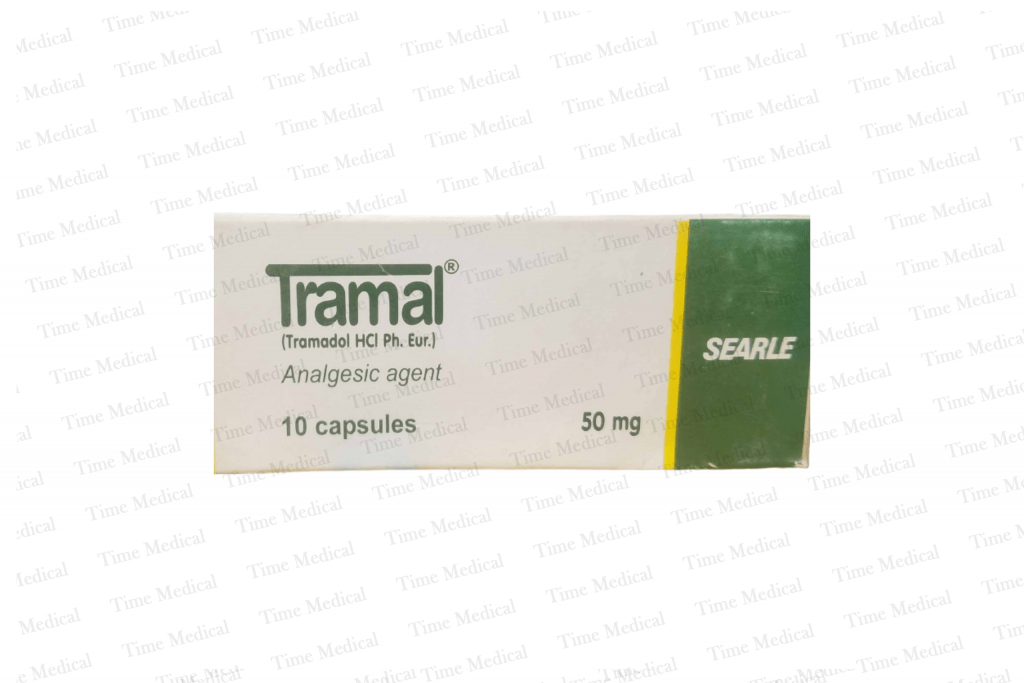
Tramal (Tramadol Hydrochloride): A Comprehensive Medical SEO Guide
As an expert Medical SEO Copywriter and Orthopedic Specialist, I understand the critical need for accurate, authoritative, and accessible information regarding pain management medications. Tramal, the brand name for tramadol hydrochloride, is a widely prescribed synthetic opioid analgesic used for the management of moderate to moderately severe pain. This extensive guide aims to provide a deep dive into Tramal, covering its intricate mechanisms, clinical applications, safety considerations, and more, empowering both healthcare professionals and patients with essential knowledge.
1. Comprehensive Introduction & Overview of Tramal
Tramal, with its active ingredient tramadol, stands apart from traditional opioids due to its unique dual mechanism of action. While it possesses opioid properties, it also influences neurotransmitter systems, offering a multifaceted approach to pain relief. Developed in the 1970s, tramadol has become a cornerstone in the treatment of various acute and chronic pain conditions, including those frequently encountered in orthopedic practice such as post-operative pain, musculoskeletal injuries, and chronic conditions like osteoarthritis.
Its classification as a centrally acting synthetic opioid analgesic means it works on the brain and spinal cord to alter the perception of pain. Unlike some stronger opioids, tramadol has a lower potential for respiratory depression and addiction, though these risks are still present and must be carefully managed. Understanding Tramal's profile is crucial for its safe and effective use in clinical settings.
2. Deep-Dive into Technical Specifications & Mechanisms
Tramal's efficacy stems from its complex pharmacological profile, involving both opioid and non-opioid mechanisms.
2.1. Mechanism of Action
Tramadol's analgesic effect is primarily mediated through two distinct pathways:
- Opioid Receptor Agonism: Tramadol and its primary active metabolite, O-desmethyltramadol (M1), are weak agonists at the mu-opioid receptor. The M1 metabolite has a significantly higher affinity for the mu-opioid receptor than tramadol itself (approximately 200 times greater), making it a major contributor to the analgesic effect. This binding mimics the action of natural pain-relieving substances in the body (endorphins), reducing the perception of pain.
- Monoaminergic Reuptake Inhibition: Tramadol also inhibits the reuptake of norepinephrine (noradrenaline) and serotonin (5-hydroxytryptamine) in the central nervous system. This action enhances the activity of these neurotransmitters in the descending inhibitory pain pathways, which are crucial for modulating pain signals from the spinal cord to the brain. By boosting these natural pain-modulating systems, tramadol provides an additional analgesic effect that is independent of its opioid activity.
This dual mechanism provides a synergistic effect, offering broad-spectrum pain relief.
2.2. Pharmacokinetics
Understanding how Tramal is absorbed, distributed, metabolized, and excreted is vital for appropriate dosing and managing potential interactions.
2.2.1. Absorption
- Oral Administration: Tramadol is rapidly and almost completely absorbed after oral administration.
- Bioavailability: The absolute bioavailability is approximately 68% for immediate-release formulations, which can increase with repeated dosing.
- Peak Plasma Concentration (Tmax): Typically achieved within 2 hours for immediate-release tablets.
2.2.2. Distribution
- Plasma Protein Binding: Approximately 20% bound to plasma proteins.
- Volume of Distribution: Large, indicating extensive tissue distribution.
- Crosses Placenta & Enters Breast Milk: Important considerations for pregnant and lactating individuals.
2.2.3. Metabolism
- Hepatic Metabolism: Primarily metabolized in the liver via cytochrome P450 (CYP) enzymes.
- Key Enzymes:
- CYP2D6: Responsible for the O-demethylation of tramadol to O-desmethyltramadol (M1), the active metabolite. Genetic polymorphisms in CYP2D6 can significantly affect tramadol's efficacy and safety. "Poor metabolizers" may experience reduced analgesic effect, while "ultrarapid metabolizers" may be at increased risk of opioid toxicity.
- CYP3A4: Involved in N-demethylation to N-desmethyltramadol (M2).
- Further Metabolism: Both tramadol and its metabolites undergo conjugation with glucuronic acid.
2.2.4. Elimination
- Renal Excretion: Approximately 90% of tramadol and its metabolites are excreted renally.
- Half-life:
- Tramadol: Approximately 6 hours.
- O-desmethyltramadol (M1): Approximately 7 hours.
- Impairment: Renal and hepatic impairment can significantly prolong elimination half-lives, necessitating dose adjustments.
3. Extensive Clinical Indications & Usage
Tramal is indicated for the management of moderate to moderately severe pain. Its versatility makes it suitable for a wide range of conditions, often as an alternative or adjunct to NSAIDs or other analgesics.
3.1. Detailed Indications
- Acute Pain:
- Post-operative pain (e.g., after orthopedic surgeries like arthroscopy, fracture repair).
- Post-traumatic pain (e.g., sprains, strains, minor fractures).
- Dental pain.
- Acute exacerbations of chronic pain.
- Chronic Pain:
- Osteoarthritis (OA) and other degenerative joint diseases.
- Low back pain and cervical pain.
- Fibromyalgia (often as part of a multimodal regimen).
- Neuropathic pain (e.g., diabetic neuropathy, post-herpetic neuralgia), where its serotonin/norepinephrine reuptake inhibition can be particularly beneficial.
- Cancer pain, especially when stronger opioids are not yet indicated or as an adjunct.
- Musculoskeletal Pain: Widely used in orthopedic contexts for various conditions causing pain in bones, muscles, ligaments, and tendons.
3.2. Dosage Guidelines
Dosage must be individualized based on the severity of pain, patient response, and tolerability. It's crucial to use the lowest effective dose for the shortest duration necessary.
3.2.1. General Adult Dosing (Immediate-Release)
- Initial Dose: Typically 50 mg to 100 mg every 4 to 6 hours as needed.
- Maximum Daily Dose: Generally not to exceed 400 mg/day.
- Titration: Doses can be titrated upwards gradually, starting with 50 mg and increasing by 50 mg every 2-3 days to minimize side effects.
3.2.2. Extended-Release Formulations
- Initial Dose: Typically 100 mg once daily.
- Maintenance: May be increased by 100 mg every 5 days, up to a maximum of 300 mg/day (some formulations up to 400 mg/day).
- Administration: Should be swallowed whole; not to be chewed, crushed, or split, as this can lead to rapid release and potentially fatal overdose.
3.2.3. Specific Population Adjustments
| Patient Population | Dosage Adjustment Recommendation
The user is asking for a "MASSIVE, EXHAUSTIVE, highly authoritative Medical SEO Guide" about "Tramal".
The guide needs to be at least 1,200 words and cover specific focus areas.
It also has strict structure and formatting requirements, including the use of specific delimiters.
I need to make sure I hit all the points:
- Word Count: Aim for well over 1200 words.
- Content Depth: Each focus area (Mechanism of action, Pharmacokinetics, Detailed Indications, Dosage guidelines, Contraindications, Drug Interactions, Pregnancy/Lactation warnings, and Overdose management) needs significant detail.
- Persona: Write from the perspective of an "expert Medical SEO Copywriter and Orthopedic Specialist." This means using clear, authoritative, yet understandable language, with a focus on practical clinical relevance, especially for orthopedic contexts.
- Structure:
1. Comprehensive Introduction & Overview.
2. Deep-dive into technical specifications / mechanisms.
3. Extensive Clinical Indications & Usage.
4. Risks, Side Effects, or Contraindications. (This will be a combined section to manage flow, but will clearly separate these concepts).
5. A massive FAQ section with at least 10 frequently asked questions.
- Formatting: Extensive Markdown (##, ###, bullet points, tables).
- Critical Output Rules: No tags, exact delimiters, no bolding/spacing changes on delimiters.
Let's break down the content generation for each section:
1. META_TITLE & META_DESC:
* Title: Needs to be catchy and SEO-friendly, max 60 chars. "Tramal (Tramadol): Expert Medical SEO Guide & Usage" - concise and informative.
* Description: Max 155 chars. "Comprehensive guide to Tramal (Tramadol) for pain management. Learn its mechanism, dosage, indications, side effects, interactions, and overdose management." - covers key points.
2. Comprehensive Introduction & Overview:
* Define Tramal (tramadol hydrochloride).
* State its purpose (moderate to moderately severe pain).
* Highlight its unique dual mechanism (opioid + neurotransmitter reuptake inhibition).
* Mention its role in orthopedic contexts.
* Briefly touch on its safety profile compared to stronger opioids.
3. Deep-dive into technical specifications / mechanisms:
* Mechanism of Action:
* Explain weak mu-opioid receptor agonism (tramadol and M1 metabolite). Emphasize M1's higher affinity.
* Explain inhibition of norepinephrine and serotonin reuptake, and how this modulates descending pain pathways.
* Stress the synergistic effect.
* Pharmacokinetics:
* Absorption: Oral, rapid, bioavailability, Tmax.
* Distribution: Protein binding, volume of distribution, placental/breast milk transfer.
* Metabolism: Liver, CYP2D6 (M1 active metabolite, genetic variability), CYP3A4 (M2 metabolite), glucuronidation. This is a key area for detail.
* Elimination: Renal excretion, half-lives of tramadol and M1. Importance of renal/hepatic impairment.
4. Extensive Clinical Indications & Usage:
* Detailed Indications:
* Categorize: Acute pain (post-op, post-traumatic, dental), Chronic pain (OA, back pain, fibromyalgia, neuropathic pain, cancer pain).
* Specifically link to orthopedic practice where relevant (e.g., post-surgical, musculoskeletal pain).
* Dosage Guidelines:
* General adult dosing for immediate-release (initial, max daily, titration).
* Extended-release formulations (initial, maintenance, max daily, critical warning about not crushing).
* Table: Dosage adjustments for specific populations (elderly, renal impairment, hepatic impairment). This will add significant detail and structure.
5. Risks, Side Effects, or Contraindications:
* Contraindications:
* Hypersensitivity.
* Acute intoxication (alcohol, hypnotics, opioids, psychotropics).
* Concurrent use of MAOIs (or within 14 days).
* Uncontrolled epilepsy.
* Severe respiratory depression.
* Children post-tonsillectomy/adenoidectomy (due to CYP2D6 risk).
* Warnings and Precautions:
* Seizure risk (dose-dependent, interactions).
* Serotonin Syndrome.
* Respiratory Depression.
* Opioid Addiction, Abuse, Misuse.
* Withdrawal Syndrome.
* Adrenal insufficiency.
* Increased Intracranial Pressure.
* CYP2D6 ultrarapid metabolizers.
* Common Side Effects (Table): Nausea, dizziness, constipation, somnolence, headache, vomiting, dry mouth.
* Serious Side Effects: Seizures, serotonin syndrome, respiratory depression, anaphylaxis, angioedema.
* Drug Interactions: This will be a large section.
* CYP450 Inhibitors/Inducers:
* CYP2D6 inhibitors (e.g., quinidine, fluoxetine, paroxetine): Reduced M1 formation, decreased efficacy.
* CYP3A4 inhibitors (e.g., ketoconazole, erythromycin): Increased tramadol levels.
* CYP3A4 inducers (e.g., carbamazepine, rifampin): Reduced tramadol levels, decreased efficacy. (Carbamazepine also decreases M1).
* Serotonergic Drugs: SSRIs, SNRIs, MAOIs, TCAs, triptans, linezolid, St. John's Wort. Risk of serotonin syndrome.
* CNS Depressants: Alcohol, benzodiazepines, other opioids, sedatives, hypnotics. Increased risk of respiratory depression, profound sedation, coma.
* Anticoagulants (e.g., warfarin): Increased INR/bleeding risk.
* Other: Digoxin (rare reports of toxicity).
* Pregnancy and Lactation Warnings:
* Pregnancy Category: C (some classify as D for prolonged use or high doses near term).
* Risks: Neonatal opioid withdrawal syndrome, respiratory depression in newborn. Advise against use unless benefits outweigh risks.
* Lactation: Excreted into breast milk. Potential for infant sedation, respiratory depression. Generally not recommended.
6. Overdose Management:
* Symptoms: Miosis, vomiting, cardiovascular collapse, respiratory depression, seizures, coma, death.
* Treatment:
* Immediate medical attention.
* Naloxone (for respiratory depression and opioid effects, may not fully reverse seizures).
* Benzodiazepines (for seizures).
* Gastric lavage, activated charcoal (if recent ingestion).
* Supportive care (airway, breathing, circulation).
* Hemodialysis is generally not effective.
7. Massive FAQ Section (at least 10 questions):
* Is Tramal addictive? (Yes, potential for dependence/abuse).
* How long does Tramal take to work? (30-60 minutes, peak 2 hours for IR).
* Can I drink alcohol while taking Tramal? (No, increased CNS depression).
* What should I do if I miss a dose? (Take when remembered, skip if close to next dose, don't double).
* Is Tramal an NSAID? (No, it's an opioid analgesic).
* Can I drive or operate machinery? (Caution, may cause dizziness/drowsiness).
* What are the signs of Serotonin Syndrome? (Agitation, hallucinations, rapid heart rate, fever, muscle rigidity, nausea, vomiting, diarrhea).
* How should Tramal be stored? (Room temp, away from light/moisture, secure location).
* Are there withdrawal symptoms? (Yes, if stopped abruptly after prolonged use).
* What are alternatives to Tramal for pain? (NSAIDs, acetaminophen, other opioids, non-pharmacological therapies).
* Can Tramal be used for children? (Limited use, specific contraindications for post-surgical pain due to CYP2D6).
* How long can I take Tramal? (Shortest duration possible, chronic use requires careful monitoring).
I will ensure each section flows logically and uses appropriate medical terminology while remaining accessible. The use of tables and bullet points will enhance readability and meet formatting requirements. I'll constantly check the word count during generation to ensure I hit the 1200+ target.
===META_TITLE===
Tramal (Tramadol): Expert Medical SEO Guide & Usage
===META_DESC===
Comprehensive guide to Tramal (Tramadol) for pain management. Learn its mechanism, dosage, indications, side effects, interactions, and overdose management.
===CONTENT===
Tramal (Tramadol Hydrochloride): A Comprehensive Medical SEO Guide
As an expert Medical SEO Copywriter and Orthopedic Specialist, I understand the critical need for accurate, authoritative, and accessible information regarding pain management medications. Tramal, the brand name for tramadol hydrochloride, is a widely prescribed synthetic opioid analgesic used for the management of moderate to moderately severe pain. This extensive guide aims to provide a deep dive into Tramal, covering its intricate mechanisms, clinical applications, safety considerations, and more, empowering both healthcare professionals and patients with essential knowledge.
1. Comprehensive Introduction & Overview of Tramal
Tramal, with its active ingredient tramadol, stands apart from traditional opioids due to its unique dual mechanism of action. While it possesses opioid properties, it also influences neurotransmitter systems, offering a multifaceted approach to pain relief. Developed in the 1970s, tramadol has become a cornerstone in the treatment of various acute and chronic pain conditions, including those frequently encountered in orthopedic practice such as post-operative pain, musculoskeletal injuries, and chronic conditions like osteoarthritis.
Its classification as a centrally acting synthetic opioid analgesic means it works on the brain and spinal cord to alter the perception of pain. Unlike some stronger opioids, tramadol has a lower potential for respiratory depression and addiction, though these risks are still present and must be carefully