Tothema: A Comprehensive Medical SEO Guide to Iron Deficiency Management
Introduction & Overview of Tothema
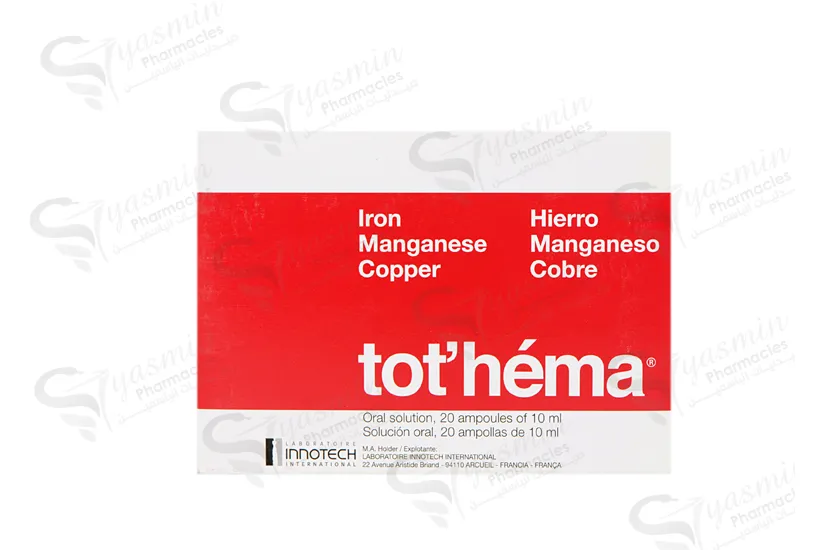
Tothema is a pharmaceutical preparation specifically formulated as an oral solution for the treatment and prevention of iron deficiency and iron deficiency anemia. Distinguished by its unique composition, Tothema combines iron gluconate with manganese gluconate and copper gluconate, offering a multi-mineral approach to hematopoiesis. This synergistic blend is designed to not only replete iron stores but also support the intricate metabolic pathways essential for effective iron utilization and red blood cell formation.
Iron deficiency anemia (IDA) is a global health concern, affecting millions worldwide. It arises when the body lacks sufficient iron to produce adequate hemoglobin, leading to symptoms like fatigue, pallor, shortness of breath, and impaired cognitive function. Tothema addresses this by providing readily absorbable ferrous iron (Fe2+), complemented by manganese and copper, which play crucial roles in iron metabolism and antioxidant defense. Its liquid form often facilitates better absorption and may be preferred by patients who have difficulty swallowing tablets or who experience significant gastrointestinal side effects with other iron preparations. This guide aims to provide an exhaustive overview of Tothema, covering its technical specifications, clinical applications, safety profile, and practical considerations for both patients and healthcare professionals.
Deep-Dive into Technical Specifications & Mechanisms
Composition and Active Ingredients
Tothema's efficacy stems from its carefully balanced multi-mineral composition:
- Iron (as Iron Gluconate): The primary active ingredient, providing ferrous iron (Fe2+).
- Manganese (as Manganese Gluconate): A vital trace element.
- Copper (as Copper Gluconate): Another essential trace element.
Each 10 ml ampoule typically contains:
* Ferrous gluconate equivalent to 50 mg of elemental iron.
* Manganese gluconate equivalent to 1.33 mg of elemental manganese.
* Copper gluconate equivalent to 0.70 mg of elemental copper.
Mechanism of Action
The therapeutic action of Tothema is multifaceted, leveraging the synergistic roles of its three mineral components:
Iron (Ferrous Gluconate)
- Hemoglobin Synthesis: Iron is an indispensable component of hemoglobin, the protein in red blood cells responsible for oxygen transport from the lungs to the tissues. In IDA, insufficient iron leads to reduced hemoglobin production, resulting in microcytic, hypochromic red blood cells and impaired oxygen delivery.
- Myoglobin & Enzyme Function: Iron is also crucial for myoglobin (oxygen storage in muscles) and various enzymes involved in cellular respiration, DNA synthesis, and energy production (e.g., cytochromes, catalase, peroxidase).
- Absorption: Ferrous iron (Fe2+) is the more readily absorbed form of iron in the gastrointestinal tract, primarily in the duodenum and upper jejunum. Iron gluconate is a salt of ferrous iron known for its good bioavailability and often better GI tolerability compared to some other iron salts.
Manganese (Manganese Gluconate)
- Enzyme Cofactor: Manganese acts as a cofactor for numerous enzymes, including arginase, pyruvate carboxylase, and superoxide dismutase (Mn-SOD), a potent antioxidant enzyme that protects cells from oxidative damage.
- Metabolic Roles: It plays roles in carbohydrate, lipid, and protein metabolism, as well as in bone formation and connective tissue synthesis. Its presence may contribute to overall cellular health during iron repletion.
Copper (Copper Gluconate)
- Iron Metabolism: Copper is critical for proper iron metabolism. It is essential for the synthesis of ceruloplasmin, a ferroxidase enzyme that oxidizes ferrous iron (Fe2+) to ferric iron (Fe3+), allowing it to bind to transferrin for transport to sites of red blood cell production in the bone marrow and storage. Without adequate copper, iron cannot be properly mobilized from stores or utilized effectively, even if iron levels are seemingly sufficient.
- Enzyme Cofactor: Copper is a cofactor for several vital enzymes, including cytochrome c oxidase (involved in cellular energy production), lysyl oxidase (collagen and elastin synthesis), and dopamine β-hydroxylase.
- Antioxidant Defense: Copper also contributes to antioxidant defense systems.
The combined action ensures not only the direct supply of iron but also the optimal conditions for its absorption, transport, utilization, and cellular protection, making Tothema a comprehensive solution for iron deficiency.
Pharmacokinetics
The pharmacokinetics of Tothema's components are crucial for understanding its clinical effects:
Iron
- Absorption: Elemental iron absorption is highly regulated and influenced by the body's iron stores and erythropoietic activity. In iron-deficient states, absorption can increase significantly (up to 20-30%). Iron gluconate is absorbed primarily in the duodenum and upper jejunum.
- Distribution: Once absorbed, ferrous iron is oxidized to ferric iron (Fe3+) and bound to transferrin in the plasma for transport to sites of erythropoiesis (bone marrow) and storage (liver, spleen, bone marrow) as ferritin and hemosiderin.
- Metabolism: Iron is not metabolized in the traditional sense but is continually recycled within the body. Old red blood cells are phagocytosed by macrophages, releasing iron which is then reused.
- Excretion: Iron excretion is minimal and largely unregulated, primarily occurring through the desquamation of epithelial cells from the skin, gastrointestinal tract, and urinary tract. Small amounts are lost in bile and sweat.
Manganese
- Absorption: Manganese absorption is relatively low (typically 3-5%) and can be influenced by iron status and other dietary factors.
- Distribution: Circulates bound to albumin and α2-macroglobulin. It is distributed to various tissues, with higher concentrations in the liver, pancreas, and bones.
- Excretion: Primarily excreted via the bile into the feces.
Copper
- Absorption: Copper absorption occurs mainly in the stomach and small intestine, influenced by dietary factors and zinc intake.
- Distribution: Absorbed copper binds initially to albumin, then is transported to the liver where it is incorporated into ceruloplasmin. Ceruloplasmin then transports copper to peripheral tissues.
- Excretion: The primary route of copper excretion is through the bile into the feces.
Extensive Clinical Indications & Usage
Tothema is indicated for the treatment and prevention of various forms of iron deficiency.
Detailed Indications
1. Treatment of Iron Deficiency Anemia (IDA)
Tothema is highly effective in treating IDA of diverse etiologies, including:
* Chronic Blood Loss:
* Menorrhagia: Heavy menstrual bleeding.
* Gastrointestinal Bleeding: Peptic ulcers, gastritis, hemorrhoids, diverticulosis, inflammatory bowel disease, or long-term NSAID use.
* Urinary Tract Bleeding: Hematuria.
* Increased Iron Demand:
* Pregnancy and Lactation: Significant physiological increase in maternal blood volume and fetal iron requirements.
* Rapid Growth in Children and Adolescents: Especially during growth spurts.
* Intense Physical Activity: Athletes may have increased iron turnover.
* Inadequate Dietary Intake:
* Vegetarian/Vegan Diets: If not adequately planned to include iron-rich plant foods and enhancers of absorption.
* Malnutrition: General dietary deficiencies.
* Malabsorption Syndromes:
* Celiac Disease: Damage to the small intestinal lining.
* Crohn's Disease/Ulcerative Colitis: Inflammation affecting absorption.
* Gastric Surgery: Gastrectomy, bariatric surgery, which reduce acid production or bypass absorption sites.
* Achlorhydria/Hypochlorhydria: Reduced stomach acid production, impairing iron solubility.
* Chronic Kidney Disease (CKD) and Dialysis: Patients often experience iron deficiency due to blood loss during dialysis, reduced erythropoietin production, and inflammation.
2. Prevention of Iron Deficiency
Tothema is also used prophylactically in populations at high risk of developing iron deficiency:
* Pregnant Women: Routine iron supplementation is recommended from the second trimester to prevent IDA.
* Lactating Mothers: To maintain maternal iron stores.
* Premature Infants and Low Birth Weight Infants: Higher iron needs.
* Adolescent Girls: Due to menstrual blood loss and rapid growth.
* Patients Undergoing Hemodialysis: To prevent anemia related to chronic blood loss.
* Individuals on Restrictive Diets: Especially strict vegetarians or vegans.
* After Significant Blood Loss: Post-surgery or trauma.
Dosage Guidelines
Dosage should be individualized based on the patient's iron status, severity of anemia, and response to treatment. Tothema is an oral solution that should be diluted in sweetened water or another non-alcoholic drink.
General Administration Guidelines:
- Dilution: Always dilute the contents of the ampoule in water or a non-alcoholic beverage before consumption.
- Timing: Best taken before meals to maximize absorption. If gastrointestinal upset occurs, it may be taken during or immediately after meals.
- Oral Hygiene: To minimize the risk of dental staining, dilute the solution well and rinse the mouth thoroughly with water after taking.
Typical Dosage Recommendations:
| Patient Group | Indication | Recommended Daily Dosage (Elemental Iron) | Duration of Treatment |
|---|---|---|---|
| Adults | Treatment of IDA | 100-200 mg (2-4 ampoules) | Until hemoglobin levels normalize, then 3-6 months to replete iron stores. |
| Prevention of IDA | 50-100 mg (1-2 ampoules) | As needed, particularly in high-risk groups. | |
| Pregnant Women | Treatment of IDA | 100-200 mg (2-4 ampoules) | Throughout pregnancy if diagnosed with IDA. |
| Prevention of IDA | 50 mg (1 ampoule) | From the 2nd trimester onwards. | |
| Children (>1 month) | Treatment of IDA | 5-10 mg/kg body weight | Until hemoglobin normalizes, then 2-3 months to replete stores. |
| Prevention of IDA | 1-2 mg/kg body weight | As advised by a pediatrician. |
Monitoring: Regular monitoring of hemoglobin, ferritin, transferrin saturation, and red blood cell indices is essential to assess treatment efficacy and guide duration. Treatment typically continues for at least 3-6 months after hemoglobin levels normalize to ensure adequate replenishment of body iron stores.
Risks, Side Effects, and Contraindications
While Tothema is generally well-tolerated, it is crucial to be aware of potential risks, side effects, and situations where its use is contraindicated.
Contraindications
Tothema should not be used in the following conditions:
- Hemosiderosis or Hemochromatosis: Conditions involving excessive iron accumulation in the body, as iron supplementation would exacerbate this.
- Non-Iron Deficiency Anemias: Such as hemolytic anemia, aplastic anemia, sideroblastic anemia, or thalassemia. Administering iron in these cases can lead to iron overload and is ineffective.
- Hypersensitivity: Known allergy or hypersensitivity to iron gluconate, manganese gluconate, copper gluconate, or any other component of the formulation.
- Active Peptic Ulcer Disease or Inflammatory Bowel Disease (severe): Iron can irritate the gastrointestinal mucosa.
- Repeated Blood Transfusions: Patients receiving frequent blood transfusions may already have increased iron load.
Potential Side Effects
Most side effects associated with oral iron supplementation are gastrointestinal in nature and are usually dose-dependent.
Common Side Effects (affecting >1 in 100 people):
- Gastrointestinal Upset: Nausea, vomiting, abdominal pain, stomach cramps, heartburn.
- Changes in Bowel Habits: Constipation or diarrhea.
- Darkening of Stools: This is a common and harmless effect due to unabsorbed iron and does not indicate internal bleeding.
- Metallic Taste: A temporary alteration in taste perception.
Less Common Side Effects (affecting <1 in 100 people):
- Dental Staining: Temporary darkening of teeth can occur, especially with liquid iron preparations. This can be minimized by diluting the solution well, drinking through a straw, and rinsing the mouth thoroughly after use.
- Allergic Reactions: Rarely, skin rash, itching, or more severe hypersensitivity reactions can occur.
Important Note:
If severe or persistent side effects occur, or if there are signs of an allergic reaction (e.g., swelling of the face, tongue, or throat; difficulty breathing), discontinue use and seek immediate medical attention.
Drug Interactions
Tothema can interact with various medications and certain foods, affecting either its absorption or the absorption of other drugs.
Interactions Reducing Tothema Absorption:
- Antacids, Proton Pump Inhibitors (PPIs), H2-receptor Blockers: Reduce stomach acidity, which is necessary for iron absorption. Separate administration by at least 2 hours.
- Calcium Supplements: Calcium can inhibit iron absorption. Separate administration by at least 2 hours.
- Tetracyclines and Quinolones (Antibiotics): Form insoluble complexes with iron, reducing the absorption of both. Separate administration by at least 2-3 hours.
- Cholestyramine: Binds to iron in the gut.
- Certain Foods:
- Dairy Products: Calcium in milk and cheese inhibits iron absorption.
- Tea and Coffee: Tannins and polyphenols can reduce iron absorption.
- High-Fiber Foods (e.g., whole grains, bran): Phytates can bind to iron.
- Eggs: Phosphoproteins can inhibit iron absorption.
Interactions Where Tothema Reduces Absorption of Other Drugs:
- Levothyroxine (Thyroid Hormone): Iron can impair its absorption. Separate administration by at least 4 hours.
- Bisphosphonates (for Osteoporosis): Iron can interfere with their absorption. Separate administration by at least 2-3 hours.
- Penicillamine: A chelating agent.
- Mycophenolate Mofetil: An immunosuppressant.
Other Interactions:
- Vitamin C (Ascorbic Acid): Enhances iron absorption when taken concurrently. This can be beneficial but should be considered in patients at risk of iron overload.
- Chloramphenicol: May delay the clearance of iron from plasma and impair iron utilization for hemoglobin synthesis.
Always inform your doctor or pharmacist about all medications, supplements, and herbal products you are taking to avoid potential interactions.
Pregnancy and Lactation Warnings
Pregnancy
Iron requirements significantly increase during pregnancy due to the expansion of maternal blood volume, fetal growth, and placental development. Iron deficiency anemia in pregnancy is common and can lead to adverse outcomes for both mother and baby.
* Safety: Tothema, providing essential iron, manganese, and copper, is generally considered safe and is often indicated for the treatment and prevention of iron deficiency anemia during pregnancy.
* Recommendation: Supplementation with iron is a standard recommendation for most pregnant women, especially from the second trimester onwards. The specific dosage and duration should be determined by a healthcare provider.
Lactation (Breastfeeding)
Iron is excreted into breast milk in small amounts, which are generally not harmful to the infant.
* Safety: Tothema can be safely used by breastfeeding mothers to maintain or replete their own iron stores without posing a risk to the nursing infant.
* Recommendation: As with pregnancy, a healthcare provider should guide the dosage for lactating mothers.
Overdose Management
Acute iron overdose, particularly in children, can be a medical emergency. Chronic iron overload can also lead to serious health complications.
Symptoms of Acute Overdose:
Symptoms typically progress in stages:
1. Initial Stage (0.5-6 hours post-ingestion): Gastrointestinal symptoms like severe nausea, vomiting (often bloody), diarrhea, abdominal pain, lethargy, pallor, and sometimes shock.
2. Latent Stage (6-24 hours): Apparent recovery, but internal damage may be progressing.
3. Third Stage (12-48 hours): Recurrence of severe GI symptoms, metabolic acidosis, coagulopathy, hypotension, liver damage (jaundice, elevated liver enzymes), renal failure, cardiovascular collapse, and potentially coma or death.
4. Fourth Stage (2-6 weeks): Possible gastric outlet obstruction or intestinal stricture due to scarring.
Symptoms of Chronic Overdose (Hemochromatosis):
Long-term excessive iron intake or genetic predispositions can lead to iron accumulation in organs like the liver, heart, and pancreas, causing:
* Liver damage (cirrhosis, liver failure, hepatocellular carcinoma)
* Heart failure
* Diabetes
* Arthritis
* Skin pigmentation ("bronze diabetes")
Overdose Management:
In case of suspected overdose, seek immediate medical attention.
1. Emergency Response: Contact emergency services or a poison control center immediately.
2. Gastric Decontamination:
* Emesis: Induced vomiting (if conscious and recent ingestion) may be considered but is often avoided due to risk of aspiration.
* Gastric Lavage: Performed in a healthcare setting to remove unabsorbed iron.
* Whole Bowel Irrigation: May be considered for large ingestions.
* Activated Charcoal: Generally not effective for iron adsorption.
3. Supportive Care: Manage shock, metabolic acidosis, fluid and electrolyte imbalances.
4. Chelation Therapy: In severe cases of iron toxicity, deferoxamine (an iron-chelating agent) may be administered intravenously to bind free iron and facilitate its excretion.
5. Monitoring: Close monitoring of vital signs, fluid balance, liver and kidney function, and serum iron levels is critical.
Prevention is key; store Tothema out of reach of children and adhere strictly to prescribed dosages.
Massive FAQ Section
Q1: What is Tothema used for?
A1: Tothema is an oral solution used for the treatment and prevention of iron deficiency and iron deficiency anemia. It provides elemental iron along with manganese and copper, which are crucial for optimal iron utilization and red blood cell formation.
Q2: How should I take Tothema?
A2: Tothema should always be diluted in water or another non-alcoholic beverage. It is best taken before meals to maximize absorption, but if it causes stomach upset, you can take it during or immediately after meals. Remember to rinse your mouth thoroughly after taking it to minimize dental staining.
Q3: Can Tothema cause dark stools?
A3: Yes, it is common for oral iron supplements like Tothema to cause your stools to turn dark or black. This is due to unabsorbed iron and is a harmless, expected side effect, not a sign of internal bleeding.
Q4: How long does it take for Tothema to work?
A4: You may start to feel an improvement in symptoms like fatigue within a few weeks. However, it typically takes 2-4 months for your hemoglobin levels to normalize and an additional 3-6 months to fully replenish your body's iron stores. Your doctor will monitor your blood tests to determine the appropriate duration of treatment.
Q5: Can I take Tothema during pregnancy?
A5: Yes, Tothema is generally considered safe and is often prescribed for the treatment and prevention of iron deficiency anemia during pregnancy. Iron requirements significantly increase during this period. Always consult your doctor for the correct dosage.
Q6: Are there any foods or drinks I should avoid while taking Tothema?
A6: Yes, certain foods and drinks can reduce iron absorption. These include dairy products, tea, coffee, and high-fiber foods. It's best to take Tothema at least 2 hours apart from these items. Vitamin C, however, can enhance iron absorption.
Q7: What if I miss a dose?
A7: If you miss a dose, take it as soon as you remember, unless it's almost time for your next dose. In that case, skip the missed dose and continue with your regular schedule. Do not take a double dose to make up for a missed one.
Q8: Can children take Tothema?
A8: Yes, Tothema can be prescribed for children older than 1 month for the treatment and prevention of iron deficiency anemia. The dosage will be determined by a pediatrician based on the child's weight and the severity of their condition.
Q9: What are the potential side effects of Tothema?
A9: The most common side effects are gastrointestinal, including nausea, vomiting, abdominal pain, constipation, or diarrhea. Dark stools are also common and harmless. Less common effects include a metallic taste and temporary dental staining. If side effects are severe or persistent, consult your doctor.
Q10: Is Tothema available over-the-counter?
A10: The availability of Tothema can vary by country. In many regions, it requires a prescription due to its specific formulation and the need for medical supervision to diagnose and monitor iron deficiency.
Q11: What makes Tothema different from other iron supplements?
A11: Tothema is unique because it combines iron gluconate with manganese gluconate and copper gluconate. Manganese and copper are essential trace elements that play synergistic roles in iron metabolism, helping the body to better absorb, transport, and utilize iron, thereby enhancing the overall efficacy of iron repletion.
Q12: How do I store Tothema?
A12: Store Tothema ampoules in their original packaging at room temperature, away from light and moisture. Keep all medications out of the reach and sight of children, as iron overdose can be very dangerous, especially for young children.