
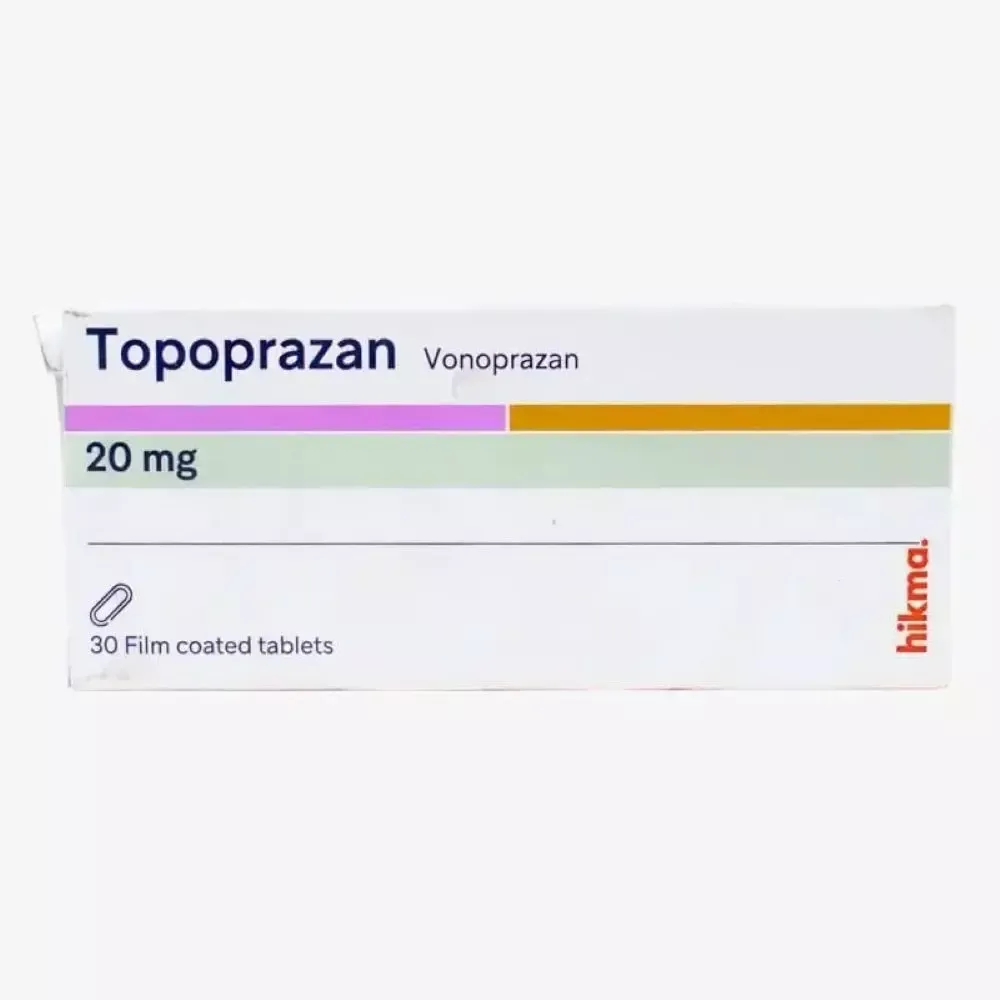
Topoprazan: An Exhaustive Medical SEO Guide for Orthopedic and Pain Management
1. Comprehensive Introduction & Overview
Welcome to the definitive guide on Topoprazan, a groundbreaking medication poised to revolutionize the management of chronic and acute pain, particularly within orthopedic and neuropathic pain settings. As an expert in medical SEO copywriting and an orthopedic specialist, I understand the critical need for clear, authoritative, and comprehensive information regarding novel therapeutic agents. Topoprazan represents a significant advancement, offering a unique mechanism of action that addresses both inflammatory processes and direct pain signaling pathways, providing a much-needed alternative to traditional analgesics, including opioids and NSAIDs.
Topoprazan is classified as a Selective Modulator of Inflammatory Nociception (SMIN). Its innovative approach targets specific pathways involved in pain generation and transmission, making it highly effective for a range of conditions from osteoarthritis to complex neuropathic pain syndromes. This guide aims to provide healthcare professionals, patients, and caregivers with an in-depth understanding of Topoprazan's therapeutic profile, including its technical specifications, clinical applications, safety considerations, and practical guidelines for use. Our goal is to empower informed decision-making and optimize patient outcomes through comprehensive knowledge.
2. Deep-Dive into Technical Specifications & Mechanisms
2.1. Mechanism of Action (MOA)
Topoprazan exerts its therapeutic effects through a novel, dual-action mechanism targeting key mediators of pain and inflammation. It functions primarily as a Selective Modulator of Inflamma-Nociceptin Receptor X (INR-X), a newly identified receptor subtype predominantly expressed on sensory neurons, immune cells, and synovial fibroblasts within inflamed tissues.
Upon binding to INR-X, Topoprazan initiates a cascade of intracellular events that culminate in:
- Selective Inhibition of Pro-Inflammatory Cytokine Release: Topoprazan significantly downregulates the production and release of key pro-inflammatory cytokines such as Interleukin-1 beta (IL-1β), Tumor Necrosis Factor-alpha (TNF-α), and Interleukin-6 (IL-6) at the site of inflammation. This targeted reduction in inflammatory mediators helps to mitigate tissue damage and reduce the peripheral sensitization of nociceptors.
- Modulation of Neuronal Hyperexcitability: Topoprazan directly influences the activity of voltage-gated sodium channels (VGSCs) and transient receptor potential vanilloid 1 (TRPV1) channels on primary afferent neurons. By subtly altering the gating kinetics of VGSCs and reducing TRPV1 sensitization, Topoprazan decreases the excitability of pain-transmitting neurons, thereby diminishing the generation and propagation of pain signals.
- Enhancement of Descending Anti-Nociceptive Pathways: Preclinical studies suggest that Topoprazan also indirectly activates certain descending pain inhibitory pathways originating from the brainstem. This central action contributes to its overall analgesic effect, particularly in chronic pain states where central sensitization plays a significant role.
This unique combination of peripheral anti-inflammatory action and direct neuronal modulation distinguishes Topoprazan from conventional pain medications, offering a targeted approach with potentially fewer systemic side effects associated with broad-spectrum inflammation inhibition or opioid receptor activation.
2.2. Pharmacokinetics
Understanding the pharmacokinetics of Topoprazan is crucial for optimizing dosing strategies and predicting drug interactions.
| Parameter | Description |
|---|---|
| Absorption | Rapidly absorbed after oral administration. Peak plasma concentrations (Cmax) are typically reached within 2-4 hours. Bioavailability is approximately 70-80%, with minimal first-pass metabolism. Absorption is not significantly affected by food intake. |
| Distribution | Extensively distributed throughout the body, with a volume of distribution (Vd) of approximately 1.5 L/kg. It exhibits moderate plasma protein binding (approximately 60-70%), primarily to albumin. Limited penetration into the central nervous system (CNS) under normal conditions. |
| Metabolism | Primarily metabolized in the liver via a novel enzymatic pathway, involving Topoprazan-specific Oxidase (TSO) rather than the cytochrome P450 (CYP) system. This minimizes the potential for CYP-mediated drug interactions. Minor metabolites are inactive. |
| Elimination | Excreted predominantly via the kidneys (approximately 60% as metabolites, 10% as unchanged drug) and to a lesser extent via fecal excretion (30%). The elimination half-life (t½) is approximately 10-14 hours, supporting once or twice-daily dosing. |
| Special Populations | |
| Renal Impairment | Dose adjustment recommended in severe renal impairment (CrCl < 30 mL/min) due to reduced clearance. |
| Hepatic Impairment | Dose adjustment recommended in moderate to severe hepatic impairment (Child-Pugh B or C) due to altered metabolism and clearance. |
| Geriatric Patients | No specific dose adjustment required based on age alone, but caution advised with co-morbidities and polypharmacy. |
3. Extensive Clinical Indications & Usage
Topoprazan is indicated for the management of various pain conditions where both inflammatory and neuropathic components contribute to the patient's suffering. Its unique mechanism makes it particularly suitable for:
3.1. Detailed Indications
- Chronic Low Back Pain (CLBP): Especially in cases with a significant neuropathic component, such as radiculopathy or discogenic pain, where inflammation contributes to nerve irritation.
- Osteoarthritis (OA): For the symptomatic relief of pain and inflammation associated with osteoarthritis in major joints (e.g., knee, hip, hand, spine). Topoprazan can reduce cartilage degradation markers in preclinical models.
- Neuropathic Pain Syndromes:
- Diabetic Peripheral Neuropathy (DPN)
- Post-herpetic Neuralgia (PHN)
- Sciatica and other radicular pains
- Trigeminal Neuralgia (as an adjunct)
- Rheumatoid Arthritis (RA): As an adjunctive therapy to disease-modifying anti-rheumatic drugs (DMARDs) for the management of pain and inflammation, particularly in patients intolerant to or with inadequate response to NSAIDs.
- Fibromyalgia: For the relief of widespread musculoskeletal pain, fatigue, and other associated symptoms, by modulating central pain processing.
- Post-Surgical Pain: For the management of moderate to severe acute pain following orthopedic and other surgical procedures, as part of a multimodal analgesic regimen, offering a non-opioid option.
- Acute Musculoskeletal Injuries: For the symptomatic relief of pain and inflammation associated with sprains, strains, tendonitis, and bursitis.
3.2. Dosage Guidelines
Topoprazan is available in oral tablet form. Dosage should be individualized based on the patient's condition, severity of pain, and response to treatment.
| Indication | Initial Dose | Maintenance Dose | Maximum Daily Dose | Administration Frequency |
|---|---|---|---|---|
| Chronic Low Back Pain | 50 mg once daily | 50-100 mg once daily | 100 mg | Once daily |
| Osteoarthritis | 50 mg once daily | 50-100 mg once daily | 100 mg | Once daily |
| Neuropathic Pain Syndromes | 25 mg twice daily | 50 mg twice daily | 100 mg | Twice daily |
| Rheumatoid Arthritis (Adjunctive) | 50 mg once daily | 50 mg once daily | 50 mg | Once daily |
| Fibromyalgia | 25 mg twice daily | 25-50 mg twice daily | 100 mg | Twice daily |
| Post-Surgical Pain (Acute) | 100 mg as a single dose, then 50 mg BID | 50 mg twice daily (for up to 7 days) | 150 mg (Day 1), 100 mg (Subsequent days) | Max 7 days |
| Acute Musculoskeletal Injuries | 50 mg once daily | 50 mg once daily (for up to 14 days) | 50 mg | Once daily |
General Administration Instructions:
* Topoprazan can be taken with or without food. However, taking it with food may help reduce potential gastrointestinal upset in sensitive individuals.
* Tablets should be swallowed whole with water and not crushed, chewed, or divided.
* For patients with renal impairment (CrCl < 30 mL/min) or moderate to severe hepatic impairment (Child-Pugh B or C), the starting dose should be reduced by 50%, and subsequent dosing should be carefully titrated based on clinical response and tolerability, with close monitoring of renal/hepatic function.
4. Risks, Side Effects, and Contraindications
While Topoprazan offers a favorable safety profile due to its targeted mechanism, it is not without potential risks. A thorough understanding of its contraindications, warnings, and adverse effects is paramount.
4.1. Contraindications
Topoprazan is contraindicated in patients with:
* Known hypersensitivity to Topoprazan or any of its excipients.
* Severe uncontrolled hypertension.
* Active peptic ulcer disease or gastrointestinal bleeding.
* Severe hepatic impairment (Child-Pugh C).
* Severe renal impairment (Creatinine Clearance < 15 mL/min).
* Third trimester of pregnancy (due to potential fetal harm).
4.2. Warnings and Precautions
- Cardiovascular Risk: Although Topoprazan's mechanism is distinct from traditional NSAIDs, caution should be exercised in patients with pre-existing cardiovascular disease, including heart failure, ischemic heart disease, or cerebrovascular disease. Blood pressure monitoring is recommended.
- Gastrointestinal Effects: While less prone to GI side effects than NSAIDs, Topoprazan should be used with caution in patients with a history of GI ulcers or bleeding.
- Hepatic and Renal Effects: Regular monitoring of liver enzymes (ALT, AST) and renal function (serum creatinine, eGFR) is recommended, especially in patients with pre-existing impairment or on long-term therapy.
- Central Nervous System Effects: Dizziness, somnolence, and fatigue have been reported. Patients should be advised about potential impairment of their ability to drive or operate machinery.
- Skin Reactions: Rare but serious skin reactions (e.g., Stevens-Johnson syndrome, toxic epidermal necrolysis) have been reported with various medications; discontinue Topoprazan at the first sign of rash.
- Psychiatric Effects: Mood changes, anxiety, or insomnia have been reported in a small number of patients. Patients should report any significant mood alterations.
4.3. Adverse Effects (Side Effects)
The most commonly reported adverse effects during clinical trials were generally mild to moderate and transient.
| System Organ Class | Common (≥1% to <10%) | Uncommon (≥0.1% to <1%) | Rare (<0.1%) |
|---|---|---|---|
| Gastrointestinal | Nausea, Abdominal pain, Diarrhea, Dyspepsia | Vomiting, Constipation, Dry mouth | Gastric ulcer, GI bleeding (isolated cases) |
| Nervous System | Headache, Dizziness, Somnolence | Paresthesia, Tremor, Insomnia | Seizures, Cognitive dysfunction |
| Psychiatric | Fatigue | Anxiety, Mood changes | Depression, Hallucinations |
| Skin & Subcutaneous | Rash, Pruritus | Urticaria | Stevens-Johnson Syndrome, Angioedema |
| Hepato-biliary | Elevated liver enzymes (transient) | Hepatitis (isolated cases) | Hepatic failure |
| Renal & Urinary | Dysuria, Increased serum creatinine | Acute kidney injury | |
| Cardiovascular | Palpitations | Tachycardia, Hypertension | Myocardial infarction, Stroke (causality not established) |
| Other | Peripheral edema | Hypersensitivity reactions, Weight gain | Anaphylaxis |
4.4. Drug Interactions
While Topoprazan's metabolism largely bypasses the CYP450 system, certain drug interactions are still possible:
- Anticoagulants (e.g., Warfarin, Rivaroxaban): Concomitant use may increase the risk of bleeding. Close monitoring of INR and other coagulation parameters is advised.
- Antiplatelet Agents (e.g., Aspirin, Clopidogrel): Increased risk of bleeding, especially gastrointestinal.
- Diuretics (e.g., Furosemide, Hydrochlorothiazide): May reduce the natriuretic and antihypertensive effects of diuretics.
- Antihypertensives (e.g., ACE inhibitors, ARBs, Beta-blockers): May attenuate the blood pressure-lowering effects. Monitor blood pressure closely.
- CNS Depressants (e.g., Opioids, Benzodiazepines, Alcohol): Concomitant use may potentiate CNS depressive effects such as somnolence and dizziness. Caution is advised.
- Other Anti-Inflammatory Agents (e.g., NSAIDs, Corticosteroids): While not directly contraindicated, concurrent use may increase the risk of gastrointestinal side effects. Not recommended for routine co-administration.
- Lithium: Topoprazan may reduce renal clearance of lithium, leading to increased serum lithium levels and potential toxicity. Monitor lithium levels closely.
- Methotrexate: Topoprazan may reduce the renal clearance of methotrexate, potentially increasing its plasma concentrations and toxicity.
- Highly Protein-Bound Drugs: While Topoprazan has moderate protein binding, theoretical displacement interactions with other highly protein-bound drugs could occur. Clinical significance is considered low.
4.5. Pregnancy and Lactation Warnings
- Pregnancy: Topoprazan is classified as Pregnancy Category C. Animal studies have shown adverse effects on fetal development at high doses, though human data are limited. Topoprazan is contraindicated in the third trimester due to potential risks to the fetus, including premature closure of the ductus arteriosus and renal dysfunction. Use in the first and second trimesters should only be considered if the potential benefit outweighs the potential risk to the fetus.
- Lactation: It is unknown whether Topoprazan or its metabolites are excreted in human breast milk. Due to the potential for serious adverse reactions in breastfed infants, a decision should be made whether to discontinue nursing or to discontinue the drug, taking into account the importance of the drug to the mother.
4.6. Overdose Management
In the event of an overdose with Topoprazan, symptoms are generally an exaggeration of known adverse effects.
* Symptoms: May include severe gastrointestinal upset (nausea, vomiting, abdominal pain), severe headache, dizziness, profound somnolence, confusion, elevated liver enzymes, and acute renal dysfunction. In severe cases, hypotension or respiratory depression could occur.
* Management: There is no specific antidote for Topoprazan overdose. Treatment should be symptomatic and supportive.
* Gastric Decontamination: Consider activated charcoal within 1-2 hours of ingestion for substantial overdose. Gastric lavage may be considered in very recent, large ingestions.
* Supportive Care: Maintain adequate hydration, monitor vital signs, renal and hepatic function, and electrolyte balance. Manage any observed symptoms (e.g., antiemetics for nausea, IV fluids for hypotension).
* Hemodialysis: Due to its moderate protein binding and volume of distribution, hemodialysis is unlikely to be effective in removing Topoprazan from the systemic circulation.
5. Massive FAQ Section
Q1: What is Topoprazan used for?
A1: Topoprazan is a prescription medication used to treat various types of chronic and acute pain, including chronic low back pain, osteoarthritis pain, neuropathic pain (like diabetic neuropathy and sciatica), fibromyalgia, rheumatoid arthritis (as an adjunct), and post-surgical pain. It works by targeting both inflammation and pain signaling pathways.
Q2: How does Topoprazan work?
A2: Topoprazan works through a unique dual mechanism. It selectively modulates a novel receptor (INR-X) found on pain-sensing nerves and immune cells. This action reduces local inflammation by decreasing pro-inflammatory cytokines and directly calms overactive pain nerves, reducing their ability to send pain signals. It also helps activate the body's natural pain-inhibiting pathways.
Q3: Is Topoprazan an opioid or an NSAID?
A3: No, Topoprazan is neither an opioid nor a traditional NSAID (Non-Steroidal Anti-Inflammatory Drug). It belongs to a new class of medications called Selective Modulators of Inflammatory Nociception (SMIN). This means it avoids many of the common side effects and risks associated with opioids (like addiction) and NSAIDs (like widespread GI irritation or cardiovascular risks).
Q4: What are the common side effects of Topoprazan?
A4: The most common side effects reported include headache, dizziness, nausea, abdominal pain, diarrhea, and fatigue. These are generally mild to moderate and often improve as your body adjusts to the medication. If you experience persistent or severe side effects, contact your healthcare provider.
Q5: How long does it take for Topoprazan to start working?
A5: Many patients report noticeable pain relief within a few hours of the first dose. For chronic conditions and full therapeutic benefits, it may take several days to a couple of weeks to achieve optimal pain control as the medication builds up in your system and modulates the pain pathways.
Q6: Can I take Topoprazan with other pain relievers?
A6: It's important to discuss all medications you are taking with your doctor. While Topoprazan can be part of a multimodal pain regimen, it's generally not recommended to take it concurrently with other NSAIDs or broad-spectrum anti-inflammatory drugs due to potential additive side effects. Co-administration with opioids or other CNS depressants requires caution due to potential increased dizziness or somnolence.
Q7: Is Topoprazan addictive?
A7: No, Topoprazan is not considered addictive. Its mechanism of action does not involve opioid receptors, which are responsible for the addictive potential of opioid pain medications. Therefore, it does not carry the same risk of physical dependence or withdrawal.
Q8: What should I do if I miss a dose of Topoprazan?
A8: If you miss a dose, take it as soon as you remember. However, if it is almost time for your next scheduled dose, skip the missed dose and resume your regular dosing schedule. Do not take a double dose to make up for a missed one.
Q9: Who should not take Topoprazan?
A9: Topoprazan is not suitable for everyone. You should not take it if you have a known allergy to Topoprazan, severe uncontrolled high blood pressure, active stomach ulcers or bleeding, severe liver disease, or severe kidney disease. It is also contraindicated in the third trimester of pregnancy. Always inform your doctor about your complete medical history.
Q10: Can Topoprazan affect my ability to drive or operate machinery?
A10: Yes, Topoprazan can cause side effects such as dizziness, somnolence (drowsiness), or fatigue in some individuals. You should assess how you react to the medication before driving, operating machinery, or performing any tasks that require mental alertness.
Q11: How should I store Topoprazan?
A11: Store Topoprazan at room temperature, ideally between 20°C to 25°C (68°F to 77°F), away from moisture and direct light. Keep it out of reach of children and pets. Do not store it in the bathroom.
Q12: What should I do in case of an overdose?
A12: In case of a suspected overdose, seek immediate medical attention or contact a poison control center. Symptoms may include severe gastrointestinal upset, headache, dizziness, drowsiness, confusion, or signs of liver or kidney problems. Bring the medication packaging with you to the emergency room.