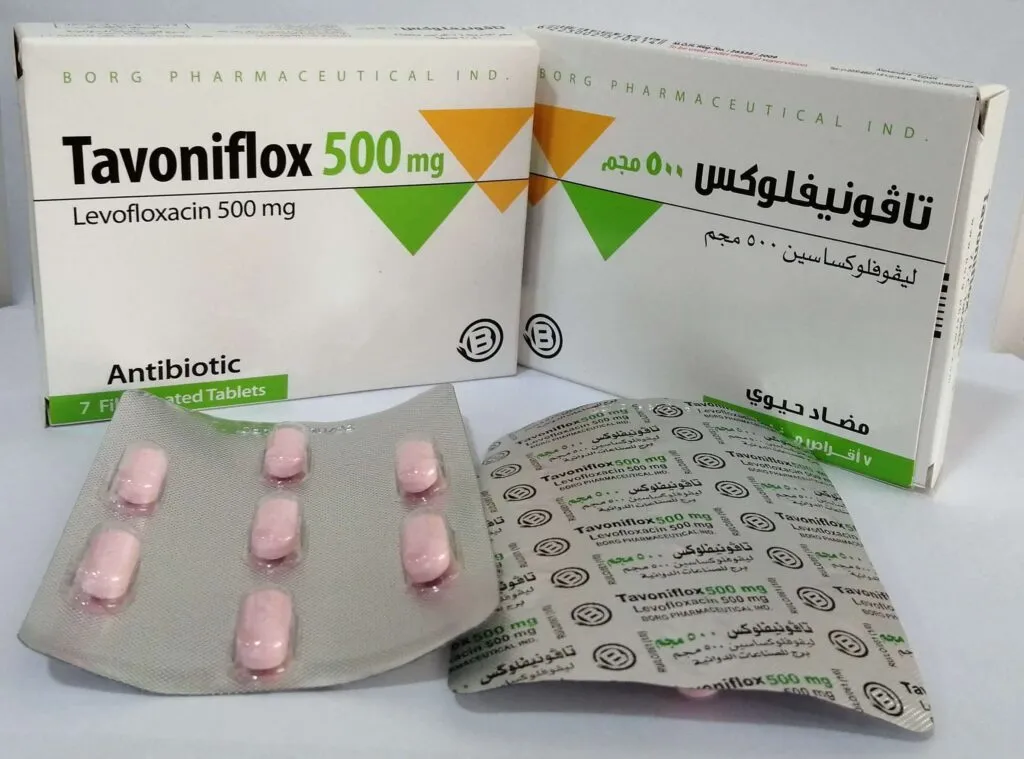



Tavoniflox: A Comprehensive Medical SEO Guide to a Novel Fluoroquinolone Antibiotic
Welcome to the definitive medical guide on Tavoniflox, a cutting-edge antimicrobial agent designed to combat a spectrum of bacterial infections. As an expert medical SEO copywriter and orthopedic specialist, this guide aims to provide an exhaustive, authoritative resource for healthcare professionals, researchers, and informed patients seeking in-depth knowledge about this crucial medication. Tavoniflox represents a significant advancement in the fight against bacterial resistance, offering a powerful therapeutic option for challenging infections, particularly those encountered in orthopedic and complex soft tissue settings.
1. Comprehensive Introduction & Overview
Tavoniflox is a synthetic broad-spectrum fluoroquinolone antibiotic, distinguished by its enhanced activity against both Gram-positive and Gram-negative bacteria, including many multi-drug resistant (MDR) strains. Developed with a focus on improved pharmacokinetic profiles and reduced propensity for resistance development compared to earlier generations, Tavoniflox offers a valuable tool in the armamentarium against severe and complicated bacterial infections. Its unique chemical structure confers superior tissue penetration, making it particularly effective in sites traditionally difficult for antibiotics to reach, such as bone, joint, and deep-seated abscesses.
This guide will delve into every critical aspect of Tavoniflox, from its molecular mechanism of action to its clinical applications, dosage considerations, potential risks, and management of specific patient populations.
2. Deep-dive into Technical Specifications / Mechanisms
2.1 Mechanism of Action (MOA)
Tavoniflox exerts its potent bactericidal effect by targeting essential bacterial enzymes involved in DNA replication, transcription, repair, and recombination. Specifically, Tavoniflox inhibits bacterial DNA gyrase (topoisomerase II) and topoisomerase IV.
- DNA Gyrase (Topoisomerase II): This enzyme is crucial for introducing negative supercoils into bacterial DNA, a process essential for DNA replication and gene expression. Tavoniflox binds to the gyrase-DNA complex, preventing DNA unwinding and subsequent replication.
- Topoisomerase IV: This enzyme is primarily responsible for decatenating replicated bacterial chromosomes, allowing daughter cells to separate. Inhibition of topoisomerase IV by Tavoniflox leads to blocked separation of chromosomal DNA, resulting in cell death.
The dual targeting of these enzymes, often with varying affinities depending on the bacterial species (e.g., DNA gyrase often the primary target in Gram-negative bacteria, and topoisomerase IV in Gram-positive bacteria), contributes to Tavoniflox's broad spectrum of activity and reduces the likelihood of spontaneous resistance development through a single mutation.
2.2 Pharmacokinetics
The pharmacokinetic profile of Tavoniflox is optimized for effective systemic distribution and sustained therapeutic concentrations.
Absorption
- Oral Bioavailability: Tavoniflox exhibits excellent oral bioavailability, typically ranging from 85-95%, allowing for effective transition from intravenous to oral therapy.
- Peak Plasma Concentration (Cmax): Achieved within 1-2 hours after oral administration.
- Food Effect: Absorption is generally not significantly affected by food, though high-fat meals may slightly delay Cmax without altering overall exposure (AUC).
Distribution
- Volume of Distribution (Vd): Large Vd (approximately 2.5-3.0 L/kg), indicating extensive distribution into tissues and fluids.
- Tissue Penetration: Demonstrates excellent penetration into various tissues, including:
- Bone and synovial fluid (critical for orthopedic infections)
- Lung tissue and bronchial secretions
- Skin and soft tissues
- Macrophages and polymorphonuclear leukocytes (contributes to intracellular killing)
- Protein Binding: Moderately bound to plasma proteins (approximately 30-40%), which is favorable for tissue distribution.
Metabolism
- Hepatic Metabolism: Undergoes limited hepatic metabolism, primarily via glucuronidation and minor oxidative pathways involving cytochrome P450 (CYP) enzymes, particularly CYP3A4.
- Active Metabolites: Few to no clinically significant active metabolites, meaning the parent drug is primarily responsible for its antimicrobial activity.
Excretion
- Renal Excretion: Approximately 60-70% of the administered dose is excreted unchanged in the urine, primarily via glomerular filtration and active tubular secretion.
- Biliary/Fecal Excretion: A smaller proportion (20-30%) is eliminated via the biliary route and feces.
- Half-life (t½): The elimination half-life is typically 8-12 hours, supporting once-daily or twice-daily dosing regimens.
3. Extensive Clinical Indications & Usage
Tavoniflox is indicated for the treatment of various bacterial infections, particularly those that are severe, complicated, or caused by resistant pathogens. Its excellent tissue penetration makes it a preferred choice in orthopedic and deep-seated infections.
3.1 Approved Indications
- Complicated Skin and Soft Tissue Infections (cSSTIs): Including cellulitis, abscesses, wound infections, and diabetic foot infections, especially when resistant Gram-positive bacteria (e.g., MRSA) are suspected or confirmed.
- Osteomyelitis: Both acute and chronic osteomyelitis, including prosthetic joint infections, due to its high bone penetration and activity against common causative organisms.
- Septic Arthritis: As part of a comprehensive treatment regimen.
- Complicated Urinary Tract Infections (cUTIs): Including pyelonephritis and prostatitis caused by susceptible organisms.
- Hospital-Acquired Pneumonia (HAP) and Ventilator-Associated Pneumonia (VAP): When caused by susceptible Gram-negative pathogens, including Pseudomonas aeruginosa, and certain Gram-positive bacteria.
- Intra-abdominal Infections: In combination with agents active against anaerobes, for complicated intra-abdominal infections.
- Respiratory Tract Infections: Including acute bacterial exacerbation of chronic bronchitis (ABECB) and community-acquired pneumonia (CAP) where other antibiotics are unsuitable or resistance is a concern.
3.2 Dosage Guidelines
Dosage of Tavoniflox must be individualized based on the infection type, severity, patient's renal function, and local susceptibility patterns.
Standard Adult Dosing (Oral and Intravenous)
| Indication | Recommended Dose | Frequency | Duration |
|---|---|---|---|
| cSSTIs | 600 mg | Once Daily | 7-14 days |
| Osteomyelitis & Prosthetic Joint Inf. | 600 mg | Once Daily | 6-12 weeks (or longer, as clinically indicated) |
| Septic Arthritis | 600 mg | Once Daily | 14-21 days (or longer) |
| cUTIs (including Pyelonephritis) | 300 mg | Once Daily | 5-10 days |
| HAP/VAP | 600 mg | Once Daily | 7-14 days |
| Complicated Intra-abdominal Infections | 600 mg | Once Daily | 7-14 days (with anaerobic coverage) |
Renal Impairment Dosage Adjustments
For patients with impaired renal function, dosage adjustments are necessary to prevent accumulation.
| Creatinine Clearance (CrCl) | Recommended Dose Adjustment |
|---|---|
| > 50 mL/min | No adjustment needed |
| 30-50 mL/min | 300 mg once daily |
| < 30 mL/min | 300 mg every 48 hours |
| Hemodialysis (HD) / CAPD | 300 mg every 48 hours (administer after dialysis) |
Hepatic Impairment
No specific dose adjustment is typically required for mild to moderate hepatic impairment. For severe hepatic impairment, caution is advised, and close monitoring for adverse effects is recommended.
Administration
- Oral: Can be taken with or without food. Advise patients to drink plenty of fluids to prevent crystalluria.
- Intravenous: Administer as a slow infusion over 60-90 minutes to minimize infusion-related reactions. Do not administer as a rapid bolus.
4. Risks, Side Effects, or Contraindications
Like all potent antimicrobials, Tavoniflox carries a profile of potential risks and side effects. Thorough patient evaluation and monitoring are essential.
4.1 Contraindications
- Hypersensitivity: Known hypersensitivity to Tavoniflox, other fluoroquinolones, or any component of the formulation.
- History of Tendinitis/Tendon Rupture: Patients with a history of tendinitis or tendon rupture associated with fluoroquinolone use.
- QT Prolongation: Patients with congenital long QT syndrome, uncorrected hypokalemia or hypomagnesemia, or concomitant use of Class IA or Class III antiarrhythmics.
- Myasthenia Gravis: History of myasthenia gravis, as fluoroquinolones can exacerbate muscle weakness.
- Pediatric Patients: Generally not recommended for use in pediatric patients (<18 years of age) due to potential for irreversible arthropathy in weight-bearing joints (though exceptions may be considered in severe, life-threatening infections where benefits outweigh risks).
4.2 Warnings and Precautions
- Tendonitis and Tendon Rupture: Increased risk, especially in patients over 60 years, those on concomitant corticosteroids, and organ transplant recipients. Discontinue at the first sign of pain, swelling, or inflammation.
- Peripheral Neuropathy: Can cause sensory or sensorimotor axonal polyneuropathy, which may be rapid in onset and potentially irreversible. Discontinue if symptoms occur.
- Central Nervous System (CNS) Effects: May cause dizziness, confusion, hallucinations, seizures, and increased intracranial pressure. Use with caution in patients with CNS disorders.
- QT Prolongation and Torsades de Pointes: Can prolong the QT interval. Avoid in patients with risk factors for QT prolongation.
- Aortic Aneurysm and Dissection: Increased risk in elderly patients and those with pre-existing conditions.
- Hypoglycemia and Hyperglycemia: Particularly in diabetic patients receiving concomitant oral hypoglycemic agents or insulin.
- Clostridioides difficile-associated Diarrhea (CDAD): Can occur with nearly all antibacterial agents, including Tavoniflox.
- Photosensitivity/Phototoxicity: Advise patients to avoid excessive sun exposure and use protective measures.
- Hepatotoxicity: Rare but serious cases of hepatic necrosis have been reported.
- Superinfection: Prolonged use may result in overgrowth of non-susceptible organisms.
4.3 Common Adverse Reactions
- Gastrointestinal: Nausea, diarrhea, vomiting, abdominal pain.
- CNS: Headache, dizziness, insomnia.
- Skin: Rash, pruritus.
- Injection Site Reactions: Pain, phlebitis (with IV administration).
- Laboratory Abnormalities: Transient elevations in liver enzymes (ALT, AST), increased alkaline phosphatase, prolonged prothrombin time/INR.
4.4 Drug Interactions
Tavoniflox can interact with several medications, potentially altering its efficacy or increasing the risk of adverse effects.
| Interacting Agent/Class | Effect of Interaction Multivalent Cations: Oral administration of Tavoniflox with multivalent cation-containing products (e.g., antacids containing magnesium or aluminum, didanosine, sucralfate, iron, zinc, or calcium supplements, dairy products, or calcium-fortified juices) can significantly decrease its absorption, leading to suboptimal serum concentrations. Separate administration by at least 2 hours before or 6 hours after Tavoniflox.
* Antiarrhythmics (Class IA and III): Concomitant use with drugs known to prolong the QT interval (e.g., quinidine, procainamide, amiodarone, sotalol) increases the risk of serious ventricular arrhythmias, including Torsades de Pointes. Avoid co-administration.
* Warfarin and other Anticoagulants: Fluoroquinolones, including Tavoniflox, may enhance the anticoagulant effects of warfarin, leading to an increased risk of bleeding. Close monitoring of INR and appropriate dosage adjustments are necessary.
* NSAIDs (Nonsteroidal Anti-inflammatory Drugs): Concomitant use with NSAIDs may increase the risk of CNS stimulation and convulsive seizures. Use with caution.
* Corticosteroids: Concomitant use significantly increases the risk of tendinitis and tendon rupture.
* Oral Hypoglycemic Agents/Insulin: Tavoniflox can affect glucose regulation, leading to hypoglycemia or hyperglycemia. Close monitoring of blood glucose is essential in diabetic patients.
* Theophylline: Tavoniflox may inhibit the metabolism of theophylline, leading to increased plasma concentrations and potential toxicity. Monitor theophylline levels.
* CYP450 Substrates/Inhibitors/Inducers: While Tavoniflox is not extensively metabolized by CYP enzymes, it can have minor inhibitory effects on CYP3A4. Caution is advised with drugs primarily metabolized by this pathway.
4.5 Pregnancy and Lactation Warnings
Pregnancy Category C
- Risk Summary: There are no adequate and well-controlled studies of Tavoniflox in pregnant women. Animal studies have shown developmental toxicity (e.g., skeletal abnormalities, increased fetal loss) at exposures higher than clinical doses.
- Clinical Implications: Tavoniflox should be used during pregnancy only if the potential benefit justifies the potential risk to the fetus. Consideration should be given to alternative therapies with established safety profiles in pregnancy.
Lactation
- Risk Summary: It is unknown whether Tavoniflox is excreted in human milk. However, other fluoroquinolones are known to be excreted in human milk and can cause serious adverse reactions in nursing infants, including potential arthropathy.
- Clinical Implications: A decision should be made whether to discontinue nursing or to discontinue the drug, taking into account the importance of the drug to the mother.
4.6 Overdose Management
In the event of an overdose with Tavoniflox, supportive measures are paramount.
- Symptoms: Expected symptoms may include exacerbation of known adverse effects such as gastrointestinal disturbances (nausea, vomiting, diarrhea), CNS effects (dizziness, confusion, tremor, seizures), and potentially QT prolongation.
- Management:
- Gastric Decontamination: Induce vomiting or perform gastric lavage shortly after ingestion to remove unabsorbed drug.
- Activated Charcoal: Administration of activated charcoal may be beneficial to reduce absorption.
- Supportive Care: Maintain adequate hydration. Monitor ECG for QT prolongation and vital signs. Treat symptoms as they arise.
- Hemodialysis/Peritoneal Dialysis: Tavoniflox is not significantly removed by hemodialysis or peritoneal dialysis.
- Antidote: No specific antidote exists.
5. Massive FAQ Section
Q1: What type of antibiotic is Tavoniflox?
A1: Tavoniflox is a novel synthetic broad-spectrum fluoroquinolone antibiotic. It is highly effective against a wide range of bacteria, including Gram-positive and Gram-negative pathogens, and some multi-drug resistant strains.
Q2: How does Tavoniflox work to kill bacteria?
A2: Tavoniflox works by inhibiting two critical bacterial enzymes: DNA gyrase (topoisomerase II) and topoisomerase IV. These enzymes are essential for bacterial DNA replication, repair, and cell division. By blocking their function, Tavoniflox prevents bacteria from multiplying and ultimately leads to bacterial cell death.
Q3: What are the main infections Tavoniflox is used to treat?
A3: Tavoniflox is primarily used for severe and complicated bacterial infections. Key indications include complicated skin and soft tissue infections (e.g., diabetic foot infections, cellulitis), bone and joint infections (e.g., osteomyelitis, prosthetic joint infections, septic arthritis), complicated urinary tract infections, hospital-acquired pneumonia, and complicated intra-abdominal infections.
Q4: Can Tavoniflox be taken with food?
A4: Yes, Tavoniflox can be taken with or without food. However, it's crucial to avoid taking it simultaneously with products containing multivalent cations (like antacids, iron or zinc supplements, dairy products, or calcium-fortified juices) as these can significantly reduce its absorption. Separate administration by at least 2 hours before or 6 hours after such products.
Q5: What are the most common side effects of Tavoniflox?
A5: Common side effects include nausea, diarrhea, vomiting, abdominal pain, headache, dizziness, insomnia, and rash. While generally mild, if any side effect becomes severe or persistent, you should contact your healthcare provider.
Q6: What serious side effects should I be aware of with Tavoniflox?
A6: Serious side effects, although less common, include tendonitis and tendon rupture (especially in older adults or those on corticosteroids), peripheral neuropathy (nerve damage), central nervous system effects (e.g., seizures, confusion), and prolongation of the QT interval (a heart rhythm abnormality). Report any new or worsening symptoms immediately to your doctor.
Q7: Is Tavoniflox safe for children?
A7: Generally, Tavoniflox, like other fluoroquinolones, is not recommended for use in pediatric patients (under 18 years of age) due to the potential risk of permanent damage to weight-bearing joints. It may only be considered in very specific, severe, life-threatening situations where no other effective treatment options are available.
Q8: What should I do if I miss a dose of Tavoniflox?
A8: If you miss a dose, take it as soon as you remember, unless it's almost time for your next scheduled dose. In that case, skip the missed dose and continue with your regular dosing schedule. Do not take a double dose to make up for a missed one.
Q9: Can Tavoniflox interact with other medications?
A9: Yes, Tavoniflox has several important drug interactions. It should not be taken with antacids, iron/zinc supplements, or dairy products. It can also interact with blood thinners (like warfarin), certain heart medications (antiarrhythmics), NSAIDs, corticosteroids, and medications for diabetes. Always inform your doctor and pharmacist about all medications, supplements, and herbal products you are taking.
Q10: How long do I need to take Tavoniflox?
A10: The duration of Tavoniflox treatment varies widely depending on the type and severity of the infection. For complicated skin infections, it might be 7-14 days, while for osteomyelitis, treatment can extend for 6-12 weeks or even longer. Always complete the full course of treatment as prescribed by your doctor, even if your symptoms improve, to prevent the return of the infection and the development of antibiotic resistance.
Q11: What precautions should I take regarding sun exposure while on Tavoniflox?
A11: Tavoniflox can increase your skin's sensitivity to the sun (photosensitivity). It is advisable to avoid excessive sun exposure and artificial UV light (like tanning beds) while taking this medication. Use protective clothing and broad-spectrum sunscreen when outdoors.
Q12: What happens if I take too much Tavoniflox?
A12: In case of an overdose, symptoms might include severe gastrointestinal upset, dizziness, confusion, tremors, or even seizures, and potentially heart rhythm disturbances. There is no specific antidote. Seek immediate medical attention or contact a poison control center. Treatment will involve supportive care and managing symptoms.
Q13: Can pregnant or breastfeeding women take Tavoniflox?
A13: Tavoniflox is generally not recommended during pregnancy (Pregnancy Category C) unless the potential benefit significantly outweighs the potential risk to the fetus, as animal studies have shown potential developmental toxicity. It is also not recommended for breastfeeding mothers, as it is unknown if it passes into breast milk and could harm the infant. Discuss alternatives with your doctor if you are pregnant, planning to become pregnant, or breastfeeding.