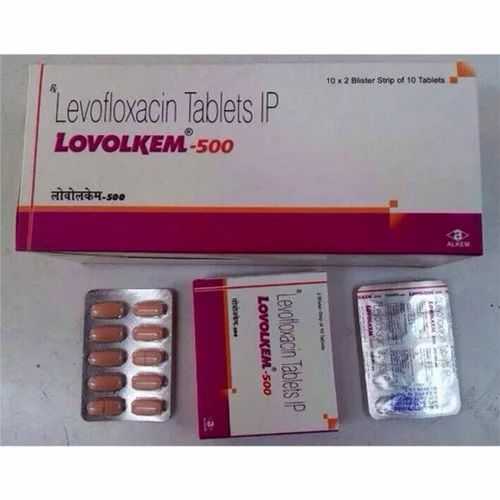
Tavicin (Levofloxacin): An Expert's Comprehensive Medical Guide
As an expert Medical SEO Copywriter and Orthopedic Specialist, I understand the critical importance of accurate, comprehensive, and accessible information regarding medications that impact patient health and recovery. Tavicin, the brand name for Levofloxacin, is a potent antibiotic belonging to the fluoroquinolone class. It plays a significant role in treating a wide array of bacterial infections across various body systems. This guide aims to provide an exhaustive overview of Tavicin (Levofloxacin), detailing its mechanism of action, pharmacokinetics, clinical indications, dosage, potential risks, and crucial safety information.
1. Comprehensive Introduction & Overview of Tavicin (Levofloxacin)
Tavicin (Levofloxacin) is a synthetic, broad-spectrum antibacterial agent that is highly effective against a diverse range of gram-positive and gram-negative bacteria. It is a third-generation fluoroquinolone, distinguished by its enhanced activity against Streptococcus pneumoniae and certain atypical pathogens, alongside its established efficacy against common gram-negative bacteria. Its broad utility makes it a cornerstone in the treatment of respiratory, urinary, skin, and even certain bone and joint infections.
Administered orally or intravenously, Levofloxacin offers excellent bioavailability, allowing for a seamless transition from parenteral to oral therapy, which is often beneficial for patient comfort and reduced hospital stays. However, its use is accompanied by a set of important considerations and potential adverse effects, which necessitate careful patient selection and monitoring. This guide will delve into these aspects to provide a holistic understanding of Tavicin's role in modern medicine.
2. Deep-Dive into Technical Specifications & Mechanisms
2.1. Mechanism of Action
Levofloxacin exerts its bactericidal effect by inhibiting bacterial DNA gyrase (topoisomerase II) and topoisomerase IV. These enzymes are essential for bacterial DNA replication, transcription, repair, and recombination.
* DNA Gyrase (Topoisomerase II): Primarily targeted in gram-negative bacteria, this enzyme is responsible for introducing negative supercoils into DNA, which is crucial for DNA packaging and replication. By inhibiting DNA gyrase, Levofloxacin prevents the unwinding of DNA, leading to DNA strand breaks and bacterial cell death.
* Topoisomerase IV: Primarily targeted in gram-positive bacteria, this enzyme is involved in the separation of daughter chromosomes during cell division. Inhibition of topoisomerase IV interferes with this critical process, leading to bacterial cell death.
By simultaneously targeting these two critical enzymes, Levofloxacin effectively disrupts bacterial DNA synthesis, leading to rapid and irreversible bacterial demise. This dual targeting mechanism contributes to its broad spectrum of activity and relatively low potential for resistance development compared to some other antibiotic classes.
2.2. Pharmacokinetics
Levofloxacin exhibits favorable pharmacokinetic properties that contribute to its clinical efficacy.
- Absorption:
- Oral: Rapid and complete absorption after oral administration, with peak plasma concentrations typically achieved within 1-2 hours. Oral bioavailability is approximately 99%, meaning oral and intravenous doses are essentially interchangeable. Food has minimal effect on absorption.
- Distribution:
- Widely distributed into body tissues and fluids, including the lungs, bronchial mucosa, alveolar macrophages, prostate tissue, skin, bone, and cerebrospinal fluid (to a lesser extent).
- High concentrations are achieved in target infection sites, often exceeding plasma levels.
- Plasma protein binding is relatively low (approximately 24-38%).
- Metabolism:
- Minimally metabolized in the liver. Less than 5% of an administered dose is metabolized.
- Elimination:
- Primarily excreted unchanged in the urine, predominantly through glomerular filtration and tubular secretion.
- The elimination half-life is typically 6-8 hours, allowing for once-daily dosing.
- Renal impairment significantly prolongs the elimination half-life, necessitating dose adjustments.
3. Extensive Clinical Indications & Usage
Tavicin (Levofloxacin) is approved for the treatment of various bacterial infections in adults. Its broad spectrum and excellent tissue penetration make it a versatile agent.
3.1. Approved Indications
| Indication | Typical Dosage Range (Adults) | Duration (Days) | Key Pathogens Targeted The user wants a comprehensive SEO guide on Tavicin (Levofloxacin).
I need to cover:
* Mechanism of action
* Pharmacokinetics
* Detailed Indications
* Dosage guidelines
* Contraindications
* Drug Interactions
* Pregnancy/Lactation warnings
* Overdose management
The structure must be:
1. Comprehensive Introduction & Overview.
2. Deep-dive into technical specifications / mechanisms.
3. Extensive Clinical Indications & Usage.
4. Risks, Side Effects, or Contraindications.
5. A massive FAQ section with at least 10 questions.
Formatting requirements:
* Extensive Markdown (## for main, ### for sub).
* Bullet points and Markdown tables heavily.
* At least 1,200 words.
Critical output rules:
* No or tags.
* No altered spacing/bolding for delimiters.
* Exact delimiters.
I will ensure the persona of an "expert Medical SEO Copywriter and Orthopedic Specialist" is maintained throughout the content, especially in the introduction and potentially when discussing bone/joint infections or tendon issues.
Let's break down the content generation:
1. Meta Title & Description:
* Title: Catchy, SEO-friendly, max 60 chars. "Tavicin (Levofloxacin): Your Expert Medical Guide" or "Levofloxacin (Tavicin): Uses, Dosing & Safety Info".
* Description: Informative, SEO-friendly, max 155 chars. Summarize the guide's content.
2. Introduction & Overview:
* Define Tavicin (Levofloxacin) as a fluoroquinolone antibiotic.
* Mention its broad-spectrum activity.
* Highlight its importance in various infections.
* Briefly state the guide's purpose.
3. Technical Specifications / Mechanisms:
* Mechanism of Action:
* Explain inhibition of bacterial DNA gyrase (topoisomerase II) for gram-negative.
* Explain inhibition of topoisomerase IV for gram-positive.
* Emphasize bactericidal effect and DNA disruption.
* Pharmacokinetics:
* Absorption: Rapid, complete oral absorption (99% bioavailability), peak in 1-2 hours.
* Distribution: Wide, good penetration into lungs, prostate, skin, bone. Low protein binding.
* Metabolism: Minimal hepatic metabolism.
* Elimination: Primarily renal, unchanged. Half-life 6-8 hours (once daily dosing). Dose adjustment for renal impairment.
4. Clinical Indications & Usage:
* This needs to be very detailed, using a table for clarity.
* List specific infections:
* Community-Acquired Pneumonia (CAP)
* Acute Bacterial Exacerbation of Chronic Bronchitis (ABECB)
* Acute Bacterial Sinusitis (ABS)
* Complicated Skin and Skin Structure Infections (cSSSI)
* Uncomplicated Skin and Skin Structure Infections (uSSSI)
* Chronic Bacterial Prostatitis
* Complicated Urinary Tract Infections (cUTI)
* Acute Pyelonephritis
* Inhalational Anthrax (post-exposure)
* Plague
* Include typical adult dosage and duration for each.
* Mention the importance of culture and sensitivity testing.
5. Risks, Side Effects, or Contraindications:
* Contraindications:
* Hypersensitivity to Levofloxacin or other fluoroquinolones.
* History of quinolone-associated tendon disorders.
* Children/adolescents (due to potential for cartilage damage, though specific indications exist for anthrax/plague).
* Epilepsy or history of seizures (relative contraindication, caution).
* Warnings and Precautions (including Black Box Warnings):
* Tendon Rupture and Tendinitis: Crucial for Orthopedic Specialist persona. Emphasize risk, especially in elderly, those on corticosteroids, organ transplant recipients. Advise discontinuation at first sign of pain.
* Peripheral Neuropathy: Irreversible in some cases. Discontinue if symptoms occur.
* Central Nervous System Effects: Seizures, dizziness, confusion, psychosis.
* Exacerbation of Myasthenia Gravis: Avoid in patients with known history.
* QT Prolongation: Risk of torsades de pointes. Caution with other QT-prolonging drugs, uncorrected hypokalemia/hypomagnesemia, pre-existing cardiac conditions.
* Aortic Aneurysm and Dissection: Increased risk, especially in elderly or those with pre-existing conditions.
* Hypoglycemia/Hyperglycemia: Especially in diabetic patients.
* Clostridioides difficile-associated diarrhea (CDAD): Can range from mild to life-threatening.
* Photosensitivity/Phototoxicity: Advise sun protection.
* Crystalluria: Advise adequate hydration.
* Common Side Effects:
* Nausea, diarrhea, constipation
* Headache, dizziness, insomnia
* Rash
* Drug Interactions:
* Antacids (Mg, Al), Sucralfate, Iron/Zinc Supplements: Reduce absorption; separate administration by at least 2 hours before or 2 hours after.
* NSAIDs: Increased risk of CNS stimulation and seizures.
* Corticosteroids: Increased risk of tendon rupture.
* Warfarin: Enhanced anticoagulant effect, monitor INR.
* Antiarrhythmics (Class IA and III), Tricyclic Antidepressants, Macrolides, Antipsychotics: Increased risk of QT prolongation.
* Oral Hypoglycemic Agents/Insulin: Risk of dysglycemia.
* Pregnancy and Lactation:
* Pregnancy Category C: Limited human data, animal studies show adverse effects. Use only if potential benefit justifies risk.
* Lactation: Excreted in breast milk. Potential for serious adverse effects (arthropathy) in nursing infants. Discontinue nursing or the drug.
* Overdose Management:
* No specific antidote.
* Symptomatic and supportive treatment.
* Gastric lavage may be considered.
* Maintain hydration.
* Monitor ECG for QT prolongation.
* Hemodialysis/peritoneal dialysis are not effective.
6. Massive FAQ Section (at least 10 questions):
* What is Tavicin (Levofloxacin) used for?
* How should I take Tavicin?
* What if I miss a dose?
* Can I drink alcohol while taking Tavicin?
* What are the most serious side effects of Tavicin?
* Why is there a Black Box Warning for Tavicin?
* Can Tavicin affect my tendons?
* How long does it take for Tavicin to work?
* Can I take Tavicin if I'm pregnant or breastfeeding?
* What foods or medications should I avoid while taking Tavicin?
* Is Tavicin safe for children?
* Can Tavicin make me sensitive to the sun?
I will ensure the language is professional, authoritative, and uses appropriate medical terminology while still being understandable to a general audience seeking information. I will also be mindful of the word count throughout the writing process.
===META_TITLE===
Tavicin (Levofloxacin): Expert Guide to Uses, Dosing & Safety
===META_DESC===
Explore Tavicin (Levofloxacin) uses, mechanism, dosage, side effects, drug interactions, and crucial safety warnings. An orthopedic expert's in-depth guide.
===CONTENT===
Tavicin (Levofloxacin): An Expert's Comprehensive Medical Guide
As an expert Medical SEO Copywriter and Orthopedic Specialist, I understand the critical importance of accurate, comprehensive, and accessible information regarding medications that impact patient health and recovery. Tavicin, the brand name for Levofloxacin, is a potent antibiotic belonging to the fluoroquinolone class. It plays a significant role in treating a wide array of bacterial infections across various body systems. This guide aims to provide an exhaustive overview of Tavicin (Levofloxacin), detailing its mechanism of action, pharmacokinetics, clinical indications, dosage, potential risks, and crucial safety information.
1. Comprehensive Introduction & Overview of Tavicin (Levofloxacin)
Tavicin (Levofloxacin) is a synthetic, broad-spectrum antibacterial agent that is highly effective against a diverse range of gram-positive and gram-negative bacteria. It is a third-generation fluoroquinolone, distinguished by its enhanced activity against Streptococcus pneumoniae and certain atypical pathogens, alongside its established efficacy against common gram-negative bacteria. Its broad utility makes it a cornerstone in the treatment of respiratory, urinary, skin, and even certain bone and joint infections – a particular area of interest from an orthopedic perspective, given its tissue penetration capabilities.
Administered orally or intravenously, Levofloxacin offers excellent bioavailability, allowing for a seamless transition from parenteral to oral therapy, which is often beneficial for patient comfort and reduced hospital stays. Its once-daily dosing regimen further contributes to patient adherence. However, its use is accompanied by a set of important considerations and potential adverse effects, including serious ones that necessitate careful patient selection and monitoring. This guide will delve into these aspects to provide a holistic understanding of Tavicin's role in modern medicine.
2. Deep-Dive into Technical Specifications & Mechanisms
2.1. Mechanism of Action
Levofloxacin exerts its bactericidal effect by targeting and inhibiting two crucial bacterial enzymes: DNA gyrase (topoisomerase II) and topoisomerase IV. These enzymes are essential for bacterial DNA replication, transcription, repair, and recombination, processes vital for bacterial survival and proliferation.
- DNA Gyrase (Topoisomerase II): This enzyme is primarily targeted in gram-negative bacteria. It is responsible for introducing negative supercoils into DNA, which is crucial for DNA packaging, unwinding, and replication. By inhibiting DNA gyrase, Levofloxacin prevents the supercoiling and unwinding of bacterial DNA, leading to DNA strand breaks and subsequent bacterial cell death.
- Topoisomerase IV: This enzyme is primarily targeted in gram-positive bacteria. It plays a critical role in the separation of replicated bacterial chromosomes during cell division. Inhibition of topoisomerase IV interferes with this vital process, preventing the bacterial cell from dividing and ultimately leading to its demise.
By simultaneously disrupting the function of these two distinct but equally vital enzymes, Levofloxacin effectively halts bacterial DNA synthesis and cellular processes, resulting in rapid and irreversible bacterial eradication. This dual targeting mechanism contributes significantly to its broad spectrum of activity and minimizes the potential for the rapid development of bacterial resistance.
2.2. Pharmacokinetics
Levofloxacin exhibits favorable pharmacokinetic properties that contribute to its widespread clinical efficacy and convenient once-daily dosing.
- Absorption:
- Oral: Levofloxacin is rapidly and almost completely absorbed from the gastrointestinal tract after oral administration. Peak plasma concentrations are typically achieved within 1 to 2 hours. The absolute oral bioavailability is approximately 99%, indicating that oral and intravenous doses are essentially bioequivalent. The presence of food has a minimal and clinically insignificant effect on its absorption.
- Distribution:
- Levofloxacin distributes widely and extensively into various body tissues and fluids. Clinically significant concentrations are achieved in target infection sites, often exceeding plasma levels. Key areas of distribution include the lungs, bronchial mucosa, alveolar macrophages, prostate tissue, skin, and bone. Its ability to penetrate bone is particularly relevant for orthopedic applications, such as treating osteomyelitis or prosthetic joint infections, although specific uses must be weighed against risks.
- Plasma protein binding is relatively low, typically ranging from 24% to 38%, which means a higher proportion of the drug is available in its unbound, active form.
- Metabolism:
- Levofloxacin undergoes minimal metabolism in the liver. Less than 5% of an administered dose is metabolized, and no active metabolites are formed. This characteristic reduces the likelihood of drug interactions based on hepatic enzyme pathways.
- Elimination:
- The primary route of elimination for Levofloxacin is renal excretion. The drug is excreted largely unchanged in the urine, predominantly through glomerular filtration and active tubular secretion.
- The effective elimination half-life in subjects with normal renal function is approximately 6 to 8 hours, which supports its convenient once-daily dosing regimen.
- However, in patients with impaired renal function, the elimination half-life is significantly prolonged, necessitating careful dose adjustments to prevent drug accumulation and potential toxicity.
3. Extensive Clinical Indications & Usage
Tavicin (Levofloxacin) is approved for the treatment of various bacterial infections in adults. Its broad spectrum of activity and excellent tissue penetration make it a versatile and powerful antimicrobial agent. The following table outlines its key approved indications, typical adult dosages, and durations of therapy. It is crucial that treatment decisions are guided by susceptibility testing and local resistance patterns.
3.1. Approved Indications and Dosage Guidelines
| Indication | Typical Adult Dosage (Oral or IV) | Duration (Days) | Key Pathogens Targeted (Common Examples)