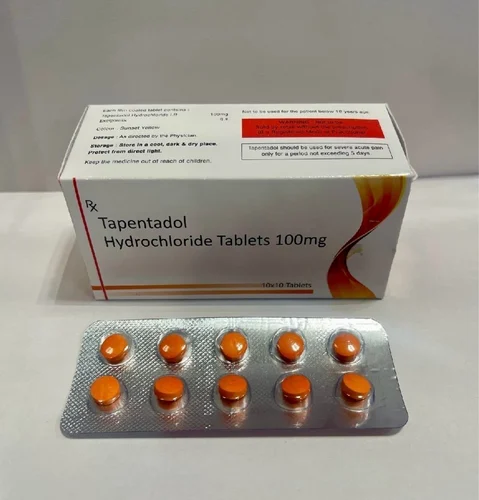
Tapentadol: An In-Depth Medical SEO Guide to Its Role in Pain Management
1. Introduction & Overview: Understanding Tapentadol
Tapentadol is a centrally acting synthetic analgesic with a unique dual mechanism of action, making it a valuable option in the management of moderate to severe acute and chronic pain. Approved by the FDA, Tapentadol stands out among opioid analgesics due to its combined pharmacological profile, offering both mu-opioid receptor agonism and norepinephrine reuptake inhibition. This synergistic approach allows for effective pain relief with a potentially different side effect profile compared to traditional opioids.
As an orthopedic specialist, understanding Tapentadol's nuances is crucial for optimizing patient outcomes, particularly in conditions ranging from post-surgical recovery and acute trauma to chronic musculoskeletal and neuropathic pain states. This comprehensive guide will delve into the intricate details of Tapentadol, providing healthcare professionals and patients alike with an authoritative resource on its mechanisms, clinical applications, safety considerations, and proper usage.
What is Tapentadol?
Tapentadol is classified as a Schedule II controlled substance in the United States, reflecting its potential for abuse and dependence, similar to other strong opioid analgesics. It is available in both immediate-release (IR) and extended-release (ER) formulations, catering to diverse pain management needs. The IR formulation is typically used for acute pain, while the ER formulation is indicated for the management of chronic pain that requires continuous, around-the-clock opioid analgesia for an extended period.
2. Deep-Dive into Technical Specifications & Mechanisms
The efficacy of Tapentadol stems from its distinctive dual mode of action, which sets it apart from many other opioid analgesics.
2.1. Mechanism of Action (MoA)
Tapentadol exerts its analgesic effects through two primary pathways:
- Mu-Opioid Receptor (MOR) Agonism: Tapentadol binds to mu-opioid receptors in the central nervous system (CNS), activating them. This interaction leads to a cascade of intracellular events that inhibit pain signal transmission. The binding affinity of Tapentadol for the mu-opioid receptor is significantly lower than that of morphine, yet its clinical efficacy is comparable for certain pain types due to its additional mechanism.
- Norepinephrine Reuptake Inhibition (NRI): Tapentadol also acts as a potent inhibitor of norepinephrine reuptake in the CNS. By preventing the reuptake of norepinephrine, it increases the concentration of this neurotransmitter in the synaptic cleft. Enhanced noradrenergic activity in descending inhibitory pain pathways (e.g., in the spinal cord) contributes to analgesia, particularly in neuropathic pain components. This mechanism is thought to modulate pain perception and reduce the intensity of pain signals reaching the brain.
The combination of these two mechanisms provides synergistic analgesia, addressing both nociceptive and neuropathic components of pain. Unlike some other dual-mechanism drugs (e.g., tramadol), Tapentadol has minimal serotonergic activity, which may result in a lower risk of serotonin syndrome when co-administered with other serotonergic agents.
2.2. Pharmacokinetics (PK)
Understanding Tapentadol's pharmacokinetic profile is essential for appropriate dosing and predicting its effects.
-
Absorption:
- Oral Bioavailability: Approximately 32% (due to extensive first-pass metabolism).
- Peak Plasma Concentration (Tmax):
- Immediate-Release (IR): Approximately 1.25 hours.
- Extended-Release (ER): Approximately 5-6 hours.
- Food intake does not significantly affect the absorption of Tapentadol.
-
Distribution:
- Protein Binding: Approximately 20% bound to plasma proteins, indicating a low potential for drug interactions due to protein binding displacement.
- Volume of Distribution (Vd): Approximately 540 L, suggesting extensive tissue distribution.
-
Metabolism:
- Tapentadol is extensively metabolized, primarily through conjugation with glucuronic acid to form inactive metabolites.
- The major metabolic pathway is glucuronidation, catalyzed primarily by UGT1A6, UGT1A9, and UGT2B7.
- A minor portion is metabolized by CYP450 enzymes (CYP2C9, CYP2C19, CYP2D6) into N-desmethyltapentadol, which is also inactive. This minimal reliance on CYP450 enzymes reduces the potential for drug-drug interactions with inhibitors or inducers of these enzymes.
- No active metabolites are formed, which simplifies dose adjustments and reduces the risk of accumulation of active compounds in patients with renal or hepatic impairment.
-
Elimination:
- Excretion: Approximately 99% of Tapentadol and its metabolites are excreted via the kidneys, with about 70% as glucuronides and 3% as unchanged drug.
- Half-life (t½): Approximately 4 hours for both IR and ER formulations.
- Renal Impairment: Clearance is reduced, necessitating dose adjustments in severe impairment.
- Hepatic Impairment: Clearance is reduced, requiring dose adjustments in moderate and severe impairment.
3. Extensive Clinical Indications & Usage
Tapentadol's dual mechanism makes it suitable for a broad spectrum of pain conditions.
3.1. Detailed Indications
Tapentadol is indicated for:
-
Moderate to Severe Acute Pain:
- Post-surgical pain (e.g., orthopedic surgeries like total knee or hip arthroplasty, fracture repair).
- Acute musculoskeletal injuries (e.g., severe sprains, strains, acute back pain).
- Acute pain from trauma.
- Dental pain or other acute medical conditions.
- The immediate-release (IR) formulation is typically used for this indication.
-
Moderate to Severe Chronic Pain:
- Chronic low back pain.
- Osteoarthritis pain (e.g., knee, hip, spine).
- Chronic neuropathic pain components (due to its NRI activity).
- The extended-release (ER) formulation is specifically indicated for chronic pain that requires continuous, around-the-clock opioid analgesia for an extended period and for which alternative treatments are inadequate.
-
Diabetic Peripheral Neuropathic Pain (DPNP):
- Tapentadol ER is specifically approved for the management of neuropathic pain associated with diabetic peripheral neuropathy. Its norepinephrine reuptake inhibition mechanism is particularly beneficial in addressing the neuropathic component of pain.
3.2. Dosage Guidelines
Dosage must be individualized based on the severity of pain, patient response, prior analgesic treatment, and risk factors for abuse, addiction, and adverse events.
3.2.1. Immediate-Release (IR) Tapentadol (e.g., Nucynta® IR)
- Initial Dose: 50 mg, 75 mg, or 100 mg orally every 4 to 6 hours as needed for pain.
- Maximum Daily Dose: Generally, do not exceed 700 mg on the first day of treatment and 600 mg on subsequent days.
- Titration: Adjust dose in increments of 50 mg, 75 mg, or 100 mg based on analgesic response and tolerability.
- Duration: For acute pain, use for the shortest duration consistent with treatment goals.
3.2.2. Extended-Release (ER) Tapentadol (e.g., Nucynta® ER)
- Initial Dose (Opioid-Naïve Patients): 50 mg orally every 12 hours.
- Titration: Increase dose by 50 mg every 12 hours no more frequently than every 3 days.
- Maximum Daily Dose: 500 mg (250 mg every 12 hours).
- Conversion from IR to ER: Patients currently taking Tapentadol IR can be converted to Tapentadol ER by administering the total daily dose of IR in two equally divided doses of ER, given every 12 hours.
- Discontinuation: Taper dose gradually to prevent withdrawal symptoms.
3.2.3. Dosage Adjustments
- Severe Renal Impairment (CrCl < 30 mL/min):
- IR: Start with 50 mg every 8 hours. Max 100 mg/day.
- ER: Not recommended.
- Moderate Hepatic Impairment (Child-Pugh Class B):
- IR: Start with 50 mg every 8 hours. Max 150 mg/day.
- ER: Start with 50 mg every 24 hours. Max 100 mg/day.
- Severe Hepatic Impairment (Child-Pugh Class C):
- IR: Start with 50 mg every 12 hours. Max 100 mg/day.
- ER: Not recommended.
- Elderly Patients (>65 years): Start at the lower end of the dosing range and titrate carefully, considering potential for decreased renal/hepatic function.
3.2.4. Administration Instructions
- Take with or without food.
- Swallow ER tablets whole; do not crush, chew, or dissolve, as this can lead to rapid release and potentially fatal overdose.
4. Risks, Side Effects, and Contraindications
Like all opioid analgesics, Tapentadol carries significant risks and potential side effects.
4.1. Common Side Effects
Side effects are dose-dependent and typically similar to other opioids but may vary due to the NRI mechanism.
| System | Common Side Effects |
|---|---|
| Gastrointestinal | Nausea, constipation, vomiting, dry mouth, dyspepsia |
| Neurological | Dizziness, somnolence, headache, fatigue |
| Psychiatric | Anxiety, insomnia, confusion |
| Dermatological | Pruritus (itching), hyperhidrosis (sweating) |
| Cardiovascular | Tachycardia, palpitations, flushing |
| Other | Decreased appetite, urinary retention |
4.2. Serious Risks & Warnings
- Addiction, Abuse, and Misuse: Tapentadol is a Schedule II controlled substance with a high potential for abuse, leading to addiction and death.
- Respiratory Depression: Serious, life-threatening, or fatal respiratory depression may occur, especially with initiation or dose escalation.
- Neonatal Opioid Withdrawal Syndrome (NOWS): Prolonged use during pregnancy can result in NOWS, which may be life-threatening if not recognized and treated.
- Adrenal Insufficiency: Cases of adrenal insufficiency have been reported with opioid use, typically after more than one month of use.
- Androgen Deficiency: Long-term opioid use may be associated with decreased sex hormone levels and symptoms such as low libido, impotence, or infertility.
- Serotonin Syndrome: While less likely than with tramadol, the NRI mechanism can contribute to serotonin syndrome when co-administered with other serotonergic drugs.
- Seizures: Tapentadol may lower the seizure threshold in patients with a history of epilepsy or other risk factors.
- Central Nervous System (CNS) Depression: Concurrent use with alcohol or other CNS depressants can lead to profound sedation, respiratory depression, coma, and death.
- Gastrointestinal Effects: May exacerbate pre-existing gastrointestinal conditions, and can cause or worsen paralytic ileus.
- Increased Intracranial Pressure: Opioids can elevate cerebrospinal fluid pressure.
- Hypotension: May cause severe hypotension, especially in volume-depleted patients.
4.3. Contraindications
Tapentadol is contraindicated in patients with:
- Significant Respiratory Depression: In unmonitored settings or in the absence of resuscitative equipment.
- Acute or Severe Bronchial Asthma: In an unmonitored setting or in the absence of resuscitative equipment.
- Known or Suspected Paralytic Ileus: Or other gastrointestinal obstruction.
- Concomitant Use of Monoamine Oxidase Inhibitors (MAOIs): Or within 14 days following discontinuation of an MAOI. This can lead to potentially fatal interactions, including serotonin syndrome or hypertensive crisis.
- Hypersensitivity: Known hypersensitivity to Tapentadol or any component of the formulation.
- Acute Intoxication: With alcohol, hypnotics, centrally acting analgesics, or psychotropic drugs.
4.4. Drug Interactions
Careful consideration of potential drug interactions is critical.
- CNS Depressants:
- Mechanism: Additive CNS depressant effects.
- Examples: Alcohol, benzodiazepines, other opioids, sedatives, hypnotics, general anesthetics, phenothiazines, tranquilizers, skeletal muscle relaxants.
- Risk: Profound sedation, respiratory depression, coma, death. Avoid concomitant use or reduce doses.
- Monoamine Oxidase Inhibitors (MAOIs):
- Mechanism: Can lead to hypertensive crisis or serotonin syndrome.
- Examples: Phenelzine, Selegiline, Isocarboxazid, Tranylcypromine.
- Risk: Potentially fatal. Contraindicated within 14 days of MAOI use.
- Serotonergic Drugs:
- Mechanism: Potential for serotonin syndrome due to Tapentadol's NRI activity.
- Examples: SSRIs (e.g., fluoxetine, sertraline), SNRIs (e.g., venlafaxine, duloxetine), TCAs, triptans, tramadol, linezolid, St. John's Wort.
- Risk: Serotonin syndrome (agitation, hallucinations, tachycardia, labile blood pressure, hyperthermia, hyperreflexia, incoordination, nausea, vomiting, diarrhea). Monitor closely if co-administration is unavoidable.
- Drugs Affecting Glucuronidation:
- Mechanism: Potential for altered Tapentadol metabolism. Tapentadol is primarily metabolized via glucuronidation.
- Examples: Although not extensively studied, strong UGT inhibitors (e.g., probenecid) could theoretically increase Tapentadol exposure.
- Risk: Increased Tapentadol levels and adverse effects. Monitor for increased opioid effects.
- Opioid Antagonists:
- Mechanism: Naloxone can reverse the analgesic effects and induce withdrawal symptoms.
- Examples: Naloxone.
- Risk: Acute opioid withdrawal. Use with caution.
4.5. Pregnancy and Lactation Warnings
- Pregnancy (Category C):
- There are no adequate and well-controlled studies of Tapentadol in pregnant women.
- Animal studies have shown developmental toxicity.
- Prolonged use during pregnancy can lead to Neonatal Opioid Withdrawal Syndrome (NOWS), characterized by irritability, hyperactivity, abnormal sleep pattern, high-pitched cry, tremor, vomiting, diarrhea, and failure to gain weight. NOWS can be life-threatening if not recognized and treated.
- Tapentadol should be used during pregnancy only if the potential benefit justifies the potential risk to the fetus.
- Lactation:
- Tapentadol is excreted in human milk.
- Due to the potential for serious adverse reactions in breastfed infants (e.g., sedation, respiratory depression), a decision should be made whether to discontinue nursing or to discontinue the drug, taking into account the importance of the drug to the mother.
4.6. Overdose Management
Tapentadol overdose can be fatal and requires immediate medical attention.
- Symptoms of Overdose:
- Respiratory depression (decreased respiratory rate and/or tidal volume) - the most serious symptom.
- Somnolence progressing to stupor or coma.
- Skeletal muscle flaccidity.
- Cold and clammy skin.
- Miosis (pinpoint pupils) - may be absent in severe hypoxia.
- Bradycardia.
- Hypotension.
- Circulatory collapse.
- Cardiac arrest.
- Death.
- Management:
- Establish Airway: Ensure a patent airway and assist ventilation if necessary.
- Administer Naloxone: A pure opioid antagonist. Administer intravenously, intramuscularly, or subcutaneously. Repeated doses may be necessary due to Tapentadol's half-life and extended-release formulation.
- Supportive Care: Maintain adequate ventilation, circulatory support, and monitor vital signs closely.
- Observation: Patients should be observed for a prolonged period (at least 24-48 hours for ER formulations) due to the possibility of recurrence of respiratory depression.
- Gastric Lavage/Activated Charcoal: May be considered within the first hour post-ingestion if a large quantity was ingested and the patient is conscious and protected from aspiration.
5. Massive FAQ Section
Q1: What is Tapentadol used for?
A1: Tapentadol is used to manage moderate to severe acute pain (immediate-release formulation) and moderate to severe chronic pain (extended-release formulation) in adults. The extended-release formulation is also specifically indicated for diabetic peripheral neuropathic pain.
Q2: How does Tapentadol work to relieve pain?
A2: Tapentadol has a unique dual mechanism of action. It acts as a mu-opioid receptor agonist, similar to traditional opioids, and also inhibits the reuptake of norepinephrine. This dual action helps to block pain signals and enhance the body's natural pain-inhibiting pathways.
Q3: Is Tapentadol an opioid?
A3: Yes, Tapentadol is considered an opioid analgesic due to its action on mu-opioid receptors. It is classified as a Schedule II controlled substance, indicating its potential for abuse and dependence.
Q4: What are the most common side effects of Tapentadol?
A4: Common side effects include nausea, constipation, dizziness, somnolence (drowsiness), headache, dry mouth, and vomiting. These are often dose-dependent and can sometimes be managed with supportive care.
Q5: Can I drink alcohol while taking Tapentadol?
A5: No, combining Tapentadol with alcohol can be extremely dangerous. Both substances are central nervous system (CNS) depressants, and their combined effect can lead to profound sedation, severe respiratory depression, coma, and even death.
Q6: How long does Tapentadol stay in your system?
A6: The half-life of Tapentadol is approximately 4 hours. This means it takes about 4 hours for half of the drug to be eliminated from your body. Generally, it takes about 5 half-lives for a drug to be almost completely cleared, so Tapentadol would typically be out of your system within 20-24 hours. However, its effects can persist longer, and metabolites may be detectable for a longer period.
Q7: Is Tapentadol addictive?
A7: Yes, as an opioid, Tapentadol has a high potential for addiction, abuse, and physical dependence. It should be used exactly as prescribed by a healthcare professional, and abrupt discontinuation after prolonged use can lead to withdrawal symptoms.
Q8: What should I do if I miss a dose of Tapentadol?
A8: If you miss a dose of immediate-release Tapentadol, take it as soon as you remember, unless it's almost time for your next scheduled dose. In that case, skip the missed dose and continue with your regular dosing schedule. Do not take a double dose. For extended-release Tapentadol, if you miss a dose, take it as soon as possible if it's within a few hours of the missed dose. If it's closer to the next dose, skip the missed dose and resume your regular schedule. Never take more than your prescribed amount.
Q9: Can Tapentadol be used for nerve pain?
A9: Yes, Tapentadol, particularly the extended-release formulation, is effective for nerve pain (neuropathic pain). Its mechanism of norepinephrine reuptake inhibition is particularly beneficial in modulating neuropathic pain signals. It is specifically approved for diabetic peripheral neuropathic pain.
Q10: How is Tapentadol different from Tramadol?
A10: Both Tapentadol and Tramadol are centrally acting opioid analgesics with dual mechanisms. However, they differ in their specific actions:
* Tapentadol: Stronger mu-opioid receptor affinity than tramadol and primarily inhibits norepinephrine reuptake. It has minimal serotonergic activity.
* Tramadol: Weaker mu-opioid receptor affinity than tapentadol, and inhibits both norepinephrine and serotonin reuptake.
Tapentadol's reduced serotonergic activity may lead to a lower risk of serotonin syndrome compared to tramadol when co-administered with other serotonergic agents.
Q11: What are the signs of a Tapentadol overdose?
A11: Signs of a Tapentadol overdose include severe respiratory depression (very slow or shallow breathing), extreme drowsiness progressing to stupor or coma, pinpoint pupils, cold and clammy skin, muscle weakness, slow heart rate, low blood pressure, and potentially circulatory collapse or cardiac arrest. Overdose is a medical emergency and requires immediate intervention, often with naloxone.
Q12: How should Tapentadol be stored?
A12: Store Tapentadol at room temperature, away from moisture and heat. Keep it in a secure location, out of reach of children and pets, to prevent accidental ingestion or misuse. Due to its potential for abuse, proper storage and disposal are critical.