Suboxone: A Comprehensive Medical SEO Guide for Opioid Use Disorder Treatment
Introduction & Overview
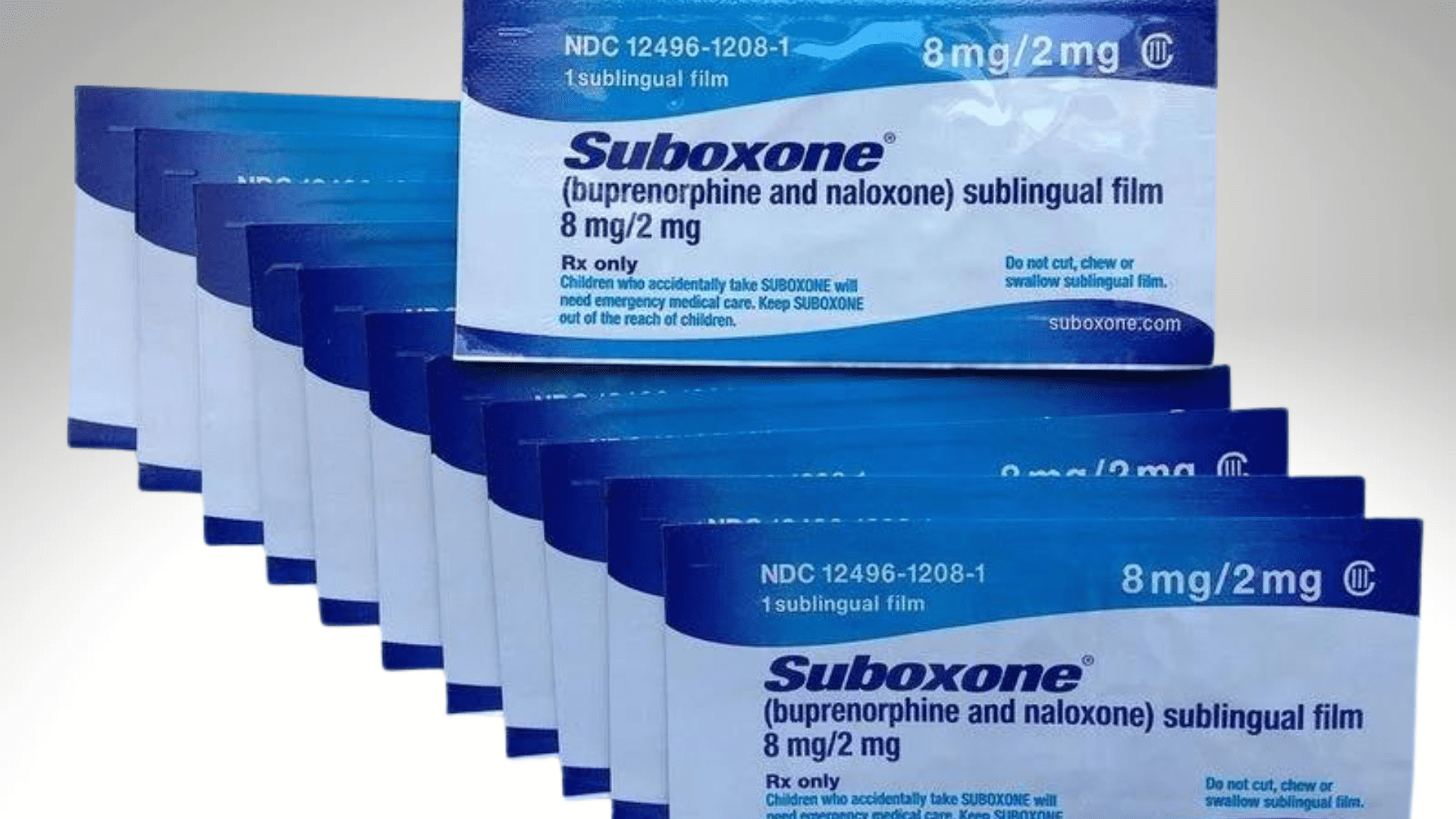
Suboxone, a brand name for a medication containing buprenorphine and naloxone, represents a cornerstone in the medical treatment of Opioid Use Disorder (OUD). It is a prescription medication approved by the U.S. Food and Drug Administration (FDA) for the treatment of opioid dependence, forming a critical component of a comprehensive treatment plan that includes counseling and psychosocial support. Suboxone is designed to help individuals overcome opioid addiction by reducing cravings and withdrawal symptoms, thereby facilitating sustained recovery.
The unique formulation of Suboxone leverages the distinct properties of its two active ingredients: buprenorphine, a partial opioid agonist, and naloxone, an opioid antagonist. This combination offers a safer alternative to full opioid agonists for OUD treatment, providing a balance between therapeutic effect and abuse deterrence. Administered typically as a sublingual film or tablet, Suboxone requires careful medical supervision and is prescribed by certified healthcare providers experienced in addiction medicine.
Deep-Dive into Technical Specifications & Mechanisms
Mechanism of Action
Suboxone's efficacy in treating OUD stems from the synergistic action of its two components:
-
Buprenorphine:
- Partial Mu-Opioid Receptor Agonist: Buprenorphine binds strongly to the mu-opioid receptors in the brain, producing opioid-like effects but with a "ceiling effect." This means that beyond a certain dose, the opioid effects, such as respiratory depression and euphoria, do not increase significantly. This partial agonism helps to reduce opioid cravings and withdrawal symptoms without producing the full euphoric effects or severe respiratory depression associated with full opioid agonists (like heroin or oxycodone).
- Kappa-Opioid Receptor Antagonist: Buprenorphine also acts as an antagonist at the kappa-opioid receptors, which may contribute to its antidepressant and anti-addictive properties.
- High Receptor Affinity: Buprenorphine has a very high affinity for the mu-opioid receptor. This means it can displace other opioids from these receptors. If a patient takes buprenorphine too soon after using a full opioid agonist, it can precipitate acute opioid withdrawal, a crucial factor in the induction phase of treatment.
-
Naloxone:
- Mu-Opioid Receptor Antagonist: Naloxone is a pure opioid antagonist with a high affinity for mu-opioid receptors. When Suboxone is taken as prescribed (sublingually or buccally), very little naloxone is absorbed into the bloodstream due to its low oral bioavailability. This means it has minimal systemic effect and does not interfere with buprenorphine's therapeutic action.
- Abuse Deterrent: If Suboxone is misused by injection, the naloxone component becomes systemically active. In individuals physically dependent on opioids, injecting Suboxone will rapidly precipitate severe opioid withdrawal symptoms, thereby deterring intravenous abuse of the medication.
Pharmacokinetics
Understanding the pharmacokinetics of Suboxone is crucial for its safe and effective use.
-
Absorption:
- Buprenorphine: Primarily absorbed sublingually or buccally. Oral bioavailability is low (approximately 10-20%) due to extensive first-pass metabolism. Peak plasma concentrations are reached within 2-4 hours.
- Naloxone: Poorly absorbed sublingually/buccally (bioavailability less than 10%). If injected, it is rapidly absorbed with peak plasma concentrations within minutes.
-
Distribution:
- Buprenorphine: Highly lipophilic and extensively distributed into tissues. Approximately 96% protein bound, primarily to alpha-1-acid glycoprotein.
- Naloxone: Also widely distributed.
-
Metabolism:
- Buprenorphine: Primarily metabolized in the liver by the cytochrome P450 3A4 (CYP3A4) isoenzyme to norbuprenorphine, an active metabolite. Both buprenorphine and norbuprenorphine undergo glucuronidation.
- Naloxone: Undergoes rapid and extensive first-pass metabolism in the liver, primarily to naloxone-3-glucuronide, an inactive metabolite.
-
Elimination:
- Buprenorphine: Has a long elimination half-life of 24-42 hours, allowing for once-daily dosing. Excreted mainly in the feces (70%) and urine (30%).
- Naloxone: Has a much shorter elimination half-life of 2-12 hours. Excreted primarily in the urine.
-
Special Populations:
- Hepatic Impairment: Buprenorphine clearance is reduced in patients with moderate to severe hepatic impairment, necessitating dose adjustments. Naloxone metabolism may also be affected.
- Renal Impairment: No specific dose adjustments are typically needed for buprenorphine, but caution is advised. Naloxone elimination may be prolonged in severe renal impairment.
Extensive Clinical Indications & Usage
Primary Indication
Suboxone is indicated for the maintenance treatment of opioid dependence, as part of a complete treatment plan that includes counseling and psychosocial support. It is not indicated for acute pain management.
Treatment Phases
Treatment with Suboxone typically follows three phases:
-
Induction Phase:
- Objective: To safely transition patients from full opioid agonists to buprenorphine/naloxone, initiating treatment and managing acute withdrawal symptoms.
- Timing: Critical to begin Suboxone only when the patient is in a state of moderate opioid withdrawal. Starting too early (while full opioids are still binding to receptors) will precipitate severe withdrawal (due to naloxone and buprenorphine's high affinity displacing other opioids), known as "precipitated withdrawal."
- Assessment: The Clinical Opiate Withdrawal Scale (COWS) score is often used to assess the severity of withdrawal. A score of 12 or higher generally indicates moderate withdrawal and readiness for induction.
- Procedure: Typically initiated in a supervised clinical setting. Small doses are given and titrated upwards over several hours or days until withdrawal symptoms are adequately suppressed.
-
Stabilization Phase:
- Objective: To find the optimal dose of Suboxone that effectively suppresses withdrawal symptoms and cravings, without causing excessive side effects or sedation.
- Duration: This phase can last weeks to months. Patients achieve stability and can focus on counseling and other recovery efforts.
-
Maintenance Phase:
- Objective: To sustain recovery, prevent relapse, and allow patients to rebuild their lives.
- Duration: Can be long-term, potentially indefinite, depending on the individual's needs and clinical judgment. The goal is to maintain sobriety and improve overall quality of life.
Dosage Guidelines
Suboxone is available as sublingual films and tablets. Dosage must be individualized based on the patient's clinical response and tolerance.
| Phase | Recommended Dosage | Notes |
|---|---|---|
| Induction | Day 1: Typically 2 mg buprenorphine / 0.5 mg naloxone to 4 mg buprenorphine / 1 mg naloxone. An additional 2-4 mg / 0.5-1 mg may be administered on Day 1, with a maximum total dose of 8 mg buprenorphine / 2 mg naloxone on the first day. Day 2: The dose can be increased in increments of 2-4 mg / 0.5-1 mg buprenorphine / naloxone to achieve an effective dose. |
Must be in moderate withdrawal (COWS score ≥ 12). Monitor closely for precipitated withdrawal. |
| Maintenance | The target maintenance dose is typically 12 mg buprenorphine / 3 mg naloxone to 16 mg buprenorphine / 4 mg naloxone, administered once daily. Some patients may require up to a maximum of 24 mg buprenorphine / 6 mg naloxone per day. | The goal is to minimize cravings and withdrawal symptoms without causing excessive sedation. |
| Discontinuation | Tapering should be done gradually under medical supervision to avoid withdrawal symptoms. There is no specific recommended tapering schedule; it should be individualized. | Abrupt discontinuation can lead to severe withdrawal and increase the risk of relapse. |
- Administration: Suboxone sublingual film or tablet should be placed under the tongue until fully dissolved. For sublingual films, it can also be placed inside the cheek (buccal administration). Patients should not swallow the medication, chew it, or move it around in their mouth, as this reduces absorption and efficacy. Eating or drinking should be avoided for several minutes before and after administration.
Risks, Side Effects, or Contraindications
Contraindications
Suboxone is contraindicated in patients with:
- Known hypersensitivity to buprenorphine or naloxone.
- Severe respiratory insufficiency.
- Acute severe asthma or other obstructive airway diseases.
- Significant hepatic impairment (relative contraindication, requires dose adjustment and careful monitoring).
Warnings & Precautions
- Respiratory Depression: While buprenorphine has a ceiling effect on respiratory depression, serious, life-threatening respiratory depression can still occur, particularly when combined with other CNS depressants (e.g., benzodiazepines, alcohol, other opioids).
- CNS Depression: Concomitant use with benzodiazepines or other CNS depressants can lead to profound sedation, respiratory depression, coma, and death. Co-prescription should be avoided or done with extreme caution, and patients should be warned of the risks.
- Hepatotoxicity: Cases of liver enzyme elevations and hepatitis have been reported. Liver function tests should be monitored, especially in patients with pre-existing hepatic impairment.
- Adrenal Insufficiency: Opioids can cause adrenal insufficiency. If diagnosed, discontinue Suboxone and treat with corticosteroids.
- Hypotension: Orthostatic hypotension can occur.
- Precipitated Withdrawal: As discussed, starting Suboxone too early in opioid-dependent individuals can cause severe withdrawal symptoms.
- Dependence and Abuse: Buprenorphine is an opioid and can lead to physical dependence. Abrupt discontinuation will result in withdrawal symptoms. While naloxone deters injection abuse, oral misuse is still possible.
- Neonatal Opioid Withdrawal Syndrome (NOWS): If used during pregnancy, buprenorphine can cause NOWS in the neonate.
- Dental Problems: Cases of dental decay, abscesses, and tooth loss, sometimes severe, have been reported with transmucosal buprenorphine products. Patients should be advised to maintain good oral hygiene and inform their dentist of Suboxone use.
Common Side Effects
Common side effects associated with Suboxone include:
- Headache
- Nausea, vomiting
- Constipation
- Sweating
- Insomnia
- Pain (abdominal, back, etc.)
- Oral hypoesthesia (numbness in mouth)
- Glossodynia (burning mouth syndrome)
- Oral mucosal erythema (redness in mouth)
- Dizziness, drowsiness
- Anxiety, depression
Drug Interactions
- CNS Depressants: Critical interaction. Concurrent use of Suboxone with benzodiazepines, alcohol, other opioids, sedatives, hypnotics, tranquilizers, or general anesthetics can significantly increase the risk of respiratory depression, profound sedation, coma, and death.
- CYP3A4 Inhibitors/Inducers:
- Inhibitors (e.g., ketoconazole, ritonavir, erythromycin): Can increase buprenorphine plasma concentrations, potentially leading to increased opioid effects and respiratory depression.
- Inducers (e.g., rifampin, carbamazepine, phenytoin): Can decrease buprenorphine plasma concentrations, potentially leading to reduced efficacy or withdrawal symptoms.
- Serotonergic Drugs: Concomitant use with serotonergic drugs (e.g., SSRIs, SNRIs, tricyclic antidepressants, triptans) can increase the risk of serotonin syndrome, a potentially life-threatening condition.
- Antiretrovirals: Some antiretroviral medications (e.g., atazanavir, ritonavir) can increase buprenorphine levels.
Pregnancy and Lactation Warnings
- Pregnancy (Pregnancy Category C):
- Buprenorphine has been shown to cause developmental abnormalities in animal studies.
- In humans, opioid exposure during pregnancy can lead to Neonatal Opioid Withdrawal Syndrome (NOWS) in the newborn. NOWS can be severe and require prolonged hospitalization.
- Treatment of OUD during pregnancy is crucial. Buprenorphine monotherapy (e.g., Subutex) is often preferred over buprenorphine/naloxone formulations during pregnancy due to limited data on naloxone's effects on the fetus, although some studies suggest Suboxone may be safe. The decision to use Suboxone during pregnancy should be made after careful consideration of the risks and benefits, in consultation with a specialist.
- Lactation:
- Buprenorphine and its active metabolite, norbuprenorphine, are excreted into breast milk. Naloxone is also excreted in human milk in small amounts.
- While the amounts in milk are generally low, potential risks to the infant include drowsiness, breathing problems, and poor feeding.
- Mothers receiving Suboxone should be advised to monitor their infants for signs of sedation or withdrawal and to seek medical attention immediately if these symptoms occur. Breastfeeding while on Suboxone should be discussed with a healthcare provider.
Overdose Management
An overdose of Suboxone, particularly if abused or taken with other CNS depressants, can be life-threatening.
- Symptoms of Overdose:
- Profound respiratory depression (slow, shallow breathing)
- Somnolence, sedation, coma
- Pinpoint pupils (miosis)
- Bradycardia (slow heart rate)
- Hypotension
- Cyanosis (bluish skin discoloration)
- Hypothermia
- Treatment:
- Immediate Medical Attention: Call emergency services immediately.
- Airway Management: Establish and maintain a patent airway.
- Ventilatory Support: Provide assisted or controlled ventilation as needed.
- Naloxone Administration: Administer an opioid antagonist like naloxone. Due to buprenorphine's high receptor affinity and long duration of action, higher doses of naloxone and/or repeated administration may be required, and monitoring should be prolonged.
- Supportive Care: Provide other supportive measures as clinically indicated.
Massive FAQ Section
Q1: What is Suboxone used for?
A1: Suboxone is primarily used for the treatment of opioid dependence (Opioid Use Disorder, OUD) as part of a comprehensive treatment plan that includes counseling and behavioral therapies. It helps reduce opioid cravings and withdrawal symptoms.
Q2: How does Suboxone work?
A2: Suboxone contains two active ingredients: buprenorphine and naloxone. Buprenorphine is a partial opioid agonist that binds to opioid receptors, reducing cravings and withdrawal symptoms without producing the full euphoric effects of other opioids. Naloxone is an opioid antagonist included to deter abuse; if injected, it will precipitate withdrawal.
Q3: Can Suboxone get you high?
A3: Buprenorphine, being a partial opioid agonist, can produce some opioid effects, but it has a "ceiling effect," meaning that beyond a certain dose, the euphoric effects do not significantly increase. When taken as prescribed sublingually, the naloxone component prevents a "high" for individuals physically dependent on opioids. However, individuals without opioid dependence might experience some euphoric effects, and misuse can occur.
Q4: What is "precipitated withdrawal" and how is it avoided?
A4: Precipitated withdrawal is a sudden and severe onset of opioid withdrawal symptoms that occurs if Suboxone is taken too soon after using a full opioid agonist (like heroin, fentanyl, or oxycodone). Buprenorphine displaces the full agonist from the opioid receptors, and the naloxone component then blocks any residual agonist effect. To avoid this, Suboxone should only be started when a patient is already experiencing moderate opioid withdrawal, typically assessed using a tool like the COWS scale.
Q5: How long do I need to take Suboxone?
A5: The duration of Suboxone treatment varies greatly among individuals. For some, it may be a short-term intervention, while for others, it may be a long-term or even indefinite maintenance therapy. The decision on treatment duration should be made in consultation with your healthcare provider, based on your individual needs and recovery progress.
Q6: Can I drink alcohol while on Suboxone?
A6: No, it is strongly advised to avoid alcohol while taking Suboxone. Both alcohol and Suboxone (buprenorphine) are central nervous system depressants. Combining them can significantly increase the risk of severe respiratory depression, profound sedation, coma, and death.
Q7: Is Suboxone addictive?
A7: Buprenorphine, one of the active ingredients in Suboxone, is an opioid and can cause physical dependence. This means that if you stop taking it suddenly, you may experience withdrawal symptoms. However, when used as prescribed under medical supervision, Suboxone helps manage opioid dependence and supports recovery from OUD.
Q8: What are the common side effects of Suboxone?
A8: Common side effects include headache, nausea, vomiting, constipation, sweating, insomnia, dizziness, and mouth discomfort (e.g., numbness, redness, burning sensation). More serious side effects, though less common, can include respiratory depression and liver problems.
Q9: Can Suboxone be used during pregnancy?
A9: Treatment of opioid dependence during pregnancy is crucial. While buprenorphine monotherapy (e.g., Subutex) is often preferred, Suboxone may be considered if the benefits outweigh the risks. Both can cause Neonatal Opioid Withdrawal Syndrome (NOWS). Any decision regarding Suboxone use during pregnancy should be made in close consultation with a healthcare provider specializing in high-risk pregnancies and addiction medicine.
Q10: How should I store Suboxone?
A10: Suboxone should be stored at room temperature, away from moisture and heat. Keep it in a secure location, out of sight and reach of children and pets, to prevent accidental ingestion or misuse.
Q11: What should I do if I miss a dose of Suboxone?
A11: If you miss a dose, take it as soon as you remember. If it's almost time for your next scheduled dose, skip the missed dose and resume your regular dosing schedule. Do not take a double dose to make up for a missed one. Consistent daily dosing is important for optimal treatment.
Q12: What's the difference between Suboxone and Subutex?
A12: Both Suboxone and Subutex contain buprenorphine. The key difference is that Subutex contains only buprenorphine (a partial opioid agonist), while Suboxone contains both buprenorphine and naloxone (an opioid antagonist). Subutex is sometimes used in specific situations, such as during pregnancy or for patients who cannot tolerate naloxone, but Suboxone is generally preferred for maintenance treatment due to its abuse-deterrent properties.