The Definitive Medical SEO Guide to Solpadeine: Understanding its Role in Pain Management
As an expert Medical SEO Copywriter and Orthopedic Specialist, I frequently encounter patients seeking effective solutions for acute and moderate pain. Solpadeine, a widely recognized over-the-counter (OTC) and prescription-strength analgesic, often comes up in discussions. This comprehensive guide aims to provide an exhaustive, authoritative, and medically accurate overview of Solpadeine, delving into its intricate mechanisms, clinical applications, safety profile, and critical considerations for its use.
1. Comprehensive Introduction & Overview
Solpadeine is a brand name for a range of analgesic medications primarily used for the relief of mild to moderate pain. Its efficacy stems from a synergistic combination of active ingredients, typically including paracetamol (acetaminophen), codeine phosphate, and caffeine. This multi-modal approach targets pain through different physiological pathways, often providing more robust relief than single-ingredient analgesics.
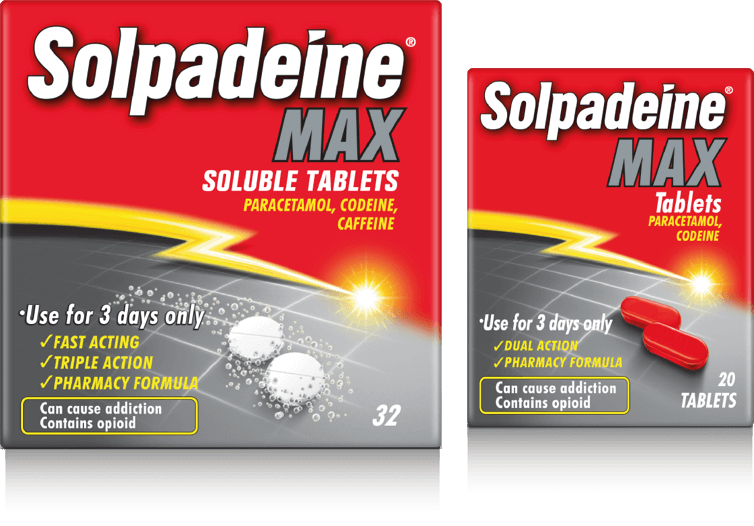
The specific formulation of Solpadeine can vary, with common variants such as Solpadeine Plus, Solpadeine Max, and Solpadeine Migraine containing differing strengths of these components. This guide will primarily focus on the general principles applicable to most Solpadeine formulations containing these three active ingredients.
Key Components of Solpadeine:
- Paracetamol (Acetaminophen): A non-opioid analgesic and antipyretic, widely used for pain and fever.
- Codeine Phosphate: A mild opioid analgesic, effective for moderate pain relief and cough suppression.
- Caffeine: A central nervous system (CNS) stimulant that enhances the analgesic effects of paracetamol and codeine.
Understanding each component's role is crucial for appreciating Solpadeine's overall therapeutic profile and potential risks.
2. Deep-dive into Technical Specifications / Mechanisms
The combined action of paracetamol, codeine, and caffeine makes Solpadeine a potent analgesic. Each ingredient contributes uniquely to the pain relief process.
Mechanism of Action
Paracetamol (Acetaminophen)
Paracetamol's mechanism is not fully understood but is believed to be primarily central.
* Central Prostaglandin Inhibition: It is thought to inhibit prostaglandin synthesis in the central nervous system (CNS) more effectively than in peripheral tissues. Prostaglandins are lipid compounds that mediate pain and inflammation. By reducing their synthesis, paracetamol diminishes the perception of pain.
* Serotonergic Pathways: Some evidence suggests it may modulate serotonergic descending pain pathways.
* Antipyretic Effect: Reduces fever by acting on the hypothalamic heat-regulating center, leading to peripheral vasodilation and increased blood flow.
Codeine Phosphate
Codeine is a prodrug, meaning it must be metabolized in the body to become active.
* Opioid Receptor Agonism: Codeine itself has a low affinity for opioid receptors. Its analgesic effect is primarily mediated by its conversion to morphine via the cytochrome P450 enzyme CYP2D6 in the liver.
* Morphine Action: Morphine, a potent mu-opioid receptor agonist, binds to these receptors in the brain and spinal cord, inhibiting pain transmission and altering the perception of pain.
* CNS Depression: Opioid receptor activation also leads to CNS depression, including sedation and respiratory depression.
* Antitussive Effect: Codeine also depresses the cough reflex directly in the medulla.
Caffeine
Caffeine acts as an adjuvant, enhancing the effects of the other two components.
* Adenosine Receptor Antagonism: Caffeine is a non-selective antagonist of adenosine A1 and A2A receptors. Adenosine is an endogenous neuromodulator that can promote pain and vasodilation (especially in headaches). By blocking adenosine, caffeine can reduce pain and cause cerebral vasoconstriction, which is beneficial for certain types of headaches.
* Enhanced Analgesia: It is thought to enhance the absorption and/or efficacy of paracetamol and codeine, leading to a faster onset and greater magnitude of pain relief.
* Counteracting Sedation: As a CNS stimulant, caffeine can counteract the sedative effects of codeine, making the combination less likely to cause drowsiness.
Pharmacokinetics
The journey of Solpadeine's active ingredients through the body involves distinct absorption, distribution, metabolism, and elimination phases.
Absorption
- Paracetamol: Rapidly and almost completely absorbed from the gastrointestinal (GI) tract. Peak plasma concentrations are typically reached within 30-60 minutes.
- Codeine: Readily absorbed from the GI tract. Peak plasma concentrations usually occur within 60 minutes.
- Caffeine: Rapidly and completely absorbed from the GI tract. Peak plasma concentrations are achieved within 30-120 minutes.
Distribution
- Paracetamol: Widely distributed throughout most body tissues. Only about 10-25% is bound to plasma proteins.
- Codeine: Crosses the blood-brain barrier, placental barrier, and is excreted in breast milk. Approximately 7-25% is bound to plasma proteins.
- Caffeine: Widely distributed throughout the body, readily crosses the blood-brain barrier and placenta. Low protein binding (around 35%).
Metabolism
- Paracetamol: Primarily metabolized in the liver via glucuronidation (major pathway) and sulfation (minor pathway) to inactive conjugates. A small amount is metabolized by the cytochrome P450 enzyme system (CYP2E1) to a highly reactive and toxic intermediate metabolite, N-acetyl-p-benzoquinone imine (NAPQI). Under normal therapeutic doses, NAPQI is rapidly detoxified by conjugation with glutathione. In overdose, glutathione stores become depleted, leading to NAPQI accumulation and hepatotoxicity.
- Codeine: Undergoes extensive hepatic metabolism. The most important pathway is O-demethylation to morphine via CYP2D6. Other pathways include N-demethylation to norcodeine (via CYP3A4) and glucuronidation. Genetic polymorphism of CYP2D6 significantly influences codeine's efficacy and safety; individuals who are "ultra-rapid metabolizers" convert codeine to morphine very quickly, increasing the risk of opioid toxicity.
- Caffeine: Extensively metabolized in the liver primarily by the CYP1A2 enzyme. It is demethylated to various xanthine derivatives, including paraxanthine, theophylline, and theobromine, which are then further metabolized.
Elimination
- Paracetamol: Excreted predominantly in the urine as glucuronide and sulfate conjugates. A very small amount is excreted as unmetabolized paracetamol. The elimination half-life is typically 1-4 hours.
- Codeine: Excreted primarily via the kidneys as free codeine and its metabolites (morphine, norcodeine, and their glucuronides). The elimination half-life is approximately 2-4 hours.
- Caffeine: Excreted renally as metabolites. The elimination half-life is generally 3-7 hours, but can be prolonged in certain populations (e.g., pregnant women, individuals with liver impairment).
3. Extensive Clinical Indications & Usage
Solpadeine is indicated for the short-term relief of acute, moderate pain that is not relieved by paracetamol, ibuprofen, or aspirin alone. Its combination of active ingredients makes it suitable for a broad spectrum of painful conditions.
Detailed Indications
As an orthopedic specialist, I frequently recommend Solpadeine (or its components) for various musculoskeletal pains.
* Headache: Including tension headaches, migraines (Solpadeine Migraine is specifically formulated for this), and cluster headaches. Caffeine's vasoconstrictive properties are particularly beneficial here.
* Dental Pain: Toothache, pain following dental procedures or extractions.
* Musculoskeletal Pain:
* Backache: Acute exacerbations of lower back pain, muscle strains.
* Muscle Pain: Myalgia, muscle soreness from injury or overuse.
* Sprains and Strains: Pain associated with ligamentous or muscular injuries.
* Arthritis Pain: Particularly for acute flares of osteoarthritis or rheumatoid arthritis, where a mild opioid component can be helpful for breakthrough pain.
* Neuralgia: Nerve pain conditions.
* Period Pain (Dysmenorrhea): Effective for moderate menstrual cramps.
* Fever: Due to the paracetamol component, it can help reduce fever associated with pain.
* Post-operative Pain: For mild to moderate pain following minor surgical procedures.
* Cold and Flu Symptoms: Can alleviate pain, aches, and fever associated with common colds and flu.
Dosage Guidelines
It is paramount to adhere strictly to recommended dosages to ensure efficacy and minimize the risk of adverse effects, particularly liver damage from paracetamol and dependence from codeine. Always consult the specific product leaflet for the exact formulation.
General Adult and Adolescent (12+ / 18+ depending on local codeine regulations) Dosage:
| Component | Typical Dose (per tablet/capsule) | Max Single Dose | Max Daily Dose (24 hours) |
|---|---|---|---|
| Paracetamol | 500 mg | 1000 mg | 4000 mg |
| Codeine | 8 mg - 12.8 mg | 25.6 mg | 240 mg |
| Caffeine | 12.5 mg - 30 mg | 60 mg | 360 mg |
- Standard Solpadeine Dosage: Typically 1-2 tablets/capsules every 4-6 hours as needed.
- Frequency: Do not take more frequently than every 4-6 hours.
- Maximum Duration: Due to the codeine component, Solpadeine should generally not be used for more than 3 consecutive days for acute pain. Prolonged use increases the risk of dependence and medication overuse headache.
- Children: Solpadeine containing codeine is contraindicated for children under 12 years of age. For adolescents (12-18 years), codeine is only recommended for the short-term treatment of moderate pain that is not relieved by other analgesics, and only under strict medical supervision due to risks associated with CYP2D6 metabolism.
- Elderly: Lower doses may be required, and patients should be monitored for increased sensitivity to side effects, particularly CNS depression and constipation.
- Renal/Hepatic Impairment: Significant dose adjustment is necessary, and Solpadeine may be contraindicated in severe cases. Medical consultation is essential.
Administration
- Swallow tablets/capsules whole with a glass of water.
- Can be taken with or without food. Taking with food may help reduce gastrointestinal upset.
4. Risks, Side Effects, or Contraindications
While effective, Solpadeine carries significant risks and potential side effects, especially when used improperly. A thorough understanding of these is crucial for safe use.
Contraindications
Solpadeine should NOT be used in the following circumstances:
* Hypersensitivity: To paracetamol, codeine, caffeine, or any other component of the formulation.
* Severe Hepatic Impairment: Due to the risk of paracetamol-induced hepatotoxicity.
* Severe Renal Impairment: As metabolites can accumulate.
* Acute Respiratory Depression: Codeine can exacerbate respiratory issues.
* Acute Alcoholism: Increases the risk of CNS depression and liver damage.
* Head Injury or Increased Intracranial Pressure: Opioids can mask symptoms and further increase pressure.
* Paralytic Ileus: Opioids can worsen gut motility.
* Children under 12 years: Due to the risk of opioid toxicity related to variable CYP2D6 metabolism.
* Adolescents (12-18 years) after tonsillectomy/adenoidectomy for obstructive sleep apnoea (OSA): Increased risk of serious and life-threatening adverse reactions, including respiratory depression, due to codeine.
* Breastfeeding Women: Due to the risk of codeine/morphine transfer to the infant.
* Known Ultra-Rapid CYP2D6 Metabolizers: Individuals who rapidly convert codeine to morphine are at increased risk of opioid toxicity.
* Concurrent use of other paracetamol-containing products: To avoid exceeding the maximum daily dose of paracetamol.
* Concurrent use of Monoamine Oxidase Inhibitors (MAOIs) or within 14 days of stopping MAOIs: Risk of severe CNS depression.
Side Effects
Side effects can vary in severity and frequency.
Common Side Effects (affecting >1 in 100 people)
- Gastrointestinal: Nausea, vomiting, constipation, abdominal pain.
- Central Nervous System: Dizziness, drowsiness, headache (can be paradoxical with caffeine withdrawal), lightheadedness.
- Other: Dry mouth.
Less Common / Serious Side Effects (requiring immediate medical attention)
- Paracetamol-related:
- Hepatotoxicity: Liver damage, especially with overdose or chronic high doses, can be severe and life-threatening. Symptoms include jaundice, dark urine, abdominal pain.
- Nephrotoxicity: Kidney damage (rare).
- Blood Dyscrasias: Thrombocytopenia (low platelets), agranulocytosis (low white blood cells) – very rare.
- Skin Reactions: Rare but serious skin reactions such as Stevens-Johnson syndrome (SJS) and Toxic Epidermal Necrolysis (TEN).
- Codeine-related:
- Respiratory Depression: Slowed or shallow breathing, especially with higher doses or in susceptible individuals.
- Dependence and Addiction: Risk increases with prolonged use.
- Withdrawal Symptoms: If stopped abruptly after prolonged use.
- Paradoxical Hyperalgesia: Increased pain sensitivity with chronic opioid use.
- Allergic Reactions: Rash, itching, hives, swelling of the face/throat (angioedema).
- Caffeine-related:
- CNS Stimulation: Insomnia, nervousness, anxiety, restlessness, tremor.
- Cardiovascular: Palpitations, tachycardia (fast heart rate).
- Other:
- Urinary retention.
- Miosis (pinpoint pupils).
- Pancreatitis (rare).
Drug Interactions
Solpadeine can interact with numerous other medications, altering their effects or increasing the risk of adverse reactions.
Interactions with Paracetamol
- Alcohol: Greatly increases the risk of hepatotoxicity.
- Warfarin and other coumarin anticoagulants: Chronic high doses of paracetamol can enhance the anticoagulant effect, increasing bleeding risk.
- Enzyme Inducers (e.g., phenobarbital, phenytoin, carbamazepine, rifampicin, St. John's Wort): Can increase the formation of the toxic NAPQI metabolite, increasing hepatotoxicity risk.
- Metoclopramide, Domperidone: Increase the rate of paracetamol absorption.
- Cholestyramine: Decreases the rate and extent of paracetamol absorption.
- Other paracetamol-containing products: Risk of accidental overdose.
Interactions with Codeine
- CNS Depressants (e.g., alcohol, sedatives, hypnotics, anxiolytics, tricyclic antidepressants, antipsychotics, other opioids): Potentiate CNS depression, leading to increased drowsiness, respiratory depression, and potentially coma or death.
- CYP2D6 Inhibitors (e.g., fluoxetine, paroxetine, quinidine, bupropion, amiodarone, cimetidine): Can reduce the conversion of codeine to morphine, leading to decreased analgesic efficacy.
- CYP2D6 Ultra-rapid Metabolizers: Increased conversion to morphine, leading to increased risk of opioid toxicity (e.g., respiratory depression).
- MAOIs: Can cause severe potentiation of opioid effects, leading to hyperpyrexia, coma, and death.
- Anticholinergics: Increased risk of severe constipation or paralytic ileus.
Interactions with Caffeine
- Other Stimulants: Increased CNS stimulation, potentially leading to anxiety, palpitations, or insomnia.
- Cimetidine, Oral Contraceptives, Ciprofloxacin: Can inhibit caffeine metabolism, leading to increased caffeine levels and effects.
- Lithium: Caffeine can increase lithium excretion, potentially reducing its therapeutic effect.
- Theophylline: Caffeine can reduce theophylline clearance, increasing its levels and risk of toxicity.
- Adenosine: Caffeine is an adenosine antagonist and can interfere with the antiarrhythmic effects of adenosine.
Pregnancy and Lactation Warnings
Pregnancy
- Paracetamol: Generally considered safe for use at recommended doses throughout pregnancy, but always under medical advice.
- Codeine: Not generally recommended during pregnancy. Use in the third trimester carries a risk of neonatal withdrawal syndrome and respiratory depression in the newborn if used close to delivery. It is classified as Pregnancy Category C/D.
- Caffeine: High doses of caffeine during pregnancy have been associated with increased risks of miscarriage, preterm birth, and low birth weight. Moderate intake (e.g., <200mg/day) is generally considered safe, but the caffeine in Solpadeine contributes to total daily intake.
- Overall: Solpadeine is generally not recommended during pregnancy unless the potential benefits outweigh the risks, and only under strict medical supervision. Non-codeine containing alternatives should be considered first.
Lactation (Breastfeeding)
- Solpadeine is CONTRAINDICATED for breastfeeding mothers. Codeine and its active metabolite, morphine, are excreted into breast milk. This poses a significant risk of serious adverse reactions in nursing infants, including respiratory depression, profound sedation, lethargy, and poor feeding. This risk is particularly high for mothers who are ultra-rapid CYP2D6 metabolizers, as they produce higher levels of morphine in breast milk. Women should seek alternative pain relief options if breastfeeding.
Overdose Management
Solpadeine overdose is a medical emergency requiring IMMEDIATE medical attention. The combined toxicity of its ingredients can be life-threatening.
Symptoms of Overdose
- Paracetamol Overdose:
- Initial (within 24 hours): Nausea, vomiting, abdominal pain, pallor, anorexia, diaphoresis.
- Later (24-72 hours): Signs of liver damage (jaundice, right upper quadrant pain, hepatomegaly, elevated liver enzymes), renal failure, metabolic acidosis, coagulopathy, encephalopathy, coma.
- Codeine Overdose:
- Classic Opioid Triad: Respiratory depression (slow, shallow breathing), pinpoint pupils (miosis), coma.
- Other symptoms: Extreme drowsiness, hypotension, bradycardia, cold and clammy skin, muscle flaccidity, flaccid paralysis.
- Caffeine Overdose:
- Tachycardia, arrhythmias, tremor, agitation, anxiety, restlessness, insomnia, muscle twitching, seizures, hypokalemia.
Treatment of Overdose
- Emergency Response: Ensure airway, breathing, and circulation (ABCs). Provide ventilatory support if respiratory depression is severe.
- Gastric Decontamination:
- Activated Charcoal: May be administered if the patient presents within 1 hour of ingestion and is conscious and cooperative.
- Specific Antidotes/Treatments:
- Paracetamol Overdose:
- N-acetylcysteine (NAC): The antidote for paracetamol toxicity. It is most effective when administered within 8-10 hours of ingestion but can still be beneficial up to 24 hours or more. NAC replenishes glutathione stores, detoxifying NAPQI.
- Codeine Overdose:
- Naloxone: An opioid receptor antagonist, is the specific antidote for codeine-induced respiratory depression and CNS depression. Repeated doses may be necessary due to the potentially longer duration of action of codeine/morphine compared to naloxone.
- Caffeine Overdose:
- Symptomatic treatment: Benzodiazepines for seizures and agitation, antiarrhythmics for cardiac dysrhythmias, electrolyte correction (e.g., potassium for hypokalemia).
- Paracetamol Overdose:
- Supportive Care: Monitor liver and kidney function, electrolytes, blood gases, and vital signs closely. Maintain fluid and electrolyte balance.
5. Massive FAQ Section
Here are some frequently asked questions about Solpadeine, providing quick and authoritative answers.
Q1: What is Solpadeine used for?
Solpadeine is used for the short-term relief of mild to moderate pain that has not been adequately relieved by paracetamol, ibuprofen, or aspirin alone. This includes headaches, migraines, dental pain, backache, muscle pain, period pain, and pain associated with colds and flu.
Q2: What are the main ingredients in Solpadeine?
The primary active ingredients in most Solpadeine formulations are Paracetamol (Acetaminophen), Codeine Phosphate (a mild opioid), and Caffeine. The specific amounts of each ingredient can vary between different Solpadeine products (e.g., Solpadeine Plus, Solpadeine Max, Solpadeine Migraine).
Q3: How quickly does Solpadeine work?
Solpadeine typically starts to work within 30-60 minutes after ingestion. The caffeine component can also contribute to a faster onset of pain relief.
Q4: Can I take Solpadeine for more than 3 days?
No, Solpadeine products containing codeine should generally not be used for more than 3 consecutive days for acute pain relief. Prolonged use increases the risk of developing codeine dependence and can also lead to medication overuse headache, where the medication itself causes headaches. If your pain persists beyond 3 days, consult a doctor.
Q5: Is Solpadeine addictive?
Yes, due to the codeine component, Solpadeine has the potential for dependence and addiction, especially with prolonged use or at higher doses. It's crucial to follow dosage guidelines and avoid exceeding the recommended duration of use (typically 3 days for acute pain).
Q6: Can I drink alcohol while taking Solpadeine?
It is strongly advised to avoid alcohol while taking Solpadeine. Alcohol significantly increases the risk of liver damage (hepatotoxicity) associated with paracetamol and can also enhance the sedative and respiratory depressant effects of codeine, leading to increased drowsiness and potentially dangerous respiratory depression.
Q7: What is the difference between Solpadeine Max, Plus, and Migraine?
These are different formulations of Solpadeine with varying strengths and sometimes slight differences in composition:
* Solpadeine Plus: Typically contains standard doses of paracetamol, codeine, and caffeine.
* Solpadeine Max: Contains higher doses of codeine and paracetamol compared to Solpadeine Plus, for stronger pain relief.
* Solpadeine Migraine: Specifically formulated for migraine headaches, often with a higher caffeine content and specific instructions for migraine use. Always check the specific product's packaging for exact ingredient strengths.
Q8: Can children take Solpadeine?
No, Solpadeine products containing codeine are generally not recommended for children under 12 years of age. For adolescents (12-18 years), codeine should only be used for moderate pain not relieved by other analgesics, and under strict medical supervision, due to risks associated with genetic variations in codeine metabolism. Non-codeine containing