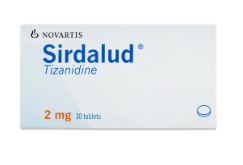
Sirdalud (Tizanidine): An Exhaustive Medical SEO Guide for Orthopedic Specialists and Patients
1. Comprehensive Introduction & Overview
Sirdalud, known generically as tizanidine, is a centrally acting skeletal muscle relaxant. It belongs to the class of alpha-2 adrenergic agonists and is primarily prescribed for the management of spasticity associated with various neurological conditions. Spasticity, a debilitating motor disorder characterized by increased muscle tone, exaggerated tendon reflexes, and involuntary spasms, can significantly impair mobility, cause pain, and reduce the quality of life for affected individuals.
As an expert in orthopedic care, understanding the nuanced application of medications like Sirdalud is crucial for optimizing patient outcomes. Sirdalud works by reducing the heightened muscle tone and frequency of spasms, thereby facilitating movement, improving rehabilitation efforts, and alleviating discomfort. Unlike some other muscle relaxants, tizanidine is thought to have a relatively lower impact on muscle strength, which can be advantageous in certain clinical scenarios.
This comprehensive guide aims to provide an exhaustive overview of Sirdalud, delving into its intricate mechanisms, clinical applications, dosage considerations, potential risks, and interactions. It is designed to serve as an authoritative resource for healthcare professionals and patients seeking in-depth knowledge about this important therapeutic agent.
2. Deep-dive into Technical Specifications / Mechanisms
Mechanism of Action
Tizanidine's therapeutic effects stem from its unique mechanism of action as a central alpha-2 adrenergic agonist. This means it primarily acts within the central nervous system, particularly at the spinal cord level, to exert its muscle relaxant properties.
The key steps in its mechanism are:
* Presynaptic Inhibition: Tizanidine binds to alpha-2 adrenergic receptors located on presynaptic neurons in the spinal cord.
* Reduced Neurotransmitter Release: Activation of these alpha-2 receptors leads to a decrease in the release of excitatory amino acids, such as glutamate and aspartate, from presynaptic terminals. These excitatory neurotransmitters are crucial for transmitting nerve impulses that lead to muscle contraction.
* Decreased Polysynaptic Reflex Activity: By reducing the release of excitatory neurotransmitters, tizanidine effectively dampens the polysynaptic reflex activity that contributes to increased muscle tone and spasms. This includes the inhibition of both monosynaptic and polysynaptic reflexes.
* Reduced Muscle Tone and Spasms: The overall effect is a reduction in muscle hypertonia, clonus, and the frequency and severity of involuntary muscle spasms without directly acting on the neuromuscular junction or the skeletal muscle itself.
This central action distinguishes tizanidine from peripherally acting muscle relaxants and contributes to its efficacy in managing neurological spasticity.
Pharmacokinetics
Understanding the pharmacokinetics of Sirdalud is essential for appropriate dosing and predicting its effects in various patient populations.
| Parameter | Description |
|---|---|
| Absorption | Rapid and almost completely absorbed from the gastrointestinal tract. |
| Bioavailability | Approximately 34% due to extensive first-pass metabolism. |
| Peak Plasma Conc. | Achieved within 1 to 2 hours after oral administration. |
| Food Effect | Food significantly increases Cmax (by ~30%) and AUC (by ~30%) and prolongs Tmax. Consistency in administration (always with food or always without food) is crucial. |
| Distribution | Volume of distribution is approximately 2.4 L/kg. Plasma protein binding is relatively low, around 30%. |
| Metabolism | Extensively metabolized in the liver, primarily by the cytochrome P450 1A2 (CYP1A2) isoenzyme. Metabolites are inactive. |
| Elimination | Primarily renal; approximately 60% of a dose is excreted via the kidneys, mainly as inactive metabolites. |
| Half-life | The mean elimination half-life is relatively short, ranging from 2 to 4 hours. |
| Renal Impairment | Significantly prolongs elimination half-life and increases systemic exposure, necessitating dose adjustments. |
| Hepatic Impairment | Clearance can be reduced, requiring caution and potentially dose adjustment. |
3. Extensive Clinical Indications & Usage
Detailed Indications
Sirdalud is primarily indicated for the management of spasticity arising from various neurological conditions. Its ability to reduce muscle tone and spasms can significantly improve a patient's functional capacity and comfort.
Primary Indications include:
* Multiple Sclerosis (MS): For the symptomatic relief of spasticity, which is a common and often disabling symptom of MS.
* Spinal Cord Injury (SCI): To alleviate spasticity resulting from traumatic or non-traumatic spinal cord lesions.
* Stroke: In patients experiencing post-stroke spasticity that interferes with daily activities or rehabilitation.
* Cerebral Palsy: While not a primary approved indication in all regions, tizanidine is sometimes used off-label for spasticity management in certain forms of cerebral palsy, particularly in older children and adults, under careful medical supervision.
* Other Spinal Pathologies: Spasticity associated with other spinal pathologies such as myelopathy.
Beyond these core neurological indications, Sirdalud may also be used in some clinical settings for:
* Painful Muscle Spasms: Relief of painful muscle spasms associated with acute, localized musculoskeletal conditions (e.g., low back pain, torticollis, periarthritis). While not its primary indication, its muscle relaxant properties can be beneficial in these scenarios. However, for these acute conditions, it's often considered a second-line agent or used when other therapies are insufficient.
The goal of treatment with Sirdalud is to improve a patient's ability to perform activities of daily living, reduce pain, facilitate physical therapy, and enhance overall quality of life.
Dosage Guidelines
Appropriate dosing of Sirdalud is critical to maximize therapeutic benefit while minimizing adverse effects. Dosing is highly individualized and requires careful titration.
- Initial Dose: The typical starting dose is 2 mg, administered orally, three times daily. Some patients may benefit from an additional 2 mg dose at bedtime if severe spasticity disrupts sleep.
- Titration: Dosage should be increased gradually in 2 mg to 4 mg increments, with intervals of 3 to 7 days between increases. This slow titration minimizes the risk of side effects, especially hypotension and sedation.
- Maintenance Dose: The usual therapeutic dose ranges from 6 mg to 12 mg daily, divided into three or four doses.
- Maximum Dose: The maximum recommended daily dose is generally 24 mg, although in severe cases and under strict medical supervision, doses up to 36 mg/day have been used. Exceeding 36 mg/day is not recommended.
- Administration: Sirdalud can be taken with or without food. However, due to the significant effect of food on its absorption (increasing Cmax and AUC), it is crucial to maintain consistency. Patients should consistently take the medication either with food or without food to minimize fluctuations in plasma levels and potential side effects. Switching between fed and fasted states can lead to unpredictable drug levels.
- Discontinuation: Abrupt discontinuation of Sirdalud, especially after prolonged use or high doses, can lead to a withdrawal syndrome characterized by rebound hypertension, tachycardia, and hypertonia. Therefore, Sirdalud should always be tapered gradually over 1 to 2 weeks to avoid these rebound phenomena.
Special Populations:
- Renal Impairment: In patients with creatinine clearance <25 mL/min, a lower starting dose (e.g., 2 mg once daily) and slower titration are recommended. Close monitoring for adverse effects is essential.
- Hepatic Impairment: Use with caution. Baseline liver function tests (LFTs) should be obtained, and regular monitoring during treatment is advised. Dose reduction may be necessary.
- Elderly Patients: Start with the lowest possible dose (e.g., 2 mg once daily) and titrate slowly due to increased sensitivity to adverse effects and potential age-related decline in renal and hepatic function.
4. Risks, Side Effects, or Contraindications
While Sirdalud is an effective treatment for spasticity, it is associated with a range of potential risks, side effects, and contraindications that must be carefully considered.
Contraindications
Sirdalud is absolutely contraindicated in the following situations:
* Hypersensitivity: Known allergy to tizanidine or any of its excipients.
* Concomitant Use with Potent CYP1A2 Inhibitors: Simultaneous administration with potent inhibitors of cytochrome P450 1A2 (CYP1A2), such as fluvoxamine (an antidepressant) or ciprofloxacin (an antibiotic), is strictly contraindicated. These drugs can significantly increase tizanidine plasma concentrations, leading to severe hypotension, bradycardia, and excessive sedation.
* Severe Hepatic Impairment: Due to its extensive hepatic metabolism, Sirdalud is contraindicated in patients with severe liver dysfunction.
Warnings and Precautions
Several important warnings and precautions are associated with Sirdalud use:
* Hypotension: Tizanidine can cause dose-related hypotension, including orthostatic hypotension. Patients should be warned about the risk of dizziness and fainting, especially when standing up quickly. This risk is higher at treatment initiation and during dose increases.
* Bradycardia: A decrease in heart rate can occur.
* Hepatic Injury: Rare but potentially serious liver injury has been reported. Baseline liver function tests (LFTs) should be performed, and LFTs should be monitored periodically (e.g., at 1, 3, and 6 months) during the first year of treatment, or if symptoms suggestive of liver dysfunction (e.g., unexplained nausea, anorexia, dark urine, jaundice) develop.
* Sedation/Drowsiness: Tizanidine commonly causes central nervous system (CNS) depression, including drowsiness, sedation, and dizziness. Patients should be cautioned against driving or operating hazardous machinery until they know how Sirdalud affects them.
* Withdrawal Syndrome: Abrupt cessation of Sirdalud, particularly after chronic use or high doses, can lead to rebound hypertension, tachycardia, and increased spasticity/hypertonia. Gradual tapering is essential.
* Renal Impairment: Requires dose adjustment and close monitoring due to prolonged elimination.
* Psychiatric Effects: Rare cases of hallucinations and delusions have been reported.
* Risk of Falls: Due to sedation and hypotension, there is an increased risk of falls, particularly in elderly patients.
Adverse Effects (Side Effects)
The incidence and severity of side effects are often dose-dependent.
| System Organ Class | Common Adverse Effects (>1%) | Less Common / Serious Adverse Effects (<1%) |
|---|---|---|
| Nervous System | Drowsiness, dizziness, somnolence, asthenia (weakness), fatigue, headache, nervousness | Hallucinations, delusions, insomnia, depression, tremor, dyskinesia, paresthesia |
| Cardiovascular | Hypotension, bradycardia, vasodilation | Postural hypotension, syncope, palpitation, arrhythmia |
| Gastrointestinal | Dry mouth, nausea, constipation, abdominal pain, dyspepsia | Vomiting, diarrhea, dysphagia, flatulence |
| Musculoskeletal | Muscle weakness | Back pain, myalgia |
| Liver | Elevated liver enzymes (transaminases) | Hepatic dysfunction, hepatitis, jaundice |
| Sensory | Blurred vision, pharyngitis | Tinnitus, glaucoma |
| Other | Urinary frequency, urinary tract infection, flu syndrome, sweating, rash | Allergic reactions (rash, pruritus, urticaria), asthenia (severe), fever, anaphylaxis (rare), drug withdrawal syndrome |
Drug Interactions
Sirdalud is metabolized by CYP1A2, making it susceptible to interactions with drugs that inhibit or induce this enzyme.
- Potent CYP1A2 Inhibitors (Contraindicated):
- Fluvoxamine: Can increase tizanidine AUC by 33-fold and Cmax by 12-fold, leading to severe hypotension and CNS depression.
- Ciprofloxacin: Can increase tizanidine AUC by 10-fold and Cmax by 7-fold, with similar severe adverse effects.
- Moderate CYP1A2 Inhibitors (Avoid or Use with Extreme Caution):
- Oral Contraceptives: Can increase tizanidine AUC by 50% and Cmax by 30%. Dose reduction of tizanidine may be necessary.
- Other CYP1A2 Inhibitors: Amiodarone, mexiletine, propafenone, verapamil, famotidine, cimetidine, acyclovir, ticagrelor. These drugs can also increase tizanidine levels; avoid concomitant use or significantly reduce tizanidine dose with close monitoring.
- Antihypertensives: Concomitant use with antihypertensive agents (e.g., diuretics, beta-blockers, ACE inhibitors) can potentiate hypotensive effects and bradycardia. Monitor blood pressure closely.
- CNS Depressants: Concurrent use with alcohol, benzodiazepines, opioids, tricyclic antidepressants, or other muscle relaxants can enhance sedation and CNS depression. Avoid or use with extreme caution.
- Alpha-2 Adrenergic Agonists: Additive hypotensive effects may occur with other alpha-2 agonists (e.g., clonidine).
Pregnancy and Lactation Warnings
- Pregnancy: Sirdalud is classified as Pregnancy Category C. Animal studies have shown adverse effects on the fetus (e.g., embryolethality, skeletal abnormalities) at doses higher than human therapeutic doses. There are no adequate and well-controlled studies in pregnant women. Sirdalud should be used during pregnancy only if the potential benefit justifies the potential risk to the fetus.
- Lactation: It is unknown whether tizanidine is excreted in human milk. Because many drugs are excreted in human milk and because of the potential for serious adverse reactions in nursing infants, a decision should be made whether to discontinue nursing or to discontinue the drug, taking into account the importance of the drug to the mother.
Overdose Management
Accidental or intentional overdose of Sirdalud can lead to serious and potentially life-threatening symptoms.
- Symptoms of Overdose: Nausea, vomiting, hypotension, bradycardia, dizziness, somnolence (ranging from mild drowsiness to coma), miosis (pinpoint pupils), respiratory depression, and cardiac arrest.
- Treatment: There is no specific antidote for tizanidine overdose. Management is primarily supportive:
- Maintain Airway: Ensure a patent airway and assist ventilation if respiratory depression is present.
- Monitor Vital Signs: Continuously monitor blood pressure, heart rate, and respiratory rate.
- Gastric Decontamination: If ingestion is recent (within 1-2 hours), gastric lavage or administration of activated charcoal may be considered to reduce absorption.
- Fluid Resuscitation: Intravenous fluids may be administered to manage hypotension.
- Symptomatic Management: Treat other symptoms as they arise. Close observation in a hospital setting is crucial until the patient stabilizes.
5. Frequently Asked Questions (FAQ) about Sirdalud
Q1: What is Sirdalud (Tizanidine) used for?
A1: Sirdalud is primarily used to treat spasticity, which is increased muscle tone, stiffness, and involuntary spasms caused by neurological conditions like multiple sclerosis, spinal cord injury, and stroke. It helps to reduce these symptoms, improving mobility and comfort.
Q2: How does Sirdalud work to relax muscles?
A2: Sirdalud works in your brain and spinal cord by acting as an alpha-2 adrenergic agonist. It reduces the release of excitatory chemicals that cause muscle contractions, thereby decreasing muscle tone and the frequency of spasms. It doesn't directly affect the muscle itself.
Q3: What are the most common side effects of Sirdalud?
A3: Common side effects include drowsiness, dry mouth, dizziness, asthenia (weakness), and low blood pressure (hypotension). These are often more pronounced at the beginning of treatment or with dose increases.
Q4: Can I take Sirdalud with alcohol?
A4: No, it is strongly advised to avoid alcohol while taking Sirdalud. Both alcohol and Sirdalud can cause central nervous system depression, leading to increased drowsiness, dizziness, and impaired coordination, which can be dangerous.
Q5: How long does Sirdalud take to start working?
A5: You might feel the muscle relaxant effects of Sirdalud within 1 to 2 hours after taking a dose, as this is when peak plasma concentrations are typically reached. However, the full therapeutic benefit for spasticity often requires careful dose titration over several days to weeks.
Q6: Is Sirdalud addictive or habit-forming?
A6: Sirdalud is not typically considered addictive in the same way as opioids or benzodiazepines. However, if taken for an extended period or at high doses, abruptly stopping the medication can lead to a withdrawal syndrome characterized by rebound high blood pressure, fast heart rate, and increased muscle spasticity. Therefore, it should always be tapered off gradually under medical supervision.
Q7: What should I do if I miss a dose of Sirdalud?
A7: If you miss a dose, take it as soon as you remember, unless it is almost time for your next scheduled dose. In that case, skip the missed dose and continue with your regular dosing schedule. Do not take a double dose to make up for a missed one.
Q8: Can Sirdalud be used for general back pain or acute muscle strains?
A8: While Sirdalud's primary indication is spasticity from neurological conditions, it is sometimes prescribed off-label or as a second-line agent for painful muscle spasms associated with acute musculoskeletal conditions like low back pain or neck pain. However, it's generally not the first-choice muscle relaxant for these conditions due to its side effect profile.
Q9: What foods or drugs should I avoid while taking Sirdalud?
A9: You must avoid potent CYP1A2 inhibitors like fluvoxamine (an antidepressant) and ciprofloxacin (an antibiotic) as they can dangerously increase Sirdalud levels. Also, be cautious with moderate CYP1A2 inhibitors (e.g., oral contraceptives, certain heart medications) and other CNS depressants like alcohol, benzodiazepines, and opioids. It's also important to be consistent with taking Sirdalud either always with food or always without food due to its interaction with food absorption.
Q10: How should I stop taking Sirdalud?
A10: Do not stop taking Sirdalud abruptly. If you need to discontinue the medication, your doctor will guide you through a gradual tapering schedule, typically reducing the dose slowly over 1 to 2 weeks. This prevents withdrawal symptoms such as rebound hypertension and worsening spasticity.
Q11: Is Sirdalud safe during pregnancy or breastfeeding?
A11: Sirdalud is classified as Pregnancy Category C, meaning animal studies have shown potential harm to the fetus, but there are no adequate studies in pregnant women. It should only be used if the potential benefit outweighs the potential risk. It is unknown if Sirdalud passes into breast milk, so caution is advised, and your doctor will help you weigh the risks and benefits of continuing or discontinuing the medication or breastfeeding.
Q12: How does Sirdalud differ from other common muscle relaxants like Cyclobenzaprine (Flexeril)?
A12: Sirdalud (tizanidine) and Cyclobenzaprine (Flexeril) are both muscle relaxants, but they have different mechanisms and primary uses. Sirdalud is an alpha-2 adrenergic agonist primarily used for chronic spasticity from neurological disorders. Cyclobenzaprine is a tricyclic antidepressant derivative, primarily used for acute, localized muscle spasms of musculoskeletal origin, and it works by acting on the brainstem and spinal cord. Sirdalud generally causes less overall muscle weakness compared to some other agents, but both can cause significant sedation.