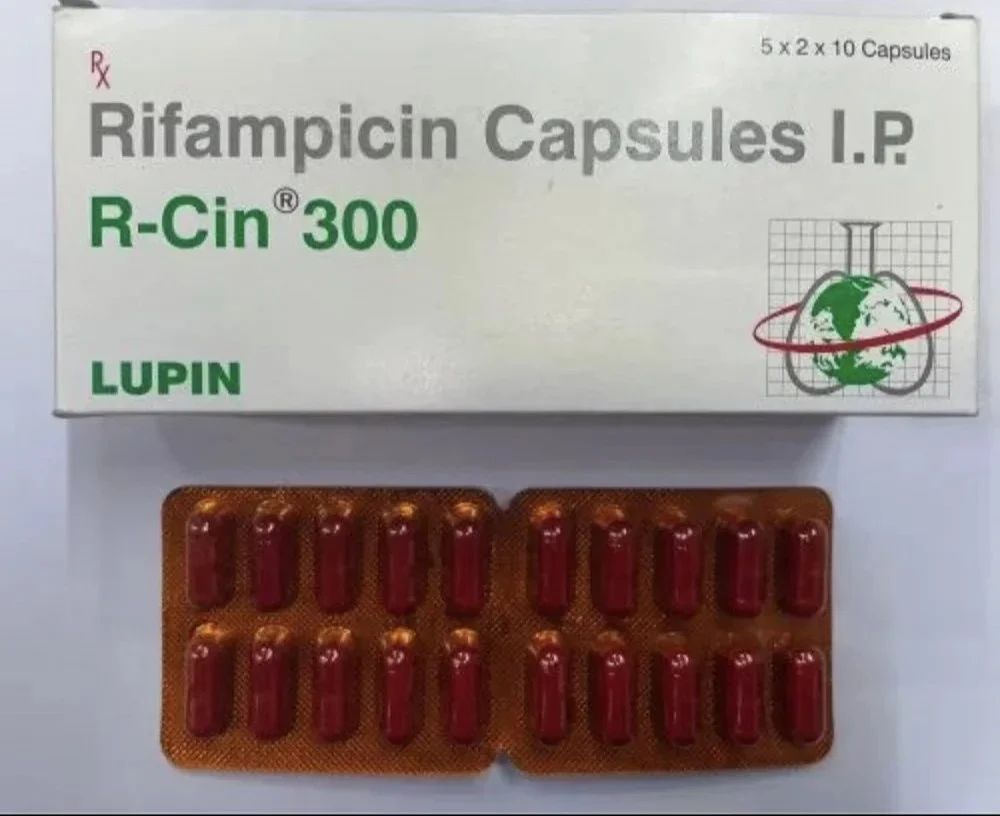
Rifampicin: Your Comprehensive Medical SEO Guide
Introduction to Rifampicin
Rifampicin, also known as rifampin, is a cornerstone antibiotic belonging to the rifamycin class. Renowned for its potent bactericidal activity, it plays a critical role in the treatment of several severe bacterial infections, most notably tuberculosis (TB) and leprosy. Its broad spectrum of activity also makes it valuable in managing other challenging infections, often in combination with other antimicrobial agents to enhance efficacy and prevent resistance. As an expert medical SEO copywriter and orthopedic specialist, we understand the profound impact this medication has across various medical disciplines, from infectious disease management to the prevention of surgical site infections.
This comprehensive guide aims to provide an exhaustive overview of Rifampicin, delving into its intricate mechanisms, clinical applications, dosage protocols, potential risks, and crucial drug interactions. Our goal is to equip patients, caregivers, and healthcare professionals with authoritative, easily accessible information to ensure safe and effective use of this vital medication.
Mechanism of Action & Pharmacokinetics
Understanding how Rifampicin works and how it moves through the body is fundamental to appreciating its therapeutic power and potential challenges.
Mechanism of Action
Rifampicin exerts its potent bactericidal effect by targeting a critical enzyme in bacterial cells: DNA-dependent RNA polymerase (DDRP).
- Specific Target: Rifampicin selectively binds to the beta-subunit of bacterial DDRP.
- Inhibition of RNA Synthesis: This binding prevents the initiation of RNA chain synthesis, effectively halting the transcription process essential for bacterial protein production and survival.
- Bactericidal Effect: By inhibiting RNA synthesis, Rifampicin directly kills susceptible bacteria rather than merely inhibiting their growth.
- Selectivity: A key advantage of Rifampicin is its high selectivity for bacterial DDRP, showing minimal affinity for mammalian RNA polymerase, which contributes to its relatively favorable safety profile in humans.
- Resistance: Bacterial resistance to Rifampicin primarily develops through mutations in the rpoB gene, which encodes the beta-subunit of DDRP, altering the binding site for the drug. This is why Rifampicin is almost always used in multi-drug regimens, particularly for TB, to prevent the emergence of resistance.
Pharmacokinetics
The journey of Rifampicin through the body is characterized by several important pharmacokinetic properties that influence its dosing and interaction profile.
- Absorption:
- Rifampicin is well absorbed orally, primarily from the gastrointestinal tract.
- Peak plasma concentrations are typically achieved within 2 to 4 hours after administration.
- Food can decrease the rate and extent of absorption, hence it is generally recommended to take Rifampicin on an empty stomach (at least 1 hour before or 2 hours after a meal).
- Distribution:
- It is widely distributed throughout the body, penetrating various tissues and fluids, including the cerebrospinal fluid (CSF), lungs, liver, and kidneys.
- Approximately 80% of Rifampicin is protein-bound in plasma.
- It readily crosses the blood-brain barrier, making it effective in treating central nervous system infections.
- Metabolism:
- Rifampicin is primarily metabolized in the liver, undergoing deacetylation to form desacetylrifampicin, which is still pharmacologically active.
- A crucial aspect of Rifampicin's metabolism is its potent induction of cytochrome P450 (CYP) enzymes, particularly CYP3A4, CYP2C9, CYP2C19, and CYP1A2. This autoinduction leads to a decrease in its own half-life with repeated dosing and is responsible for numerous significant drug interactions.
- Elimination:
- The majority of Rifampicin and its metabolites are excreted primarily via the bile into the feces.
- A smaller proportion is excreted renally.
- The elimination half-life ranges from 2 to 5 hours but can decrease with continued administration due to autoinduction of hepatic enzymes.
Clinical Indications & Dosage Guidelines
Rifampicin's broad spectrum and potent action make it indispensable for several key infections. Its use is almost always part of a multi-drug regimen to prevent resistance.
Detailed Indications
Rifampicin is indicated for the treatment and prophylaxis of various bacterial infections.
- Tuberculosis (TB):
- A cornerstone drug in all standard multi-drug regimens for both active and latent tuberculosis caused by Mycobacterium tuberculosis.
- Typically used in combination with isoniazid, pyrazinamide, and ethambutol (RIPE regimen) during the intensive phase, followed by a continuation phase with fewer drugs.
- Leprosy (Hansen's Disease):
- An essential component of multi-drug therapy (MDT) for both paucibacillary and multibacillary leprosy, as recommended by the World Health Organization (WHO).
- Used in combination with dapsone and clofazimine (for multibacillary) or dapsone alone (for paucibacillary).
- Meningococcal Disease Prophylaxis:
- Used to eradicate Neisseria meningitidis from the nasopharynx of asymptomatic carriers to prevent secondary cases of meningococcal meningitis in close contacts of an infected individual.
- Haemophilus influenzae Type b (Hib) Prophylaxis:
- Administered to close contacts of patients with invasive Hib disease, especially in households with unvaccinated or incompletely vaccinated children under 4 years of age.
- Serious Staphylococcal Infections:
- Often used in combination with other anti-staphylococcal agents (e.g., vancomycin, beta-lactams, fluoroquinolones) for severe infections, particularly those involving biofilms or foreign bodies.
- Orthopedic Relevance: Highly valuable in treating methicillin-resistant Staphylococcus aureus (MRSA) infections in orthopedic contexts, such as:
- Prosthetic Joint Infections (PJIs): In combination with other antibiotics, especially in two-stage revision surgeries or long-term suppressive therapy.
- Osteomyelitis: Chronic bone infections, often requiring prolonged courses of combination therapy.
- Implant-associated infections: Where its ability to penetrate biofilms can be advantageous.
- Brucellosis:
- Used in combination with doxycycline for the treatment of brucellosis.
- Legionnaires' Disease:
- May be used as an adjunct therapy in severe cases of Legionella pneumophila infection.
Dosage Guidelines
Dosage of Rifampicin is highly individualized based on the specific indication, patient's weight, age, and renal/hepatic function. It is generally administered once daily on an empty stomach.
| Indication | Adult Dosage | Pediatric Dosage (typically >1 month) | Administration Frequency | Duration of Therapy |
|---|---|---|---|---|
| Tuberculosis (Active) | 10 mg/kg (max 600 mg) | 10-20 mg/kg (max 600 mg) | Once daily | Typically 6-9 months as part of a multi-drug regimen (e.g., 2 months RIPE, then 4-7 months RI). Intermittent dosing (2-3 times/week) may be used under direct observed therapy (DOT). |
| Tuberculosis (Latent) | 600 mg | 10-20 mg/kg (max 600 mg) | Once daily | 4 months (monotherapy) or 3 months (in combination with isoniazid). |
| Leprosy (MDT) | 600 mg | 10 mg/kg (max 600 mg) | Once monthly | Paucibacillary: 6 months. Multibacillary: 12 months. |
| Meningococcal Prophylaxis | 600 mg | >1 month: 10 mg/kg; <1 month: 5 mg/kg | Every 12 hours | 2 days (total 4 doses) |
| H. influenzae Type b Prophylaxis | 600 mg | 20 mg/kg (max 600 mg) | Once daily | 4 days |
| Serious Staphylococcal Infections | 300-600 mg | Dosing varies, often 10-20 mg/kg twice daily | Twice daily | Highly variable, often prolonged (weeks to months), always in combination with another active agent. Dosing must be carefully considered due to significant drug interactions. |
| Brucellosis | 600-900 mg | 15-20 mg/kg (max 900 mg) | Once daily | Typically 6 weeks in combination with doxycycline. |
Important Considerations:
* Empty Stomach: Always advise patients to take Rifampicin on an empty stomach for optimal absorption.
* Direct Observed Therapy (DOT): For TB, DOT is highly recommended for intermittent regimens to ensure adherence and minimize resistance.
* Renal Impairment: No specific dose adjustment is usually required for renal impairment, as it is primarily eliminated hepatically. However, caution is advised in severe renal failure.
* Hepatic Impairment: Dose reduction or careful monitoring is necessary in patients with hepatic dysfunction due to the risk of hepatotoxicity.
Risks, Side Effects & Contraindications
While Rifampicin is a highly effective medication, it comes with a distinct profile of potential side effects and critical contraindications that demand careful patient monitoring and education.
Common Side Effects
Many patients experience some side effects, most of which are mild and manageable.
- Red-Orange Discoloration: This is the most characteristic and benign side effect. Rifampicin causes a harmless red-orange discoloration of urine, sweat, tears, saliva, feces, and other body fluids. Patients should be warned that this can permanently stain soft contact lenses and clothing.
- Gastrointestinal Disturbances: Nausea, vomiting, abdominal pain, diarrhea, and loss of appetite are common.
- Flu-like Syndrome: Particularly with intermittent dosing or upon restarting therapy after a break, patients may experience fever, chills, headache, dizziness, fatigue, and muscle aches.
- Rash and Pruritus: Skin rashes and itching can occur.
- Elevated Liver Enzymes: Transient increases in liver transaminases (AST, ALT) are common and often resolve without intervention. However, they warrant monitoring.
Serious Side Effects
Some side effects are more severe and require immediate medical attention.
- Hepatotoxicity: This is a major concern. Rifampicin can cause drug-induced liver injury, ranging from asymptomatic enzyme elevation to severe hepatitis, jaundice, and, rarely, fatal hepatic failure. The risk is increased with pre-existing liver disease, alcohol abuse, advanced age, and concomitant use of other hepatotoxic drugs (e.g., isoniazid, pyrazinamide). Regular monitoring of liver function tests (LFTs) is crucial.
- Hematologic Abnormalities:
- Thrombocytopenia: A decrease in platelet count, leading to increased bleeding or bruising.
- Leukopenia: A decrease in white blood cell count.
- Hemolytic Anemia: A rare but serious condition where red blood cells are destroyed prematurely.
- Renal Failure: Acute kidney injury, including acute tubular necrosis, can occur, especially in patients with pre-existing renal disease or during intermittent therapy.
- Hypersensitivity Reactions: Severe allergic reactions (e.g., anaphylaxis, Stevens-Johnson syndrome) are rare but possible.
- Pseudomembranous Colitis: Like other antibiotics, Rifampicin can alter gut flora, leading to overgrowth of Clostridioides difficile and severe diarrhea.
Contraindications
Rifampicin is contraindicated in certain situations to prevent severe adverse outcomes.
- Hypersensitivity: Known allergy or severe hypersensitivity reaction to Rifampicin or other rifamycins.
- Concomitant Use with Specific Medications: Due to its potent CYP enzyme induction, Rifampicin is absolutely contraindicated with certain drugs where even minor reductions in concentration can lead to therapeutic failure, life-threatening events, or severe toxicity. These include:
- Protease Inhibitors (PIs) for HIV: Most PIs (e.g., saquinavir, ritonavir, lopinavir/ritonavir) are contraindicated due to significant reductions in PI levels, leading to virologic failure.
- Certain Non-Nucleoside Reverse Transcriptase Inhibitors (NNRTIs): Etravirine and rilpivirine are contraindicated.
- Direct-Acting Antivirals (DAAs) for HCV: Many DAAs (e.g., sofosbuvir/ledipasvir, ombitasvir/paritaprevir/ritonavir) are contraindicated due to reduced DAA levels.
- Active Liver Disease or Severe Hepatic Impairment: While not an absolute contraindication in all cases (especially for life-threatening TB), it requires extreme caution, dose adjustment, and intensive monitoring due to the risk of exacerbating liver damage.
Drug Interactions
The most critical aspect of Rifampicin's safety profile lies in its extensive and often severe drug interactions, primarily due to its potent induction of various cytochrome P450 (CYP) enzymes and drug transporters (e.g., P-glycoprotein). This induction leads to accelerated metabolism and reduced plasma concentrations of many co-administered drugs.
| Drug Class / Specific Drug | Interaction Mechanism | Clinical Consequence | Management