Proluton Depot: An Exhaustive Medical SEO Guide to Hydroxyprogesterone Caproate
1. Comprehensive Introduction & Overview
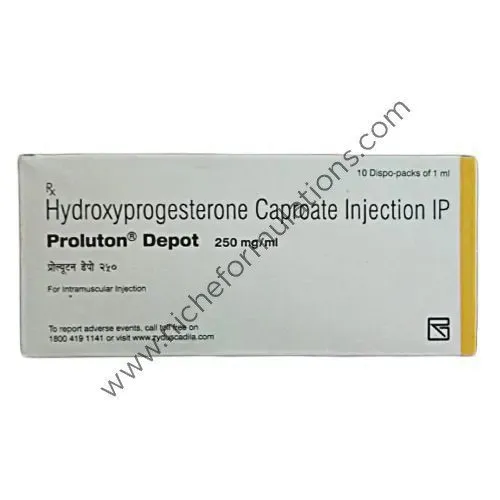
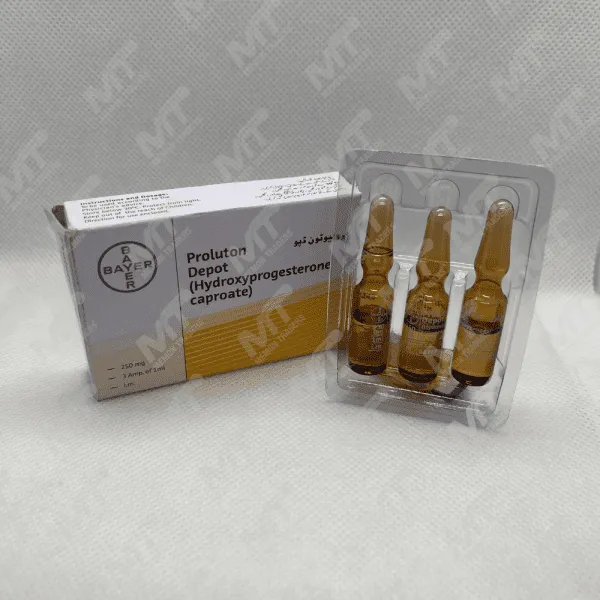
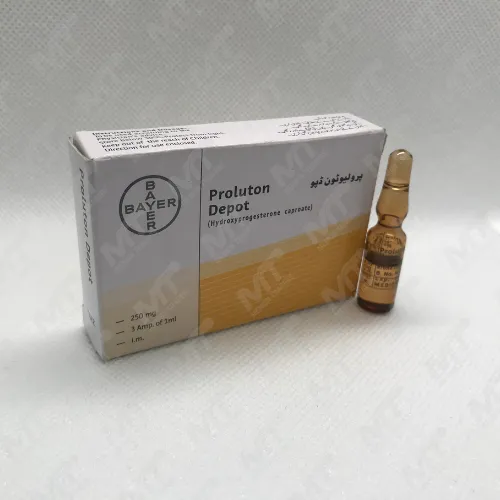
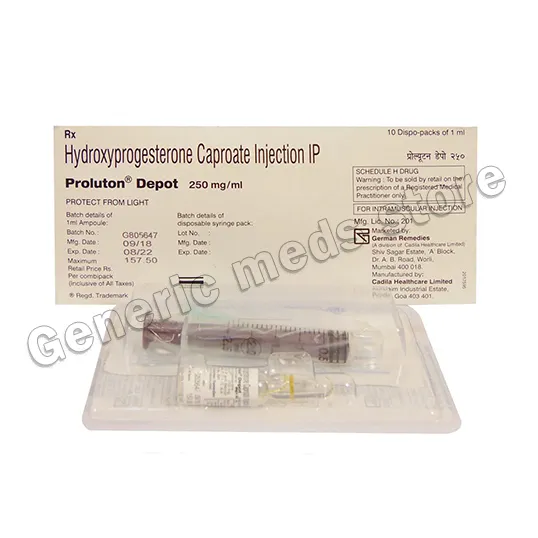
Proluton Depot, a widely recognized brand name for Hydroxyprogesterone Caproate (HPC), is a synthetic progestin medication administered via intramuscular injection. This powerful hormone derivative plays a critical role in supporting pregnancy, particularly in preventing recurrent preterm birth, and has various other gynecological applications. As a long-acting ester of 17α-hydroxyprogesterone, HPC mimics the actions of natural progesterone, a vital hormone for maintaining pregnancy and regulating the menstrual cycle.
The primary function of Proluton Depot revolves around its ability to stabilize the uterine environment, reduce uterine contractility, and promote cervical integrity, thereby creating optimal conditions for fetal development and preventing premature labor. Its "depot" formulation ensures a sustained release of the active ingredient, providing prolonged therapeutic effects with less frequent dosing compared to other progesterone formulations.
This comprehensive guide aims to provide an in-depth, authoritative resource for healthcare professionals and patients seeking detailed information about Proluton Depot. We will delve into its intricate mechanism of action, pharmacokinetic profile, extensive clinical indications, precise dosage guidelines, potential risks, side effects, drug interactions, and crucial warnings, ensuring a holistic understanding of this essential medication.
2. Deep-dive into Technical Specifications & Mechanisms
2.1. Mechanism of Action
Hydroxyprogesterone Caproate (HPC) functions as a potent synthetic progestin, primarily by binding to and activating intracellular progesterone receptors. These receptors are widely distributed throughout the reproductive system, including the uterus, cervix, and hypothalamus. Upon binding, the activated receptor complex translocates to the nucleus, where it interacts with specific DNA sequences (progesterone response elements) to modulate gene expression.
The key mechanisms by which Proluton Depot exerts its therapeutic effects include:
- Uterine Quiescence: HPC helps to relax the smooth muscle of the myometrium (the muscular wall of the uterus) by decreasing its excitability and reducing the number of oxytocin receptors. This action is crucial in preventing premature uterine contractions that can lead to preterm labor.
- Cervical Support: Progesterone plays a vital role in maintaining cervical integrity. HPC helps to prevent cervical ripening, effacement, and dilation, which are pathological processes associated with preterm birth. It promotes the accumulation of extracellular matrix components, strengthening the cervical tissue.
- Endometrial Transformation: In non-pregnant states or during fertility treatments, HPC induces a secretory transformation of the endometrium, making it receptive to embryo implantation. It also helps to maintain the decidualized endometrium during early pregnancy.
- Anti-inflammatory Effects: Progesterone has known anti-inflammatory properties. By mitigating inflammatory processes within the uterus and cervix, HPC may indirectly contribute to preventing preterm birth, as inflammation is a recognized trigger for premature labor.
- Hypothalamic-Pituitary-Ovarian Axis Modulation: Like natural progesterone, HPC can suppress gonadotropin release (LH and FSH), thereby inhibiting ovulation. This effect is utilized in some contraceptive applications.
2.2. Pharmacokinetics
The pharmacokinetic profile of Hydroxyprogesterone Caproate is characterized by its sustained release and prolonged action due to its esterification with caproic acid.
- Absorption: Following intramuscular (IM) injection, HPC is slowly absorbed from the oil-based depot into the systemic circulation. The caproate ester provides a sustained release, leading to a prolonged duration of action. Peak plasma concentrations are typically reached within 3 to 7 days post-injection.
- Distribution: Once absorbed, HPC is extensively bound to plasma proteins, primarily albumin. It distributes into various tissues, including fatty tissues, which contributes to its long half-life.
- Metabolism: HPC undergoes extensive hepatic metabolism, primarily via hydroxylation and conjugation pathways. The cytochrome P450 enzyme system, particularly CYP3A4, is involved in its biotransformation.
- Elimination: The metabolites of HPC are primarily excreted through the kidneys (renal excretion) and, to a lesser extent, via the feces (biliary excretion). The elimination half-life is relatively long, ranging from approximately 7 to 17 days, depending on the individual and the specific formulation. This extended half-life supports the weekly dosing regimen often employed for preterm birth prevention.
3. Extensive Clinical Indications & Usage
Proluton Depot is indicated for several conditions where progestin support is beneficial. Its most prominent and well-established use is in obstetrics.
3.1. Detailed Indications
- Prevention of Recurrent Preterm Birth: This is the primary and most significant indication for Proluton Depot. It is specifically used in singleton pregnancies for women with a history of spontaneous preterm birth to reduce the risk of recurrence. Treatment typically begins between 16 and 20 weeks of gestation and continues weekly until week 36 or 37 of gestation.
- Threatened Miscarriage (Threatened Abortion): Historically, Proluton Depot has been used to support pregnancy in cases of threatened miscarriage (vaginal bleeding in early pregnancy without cervical dilation). While its efficacy in preventing miscarriage is debated and not as strongly evidence-based as its role in preterm birth prevention, it is still used in some clinical settings based on individual physician discretion and patient history.
- Luteal Phase Support in Assisted Reproductive Technologies (ART): In women undergoing in vitro fertilization (IVF) or other ART procedures, Proluton Depot may be used to supplement natural progesterone production during the luteal phase, enhancing endometrial receptivity and supporting early pregnancy.
- Secondary Amenorrhea: Proluton Depot can be used to induce withdrawal bleeding in women with secondary amenorrhea (absence of menstruation for several months) who have adequate endogenous estrogen production. It helps to re-establish a regular menstrual cycle.
- Dysfunctional Uterine Bleeding: In cases of abnormal uterine bleeding due to hormonal imbalance, Proluton Depot can be administered to stabilize the endometrium and control irregular bleeding.
- Endometriosis: While not a first-line treatment, high-dose progestins like HPC can sometimes be used to manage symptoms of endometriosis by inducing decidualization and atrophy of endometrial implants.
- Progestin-only Contraception: In some regions, depot progestins, including formulations similar to HPC, are used as long-acting reversible contraception (LARC) to prevent pregnancy.
3.2. Dosage Guidelines
The dosage and administration of Proluton Depot must always be determined by a healthcare professional based on the specific indication and individual patient factors.
3.2.1. For Prevention of Recurrent Preterm Birth:
- Dosage: Typically 250 mg (1 mL) of Hydroxyprogesterone Caproate.
- Frequency: Administered once weekly.
- Initiation: Treatment usually starts between 16 weeks 0 days and 20 weeks 6 days of gestation.
- Duration: Continues weekly until 36 weeks 6 days of gestation or until delivery, whichever occurs first.
- Administration: Deep intramuscular injection, usually into the gluteal muscle. Injection sites should be rotated to minimize discomfort and local reactions.
3.2.2. For Threatened Miscarriage / Luteal Phase Support:
- Dosage: Varies significantly depending on clinical judgment and specific protocols. Common regimens may involve 250-500 mg weekly or bi-weekly.
- Duration: Continued until the risk of miscarriage has passed or as directed by the physician.
3.2.3. For Other Gynecological Indications (e.g., Amenorrhea, Dysfunctional Bleeding):
- Dosage: Highly individualized. May involve single doses or a course of injections over several weeks, followed by a withdrawal period to induce bleeding.
- Administration: Deep intramuscular injection.
Important Note: Proluton Depot is intended for intramuscular use only. It should not be administered intravenously or subcutaneously. Proper aseptic technique must be followed during administration.
4. Risks, Side Effects, & Contraindications
Like all medications, Proluton Depot carries potential risks, side effects, and contraindications that must be carefully considered before use.
4.1. Contraindications
Proluton Depot is contraindicated in patients with the following conditions:
- Undiagnosed Abnormal Vaginal Bleeding: Before treatment, any unexplained vaginal bleeding should be thoroughly investigated to rule out malignancy or other serious conditions.
- Active Thrombophlebitis or Thromboembolic Disorders: Including deep vein thrombosis (DVT), pulmonary embolism (PE), or a history of these conditions. Progestins can increase the risk of thromboembolic events.
- Known or Suspected Breast Cancer or Other Hormone-Sensitive Cancers: Progestins can stimulate the growth of certain hormone-dependent tumors.
- Severe Liver Disease or Liver Tumors (Benign or Malignant): Proluton Depot is metabolized in the liver, and impaired liver function can lead to accumulation and increased side effects.
- Hypersensitivity: Known allergy or hypersensitivity to Hydroxyprogesterone Caproate or any of the excipients in the formulation (e.g., castor oil).
- Cholestatic Jaundice of Pregnancy or Jaundice with Prior Oral Contraceptive Use: A history of these conditions may indicate a predisposition to liver-related adverse effects.
4.2. Side Effects
Side effects associated with Proluton Depot can range from mild and transient to more serious.
4.2.1. Common Side Effects (affecting >1% of patients):
- Injection Site Reactions: Pain, swelling, itching, bruising, or a small lump (nodule) at the injection site. These are typically mild and resolve spontaneously.
- Gastrointestinal Disturbances: Nausea, vomiting, abdominal discomfort.
- Headache: Mild to moderate headaches.
- Dizziness or Lightheadedness.
- Breast Tenderness or Enlargement.
- Fatigue or Lethargy.
- Mood Changes: Irritability, depression, anxiety.
- Fluid Retention: Edema, weight gain.
- Changes in Menstrual Bleeding Patterns: Irregular bleeding or spotting (in non-pregnant users).
4.2.2. Less Common but Potentially Serious Side Effects:
- Thromboembolic Events: Deep vein thrombosis, pulmonary embolism, stroke, myocardial infarction. The risk is generally low but should be considered, especially in individuals with pre-existing risk factors.
- Allergic Reactions: Rash, hives, itching, swelling of the face/lips/tongue, difficulty breathing (anaphylaxis). Seek immediate medical attention if severe allergic symptoms occur.
- Liver Dysfunction: Jaundice (yellowing of skin or eyes), elevated liver enzymes.
- Hypertension (High Blood Pressure).
- Glucose Intolerance: Worsening of diabetes or impaired glucose tolerance.
- Depression: Severe depression or exacerbation of pre-existing depressive disorders.
- Visual Disturbances: Migraine with aura, sudden partial or complete loss of vision.
- Local Skin Reactions: Sterile abscess at the injection site (rare).
4.3. Warnings & Precautions
- Cardiovascular Risk Factors: Patients with a history of cardiovascular disease, hypertension, or other risk factors for thromboembolic events should be carefully monitored.
- Diabetes: Progestins can affect glucose metabolism. Diabetic patients or those with a predisposition to diabetes should have their blood glucose levels monitored regularly.
- Depression: Women with a history of clinical depression should be monitored for recurrence or worsening of depressive symptoms.
- Fluid Retention Conditions: Caution is advised in patients with conditions that may be exacerbated by fluid retention, such as epilepsy, migraine, asthma, cardiac dysfunction, or renal impairment.
- Liver Function: Periodic monitoring of liver function tests is recommended, especially in patients with a history of liver issues.
- Pregnancy and Lactation:
- Pregnancy: Proluton Depot is specifically indicated for use in pregnancy to prevent recurrent preterm birth. However, it is crucial to use it only for approved indications and under strict medical supervision. Its use for other purposes in pregnancy (e.g., miscarriage prevention) should be carefully weighed against potential risks and evidence.
- Lactation: Small amounts of progestins can pass into breast milk. While generally considered compatible with breastfeeding for short-term use, caution is advised, and the benefits of treatment should be weighed against potential risks to the infant. Long-term effects on breastfed infants are not fully established.
4.4. Drug Interactions
Proluton Depot's metabolism involves the cytochrome P450 enzyme system, leading to potential interactions with other medications.
- CYP3A4 Inducers: Drugs that induce CYP3A4 (e.g., rifampicin, carbamazepine, phenobarbital, phenytoin, St. John's Wort) can accelerate the metabolism of HPC, potentially reducing its plasma concentrations and therapeutic efficacy.
- CYP3A4 Inhibitors: Drugs that inhibit CYP3A4 (e.g., ketoconazole, itraconazole, clarithromycin, erythromycin, ritonavir, grapefruit juice) can decrease the metabolism of HPC, potentially increasing its plasma concentrations and risk of side effects.
- Anticoagulants: Progestins may interfere with the action of anticoagulants. Close monitoring of coagulation parameters may be necessary.
- Corticosteroids: Progestins may reduce the clearance of corticosteroids, potentially increasing their effects.
- Insulin and Oral Hypoglycemics: As HPC can affect glucose tolerance, dosage adjustments of antidiabetic medications may be required.
- Thyroid Hormones: Progestins can affect thyroid function tests, though they typically do not alter thyroid hormone levels themselves.
4.5. Overdose Management
Acute overdose with Proluton Depot is generally not expected to result in life-threatening effects due to its low acute toxicity. However, an overdose may lead to an exaggeration of known side effects.
- Symptoms: May include increased nausea, vomiting, dizziness, fatigue, breast tenderness, or injection site reactions.
- Management: There is no specific antidote for Proluton Depot overdose. Treatment should be symptomatic and supportive. Discontinuation of the medication and close monitoring of vital signs and symptoms are recommended. In severe cases, medical intervention to manage specific symptoms may be necessary.
5. Massive FAQ Section
Q1: What is Proluton Depot primarily used for?
A1: Proluton Depot (Hydroxyprogesterone Caproate) is primarily used in pregnant women with a history of spontaneous preterm birth to reduce the risk of another preterm delivery. It is also used for other gynecological conditions like threatened miscarriage, luteal phase support in ART, secondary amenorrhea, and dysfunctional uterine bleeding.
Q2: How is Proluton Depot administered?
A2: Proluton Depot is administered as a deep intramuscular injection, typically into the gluteal muscle. It is given once weekly for preterm birth prevention. It should never be injected intravenously or subcutaneously.
Q3: What are the most common side effects of Proluton Depot?
A3: Common side effects include pain, swelling, itching, or a lump at the injection site, nausea, headache, dizziness, breast tenderness, fatigue, and mood changes. These are usually mild and temporary.
Q4: Can Proluton Depot prevent all preterm births?
A4: No, Proluton Depot can significantly reduce the risk of recurrent preterm birth in women with a history of it, but it does not prevent all preterm births. Its efficacy is specific to certain patient populations and risk factors.
Q5: Is Proluton Depot safe to use during pregnancy?
A5: Yes, Proluton Depot is specifically indicated and considered safe for use in pregnancy for the prevention of recurrent preterm birth in eligible women. However, its use for other indications during pregnancy should be carefully discussed with a healthcare provider, as safety and efficacy may vary.
Q6: How long do I need to take Proluton Depot for preterm birth prevention?
A6: For preterm birth prevention, treatment typically starts between 16 and 20 weeks of gestation and continues weekly until 36 or 37 weeks of gestation, or until delivery, whichever comes first.
Q7: What should I do if I miss a dose of Proluton Depot?
A7: If you miss a dose, contact your healthcare provider immediately. They will advise you on the next steps, which may include administering the missed dose as soon as possible and adjusting your subsequent dosing schedule. Do not double dose to make up for a missed one.
Q8: Can I use Proluton Depot if I have diabetes?
A8: Proluton Depot can affect glucose tolerance. If you have diabetes or a predisposition to it, your blood glucose levels should be monitored closely by your doctor during treatment. Dosage adjustments of your antidiabetic medications may be necessary.
Q9: Are there any dietary restrictions while taking Proluton Depot?
A9: Generally, there are no specific dietary restrictions associated with Proluton Depot. However, it's always wise to maintain a balanced diet. Grapefruit juice can potentially interact with the metabolism of progestins, so it's often advised to avoid excessive consumption.
Q10: How should Proluton Depot be stored?
A10: Proluton Depot should be stored at room temperature (typically between 20°C to 25°C or 68°F to 77°F), away from light and moisture. Do not freeze. Keep it out of reach of children and pets.
Q11: Is Proluton Depot the same as natural progesterone?
A11: Proluton Depot contains Hydroxyprogesterone Caproate, which is a synthetic progestin. While it mimics many actions of natural progesterone, it is not identical. It is a longer-acting derivative designed for specific therapeutic effects.
Q12: Can men use Proluton Depot?
A12: Proluton Depot is specifically designed for use in women, primarily for gynecological and obstetric indications. It is not indicated for use in men.
Q13: What is the difference between Proluton Depot and Makena?
A13: Proluton Depot and Makena both contain Hydroxyprogesterone Caproate (HPC) and are used for the same primary indication: preventing recurrent preterm birth. Makena was a specific brand name primarily marketed in the United States, while Proluton Depot is a brand name used in various other regions globally. The active ingredient and mechanism of action are identical. However, the specific formulation (e.g., excipients, concentration) and regulatory approvals might vary slightly by region and brand.