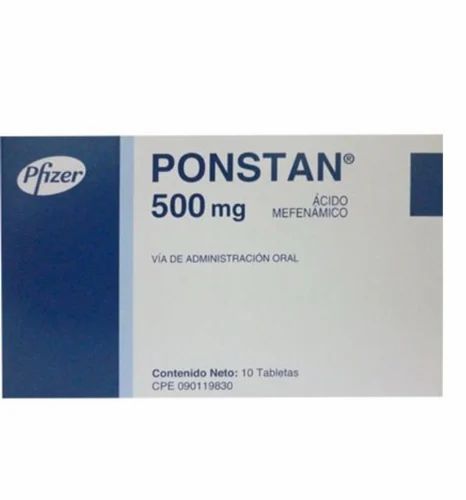
Ponstan (Mefenamic Acid): An Expert Medical SEO Guide
Welcome to this comprehensive medical guide on Ponstan, a widely recognized brand name for the non-steroidal anti-inflammatory drug (NSAID) Mefenamic Acid. As an expert medical SEO copywriter and orthopedic specialist, this guide aims to provide an exhaustive, authoritative, and easy-to-understand resource for patients, caregivers, and healthcare professionals alike. We will delve into its scientific underpinnings, clinical applications, safety profile, and essential considerations for its responsible use.
1. Introduction & Overview of Ponstan (Mefenamic Acid)
Ponstan, with its active ingredient Mefenamic Acid, is a pharmaceutical agent belonging to the fenamate class of NSAIDs. It is primarily prescribed for its analgesic (pain-relieving), anti-inflammatory, and antipyretic (fever-reducing) properties. First introduced in the 1960s, Mefenamic Acid has established itself as a valuable tool in managing various acute and chronic pain conditions, particularly those accompanied by inflammation.
Unlike some other NSAIDs, Mefenamic Acid holds specific indications for conditions like primary dysmenorrhea (menstrual cramps) and menorrhagia (heavy menstrual bleeding), where its mechanism of action is particularly beneficial. It is a prescription-only medication, underscoring the importance of professional medical consultation before its use.
Key Highlights of Ponstan (Mefenamic Acid):
- Drug Class: Non-Steroidal Anti-Inflammatory Drug (NSAID)
- Primary Actions: Analgesic, Anti-inflammatory, Antipyretic
- Formulations: Typically oral capsules or tablets
- Prescription Status: Requires a prescription in most regions
- Specific Utility: Particularly effective for menstrual pain and excessive bleeding
2. Deep-Dive into Technical Specifications & Mechanisms
Understanding how Ponstan works at a molecular level is crucial for appreciating its therapeutic effects and potential side effects.
2.1 Mechanism of Action
Mefenamic Acid, like other NSAIDs, exerts its primary therapeutic effects by inhibiting the synthesis of prostaglandins. Prostaglandins are lipid compounds that act as local hormones, mediating various physiological processes, including inflammation, pain sensation, and fever.
The key enzyme responsible for prostaglandin synthesis is cyclooxygenase (COX). There are two main isoforms of COX:
- COX-1: Constitutively expressed in most tissues, playing a role in maintaining normal physiological functions such as protecting the gastric mucosa, regulating renal blood flow, and facilitating platelet aggregation.
- COX-2: Primarily induced at sites of inflammation, contributing significantly to the production of prostaglandins that mediate pain and inflammation.
Mefenamic Acid is a non-selective COX inhibitor, meaning it inhibits both COX-1 and COX-2 enzymes. By inhibiting these enzymes, it reduces the production of prostaglandins, thereby mitigating:
- Inflammation: Less prostaglandin E2 (PGE2) leads to reduced vasodilation and edema.
- Pain: Less prostaglandin sensitization of nerve endings to pain stimuli.
- Fever: Less prostaglandin mediation of thermoregulation in the hypothalamus.
Furthermore, Mefenamic Acid's specific efficacy in dysmenorrhea is thought to involve not only COX inhibition but also a potential direct antagonistic effect on prostaglandin receptors in the uterus, leading to reduced uterine contractility and pain.
2.2 Pharmacokinetics
Pharmacokinetics describes how the body processes a drug – its absorption, distribution, metabolism, and excretion.
- Absorption:
- Mefenamic Acid is rapidly and well-absorbed from the gastrointestinal tract following oral administration.
- Peak plasma concentrations (Tmax) are typically reached within 2-4 hours after ingestion.
- Food may delay absorption but does not significantly affect the total amount absorbed.
- Distribution:
- It is highly protein-bound (over 90%) to plasma albumin, meaning only a small fraction is unbound and pharmacologically active.
- It distributes into various body fluids and tissues, including synovial fluid, which is relevant for its use in arthritic conditions.
- Metabolism:
- Mefenamic Acid undergoes extensive hepatic metabolism primarily via cytochrome P450 enzymes, specifically CYP2C9.
- The main metabolic pathway involves hydroxylation, followed by glucuronidation.
- The primary metabolite, 3-hydroxymethyl mefenamic acid, is also pharmacologically active, though less potent than the parent compound. Further metabolism leads to inactive metabolites.
- Excretion:
- Approximately 50-70% of a dose is excreted in the urine, mainly as metabolites and their conjugates.
- A significant portion (20-25%) is also excreted in the feces, primarily via biliary excretion.
- The elimination half-life (t½) of Mefenamic Acid is relatively short, approximately 2-4 hours. This necessitates multiple daily dosing to maintain therapeutic levels.
- Special Populations:
- Elderly: May have reduced renal and hepatic function, potentially leading to increased plasma levels and a higher risk of adverse effects. Lower doses and careful monitoring are often recommended.
- Renal Impairment: Excretion is significantly affected, leading to accumulation of the drug and its metabolites. Mefenamic Acid is generally contraindicated in severe renal impairment.
- Hepatic Impairment: Metabolism is compromised, increasing systemic exposure and risk of toxicity. Contraindicated in severe hepatic impairment.
3. Extensive Clinical Indications & Usage
Ponstan (Mefenamic Acid) is indicated for a range of conditions where pain and inflammation are primary symptoms. Its use should always be guided by a healthcare professional, especially given its specific side effect profile and interactions.
3.1 Detailed Indications
The primary indications for Mefenamic Acid include:
- Mild to Moderate Pain:
- Acute musculoskeletal pain (e.g., sprains, strains).
- Post-operative pain.
- Dental pain (e.g., toothache, post-extraction pain).
- Headaches (including some types of migraine, though not a first-line agent).
- Other general acute pain conditions.
- Primary Dysmenorrhea (Menstrual Pain):
- One of the most common and effective uses. Mefenamic Acid helps reduce uterine contractions and pain by inhibiting prostaglandin synthesis, which is often elevated in dysmenorrhea.
- Menorrhagia (Heavy Menstrual Bleeding):
- Specifically indicated for heavy bleeding associated with dysfunctional uterine bleeding or the presence of an intrauterine device (IUD), where it can reduce blood loss by affecting prostaglandin-mediated uterine blood flow and platelet function.
- Rheumatoid Arthritis:
- For the short-term (up to 7 days) symptomatic treatment of acute flare-ups or exacerbations. Not intended for long-term management due to its side effect profile compared to other NSAIDs.
- Osteoarthritis:
- Similar to rheumatoid arthritis, it can be used for short-term symptomatic relief of pain and inflammation during acute episodes.
- Fever:
- While possessing antipyretic properties, it is generally not a first-line agent for fever, especially in children, due to its side effect profile. Its use for fever is usually considered when other antipyretics are unsuitable or ineffective, and often in the context of an inflammatory condition.
3.2 Dosage Guidelines
Dosage must be individualized based on the patient's condition, age, and response, always aiming for the lowest effective dose for the shortest possible duration.
General Adult Dosage:
| Indication | Initial Dose | Subsequent Doses | Maximum Daily Dose | Duration of Treatment |
|---|---|---|---|---|
| Mild to Moderate Pain | 500 mg | 250 mg every 6 hours as needed | 1000 mg | Typically up to 7 days |
| Primary Dysmenorrhea | 500 mg at onset of pain/bleeding | 250 mg every 6 hours as needed | 1000 mg | For the duration of menses |
| Menorrhagia | 500 mg at onset of bleeding and associated symptoms | 250 mg every 6 hours as needed | 1000 mg | For the duration of menses |
| Rheumatoid/Osteoarthritis (Acute) | 500 mg | 250 mg every 6 hours as needed | 1000 mg | Up to 7 days |
Important Administration Notes:
- Take with food, milk, or antacids: To minimize gastrointestinal irritation and dyspepsia. Do not take on an empty stomach.
- Do not exceed recommended dose: Exceeding the maximum daily dose or duration increases the risk of serious adverse effects.
- Pediatric Use: Mefenamic Acid is generally not recommended for children under 14 years of age due to limited safety data and the potential for increased risk of adverse effects. Specific pediatric formulations and guidelines may exist in some regions for older children under strict medical supervision.
- Elderly Patients: Initiate treatment at the lower end of the dosing range and monitor closely for adverse reactions, especially GI bleeding and renal impairment.
- Renal/Hepatic Impairment: Contraindicated in severe impairment. For mild to moderate impairment, dose reduction and careful monitoring are essential.
4. Risks, Side Effects, & Contraindications
While effective, Mefenamic Acid carries significant risks and potential side effects, similar to other NSAIDs. A thorough understanding of these is critical for safe prescribing and patient counseling.
4.1 Contraindications
Mefenamic Acid is absolutely contraindicated in the following conditions:
- Hypersensitivity: Known allergy to Mefenamic Acid, aspirin, or any other NSAID (e.g., ibuprofen, naproxen). This includes patients with a history of asthma, urticaria, or allergic-type reactions after taking aspirin or other NSAIDs (NSAID-exacerbated respiratory disease/aspirin triad).
- Active Peptic Ulcer Disease or Gastrointestinal Bleeding: Due to the increased risk of exacerbating these conditions.
- History of Gastrointestinal Bleeding or Perforation: Related to previous NSAID therapy.
- Severe Renal Impairment: (Creatinine clearance < 30 mL/min) as it can worsen kidney function and lead to drug accumulation.
- Severe Hepatic Impairment: Due to impaired metabolism and increased risk of toxicity.
- Severe Heart Failure: (NYHA Class III-IV) as NSAIDs can cause fluid retention and exacerbate heart failure.
- Coronary Artery Bypass Graft (CABG) Surgery: Contraindicated for peri-operative pain management due to increased risk of cardiovascular events.
- Third Trimester of Pregnancy: Due to the risk of premature closure of the fetal ductus arteriosus, fetal renal dysfunction, and inhibition of uterine contractions.
- Inflammatory Bowel Disease: (Crohn's disease, ulcerative colitis) as NSAIDs can exacerbate these conditions.
4.2 Potential Side Effects
Side effects can range from mild and common to severe and life-threatening.
Common Side Effects (affecting >1% of users):
- Gastrointestinal: Nausea, vomiting, diarrhea (can be severe and persistent), abdominal pain, dyspepsia, constipation, flatulence.
- Nervous System: Headache, dizziness, drowsiness, nervousness.
- Skin: Rash, pruritus (itching).
- Other: Tinnitus, blurred vision.
Serious Side Effects (requiring immediate medical attention):
- Gastrointestinal:
- Ulcers, bleeding, perforation: Can occur without warning symptoms and be fatal. Risk increases with duration of use, higher doses, age, concurrent corticosteroids or anticoagulants, and history of GI problems. Signs include black, tarry stools; vomiting blood; severe abdominal pain.
- Cardiovascular:
- Thrombotic events: Increased risk of myocardial infarction (heart attack) and stroke, especially with prolonged use and higher doses, and in patients with pre-existing cardiovascular disease or risk factors.
- Fluid retention and edema: Can lead to hypertension or worsen existing heart failure.
- Renal:
- Acute kidney injury: Especially in dehydrated patients, elderly, or those with pre-existing renal dysfunction, heart failure, or liver dysfunction.
- Interstitial nephritis, papillary necrosis, hyperkalemia.
- Hepatic:
- Elevated liver enzymes (transaminases): Usually reversible.
- Rare but severe liver injury: Including hepatitis and jaundice.
- Hematologic:
- Anemia: Due to occult or gross blood loss from the GI tract.
- Thrombocytopenia (low platelets), agranulocytosis, aplastic anemia: Rare but serious blood dyscrasias.
- Dermatologic:
- Severe cutaneous adverse reactions (SCARs): Including Stevens-Johnson Syndrome (SJS), Toxic Epidermal Necrolysis (TEN), and Drug Reaction with Eosinophilia and Systemic Symptoms (DRESS) syndrome. These are rare but life-threatening.
- Hypersensitivity Reactions:
- Anaphylaxis: Severe allergic reaction with difficulty breathing, swelling of face/throat, rapid heartbeat.
- Angioedema.
4.3 Drug Interactions
Mefenamic Acid can interact with numerous other medications, potentially altering their efficacy or increasing the risk of adverse effects.
| Drug Class/Agent | Interaction Mechanism | Clinical Effect / Risk |
|---|---|---|
| Anticoagulants (e.g., Warfarin, Heparin) | Inhibition of platelet aggregation, GI irritation/ulceration | Significantly increased risk of bleeding (GI, intracranial, etc.). Concurrent use generally not recommended. |
| Antiplatelet Agents (e.g., Aspirin, Clopidogrel) | Additive antiplatelet effects, increased GI irritation | Increased risk of GI bleeding. |
| Corticosteroids (e.g., Prednisone) | Additive GI mucosal damage | Increased risk of GI ulceration and bleeding. |
| SSRIs/SNRIs | Increased risk of GI bleeding (mechanism unclear, possibly platelet dysfunction) | Increased risk of GI bleeding. |
| Diuretics (e.g., Furosemide, Thiazides) | Inhibition of prostaglandin synthesis, which mediates diuretic effect and renal blood flow | Reduced diuretic and antihypertensive effects; increased risk of nephrotoxicity (especially in dehydrated patients). |
| ACE Inhibitors/ARBs (e.g., Lisinopril, Losartan) | Inhibition of prostaglandin synthesis, which mediates renal blood flow and BP regulation | Reduced antihypertensive effect; increased risk of renal impairment (including acute renal failure), especially in elderly or volume-depleted patients; increased risk of hyperkalemia. |
| Lithium | Reduced renal clearance of lithium | Increased plasma lithium levels, leading to lithium toxicity. Monitor lithium levels closely. |
| Methotrexate | Reduced renal clearance of methotrexate | Increased plasma methotrexate levels, leading to toxicity (e.g., myelosuppression, nephrotoxicity). Avoid concurrent use or monitor closely. |
| Cyclosporine/Tacrolimus | Additive nephrotoxicity | Increased risk of renal damage. |
| Digoxin | May increase serum digoxin levels | Monitor digoxin levels. |
| Phenytoin | May increase serum phenytoin levels | Monitor phenytoin levels. |
| Oral Hypoglycemic Agents | May enhance the hypoglycemic effect of sulfonylureas | Monitor blood glucose levels closely. |
| Alcohol | Additive GI irritation | Increased risk of GI bleeding and ulceration. Avoid concurrent use. |
4.4 Pregnancy and Lactation Warnings
- Pregnancy:
- First and Second Trimester: Mefenamic Acid is classified as Pregnancy Category C. Animal studies have shown adverse effects, but there are no adequate and well-controlled studies in pregnant women. Use only if the potential benefit justifies the potential risk to the fetus.
- Third Trimester: Mefenamic Acid is contraindicated and classified as Pregnancy Category D. NSAID use in the third trimester can cause premature closure of the fetal ductus arteriosus, leading to pulmonary hypertension in the newborn. It can also cause fetal renal dysfunction (oligohydramnios), inhibit uterine contractions, and prolong labor.
- Lactation (Breastfeeding):
- Mefenamic Acid and its metabolites are excreted in breast milk in small amounts.
- Due to the potential for serious adverse reactions in nursing infants (e.g., diarrhea, rash, drowsiness, potential effects on the infant's cardiovascular system), a decision should be made whether to discontinue nursing or discontinue the drug, taking into account the importance of the drug to the mother. Generally, it is not recommended during breastfeeding.
4.5 Overdose Management
Overdose with Mefenamic Acid, though rare, can be serious and requires immediate medical attention.
- Symptoms of Overdose:
- Lethargy, drowsiness, nausea, vomiting, epigastric pain.
- Gastrointestinal bleeding.
- Hypotension (low blood pressure).
- Acute renal failure.
- Respiratory depression.
- Coma.
- Convulsions (especially in children).
- Treatment of Overdose:
- No specific antidote. Treatment is symptomatic and supportive.
- Gastric decontamination: If an overdose is identified within 1 hour of ingestion, consider activated charcoal. Gastric lavage may be considered in severe cases if performed soon after ingestion.
- Supportive Care:
- Maintain adequate airway, breathing, and circulation.
- Monitor vital signs (blood pressure, heart rate, respiratory rate), renal function, liver function, and electrolyte balance.
- Manage hypotension with intravenous fluids.
- Control seizures with intravenous benzodiazepines (e.g., diazepam, lorazepam).
- Correct acidosis if present.
- Dialysis: Hemodialysis is unlikely to be beneficial due to the high protein binding of Mefenamic Acid.
5. Massive FAQ Section
Here are answers to frequently asked questions about Ponstan (Mefenamic Acid):
Q1: What is Ponstan used for?
Ponstan (Mefenamic Acid) is primarily used for the short-term relief of mild to moderate pain, including menstrual pain (dysmenorrhea), heavy menstrual bleeding (menorrhagia), and pain associated with musculoskeletal conditions like sprains and strains. It also has anti-inflammatory and fever-reducing properties.
Q2: How quickly does Ponstan start to work?
Ponstan typically starts to relieve pain within 30 to 60 minutes after taking an oral dose. Its effects can last for several hours.
Q3: Can I take Ponstan on an empty stomach?
It is strongly recommended to take Ponstan with food, milk, or antacids to minimize the risk of gastrointestinal side effects such as stomach upset, nausea, or abdominal pain. Taking it on an empty stomach can increase the risk of irritation and potential ulcers.
Q4: Is Ponstan safe for long-term use?
No, Ponstan (Mefenamic Acid) is generally not recommended for long-term use. Most indications, especially for pain relief, specify treatment durations of no more than 7 days. Prolonged use significantly increases the risk of serious side effects, particularly gastrointestinal bleeding, cardiovascular events, and kidney problems.
Q5: Can I drink alcohol while taking Ponstan?
It is advisable to avoid or limit alcohol consumption while taking Ponstan. Both alcohol and NSAIDs like Mefenamic Acid can irritate the stomach lining, and combining them significantly increases the risk of gastrointestinal bleeding and ulceration.
Q6: What should I do if I miss a dose of Ponstan?
If you miss a dose, take it as soon as you remember, unless it is almost time for your next scheduled dose. In that case, skip the missed dose and continue with your regular dosing schedule. Do not take a double dose to make up for a missed one.
Q7: Can children take Ponstan?
Mefenamic Acid is generally not recommended for children under 14 years of age due to limited safety data and potential risks. Any use in older children should be under strict medical supervision with appropriate pediatric dosing guidelines.
Q8: What are the most common side effects of Ponstan?
Common side effects include gastrointestinal issues like diarrhea, nausea, vomiting, and abdominal pain. Headaches and dizziness are also frequently reported. If diarrhea becomes severe or persistent, discontinue the medication and consult your doctor.
Q9: What are the signs of a serious side effect that require immediate medical attention?
Seek immediate medical attention if you experience:
* Severe abdominal pain, black or tarry stools, or vomiting blood (signs of GI bleeding).
* Chest pain, shortness of breath, sudden weakness on one side of the body, or slurred speech (signs of heart attack or stroke).
* Swelling of the face, lips, tongue, or throat, difficulty breathing, or severe rash (signs of a severe allergic reaction).
* Yellowing of the skin or eyes (jaundice), dark urine, or unusual fatigue (signs of liver problems).
* Decreased urination, swelling in the ankles or feet (signs of kidney problems).
Q10: Is Ponstan addictive?
No, Ponstan (Mefenamic Acid) is not considered an addictive substance. It does not produce euphoria or other effects associated with drug dependence.
Q11: How does Ponstan compare to other NSAIDs like Ibuprofen?
Both Ponstan (Mefenamic Acid) and Ibuprofen are NSAIDs that work by inhibiting prostaglandin synthesis. While they share similar pain-relieving and anti-inflammatory properties, Mefenamic Acid has specific indications for conditions like primary dysmenorrhea and menorrhagia where it can be particularly effective. Side effect profiles can vary slightly between different NSAIDs, and individual responses may differ. Your doctor will choose the most appropriate NSAID for your specific condition.
Q12: Do I need a prescription for Ponstan?
Yes, in most countries and regions, Ponstan (Mefenamic Acid) is a prescription-only medication. It should only be used under the guidance and supervision of a healthcare professional.
This comprehensive guide serves as an educational resource. Always consult your doctor or pharmacist for personalized medical advice regarding Ponstan or any other medication.