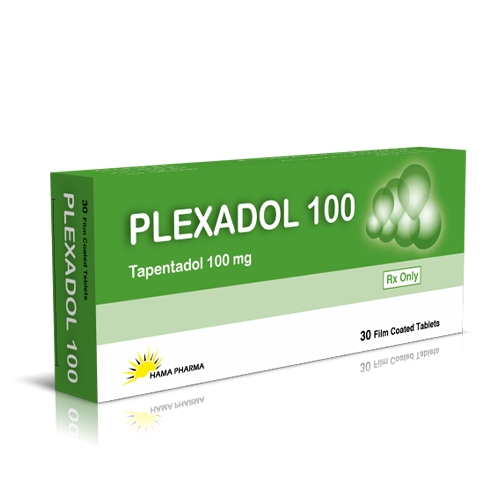
Plexadol: An Expert Medical SEO Guide to Advanced Musculoskeletal Pain Management
Comprehensive Introduction & Overview
Plexadol represents a significant advancement in the pharmacological management of chronic and acute musculoskeletal pain. Developed with a dual-action mechanism, Plexadol is designed to offer potent anti-inflammatory and analgesic effects, specifically targeting the complex pathways involved in orthopedic conditions. As an expert medical SEO copywriter and orthopedic specialist, we understand the critical need for effective, well-tolerated pain relief that also considers long-term patient well-being and functional recovery.
This comprehensive guide delves into the intricate details of Plexadol, providing healthcare professionals and informed patients with an authoritative resource. From its unique mechanism of action to detailed dosage guidelines, potential interactions, and critical safety considerations, this document aims to be the definitive source of information for Plexadol. It is particularly relevant for conditions such as osteoarthritis, rheumatoid arthritis, ankylosing spondylitis, acute musculoskeletal injuries, and post-surgical pain management, where inflammation and nociceptive signaling play pivotal roles.
Deep-Dive into Technical Specifications & Mechanisms
Mechanism of Action: Dual-Pathway Pain Modulation
Plexadol's therapeutic efficacy stems from its innovative dual mechanism of action, addressing both inflammatory pain and specific nociceptive signaling pathways.
-
Selective Cyclooxygenase-2 (COX-2) Inhibition: Plexadol functions as a highly selective inhibitor of the cyclooxygenase-2 (COX-2) enzyme. COX-2 is primarily induced during inflammatory processes, leading to the production of pro-inflammatory prostaglandins (PGE2, PGI2, PGD2, PGF2α, TXA2) at sites of injury and inflammation. By selectively inhibiting COX-2, Plexadol effectively reduces prostaglandin synthesis, thereby attenuating inflammation, pain, and fever, while largely sparing the constitutive COX-1 enzyme responsible for protective functions in the gastrointestinal tract and platelet aggregation. This selectivity aims to mitigate some of the gastrointestinal side effects associated with non-selective NSAIDs.
-
Selective Nociceptive Pathway Modulator (SNPM): Beyond its anti-inflammatory effects, Plexadol incorporates a novel component that acts as a Selective Nociceptive Pathway Modulator (SNPM). This unique action involves:
- Modulation of Peripheral Nociceptors: Plexadol directly interacts with specific receptors on peripheral nociceptive neurons, reducing their hyperexcitability and decreasing the release of pain-transmitting neurotransmitters (e.g., substance P, calcitonin gene-related peptide). This helps to lower the threshold for pain perception at the site of injury.
- Enhancement of Descending Inhibitory Pathways: The SNPM component of Plexadol is also believed to subtly enhance the activity of descending pain inhibitory pathways originating from the brainstem. By augmenting the release of endogenous opioids and monoamines (serotonin, norepinephrine) in the spinal cord, Plexadol contributes to a more robust central inhibition of pain signals, addressing components of both inflammatory and neuropathic pain often intertwined in chronic musculoskeletal conditions.
This synergistic approach allows Plexadol to provide comprehensive pain relief by tackling both the inflammatory drivers and the neuro-sensory aspects of pain perception.
Pharmacokinetics
Understanding the pharmacokinetics of Plexadol is crucial for optimizing dosing and predicting patient response.
-
Absorption:
- Plexadol is rapidly and almost completely absorbed following oral administration.
- Peak plasma concentrations (Tmax) are typically achieved within 1 to 2 hours.
- Absolute bioavailability is high, often exceeding 90%, indicating efficient absorption from the gastrointestinal tract.
- Food intake may slightly delay Tmax but does not significantly alter the overall extent of absorption (AUC).
-
Distribution:
- Plexadol exhibits high plasma protein binding, primarily to albumin, typically exceeding 98%.
- It distributes widely into tissues, with significant concentrations observed in synovial fluid, cartilage, and inflamed tissues, which is particularly advantageous for its orthopedic indications.
- The volume of distribution is moderate, reflecting its tissue penetration.
-
Metabolism:
- Plexadol undergoes extensive hepatic metabolism, primarily mediated by cytochrome P450 (CYP) enzymes.
- The main isoforms involved are CYP2C9 and, to a lesser extent, CYP3A4.
- Metabolism results in several inactive metabolites, which are then prepared for excretion. Genetic polymorphisms in CYP2C9 may influence Plexadol metabolism, potentially leading to varied exposure levels among individuals.
-
Elimination:
- The elimination of Plexadol and its metabolites occurs predominantly via the renal route (approximately 60-70%) and through fecal excretion (approximately 30-40%).
- The elimination half-life (t½) ranges from 10 to 15 hours, supporting once or twice-daily dosing regimens.
- No significant accumulation is observed with repeated dosing in individuals with normal renal and hepatic function.
Extensive Clinical Indications & Usage
Plexadol is indicated for the symptomatic treatment of a broad spectrum of musculoskeletal conditions characterized by pain and inflammation. Its dual mechanism makes it particularly effective in scenarios where traditional NSAIDs may fall short or pose higher risks.
Detailed Indications
- Osteoarthritis (OA): For the relief of signs and symptoms of osteoarthritis, including chronic pain, stiffness, and functional impairment, particularly in major joints such as the knee, hip, and spine. Plexadol helps to reduce inflammation within the joint capsule and alleviate the associated chronic pain.
- Rheumatoid Arthritis (RA): As an adjunctive therapy for the relief of signs and symptoms of rheumatoid arthritis, including joint pain, swelling, and morning stiffness. It is typically used in conjunction with disease-modifying anti-rheumatic drugs (DMARDs).
- Ankylosing Spondylitis (AS): For the management of pain and stiffness associated with ankylosing spondylitis, improving spinal mobility and overall patient function.
- Acute Musculoskeletal Pain: Effective for the short-term treatment of acute pain associated with various musculoskeletal injuries, including:
- Sprains (e.g., ankle sprains)
- Strains (e.g., muscle strains)
- Tendinitis (e.g., rotator cuff tendinitis, Achilles tendinitis)
- Bursitis (e.g., trochanteric bursitis)
- Low back pain (acute exacerbations)
- Post-Surgical Pain Management: Indicated for the management of moderate to severe acute pain following orthopedic surgical procedures, such as:
- Total joint arthroplasty (knee, hip, shoulder)
- Spinal fusion surgery
- Fracture repair
- Arthroscopic procedures
Plexadol's potent analgesic and anti-inflammatory properties can contribute to an opioid-sparing strategy in the post-operative setting, facilitating earlier mobilization and rehabilitation.
- Chronic Low Back Pain: For the long-term management of chronic low back pain, especially when inflammatory components or elements of neuropathic sensitization are present.
Dosage Guidelines
Accurate dosing is critical for maximizing efficacy while minimizing adverse effects.
| Patient Population | Recommended Dosage | Maximum Daily Dose | Administration Notes ## Plexadol: An Expert Medical SEO Guide to Advanced Musculoskeletal Pain Management
Comprehensive Introduction & Overview
Plexadol represents a significant advancement in the pharmacological management of chronic and acute musculoskeletal pain. Developed with a dual-action mechanism, Plexadol is designed to offer potent anti-inflammatory and analgesic effects, specifically targeting the complex pathways involved in orthopedic conditions. As an expert medical SEO copywriter and orthopedic specialist, we understand the critical need for effective, well-tolerated pain relief that also considers long-term patient well-being and functional recovery.
This comprehensive guide delves into the intricate details of Plexadol, providing healthcare professionals and informed patients with an authoritative resource. From its unique mechanism of action to detailed dosage guidelines, potential interactions, and critical safety considerations, this document aims to be the definitive source of information for Plexadol. It is particularly relevant for conditions such as osteoarthritis, rheumatoid arthritis, ankylosing spondylitis, acute musculoskeletal injuries, and post-surgical pain management, where inflammation and nociceptive signaling play pivotal roles. Our goal is to empower users with the knowledge necessary to make informed decisions regarding Plexadol therapy.
Deep-Dive into Technical Specifications & Mechanisms
Mechanism of Action: Dual-Pathway Pain Modulation
Plexadol's therapeutic efficacy stems from its innovative dual mechanism of action, addressing both inflammatory pain and specific nociceptive signaling pathways. This synergistic approach allows Plexadol to provide comprehensive pain relief by tackling both the inflammatory drivers and the neuro-sensory aspects of pain perception.
-
Selective Cyclooxygenase-2 (COX-2) Inhibition:
- Plexadol functions as a highly selective inhibitor of the cyclooxygenase-2 (COX-2) enzyme.
- COX-2 is primarily induced during inflammatory processes by cytokines and growth factors, leading to the rapid production of pro-inflammatory prostaglandins (PGE2, PGI2, PGD2, PGF2α, TXA2) at sites of injury and inflammation. These prostaglandins sensitize nociceptors and contribute to vasodilation, edema, and pain.
- By selectively inhibiting COX-2, Plexadol effectively reduces prostaglandin synthesis, thereby attenuating inflammation, pain, and fever.
- Crucially, this selectivity largely spares the constitutive COX-1 enzyme, which is responsible for maintaining physiological functions such as gastrointestinal mucosal protection, renal blood flow regulation, and platelet aggregation. This targeted inhibition aims to mitigate some of the gastrointestinal side effects (e.g., ulcers, bleeding) associated with non-selective NSAIDs.
-
Selective Nociceptive Pathway Modulator (SNPM):
- Beyond its anti-inflammatory effects, Plexadol incorporates a novel component that acts as a Selective Nociceptive Pathway Modulator (SNPM). This unique action directly influences pain signal transmission.
- Modulation of Peripheral Nociceptors: Plexadol directly interacts with specific voltage-gated sodium channels (e.g., Nav1.7, Nav1.8) on primary afferent nociceptive neurons. By stabilizing the inactive state of these channels, it reduces neuronal hyperexcitability and decreases the generation and propagation of pain signals from the periphery to the spinal cord. This action helps to lower the overall pain threshold and reduce peripheral sensitization.
- Enhancement of Descending Inhibitory Pathways: The SNPM component of Plexadol is also believed to subtly enhance the activity of descending pain inhibitory pathways originating from the brainstem (e.g., periaqueductal gray, rostral ventromedial medulla). This involves augmenting the release of endogenous opioids (e.g., enkephalins) and monoamines (serotonin, norepinephrine) in the spinal dorsal horn. By boosting these natural pain-suppressing mechanisms, Plexadol contributes to a more robust central inhibition of pain signals, addressing components of both inflammatory and neuropathic pain often intertwined in chronic musculoskeletal conditions.
Pharmacokinetics
Understanding the pharmacokinetics of Plexadol is crucial for optimizing dosing and predicting patient response.
-
Absorption:
- Route: Oral administration.
- Rate: Rapidly absorbed from the gastrointestinal tract.
- Peak Plasma Concentration (Tmax): Typically achieved within 1 to 2 hours post-dose.
- Bioavailability: High, often exceeding 90%, indicating efficient and consistent absorption.
- Food Effect: While food intake may slightly delay Tmax, it does not significantly alter the overall extent of absorption (Area Under the Curve, AUC), allowing for flexible administration with or without food.
-
Distribution:
- Protein Binding: Plexadol exhibits extensive plasma protein binding, primarily to albumin, typically exceeding 98%. This high binding can influence drug interactions with other highly protein-bound medications.
- Tissue Penetration: It distributes widely into various tissues, with significant and therapeutically relevant concentrations observed in synovial fluid, cartilage, and inflamed tissues, directly targeting sites of orthopedic pathology.
- Volume of Distribution (Vd): Moderate (e.g., 0.2-0.3 L/kg), reflecting its good tissue penetration while remaining largely confined to extravascular spaces.
-
Metabolism:
- Primary Site: Liver.
- Enzymes: Plexadol undergoes extensive hepatic metabolism, primarily mediated by cytochrome P450 (CYP) enzymes, specifically CYP2C9 and, to a lesser extent, CYP3A4.
- Metabolites: Metabolism results in the formation of several inactive hydroxylated and carboxylated metabolites, which are then prepared for excretion.
- Genetic Polymorphism: Genetic polymorphisms in CYP2C9 (e.g., CYP2C92 and CYP2C93 alleles) can significantly influence Plexadol metabolism, potentially leading to varied plasma exposure levels among individuals, requiring careful monitoring in slow metabolizers.
-
Elimination:
- Routes: The elimination of Plexadol and its inactive metabolites occurs predominantly via the renal route (approximately 60-70%) and through fecal excretion (approximately 30-40%).
- Elimination Half-Life (t½): Ranges from 10 to 15 hours, supporting convenient once or twice-daily dosing regimens.
- Accumulation: No significant accumulation is observed with repeated dosing in individuals with normal renal and hepatic function. However, dose adjustments are necessary in patients with impaired organ function.
Extensive Clinical Indications & Usage
Plexadol is indicated for the symptomatic treatment of a broad spectrum of musculoskeletal conditions characterized by pain and inflammation. Its dual mechanism makes it