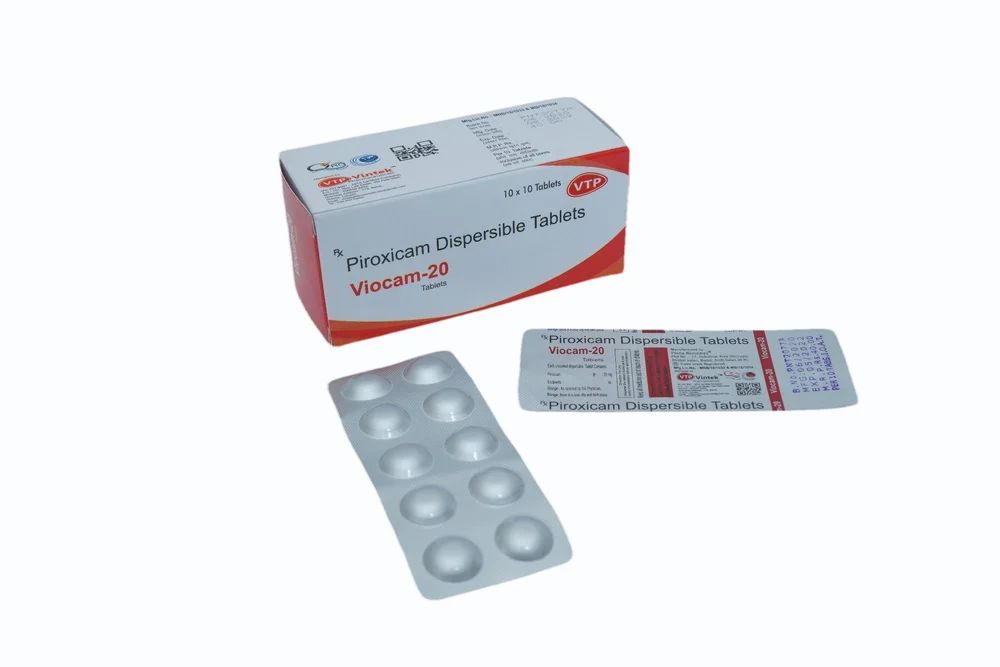
Piroxicam: A Comprehensive Medical SEO Guide for Orthopedic Specialists and Patients
Welcome to this in-depth guide on Piroxicam, a powerful non-steroidal anti-inflammatory drug (NSAID) widely utilized in the management of pain and inflammation, particularly in orthopedic conditions. As expert Medical SEO Copywriters and Orthopedic Specialists, we aim to provide a massive, exhaustive, and highly authoritative resource on Piroxicam, covering its scientific underpinnings, clinical applications, safety profile, and more.
Introduction & Overview of Piroxicam
Piroxicam is an oxicam derivative NSAID known for its potent anti-inflammatory, analgesic (pain-relieving), and antipyretic (fever-reducing) properties. Introduced to the market decades ago, it has established itself as a valuable agent in the therapeutic arsenal against various musculoskeletal and rheumatic diseases. Its most distinguishing feature among NSAIDs is its exceptionally long half-life, allowing for convenient once-daily dosing.
Key Characteristics of Piroxicam:
* Drug Class: Non-Steroidal Anti-Inflammatory Drug (NSAID)
* Chemical Class: Oxicam derivative
* Primary Actions: Anti-inflammatory, analgesic, antipyretic
* Dosing: Typically once daily due to a long half-life
* Indications: Primarily for chronic inflammatory conditions like arthritis, and acute musculoskeletal pain.
While effective, like all NSAIDs, Piroxicam carries a risk profile that necessitates careful consideration of patient-specific factors, including comorbidities and potential drug interactions. This guide will delve into these aspects to ensure a thorough understanding for both healthcare professionals and patients seeking information.
Deep-Dive into Technical Specifications & Mechanisms
Understanding how Piroxicam works at a cellular level is crucial for appreciating its therapeutic effects and potential side effects.
Mechanism of Action
Piroxicam exerts its therapeutic effects primarily through the inhibition of prostaglandin synthesis. Prostaglandins are lipid compounds that play a crucial role in mediating inflammation, pain, and fever. Their production is catalyzed by enzymes known as cyclooxygenases (COX).
Piroxicam is a non-selective cyclooxygenase (COX) inhibitor, meaning it inhibits both COX-1 and COX-2 enzymes:
- COX-1 Enzyme: This isoform is constitutively expressed in most tissues and is involved in maintaining physiological functions such as protecting the gastric mucosa, promoting platelet aggregation, and regulating renal blood flow. Inhibition of COX-1 is largely responsible for the gastrointestinal and renal side effects associated with traditional NSAIDs.
- COX-2 Enzyme: This isoform is primarily induced during inflammatory processes and is responsible for the production of prostaglandins that mediate pain, inflammation, and fever. Inhibition of COX-2 is largely responsible for the anti-inflammatory and analgesic effects of Piroxicam.
By inhibiting both COX-1 and COX-2, Piroxicam reduces the production of prostaglandins, thereby reducing inflammation, pain, and fever. Its efficacy in chronic inflammatory conditions stems from this broad inhibition.
Pharmacokinetics
The pharmacokinetic profile of Piroxicam is unique among NSAIDs, primarily due to its extended half-life.
Pharmacokinetic Parameters of Piroxicam:
| Parameter | Description | Clinical Relevance