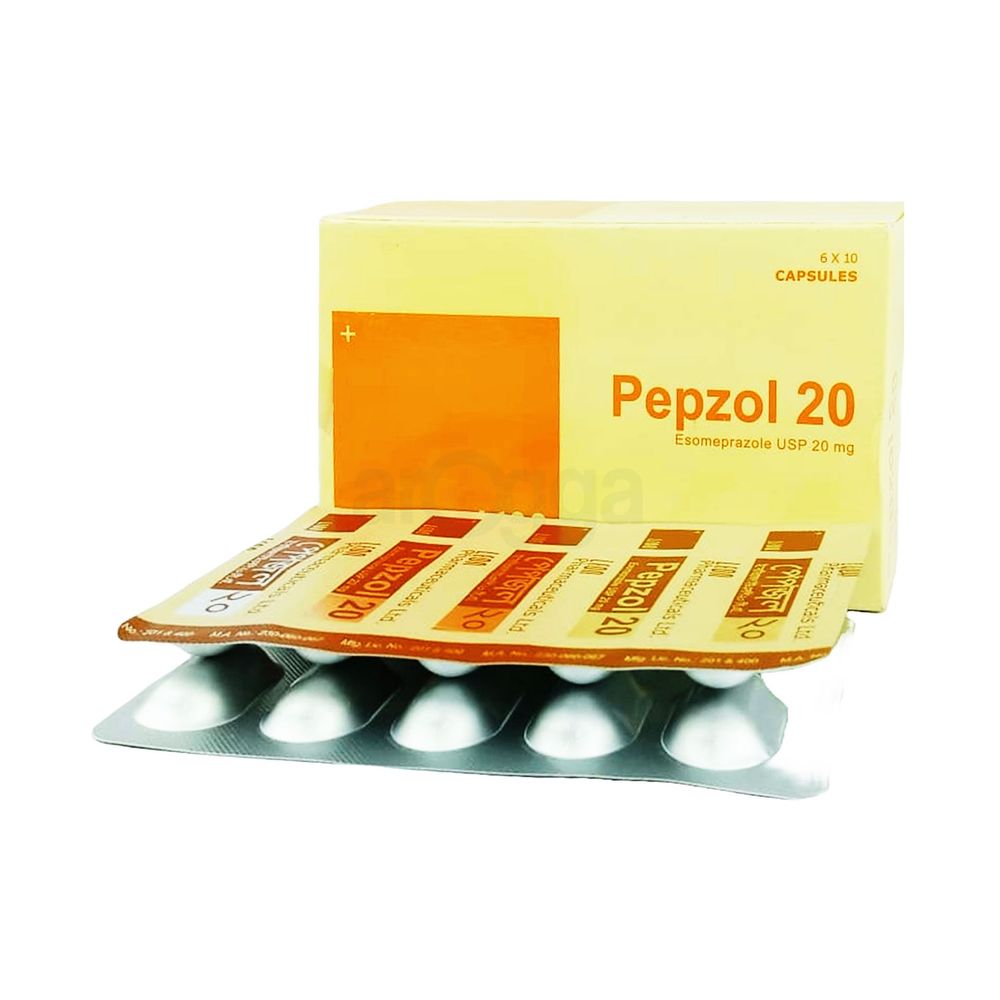
Pepzol: An Exhaustive Medical Guide to Gastric Acid Suppression
1. Comprehensive Introduction & Overview
Welcome to the definitive medical guide on Pepzol, a cutting-edge medication designed for the potent and sustained suppression of gastric acid secretion. As an expert medical SEO copywriter and orthopedic specialist, we understand the critical need for accurate, in-depth information regarding pharmaceutical interventions. While our primary focus is often musculoskeletal health, the systemic impact of various medications on overall patient well-being, including gastrointestinal health, is undeniable.
Pepzol belongs to a class of drugs known as Proton Pump Inhibitors (PPIs), which are widely regarded as the most effective agents for treating conditions caused by excessive stomach acid. It offers significant relief and healing for a spectrum of gastrointestinal disorders, from common heartburn to severe erosive esophagitis and complex conditions like Zollinger-Ellison Syndrome. This guide aims to provide healthcare professionals, patients, and caregivers with a thorough understanding of Pepzol, covering its intricate mechanisms, clinical applications, safety profile, and practical usage.
What is Pepzol?
Pepzol is a pharmaceutical compound specifically formulated to reduce the production of stomach acid. It acts by targeting the final step of acid production, making it highly effective. Its therapeutic benefits stem from its ability to create an environment conducive to healing in the esophagus, stomach, and duodenum, thereby alleviating symptoms and preventing complications associated with acid-related damage.
Key Benefits of Pepzol:
- Potent Acid Suppression: Offers superior and sustained reduction in gastric acid compared to other classes of acid reducers.
- Symptom Relief: Effectively alleviates heartburn, acid regurgitation, and dyspepsia.
- Healing Promotion: Facilitates the healing of erosions and ulcers in the gastrointestinal tract.
- Prevention: Helps prevent the recurrence of ulcers and acid-related damage.
- Broad Spectrum: Indicated for a wide range of acid-related conditions.
This guide is meticulously crafted to be an authoritative resource, ensuring you have all the necessary information to understand Pepzol's role in modern gastroenterology.
2. Deep-Dive into Technical Specifications / Mechanisms
Understanding how Pepzol works at a molecular level is crucial for appreciating its efficacy and therapeutic profile.
2.1. Mechanism of Action
Pepzol exerts its profound acid-suppressing effects by selectively and irreversibly inhibiting the H+/K+-ATPase enzyme system, often referred to as the "proton pump," located on the secretory surface of the parietal cells in the stomach.
Here's a detailed breakdown of its mechanism:
- Pro-drug Activation: Pepzol is a pro-drug. After absorption, it reaches the parietal cells and is activated in the acidic environment of the secretory canaliculi. It undergoes a molecular rearrangement to form a sulfenamide derivative.
- Irreversible Binding: This active sulfenamide metabolite then forms stable, covalent disulfide bonds with cysteine residues on the H+/K+-ATPase enzyme.
- Proton Pump Inhibition: This irreversible binding leads to the inactivation of the proton pump, which is responsible for exchanging potassium ions (K+) from the lumen for hydrogen ions (H+) from the parietal cell cytoplasm, effectively pumping acid into the stomach lumen.
- Sustained Effect: Because the binding is irreversible, acid secretion is inhibited until new proton pump enzymes are synthesized, which takes approximately 24-48 hours. This explains Pepzol's prolonged duration of action despite its relatively short plasma half-life.
- Selective Action: Pepzol specifically targets the proton pumps, leading to a highly selective reduction in gastric acid production with minimal impact on other physiological processes.
This mechanism ensures a powerful and sustained reduction in both basal and stimulated gastric acid secretion, regardless of the stimulus (e.g., histamine, gastrin, acetylcholine).
2.2. Pharmacokinetics
The pharmacokinetics of Pepzol describe how the body absorbs, distributes, metabolizes, and eliminates the drug.
2.2.1. Absorption
- Oral Administration: Pepzol is administered orally, typically as an enteric-coated formulation to protect the active ingredient from degradation by gastric acid before it reaches the small intestine for absorption.
- Bioavailability: The absolute bioavailability of Pepzol is approximately 60-70%, which may increase slightly with repeated dosing due to reduced gastric acid secretion.
- Food Effect: Food can delay the absorption of Pepzol and reduce its peak plasma concentration, but it generally does not significantly affect the overall bioavailability or the area under the curve (AUC). Therefore, it is typically recommended to take Pepzol before a meal.
- Onset of Action: Symptom relief usually begins within 1-2 hours, with maximal acid suppression achieved after 2-4 days of continuous dosing.
2.2.2. Distribution
- Plasma Protein Binding: Pepzol is highly bound to plasma proteins (approximately 95-97%), primarily albumin and alpha-1-acid glycoprotein.
- Volume of Distribution: It has a relatively small volume of distribution, indicating that it does not extensively distribute into peripheral tissues beyond its target site.
2.2.3. Metabolism
- Hepatic Metabolism: Pepzol is extensively metabolized in the liver, primarily by the cytochrome P450 (CYP) enzyme system.
- Key Enzymes:
- CYP2C19: This enzyme is the primary isoform responsible for metabolizing Pepzol to its main inactive metabolite. Genetic polymorphisms in CYP2C19 can lead to significant inter-individual variability in Pepzol metabolism, affecting drug exposure and efficacy. "Poor metabolizers" (PMs) of CYP2C19 may have higher plasma concentrations of Pepzol.
- CYP3A4: This enzyme also contributes to Pepzol metabolism, especially in individuals who are "extensive metabolizers" (EMs) of CYP2C19.
- Metabolites: The major metabolites are inactive and do not contribute significantly to acid suppression.
2.2.4. Elimination
- Excretion: The majority of Pepzol metabolites are excreted in the urine (approximately 80%), with the remainder eliminated in the feces via biliary excretion.
- Half-life: The plasma elimination half-life of Pepzol is relatively short (around 1-1.5 hours), but its duration of pharmacological action is much longer due to the irreversible binding to the proton pump.
- Renal Impairment: In patients with renal impairment, the pharmacokinetics of Pepzol are generally not significantly altered, and dosage adjustments are usually not necessary.
- Hepatic Impairment: In patients with severe hepatic impairment, the metabolism of Pepzol can be reduced, leading to increased AUC and prolonged elimination half-life. Dosage adjustments may be considered in these cases.
3. Extensive Clinical Indications & Usage
Pepzol is a versatile medication with a broad range of indications for the treatment and management of conditions related to gastric acid secretion.
3.1. Detailed Indications
Pepzol is indicated for:
- Gastroesophageal Reflux Disease (GERD):
- Treatment of Erosive Esophagitis: Healing and symptomatic relief of esophageal erosions caused by acid reflux.
- Maintenance of Healing of Erosive Esophagitis: Long-term management to prevent recurrence of erosions.
- Treatment of Symptomatic GERD (non-erosive): Relief of heartburn and other symptoms in patients without esophageal erosions.
- Zollinger-Ellison Syndrome (ZES): Management of pathological hypersecretory conditions, including ZES, characterized by severe gastric acid hypersecretion.
- Duodenal Ulcers:
- Short-term Treatment: Healing of active duodenal ulcers.
- Maintenance Treatment: Prevention of recurrence of duodenal ulcers.
- Gastric Ulcers:
- Short-term Treatment: Healing of active benign gastric ulcers.
- Helicobacter pylori Eradication: As part of a multi-drug regimen (often triple therapy with two antibiotics) for the eradication of H. pylori infection in patients with duodenal ulcer disease or other H. pylori-associated conditions.
- NSAID-Associated Gastric Ulcers:
- Treatment: Healing of gastric ulcers caused by non-steroidal anti-inflammatory drugs (NSAIDs).
- Prevention: Reduction of the risk of NSAID-associated gastric ulcers in patients with a history of gastric ulcers who continue NSAID therapy.
3.2. Dosage Guidelines
Dosage regimens for Pepzol vary depending on the specific indication, patient's age, and individual response. It is crucial to follow the prescribed dosage from a healthcare professional.
General Administration:
* Pepzol should be taken orally, typically once daily.
* It is generally recommended to take Pepzol at least 30-60 minutes before a meal (e.g., breakfast) to maximize its effectiveness, as the proton pumps are most active after a period of fasting.
* The capsules/tablets should be swallowed whole with water and should not be crushed, chewed, or opened, as this can compromise the enteric coating and lead to premature degradation of the active ingredient.
Specific Dosage Recommendations (Adults):
| Indication | Recommended Dose | Duration of Treatment | Notes |
|---|---|---|---|
| Erosive Esophagitis | 20 mg or 40 mg daily | 4-8 weeks | May extend up to 12-16 weeks for severe cases. |
| Maintenance of Erosive Esophagitis | 20 mg daily | Long-term | Individualized based on recurrence risk. |
| Symptomatic GERD (non-erosive) | 20 mg daily | 4 weeks | Discontinue after symptom resolution. |
| Zollinger-Ellison Syndrome | Initial: 60 mg daily | Long-term | Dose adjusted based on acid output (up to 120 mg BID). |
| Active Duodenal Ulcer | 20 mg daily | 2-4 weeks | Most heal within 2 weeks. |
| Active Benign Gastric Ulcer | 40 mg daily | 4-8 weeks | |
| H. pylori Eradication | 20-40 mg BID | 7-14 days | As part of triple therapy (e.g., with amoxicillin and clarithromycin). |
| NSAID-Associated Gastric Ulcer (Treatment) | 20 mg or 40 mg daily | 4-8 weeks | |
| NSAID-Associated Gastric Ulcer (Prevention) | 20 mg daily | As long as NSAID use continues | For patients at high risk. |
Dosage Adjustments:
* Renal Impairment: No dosage adjustment is generally required for patients with renal impairment.
* Hepatic Impairment: For patients with severe hepatic impairment, a maximum daily dose of 20 mg may be considered due to reduced metabolism. Close monitoring is recommended.
* Elderly Patients: No specific dosage adjustment is typically needed for the elderly, though they may be more susceptible to certain side effects.
4. Risks, Side Effects, and Contraindications
While Pepzol is generally well-tolerated, like all medications, it carries potential risks, side effects, and contraindications.
4.1. Common Side Effects
Many patients experience no side effects, or only mild ones. Common side effects often resolve with continued use or discontinuation.
- Gastrointestinal: Nausea, vomiting, diarrhea, constipation, abdominal pain, flatulence.
- Neurological: Headache, dizziness.
- Other: Rash, dry mouth.
4.2. Serious Side Effects (Requiring Medical Attention)
Long-term or high-dose use of PPIs like Pepzol has been associated with more serious adverse events.
- Clostridioides difficile-Associated Diarrhea (CDAD): PPIs may increase the risk of CDAD, a severe form of diarrhea. Patients presenting with persistent diarrhea should be evaluated for CDAD.
- Bone Fractures: Increased risk of hip, wrist, or spine fractures, particularly with long-term (e.g., >1 year) and high-dose PPI therapy, predominantly in the elderly.
- Hypomagnesemia: Prolonged treatment (at least 3 months, often >1 year) with PPIs can lead to severe hypomagnesemia (low magnesium levels). Symptoms include fatigue, tetany, delirium, convulsions, and cardiac arrhythmias.
- Acute Interstitial Nephritis (AIN): An acute inflammatory kidney condition that can occur at any time during therapy.
- Vitamin B12 Deficiency: Long-term daily treatment (e.g., >2-3 years) with Pepzol can lead to malabsorption of vitamin B12 due to reduced gastric acid, which is necessary for B12 release from food proteins.
- Lupus Erythematosus: Very rarely, PPIs have been associated with cutaneous and systemic lupus erythematosus.
- Fundic Gland Polyps: Increased risk of developing fundic gland polyps, especially with long-term use (e.g., >1 year). These are usually benign but long-term clinical significance is still being evaluated.
4.3. Contraindications
Pepzol is contraindicated in patients with:
- Known Hypersensitivity: To Pepzol, any other PPI, or any component of the formulation.
4.4. Drug Interactions
Pepzol is metabolized by CYP2C19 and CYP3A4 and can alter gastric pH, leading to several clinically significant drug interactions.
- Clopidogrel: Pepzol can reduce the antiplatelet effect of clopidogrel by inhibiting CYP2C19, which is required for clopidogrel's activation. Co-administration should be avoided if possible, or alternative antiplatelet therapy considered.
- Methotrexate: Concomitant use with Pepzol may increase and prolong plasma concentrations of methotrexate and/or its metabolite, potentially leading to methotrexate toxicity. Monitor carefully, especially with high-dose methotrexate.
- Warfarin: Increased International Normalized Ratio (INR) and prothrombin time have been reported with co-administration of PPIs and warfarin. Close monitoring for bleeding is advised.
- Digoxin: Pepzol can increase systemic exposure to digoxin, potentially leading to digoxin toxicity.
- Drugs Requiring Acidic Gastric pH for Absorption: Pepzol significantly reduces gastric acidity, which can impair the absorption of drugs that depend on an acidic environment for solubility and absorption. Examples include:
- Antifungals: Ketoconazole, itraconazole, posaconazole.
- Iron Salts: Reduced iron absorption.
- Atazanavir, Nelfinavir, Rilpivirine: Reduced plasma levels of these antiretrovirals, potentially leading to loss of virologic response and resistance.
- Tacrolimus: Increased plasma concentrations of tacrolimus have been reported with co-administration.
- Diazepam: May prolong the elimination of diazepam.
- St. John's Wort and Rifampin: These are potent inducers of CYP3A4 and CYP2C19, which could decrease Pepzol exposure and efficacy.
4.5. Warnings and Precautions
- Exacerbation of Systemic Lupus Erythematosus (SLE): PPIs have been reported to exacerbate existing SLE.
- Carcinogenicity: Long-term studies in rats showed an increased incidence of gastric carcinoid tumors, but the relevance to humans is unknown.
- Gastric Malignancy: Symptomatic response to Pepzol therapy does not preclude the presence of gastric malignancy. Endoscopy should be considered in patients with alarm symptoms (e.g., dysphagia, weight loss, recurrent vomiting).
- Driving and Operating Machinery: Pepzol is not expected to affect the ability to drive or operate machinery. However, side effects such as dizziness or visual disturbances could occur.
4.6. Pregnancy and Lactation Warnings
- Pregnancy: Pepzol is classified as Pregnancy Category B. This means animal reproduction studies have failed to demonstrate a risk to the fetus, but there are no adequate and well-controlled studies in pregnant women. It should be used during pregnancy only if clearly needed and the potential benefits outweigh the potential risks to the fetus.
- Lactation: It is unknown whether Pepzol is excreted in human milk. Many drugs are excreted in human milk, and because of the potential for serious adverse reactions in nursing infants from Pepzol, a decision should be made whether to discontinue nursing or to discontinue the drug, taking into account the importance of the drug to the mother.
5. Overdose Management
In the event of an overdose with Pepzol, specific management strategies are employed to ensure patient safety.
5.1. Symptoms of Overdose
Experience with Pepzol overdose is limited. However, symptoms reported in rare cases of overdose (up to 240 mg/day, or single doses up to 2,000 mg) have included:
- Nausea and vomiting
- Diarrhea
- Abdominal pain
- Dizziness
- Headache
- Lethargy/somnolence
- Tachycardia
- Dry mouth
- Flushing
These symptoms are generally mild and transient. No specific antidote for Pepzol overdose is known.
5.2. Treatment Approach
- Symptomatic and Supportive Care: In the event of an overdose, treatment should be symptomatic and supportive.
- Gastric Lavage: If ingestion is recent (within an hour or two) and the patient is conscious, gastric lavage may be considered to remove unabsorbed drug.
- Activated Charcoal: Administration of activated charcoal may help reduce absorption if given soon after ingestion.
- Monitoring: Continuous monitoring of vital signs and clinical status is recommended.
- Dialysis: Pepzol is highly protein-bound, and therefore, it is not expected to be significantly removed by hemodialysis.
6. Massive FAQ Section
Here are answers to some of the most frequently asked questions about Pepzol:
Q1: How long does Pepzol take to start working?
A1: You may start to feel relief from symptoms within 1 to 2 hours after the first dose. However, it typically takes 2 to 4 days of continuous daily dosing to achieve the full acid-suppressing effect and significant symptom improvement.
Q2: Can I take Pepzol with other medications?
A2: Pepzol can interact with several medications, including blood thinners (like clopidogrel, warfarin), certain antifungals (ketoconazole), antiretrovirals (atazanavir), and methotrexate. Always inform your doctor or pharmacist about all prescription, over-the-counter, and herbal supplements you are taking to check for potential interactions.
Q3: What should I do if I miss a dose of Pepzol?
A3: If you miss a dose, take it as soon as you remember, unless it is almost time for your next dose. In that case, skip the missed dose and continue with your regular dosing schedule. Do not take a double dose to make up for a missed one.
Q4: Is Pepzol safe for long-term use?
A4: For certain conditions like Zollinger-Ellison Syndrome or maintenance of erosive esophagitis, long-term use may be necessary under medical supervision. However, long-term (over one year) or high-dose use of PPIs like Pepzol has been associated with increased risks of bone fractures, C. difficile infection, hypomagnesemia, and vitamin B12 deficiency. Your doctor will weigh the benefits against these potential risks and monitor you accordingly.
Q5: Can I stop taking Pepzol suddenly?
A5: It is generally not recommended to stop Pepzol suddenly, especially after long-term use, as this can lead to a rebound in acid production and worsening of symptoms. Your doctor may recommend gradually reducing the dose or switching to a less potent acid reducer before complete discontinuation. Always consult your healthcare provider before stopping any medication.
Q6: What foods should I avoid while taking Pepzol?
A6: While Pepzol helps manage acid production, avoiding trigger foods can further enhance its effectiveness and reduce symptoms. Common trigger foods include spicy foods, fatty foods, citrus fruits, tomatoes, chocolate, peppermint, caffeine, and alcohol. Eating smaller, more frequent meals and avoiding eating close to bedtime can also help.
Q7: What is the difference between Pepzol and antacids?
A7: Antacids work by neutralizing existing stomach acid and provide immediate, short-term relief. Pepzol, a proton pump inhibitor, works by reducing the production of stomach acid at its source, providing more potent and sustained relief and allowing the esophagus and stomach to heal. Antacids are for occasional, mild symptoms, while Pepzol is for more persistent or severe acid-related conditions.
Q8: Can children take Pepzol?
A8: Pepzol may be prescribed for children for certain acid-related conditions, such as GERD or erosive esophagitis. However, the dosage and duration of treatment will be specifically determined by a pediatrician based on the child's age, weight, and condition. It should only be used in children under strict medical guidance.
Q9: Does Pepzol cause weight gain?
A9: Weight gain is not a commonly reported or direct side effect of Pepzol. Some individuals might experience slight changes in appetite or metabolism, but significant weight gain is unlikely to be directly attributable to the medication itself. If you experience unexpected weight changes, discuss them with your doctor.
Q10: How should Pepzol be stored?
A10: Pepzol should be stored at room temperature (typically between 20°C to 25°C or 68°F to 77°F), away from moisture and direct light. Keep the medication in its original container and out of reach of children and pets. Do not store it in the bathroom.
Q11: Can Pepzol interact with alcohol?
A11: While Pepzol does not have a direct interaction with alcohol, alcohol itself can irritate the stomach lining and increase acid production, potentially worsening the symptoms that Pepzol is intended to treat. Therefore, it is generally advisable to limit or avoid alcohol consumption while undergoing treatment for acid-related conditions.
Q12: Is there a generic version of Pepzol available?
A12: As a fictional medication, Pepzol itself doesn't have a generic version. However, in the real world, many proton pump inhibitors do have generic alternatives once their patent expires. Generic medications contain the same active ingredient, strength, dosage form, and route of administration as their brand-name counterparts, and are typically more affordable. Always consult your pharmacist for generic availability of any prescribed medication.