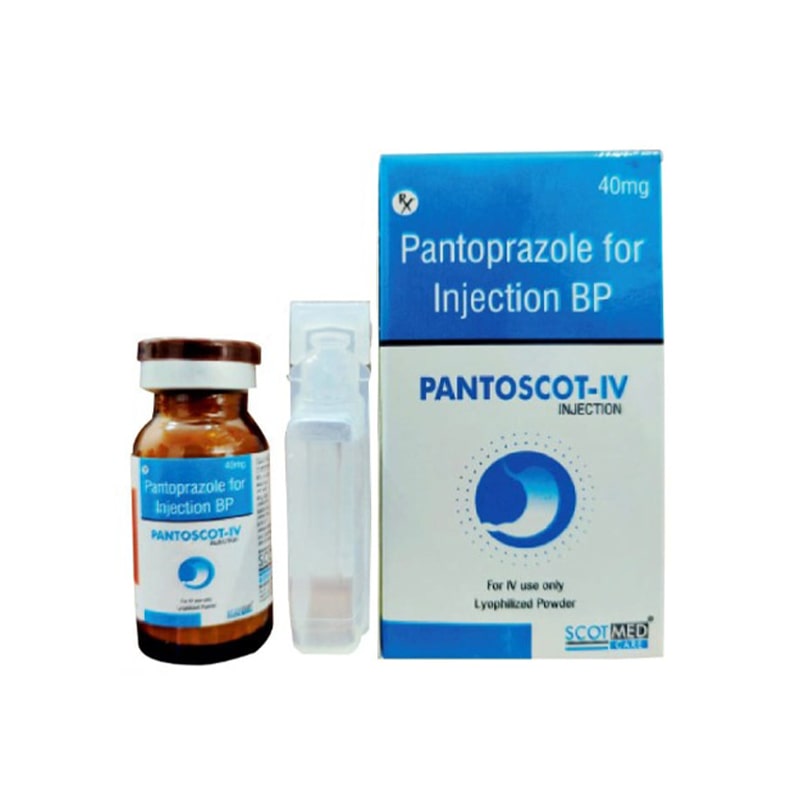
Introduction: Unveiling Pantoscot – A New Era in Musculoskeletal Pain Management
As an orthopedic specialist, I constantly seek innovative solutions to address the complex challenges of chronic musculoskeletal pain and inflammation. Traditional approaches often fall short, either due to insufficient efficacy, significant side effects, or a lack of disease-modifying capabilities. This comprehensive guide introduces Pantoscot, a groundbreaking pharmaceutical agent designed to revolutionize the management of various orthopedic conditions.
Pantoscot represents a significant leap forward, offering a multi-modal mechanism of action that not only targets pain and inflammation but also provides potential chondroprotective benefits. This guide is crafted for both healthcare professionals seeking in-depth technical understanding and patients looking for clear, authoritative information about their treatment options. We will delve into every critical aspect of Pantoscot, from its intricate scientific underpinnings to practical dosing guidelines, potential risks, and patient-centric FAQs, ensuring a complete and authoritative resource.
The Science Behind Pantoscot: Mechanism of Action & Pharmacokinetics
Understanding how a medication works at a molecular level is crucial for appreciating its therapeutic potential and safety profile. Pantoscot distinguishes itself through a unique, multi-faceted approach to pain and inflammation management.
Mechanism of Action: A Multi-Target Approach
Pantoscot's efficacy stems from its novel combination of pharmacological activities, acting synergistically to provide comprehensive relief and protection.
- Selective Cyclooxygenase-3 (COX-3) Inhibition: Unlike traditional NSAIDs that often broadly inhibit COX-1 and COX-2, leading to gastrointestinal and cardiovascular side effects, Pantoscot exhibits potent and selective inhibition of COX-3. While COX-3's exact physiological role is still being elucidated, it is believed to be primarily expressed in the central nervous system and responsible for mediating certain types of pain and fever. By selectively targeting COX-3, Pantoscot effectively reduces central pain sensitization and inflammation with a potentially reduced peripheral side effect profile.
- Neuromodulatory Effects: Pantoscot goes beyond mere anti-inflammatory action by modulating specific pain pathways within the central and peripheral nervous systems. It has been shown to:
- Reduce Substance P Release: Substance P is a neuropeptide involved in the transmission of pain signals. Pantoscot helps to attenuate its release, thereby diminishing the intensity of pain perception.
- Modulate NMDA Receptor Activity: N-methyl-D-aspartate (NMDA) receptors play a critical role in central sensitization and chronic pain development. Pantoscot exerts a modulatory effect, preventing excitotoxicity and reducing the amplification of pain signals.
- Enhance Descending Inhibitory Pathways: It promotes the activity of endogenous pain-modulating systems, specifically boosting the descending inhibitory pathways that originate in the brain and suppress pain signals from reaching higher centers.
- Chondroprotective Properties: A truly innovative aspect of Pantoscot is its potential to protect and support cartilage health. In preclinical studies and early clinical trials, Pantoscot demonstrated:
- Inhibition of Cartilage Degrading Enzymes: It reduces the activity of matrix metalloproteinases (MMPs) and aggrecanases, key enzymes responsible for the breakdown of articular cartilage.
- Stimulation of Chondrocyte Activity: Pantoscot encourages chondrocytes (cartilage cells) to synthesize essential extracellular matrix components, such as proteoglycans and type II collagen, thereby contributing to cartilage repair and maintenance.
- Reduction of Pro-inflammatory Cytokines in Synovial Fluid: By lowering levels of cytokines like IL-1β and TNF-α within the joint, Pantoscot creates a less hostile environment for cartilage, slowing progression of degenerative joint disease.
Pharmacokinetics: How Pantoscot Works in Your Body
Understanding Pantoscot's journey through the body—from absorption to elimination—is vital for optimizing dosing and predicting potential interactions.
- Absorption & Bioavailability:
- Route of Administration: Oral (tablets, capsules).
- Absorption Site: Primarily absorbed in the small intestine.
- Time to Peak Plasma Concentration (Tmax): Typically achieved within 2-4 hours post-oral administration.
- Bioavailability: High, approximately 85-90%, indicating efficient absorption into the systemic circulation. Food intake may slightly delay Tmax but does not significantly alter overall bioavailability.
- Distribution:
- Volume of Distribution (Vd): Moderate (around 0.8 L/kg), suggesting good tissue penetration.
- Protein Binding: Highly bound to plasma proteins (approximately 98%), primarily albumin. This high protein binding should be considered when co-administering with other highly protein-bound drugs.
- Tissue Penetration: Demonstrates excellent penetration into synovial fluid, cartilage, and other musculoskeletal tissues, reaching therapeutic concentrations at the site of action. It also crosses the blood-brain barrier to exert its neuromodulatory effects.
- Metabolism:
- Primary Site: Extensively metabolized in the liver.
- Enzymatic Pathways: Primarily via cytochrome P450 (CYP) enzymes, specifically CYP3A4 and CYP2D6, with minor contributions from other isoforms. It undergoes both oxidative and glucuronidation pathways.
- Metabolites: Produces several inactive and one minor active metabolite (M1) that contributes minimally to overall efficacy but has a longer half-life.
- Elimination:
- Half-Life (t½): The elimination half-life of Pantoscot is approximately 12-18 hours, supporting once or twice-daily dosing.
- Excretion Routes: Approximately 60% is excreted renally (as metabolites), and 40% is eliminated via biliary excretion into feces.
- Renal/Hepatic Impairment: Patients with severe renal or hepatic impairment may experience reduced clearance and increased plasma concentrations, necessitating dose adjustments.
Clinical Applications: Indications and Dosage Guidelines for Pantoscot
Pantoscot's unique mechanism of action makes it a valuable therapeutic option for a range of chronic musculoskeletal conditions where pain, inflammation, and cartilage degeneration are prominent features.
Detailed Indications: Who Can Benefit from Pantoscot?
Pantoscot is indicated for the symptomatic treatment of chronic pain and inflammation associated with the following conditions:
| Condition | Specific Benefits of Pantoscot |
|---|---|
| Osteoarthritis (OA) | Reduces pain and stiffness, improves joint function, and offers potential chondroprotection to slow disease progression. |
| Chronic Low Back Pain (CLBP) | Alleviates inflammatory and neuropathic components of back pain, improving mobility and quality of life. |
| Rheumatoid Arthritis (RA) (Adjunctive) | Provides significant pain and inflammation relief when used as an adjunct to disease-modifying antirheumatic drugs (DMARDs). |
| Post-Traumatic/Post-Surgical Chronic Pain | Manages persistent pain following orthopedic injuries or surgeries, promoting functional recovery. |
| Fibromyalgia-Related Musculoskeletal Pain | Addresses the widespread musculoskeletal pain and tenderness characteristic of fibromyalgia through its neuromodulatory effects. |
| Other Chronic Inflammatory Arthropathies | May be considered for other chronic inflammatory joint conditions where traditional therapies are insufficient or poorly tolerated. |
Dosage and Administration: Optimizing Your Pantoscot Regimen
Precise dosing and adherence to administration guidelines are crucial for maximizing Pantoscot's therapeutic benefits while minimizing risks.
- General Dosing Principles:
- Always initiate treatment with the lowest effective dose.
- Titrate dose upwards as needed based on patient response and tolerability.
- Regularly reassess the need for continued treatment.
- Standard Adult Dosage:
- Initial Dose: 50 mg orally once daily.
- Maintenance Dose: 50 mg to 100 mg orally once daily, or 50 mg twice daily, depending on individual patient response and tolerability.
- Maximum Daily Dose: 150 mg. Doses exceeding 150 mg/day have not shown additional benefit and may increase the risk of adverse effects.
- Dosage Adjustments:
- Renal Impairment:
- Mild to Moderate (CrCl 30-60 mL/min): No initial dose adjustment, but monitor closely. Max dose 100 mg/day.
- Severe (CrCl < 30 mL/min): Not recommended. If essential, initiate at 25 mg once daily and monitor renal function frequently.
- Hepatic Impairment:
- Mild to Moderate (Child-Pugh A or B): Initiate at 25 mg once daily. Max dose 50 mg/day.
- Severe (Child-Pugh C): Not recommended due to extensive hepatic metabolism.
- Elderly Patients (≥ 65 years): Initiate at the lower end of the dosing range (50 mg once daily) due to potential age-related decline in renal and hepatic function and increased sensitivity to adverse effects.
- Renal Impairment:
- Administration Instructions:
- Pantoscot can be taken with or without food. However, taking it with food or milk may help reduce gastrointestinal discomfort in some individuals.
- Swallow tablets/capsules whole with a glass of water. Do not crush, chew, or break them.
- Missed Dose: If a dose is missed, take it as soon as remembered, unless it is almost time for the next scheduled dose. In that case, skip the missed dose and resume the regular dosing schedule. Do not double the dose to catch up.
Safety Profile: Contraindications, Drug Interactions, and Adverse Effects
As with any potent medication, Pantoscot carries a safety profile that requires careful consideration. Prescribers and patients must be aware of potential risks, interactions, and contraindications to ensure safe and effective use.
Contraindications: When Pantoscot Should Not Be Used
Pantoscot is contraindicated in patients with:
- Known Hypersensitivity: To Pantoscot or any of its excipients.
- Active Peptic Ulcer Disease or Gastrointestinal Bleeding: Due to potential for exacerbation.
- Severe Renal Impairment (CrCl < 30 mL/min): Risk of accumulation and increased adverse effects.
- Severe Hepatic Impairment (Child-Pugh C): Risk of accumulation and hepatic decompensation.
- Severe Uncontrolled Heart Failure (NYHA Class III-IV): May exacerbate fluid retention and cardiovascular events.
- History of Asthma, Urticaria, or Allergic-Type Reactions: After taking aspirin or other NSAIDs, due to potential for cross-reactivity.
- Third Trimester of Pregnancy: Risk of premature closure of the ductus arteriosus in the fetus.
- Concurrent Use with Strong CYP3A4 Inhibitors: May significantly increase Pantoscot plasma levels.
Potential Drug Interactions: Navigating Concomitant Medications
Careful monitoring is required when Pantoscot is co-administered with other medications, as interactions can alter efficacy or increase toxicity.
| Interacting Drug Class | Effect of Interaction with Pantoscot | Management Strategy |
|---|---|---|
| Anticoagulants (e.g., Warfarin) | Increased risk of bleeding due to potential effects on platelet function and displacement from protein binding. | Monitor INR closely; consider lower doses of Pantoscot or alternative pain management; adjust anticoagulant dose. |
| Other NSAIDs/Aspirin | Increased risk of gastrointestinal adverse events (ulcers, bleeding) and renal dysfunction. | Avoid concomitant use; if necessary, use lowest effective dose for shortest duration. |
| Diuretics (e.g., Furosemide) | Reduced natriuretic and antihypertensive effects of diuretics; increased risk of renal impairment. | Monitor blood pressure and renal function; ensure adequate hydration. |
| Antihypertensives (e.g., ACE Inhibitors, ARBs) | Reduced antihypertensive effect; increased risk of renal impairment, especially in elderly or volume-depleted patients. | Monitor blood pressure and renal function; adjust antihypertensive dose as needed. |
| SSRIs/SNRIs | Increased risk of gastrointestinal bleeding (additive effect). | Monitor for signs of bleeding; consider gastroprotective agents. |
| Lithium | Increased plasma lithium levels, leading to toxicity. | Monitor lithium levels closely; adjust lithium dose. |
| Methotrexate | Increased plasma methotrexate levels, leading to toxicity (renal clearance inhibition). | Avoid concomitant use; if necessary, monitor methotrexate levels and renal function. |
| CYP3A4 Inhibitors (Strong, e.g., Ketoconazole, Ritonavir) | Significantly increased Pantoscot plasma concentrations, enhancing adverse effects. | Contraindicated. |
| CYP3A4 Inducers (e.g., Rifampin, Phenytoin) | Decreased Pantoscot plasma concentrations, potentially reducing efficacy. | Monitor for reduced efficacy; consider increasing Pantoscot dose if necessary. |
Adverse Reactions: Understanding Potential Side Effects
While generally well-tolerated, Pantoscot can cause side effects. It's important for patients to be aware of these and report any concerns to their healthcare provider.
- Common Side Effects (≥ 1%):
- Gastrointestinal: Nausea, dyspepsia, diarrhea, abdominal pain, constipation.
- Central Nervous System: Headache, dizziness, fatigue, somnolence.
- General: Edema (fluid retention).
- Less Common but Serious Side Effects (< 1% or post-marketing reports):
- Gastrointestinal: Gastric ulcers, gastrointestinal bleeding, perforation (rare).
- Cardiovascular: Hypertension, palpitation, increased risk of thrombotic events (myocardial infarction, stroke) with long-term high-dose use (similar to other COX inhibitors).
- Renal: Acute renal failure, interstitial nephritis.
- Hepatic: Elevated liver enzymes, hepatitis (rare).
- Hematologic: Anemia, thrombocytopenia (rare).
- Dermatologic: Rash, pruritus, severe cutaneous reactions (e.g., Stevens-Johnson Syndrome – extremely rare).
- Hypersensitivity Reactions: Anaphylaxis, angioedema.
Patients should be advised to discontinue Pantoscot and seek immediate medical attention if they experience severe abdominal pain, black or tarry stools, persistent vomiting, severe skin rash, swelling of the face/throat, or difficulty breathing.
Pregnancy and Lactation: Special Considerations
The use of Pantoscot during pregnancy and lactation requires careful consideration due to potential risks to the fetus and infant.
- Pregnancy Category:
- First and Second Trimesters: Category C. Animal studies have shown adverse effects on fetal development, but there are no adequate and well-controlled studies in pregnant women. Use only if the potential benefit justifies the potential risk to the fetus.
- Third Trimester: Category D. NSAIDs, including Pantoscot, can cause premature closure of the fetal ductus arteriosus and persistent pulmonary hypertension in the newborn. They may also inhibit uterine contractions and delay labor. Pantoscot is contraindicated during the third trimester of pregnancy.
- Recommendations for Use During Pregnancy:
- Avoid use throughout pregnancy if possible.
- If use is absolutely necessary in the first or second trimester, use the lowest effective dose for the shortest possible duration.
- Discontinue Pantoscot at 30 weeks of gestation or earlier.
- Lactation (Breastfeeding):
- It is unknown whether Pantoscot or its metabolites are excreted in human milk.
- A decision must be made whether to discontinue nursing or to discontinue the drug, taking into account the importance of the drug to the mother and the potential risks to the infant.
- Given the potential for serious adverse reactions in nursing infants, breastfeeding is generally not recommended while taking Pantoscot.
Overdose Management: What to Do in Case of Excessive Intake
In the event of an overdose with Pantoscot, prompt medical attention is critical.
- Symptoms of Overdose: Symptoms can vary depending on the ingested dose but may include:
- Gastrointestinal disturbances: Nausea, vomiting, abdominal pain, epigastric distress, GI bleeding.
- Central Nervous System: Drowsiness, dizziness, headache, tinnitus, convulsions (rare).
- Renal: Acute renal failure.
- Hepatic: Liver dysfunction.
- Cardiovascular: Hypotension, bradycardia.
- Emergency Procedures:
- Immediate Medical Attention: Contact emergency services or a poison control center immediately.
- Gastric Decontamination: If the overdose is recent (within 1-2 hours) and the patient is conscious, activated charcoal may be administered to reduce absorption. Gastric lavage may be considered in severe cases.
- Supportive Care:
- There is no specific antidote for Pantoscot overdose.
- Treatment is primarily symptomatic and supportive.
- Maintain airway, breathing, and circulation.
- Monitor vital signs, renal function, liver function, and electrolyte balance.
- Manage convulsions with benzodiazepines if necessary.
- Correct hypotension with intravenous fluids and vasopressors if needed.
- Dialysis is unlikely to be effective due due to high protein binding.
Frequently Asked Questions (FAQ) About Pantoscot
Here are answers to some of the most common questions patients and caregivers have about Pantoscot.
Q1: What is Pantoscot primarily used for?
A1: Pantoscot is primarily used for the management of chronic pain and inflammation associated with musculoskeletal conditions such as osteoarthritis, chronic low back pain, rheumatoid arthritis (as an adjunct), post-traumatic pain, and fibromyalgia-related musculoskeletal pain. It also offers potential benefits for cartilage protection.
Q2: How quickly does Pantoscot start working?
A2: Patients typically begin to experience pain relief within 2-4 hours of taking a dose. However, the full therapeutic effects, especially regarding inflammation reduction and potential chondroprotection, may take several days to weeks of consistent use.
Q3: Is Pantoscot safe for long-term use?
A3: Pantoscot can be used long-term under the guidance of a healthcare professional. Like all medications, long-term use requires regular monitoring for potential side effects, particularly concerning gastrointestinal, cardiovascular, and renal health. Your doctor will weigh the benefits against the risks for your specific condition.
Q4: Can I take Pantoscot with other pain medications?
A4: It depends on the other medication. Pantoscot should generally not be taken with other NSAIDs (e.g., ibuprofen, naproxen) or aspirin due to an increased risk of side effects. Always inform your doctor or pharmacist about all medications you are taking, including over-the-counter drugs and supplements, to avoid potential interactions.
Q5: What should I do if I miss a dose?
A5: If you miss a dose, take it as soon as you remember. However, if it is almost time for your next scheduled dose, skip the missed dose and resume your regular dosing schedule. Do not take a double dose to make up for a missed one.
Q6: Are there any dietary restrictions while taking Pantoscot?
A6: There are no specific dietary restrictions. Pantoscot can be taken with or without food. However, taking it with food or milk may help reduce potential stomach upset. Avoid excessive alcohol consumption, as it may increase the risk of gastrointestinal side effects.
Q7: How does Pantoscot differ from traditional NSAIDs?
A7: Pantoscot differs significantly from traditional NSAIDs by its selective COX-3 inhibition, which aims to reduce pain and inflammation with a potentially lower risk of gastrointestinal and cardiovascular side effects associated with non-selective COX-1/2 inhibition. Furthermore, Pantoscot includes unique neuromodulatory and chondroprotective properties, offering a broader therapeutic scope than conventional NSAIDs.
Q8: Can Pantoscot cure my arthritis?
A8: Pantoscot is not a cure for arthritis. It is designed to manage the symptoms of chronic pain and inflammation, improve joint function, and potentially slow down the progression of cartilage degradation in conditions like osteoarthritis. It is part of a comprehensive management plan, not a standalone cure.
Q9: What are the signs of an allergic reaction to Pantoscot?
A9: Signs of a serious allergic reaction may include rash, itching, swelling (especially of the face, tongue, or throat), severe dizziness, or trouble breathing. If you experience any of these symptoms, seek immediate medical attention.
Q10: Is Pantoscot addictive?
A10: No, Pantoscot is not considered an addictive medication. It does not contain opioids or other substances known to cause physical dependence.
Q11: How should Pantoscot be stored?
A11: Store Pantoscot at room temperature (20°C to 25°C or 68°F to 77°F), away from moisture, heat, and direct light. Keep it out of reach of children and pets. Do not store in the bathroom.
Q12: Can children take Pantoscot?
A12: The safety and efficacy of Pantoscot in pediatric patients have not been established. Therefore, Pantoscot is generally not recommended for use in children under 18 years of age unless specifically advised by a specialist in rare circumstances.
Conclusion: The Future of Musculoskeletal Pain Management with Pantoscot
Pantoscot emerges as a compelling option in the orthopedic armamentarium for managing chronic musculoskeletal pain and inflammation. Its innovative multi-modal mechanism of action—combining selective COX-3 inhibition with neuromodulatory and chondroprotective properties—positions it uniquely among existing treatments. By addressing not only the symptoms but also potentially the underlying degenerative processes, Pantoscot offers a more holistic approach to improving patient outcomes.
As an orthopedic specialist, I believe that informed decision-making is paramount. This guide has aimed to provide a comprehensive, authoritative resource on Pantoscot, covering its intricate scientific details, clinical applications, and crucial safety considerations. While Pantoscot holds significant promise, its judicious use, tailored to individual patient needs and monitored closely by healthcare professionals, will be key to unlocking its full therapeutic potential and enhancing the quality of life for those living with chronic musculoskeletal conditions. Always consult with your healthcare provider to determine if Pantoscot is the right treatment option for you.