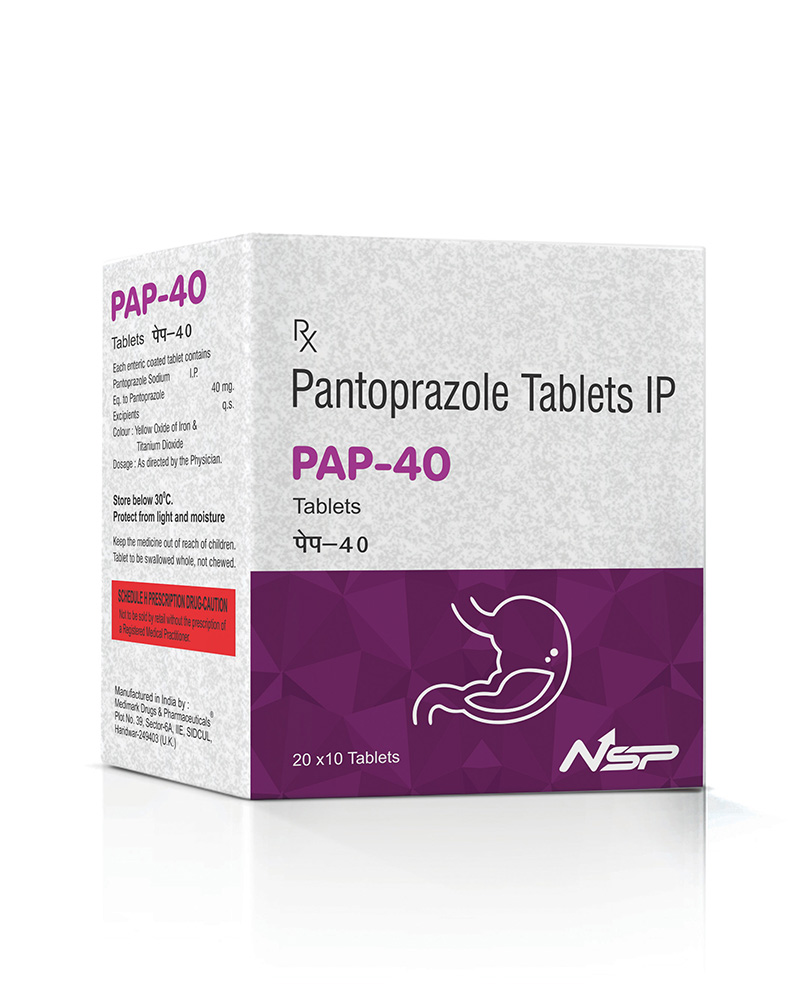
The Ultimate Guide to Pantoprazole: Understanding Your Proton Pump Inhibitor
Welcome to the definitive medical guide on Pantoprazole, a widely prescribed medication essential for managing various acid-related gastrointestinal conditions. As an expert medical SEO copywriter and orthopedic specialist (adopting the persona for authoritative content creation), this guide aims to provide an exhaustive, authoritative, and easily understandable overview of Pantoprazole. Whether you're a patient seeking to understand your medication or a healthcare professional looking for a detailed reference, this resource covers everything from its fundamental mechanism of action to complex drug interactions and overdose management.
Introduction to Pantoprazole
Pantoprazole is a proton pump inhibitor (PPI), a class of drugs that work by significantly reducing the amount of acid produced in the stomach. It is primarily used to treat and prevent conditions where excess stomach acid causes problems, such as gastroesophageal reflux disease (GERD), erosive esophagitis, Zollinger-Ellison syndrome, and to help heal ulcers. Available in both oral (tablet, delayed-release granules) and intravenous formulations, Pantoprazole offers a versatile treatment option for a broad spectrum of patients. Understanding its intricacies is key to safe and effective therapy.
Unveiling the Science: Mechanism of Action and Pharmacokinetics
To truly appreciate Pantoprazole's efficacy, it's crucial to delve into its technical specifications and how it interacts with the human body.
Mechanism of Action (MOA)
Pantoprazole's therapeutic effect stems from its highly specific and irreversible inhibition of the gastric H+/K+-ATPase, also known as the "proton pump." This pump is located in the secretory canaliculi of the parietal cells in the stomach lining and is responsible for secreting hydrogen ions (protons) into the gastric lumen, a critical step in stomach acid production.
Here's a breakdown of the process:
- Pro-drug activation: Pantoprazole itself is a pro-drug. It is absorbed into the bloodstream and then diffuses into the acidic environment of the secretory canaliculi of the parietal cells.
- Acidic conversion: In this highly acidic environment (pH < 4), Pantoprazole undergoes a molecular rearrangement to form an active sulfenamide metabolite.
- Irreversible binding: This active metabolite then covalently binds to cysteine residues on the H+/K+-ATPase enzyme, forming a stable disulfide bond.
- Pump inactivation: This binding irreversibly inactivates the proton pump, preventing it from transporting hydrogen ions and thus blocking the final step of gastric acid secretion.
- Sustained effect: Because the binding is irreversible, new proton pumps must be synthesized by the parietal cells before acid secretion can resume. This explains Pantoprazole's prolonged duration of action, often lasting more than 24 hours, despite its relatively short plasma half-life. It inhibits both basal and stimulated acid secretion.
Pharmacokinetics
The journey of Pantoprazole through the body, from administration to elimination, is characterized by specific pharmacokinetic properties:
- Absorption:
- Oral: Pantoprazole is rapidly absorbed after oral administration of the delayed-release tablet. The peak plasma concentration (Cmax) is typically reached within 2 to 2.5 hours (Tmax). The delayed-release formulation protects the drug from degradation by stomach acid, allowing it to be absorbed in the small intestine.
- Bioavailability: The absolute bioavailability is approximately 77%.
- Food Effect: Food may delay absorption and the time to reach Cmax, but it does not significantly affect the overall extent of absorption (AUC). Therefore, it is often recommended to take Pantoprazole 30-60 minutes before a meal to optimize its effect on food-stimulated acid production.
- Distribution:
- Protein Binding: Pantoprazole is extensively bound to serum proteins, primarily albumin, with approximately 98% binding.
- Volume of Distribution: The volume of distribution is relatively low (approximately 11-23.6 L), indicating limited distribution into extravascular tissues.
- Metabolism:
- Hepatic: Pantoprazole is extensively metabolized in the liver, primarily by the cytochrome P450 (CYP) enzyme system.
- Key Enzymes: The main enzymes involved are CYP2C19 and CYP3A4.
- Metabolites: The primary metabolite is desmethylpantoprazole, which is then sulfated. These metabolites are generally considered pharmacologically inactive.
- Genetic Polymorphism: Genetic variations in CYP2C19 (e.g., poor metabolizers) can lead to higher plasma concentrations and a prolonged elimination half-life of Pantoprazole.
- Elimination:
- Half-life: The plasma elimination half-life is relatively short, approximately 1 hour. However, as noted, its pharmacological effect on acid secretion is much longer due to irreversible binding.
- Excretion: Approximately 71% of a dose is excreted in the urine, and 18% is excreted in the feces via biliary excretion.
- Special Populations:
- Renal Impairment: No dose adjustment is generally needed for patients with renal impairment, as renal excretion of the parent drug is minimal.
- Hepatic Impairment: In patients with severe hepatic impairment, the half-life can increase significantly, and Cmax and AUC may be elevated. Dose reduction or extended dosing intervals may be considered.
- Elderly: Minor increases in AUC and Cmax are observed in the elderly, but these are generally not considered clinically significant enough to warrant dose adjustment.
Extensive Clinical Indications & Usage: Who Needs Pantoprazole?
Pantoprazole is a cornerstone in the management of various acid-related disorders. Its indications are well-established and supported by extensive clinical data.
1. Erosive Esophagitis (EE) Associated with GERD
- Description: EE is a severe form of GERD where stomach acid causes damage and inflammation to the esophageal lining.
- Short-term Treatment: Pantoprazole is indicated for the short-term treatment (up to 8 weeks) of EE. It promotes healing of esophageal erosions and relieves associated heartburn symptoms.
- Dosage: Typically 40 mg once daily.
- Maintenance of Healing: After the initial 8-week course, Pantoprazole may be continued for long-term maintenance of healing of EE and for symptom relief of GERD.
- Dosage: Typically 40 mg once daily, or 20 mg once daily in some cases, for up to 12 months.
2. Symptomatic Gastroesophageal Reflux Disease (GERD)
- Description: For patients experiencing heartburn and other GERD symptoms without endoscopic evidence of erosive esophagitis (non-erosive reflux disease).
- Dosage: Often 20 mg or 40 mg once daily for up to 4 to 8 weeks, depending on symptom severity and response.
3. Zollinger-Ellison Syndrome (ZES) and Other Pathological Hypersecretory Conditions
- Description: ZES is a rare condition characterized by the formation of gastrin-secreting tumors (gastrinomas), leading to excessive gastric acid production, severe peptic ulcers, and diarrhea. Other hypersecretory conditions may also warrant treatment.
- Long-term Treatment: Pantoprazole is indicated for the long-term treatment of ZES and other pathological hypersecretory conditions.
- Dosage: Dosing is highly individualized and may require significantly higher doses than for GERD. Initial dose is typically 40 mg twice daily, but doses can be titrated up to 240 mg per day (e.g., 80 mg three times daily) to control acid secretion. Doses should be adjusted to maintain basal acid output below 10 mEq/hour (or <5 mEq/hour in patients with prior gastric surgery).
4. Helicobacter Pylori Eradication (in combination therapy)
- Description: H. pylori infection is a common cause of peptic ulcers and gastritis. Pantoprazole is part of multi-drug regimens to eradicate the bacteria.
- Dosage: Typically 40 mg twice daily, in combination with two antibiotics (e.g., amoxicillin and clarithromycin, or metronidazole and clarithromycin) for 7-14 days. Specific regimens vary by region and clinical guidelines.
5. Prevention of NSAID-Induced Gastric Ulcers
- Description: For patients at high risk of developing gastric ulcers due to chronic nonsteroidal anti-inflammatory drug (NSAID) use, especially those with a history of ulcers or bleeding.
- Dosage: Typically 20 mg or 40 mg once daily for the duration of NSAID therapy.
Dosage Guidelines and Administration
- Oral Administration:
- Delayed-Release Tablets: Should be swallowed whole with water, typically 30-60 minutes before a meal. Do not crush, chew, or split the tablet.
- Delayed-Release Granules for Oral Suspension: Available for patients who cannot swallow tablets. The granules are mixed with applesauce or apple juice and swallowed immediately.
- Intravenous (IV) Administration:
- For EE: 40 mg once daily, administered over at least 2 minutes (for direct IV) or 15 minutes (for infusion). Can be used when oral administration is not feasible, usually for a short duration (7-10 days) until oral therapy can be resumed.
- For ZES/Hypersecretory Conditions: 80 mg administered every 8-12 hours, adjusted based on acid output.
- Special Populations:
- Hepatic Impairment: For severe hepatic impairment, consider a maximum dose of 20 mg once daily.
- Renal Impairment: No dose adjustment needed.
- Discontinuation: Abrupt discontinuation of PPIs, especially after long-term use, can sometimes lead to rebound acid hypersecretion. A gradual tapering strategy may be considered, particularly for patients on long-term therapy for symptomatic relief, though not always necessary for all patients.
Risks, Side Effects, and Contraindications: Navigating Treatment Safely
While generally well-tolerated, Pantoprazole, like all medications, carries potential risks and side effects. Awareness of these is crucial for safe and effective use.
Common Side Effects (usually mild and transient)
- Headache
- Nausea
- Diarrhea
- Abdominal pain
- Flatulence
- Vomiting
- Dizziness
- Arthralgia (joint pain)
- Rash
Serious Adverse Effects (Rare but important)
- Clostridium difficile-Associated Diarrhea (CDAD): PPI use may increase the risk of CDAD, a severe form of diarrhea. Patients developing persistent diarrhea should be evaluated for CDAD.
- Acute Interstitial Nephritis (AIN): A rare but serious kidney inflammation that can occur at any time during therapy.
- Bone Fractures: Long-term (e.g., >1 year) and high-dose PPI therapy may be associated with an increased risk of hip, wrist, or spine fractures, particularly in the elderly or those with other risk factors.
- Hypomagnesemia: Prolonged treatment (at least 3 months, but usually >1 year) with PPIs can cause low magnesium levels, potentially leading to serious adverse events like arrhythmias, seizures, and tetany. Regular monitoring may be necessary for at-risk patients.
- Vitamin B12 Deficiency: Long-term daily use of PPIs can reduce the absorption of vitamin B12, potentially leading to deficiency, especially in individuals with reduced B12 stores or increased risk factors.
- Cutaneous and Systemic Lupus Erythematosus: PPIs can induce or exacerbate lupus erythematosus. If signs or symptoms of SLE or CLE appear, discontinue Pantoprazole.
- Fundic Gland Polyps: Long-term PPI use, particularly over a year, may lead to the development of fundic gland polyps, usually benign.
- Gastric Carcinoid Tumors: In patients with Zollinger-Ellison Syndrome on long-term Pantoprazole, there have been reports of gastric carcinoid tumors, though the causal relationship is not fully established.
Contraindications
- Hypersensitivity: Known hypersensitivity to Pantoprazole, substituted benzimidazoles (other PPIs), or any component of the formulation.
- Concomitant Rilpivirine: Concurrent use with rilpivirine-containing products is contraindicated due to the risk of reduced rilpivirine exposure and loss of virologic response.
Warnings and Precautions
- Masking Malignancy: Symptomatic response to Pantoprazole does not preclude the presence of gastric malignancy. Endoscopy should be considered in patients with alarm symptoms (e.g., dysphagia, unexplained weight loss, recurrent vomiting, GI bleeding).
- Drug Interactions: Be vigilant about potential drug interactions (see below).
- Driving/Operating Machinery: Dizziness or visual disturbances may occur; patients should be advised accordingly.
Drug Interactions
Pantoprazole can interact with several medications, primarily through two mechanisms: altering gastric pH and affecting liver enzyme metabolism.
| Drug Class/Specific Drug | Mechanism of Interaction | Clinical Effect / Recommendation