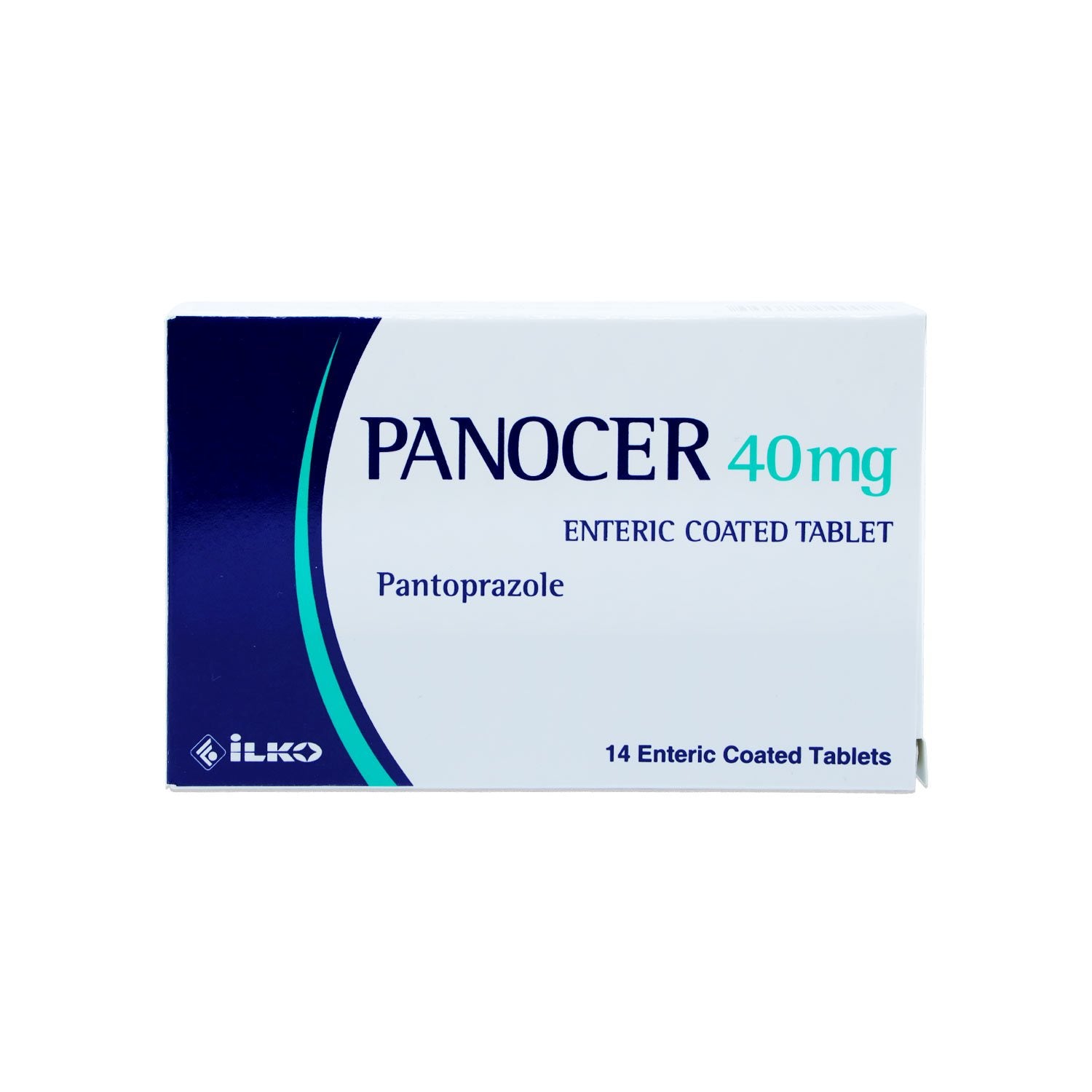
Understanding Panocer: A Comprehensive Guide to Advanced Joint Therapy
Introduction to Panocer: Bridging Pain Relief and Chondroprotection
In the evolving landscape of orthopedic care, managing chronic joint conditions like osteoarthritis (OA) and other inflammatory arthropathies presents a significant challenge. Traditional treatments often focus on symptomatic relief, leaving the underlying disease progression largely unaddressed. Panocer emerges as a groundbreaking therapeutic agent designed to offer a dual-action approach: potent anti-inflammatory and analgesic effects coupled with crucial chondroprotective properties.
Panocer is a novel, orally administered small molecule medication developed for patients suffering from persistent joint pain, inflammation, and the progressive cartilage degradation characteristic of degenerative joint diseases. Unlike conventional pain relievers or anti-inflammatory drugs that primarily mask symptoms, Panocer targets specific molecular pathways involved in both inflammation and cartilage metabolism, aiming to slow disease progression and improve long-term joint health.
Developed through extensive research, Panocer represents a significant advancement in orthopedic pharmacology. It offers a new hope for individuals seeking not only relief from debilitating joint pain but also a potential for preserving their joint structure and function. This comprehensive guide provides an in-depth look into Panocer's mechanism of action, pharmacokinetics, detailed indications, dosage guidelines, safety profile, and more, empowering patients and healthcare professionals with vital information.
The Science Behind Panocer: Mechanism of Action and Pharmacokinetics
Panocer's efficacy stems from its unique, multifaceted approach to joint disease management. Its design integrates both symptomatic relief and disease modification, making it a powerful tool in orthopedic medicine.
Unraveling Panocer's Dual Mechanism of Action
Panocer exerts its therapeutic effects through a sophisticated dual mechanism, targeting key pathological processes in inflamed and degenerating joints:
-
1. Selective Inhibition of Synovial Kinase Alpha (SKA-α) Pathway:
- Anti-inflammatory Action: Panocer acts as a highly selective inhibitor of the Synovial Kinase Alpha (SKA-α) pathway. This novel kinase is predominantly expressed in synovial fibroblasts, macrophages, and chondrocytes within inflamed joints. By inhibiting SKA-α, Panocer effectively disrupts a critical upstream signaling cascade that leads to the activation of transcription factors like NF-κB and AP-1.
- Consequence: This inhibition results in a significant reduction in the production and release of major pro-inflammatory cytokines (e.g., Interleukin-1 beta (IL-1β), Tumor Necrosis Factor-alpha (TNF-α), Interleukin-6 (IL-6)), chemokines (e.g., MCP-1, RANTES), and prostaglandin E2 (PGE2) in the synovial fluid and cartilage. The downstream effect is a marked decrease in inflammation, swelling, and pain, providing rapid and sustained symptomatic relief.
-
2. Direct Chondroprotective and Anabolic Modulation:
- Cartilage Protection: Beyond its anti-inflammatory effects, Panocer directly modulates chondrocyte activity to preserve and potentially restore cartilage integrity. It actively inhibits the expression and activity of key catabolic enzymes responsible for cartilage breakdown, specifically matrix metalloproteinases (MMPs such as MMP-1, MMP-3, MMP-13) and aggrecanases (ADAMTS-4, ADAMTS-5). These enzymes are major contributors to the degradation of collagen and proteoglycans in the articular cartilage matrix.
- Anabolic Stimulation: Furthermore, Panocer promotes chondrocyte viability and stimulates anabolic pathways. It enhances the synthesis of essential extracellular matrix components, including Type II collagen and aggrecan, which are crucial for maintaining cartilage structure and function. It also reduces chondrocyte apoptosis (programmed cell death), thereby preserving the cellular integrity of the cartilage.
- Synergistic Effect: The combination of potent anti-inflammatory action and direct chondroprotective effects means Panocer not only alleviates symptoms but also addresses the underlying pathology of cartilage destruction, offering the potential to slow or even halt disease progression.
Pharmacokinetics: How Panocer Moves Through Your Body
Understanding how Panocer is absorbed, distributed, metabolized, and excreted (ADME) is crucial for optimizing its therapeutic use and minimizing potential risks.
-
Absorption:
- Oral Bioavailability: Panocer is well-absorbed orally, with an absolute bioavailability of approximately 70-80%.
- Time to Peak Concentration (Tmax): Peak plasma concentrations are typically achieved within 2-4 hours after oral administration.
- Food Effects: Co-administration with a high-fat meal may slightly delay Tmax (by ~1 hour) and increase Cmax (by ~15%), but the overall extent of absorption (AUC) remains largely unaffected. Panocer can be taken with or without food.
-
Distribution:
- Volume of Distribution (Vd): Panocer has a moderate volume of distribution (approximately 1.5 L/kg), indicating its distribution into various tissues.
- Protein Binding: It is extensively bound to plasma proteins (primarily albumin), typically >95%.
- Tissue Penetration: Panocer demonstrates excellent penetration into synovial fluid and articular cartilage, reaching therapeutic concentrations in the target tissues, which is essential for its local action.
-
Metabolism:
- Hepatic Metabolism: Panocer undergoes extensive hepatic metabolism, primarily via cytochrome P450 (CYP) enzymes, specifically CYP3A4 and to a lesser extent CYP2D6.
- Metabolites: The primary metabolites are largely inactive, though one minor active metabolite with approximately 10% of the parent drug's activity has been identified.
-
Excretion:
- Half-life (t½): The elimination half-life of Panocer is approximately 12-18 hours, supporting a convenient once or twice daily dosing regimen.
- Excretion Routes: Approximately 60% of the administered dose is excreted renally (as metabolites), and about 35% is eliminated via fecal excretion (primarily as metabolites).
- Special Populations:
- Renal Impairment: Clearance may be reduced in patients with moderate to severe renal impairment, necessitating dose adjustments.
- Hepatic Impairment: Patients with moderate to severe hepatic impairment may experience increased exposure to Panocer, requiring dose modification.
- Elderly: No significant age-related changes in pharmacokinetics have been observed that warrant routine dose adjustments, although caution is advised due to potential age-related decline in renal/hepatic function.
Clinical Applications of Panocer: Indications and Dosage Guidelines
Panocer's unique mechanism positions it as a valuable therapeutic option for a range of orthopedic and rheumatological conditions.
Detailed Indications: Who Can Benefit from Panocer?
Panocer is indicated for the treatment of chronic inflammatory and degenerative joint diseases where both pain relief and disease modification are desired.
-
Primary Indications:
- Osteoarthritis (OA):
- Symptomatic Management: For the relief of signs and symptoms of osteoarthritis, including pain, stiffness, and functional impairment, in various joints (e.g., knee, hip, hand, spine).
- Disease Modification: As a disease-modifying agent to slow the progression of cartilage degradation in patients with radiographically confirmed OA.
- Rheumatoid Arthritis (RA):
- For the reduction of signs and symptoms of moderately to severely active rheumatoid arthritis in adult patients who have had an inadequate response to one or more disease-modifying anti-rheumatic drugs (DMARDs). Panocer can be used as monotherapy or in combination with non-biologic DMARDs (e.g., methotrexate).
- Post-Traumatic Arthritis:
- Management of chronic pain and inflammation following joint trauma, with the added benefit of supporting cartilage repair.
- Chronic Musculoskeletal Pain with Inflammatory Component:
- For the long-term management of chronic pain conditions associated with underlying inflammation in joints and surrounding tissues.
- Osteoarthritis (OA):
-
Secondary/Investigational Indications (Use with caution and expert guidance):
- Ankylosing Spondylitis (AS) and Psoriatic Arthritis (PsA): Limited data suggests potential benefit in reducing inflammatory symptoms, but further research is ongoing.
- Gouty Arthritis (Chronic Phase): May aid in reducing chronic inflammation, but not indicated for acute gout attacks.
Dosage and Administration: Optimizing Panocer Therapy
Panocer should be prescribed by healthcare professionals experienced in the diagnosis and treatment of rheumatological or orthopedic conditions. Individualized therapy, starting with the lowest effective dose, is recommended.
-
General Dosing Principles:
- Individualization: Dosing should be tailored to the individual patient's disease activity, response to treatment, and tolerability.
- Lowest Effective Dose: Always use the lowest effective dose for the shortest duration consistent with treatment goals.
- Monitoring: Regular clinical assessment is necessary to determine the continued need for therapy.
-
Standard Adult Dosing:
- For Osteoarthritis:
- Initial Dose: 100 mg orally once daily.
- Maintenance Dose: If symptoms are not adequately controlled after 2-4 weeks, the dose may be increased to 150 mg once daily.
- Maximum Dose: 150 mg once daily.
- For Rheumatoid Arthritis:
- Initial Dose: 150 mg orally once daily.
- Maintenance Dose: Continue with 150 mg once daily.
- Maximum Dose: 150 mg once daily.
- Administration: Panocer tablets should be swallowed whole with water, with or without food. Do not crush, chew, or split the tablet, as this may alter its controlled-release properties and absorption.
- For Osteoarthritis:
-
Dosing Adjustments in Special Populations:
| Population | Recommendation |
|---|---|
| Renal Impairment | |
| eGFR ≥ 60 mL/min | No dose adjustment required. |
| eGFR 30-59 mL/min | Initiate with 50 mg once daily; maximum 100 mg once daily. |
| eGFR < 30 mL/min or Dialysis | Contraindicated due to increased exposure and limited clinical data. |
| Hepatic Impairment | |
| Mild (Child-Pugh A) | No dose adjustment required. |
| Moderate (Child-Pugh B) | Initiate with 50 mg once daily; maximum 100 mg once daily. |
| Severe (Child-Pugh C) | Contraindicated due to significantly increased systemic exposure and risk of toxicity. |
| Elderly Patients (>65 years) | No specific dose adjustment needed based on age alone, but monitor renal function. |
| Pediatric Use (<18 years) | Panocer is not indicated for pediatric patients. Safety and efficacy not established. |
- Missed Dose Management:
- If a dose is missed, take it as soon as you remember, unless it is almost time for your next scheduled dose. In that case, skip the missed dose and resume your regular dosing schedule. Do not take a double dose to make up for a missed one.
Safety Profile of Panocer: Contraindications, Interactions, and Special Warnings
While Panocer offers significant therapeutic benefits, it is crucial to be aware of its safety profile, including potential risks, side effects, and drug interactions.
Contraindications: When Panocer Should Not Be Used
Panocer is contraindicated in the following situations:
- Hypersensitivity: Known hypersensitivity to Panocer or any of its excipients.
- Severe Renal Impairment: Patients with an estimated glomerular filtration rate (eGFR) less than 30 mL/min or those on dialysis.
- Severe Hepatic Impairment: Patients with Child-Pugh Class C hepatic impairment.
- Active Gastrointestinal Bleeding/Ulceration: Patients with active peptic ulcer disease or gastrointestinal bleeding.
- Pregnancy and Lactation: Due to potential risks to the fetus and infant (see section below).
- History of Severe Cardiovascular Events: (e.g., recent myocardial infarction, stroke) if the patient has other significant risk factors for cardiovascular events.
Potential Side Effects: What to Expect
Like all medications, Panocer can cause side effects. These are generally mild to moderate and transient.
-
Common Side Effects (≥1% incidence):
- Gastrointestinal: Nausea, dyspepsia, abdominal pain, diarrhea, constipation.
- Nervous System: Headache, dizziness, fatigue.
- Dermatological: Rash, pruritus.
- General: Peripheral edema.
- Laboratory Abnormalities: Transient elevations in liver enzymes (ALT, AST) without clinical symptoms.
-
Less Common/Serious Side Effects (<1% incidence):
- Gastrointestinal: Gastric ulceration, GI bleeding, pancreatitis.
- Hepatic: Drug-induced liver injury, jaundice, hepatitis (rare).
- Renal: Acute kidney injury, interstitial nephritis.
- Cardiovascular: Hypertension, exacerbation of heart failure, increased risk of thrombotic events (myocardial infarction, stroke) - particularly with long-term, high-dose use in patients with pre-existing cardiovascular risk factors.
- Hematological: Anemia, leukopenia, thrombocytopenia.
- Hypersensitivity Reactions: Anaphylaxis, angioedema, Stevens-Johnson Syndrome (SJS), Toxic Epidermal Necrolysis (TEN) (extremely rare but severe).
- Infections: Increased susceptibility to infections, particularly opportunistic infections (observed with some immunomodulators; specific monitoring may be required).
When to Contact a Doctor: Patients should be advised to seek immediate medical attention if they experience severe abdominal pain, black or tarry stools, persistent vomiting, yellowing of skin/eyes, severe skin rash, difficulty breathing, or swelling of the face, lips, or tongue.
Drug Interactions: Avoiding Complications
Panocer is metabolized by CYP3A4 and to a lesser extent CYP2D6, making it susceptible to interactions with drugs affecting these enzymes.
| Interacting Drug Class/Drug | Potential Effect