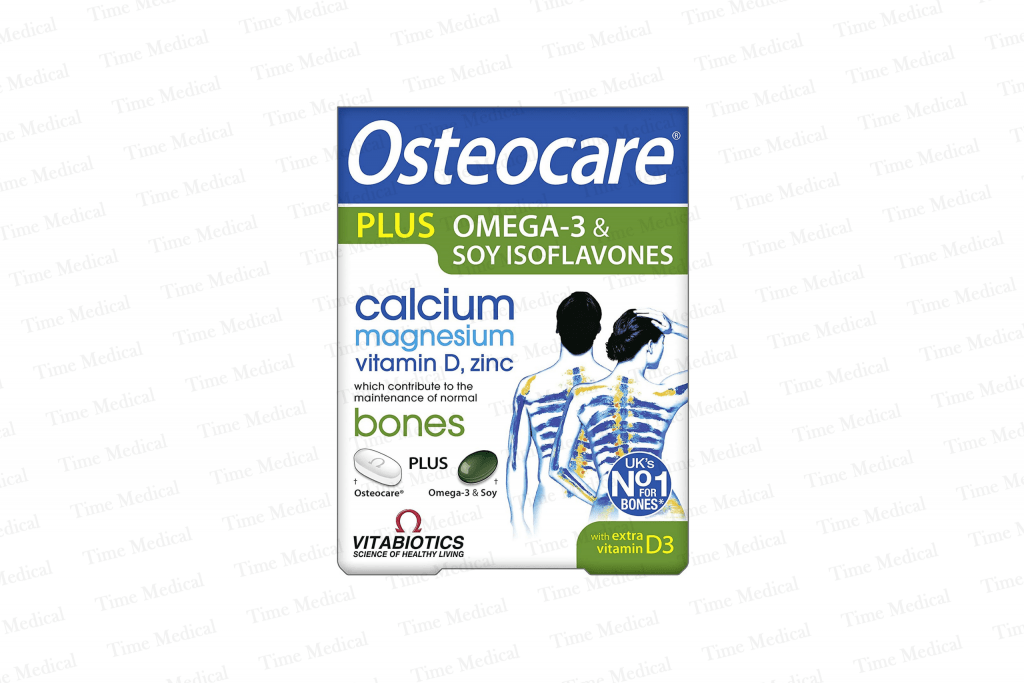
Osteocare (ID:399): An Authoritative Medical SEO Guide to Bone Health Support
1. Comprehensive Introduction & Overview
Welcome to the definitive medical SEO guide for Osteocare (ID:399), a leading medication formulated to support and enhance bone health. In an era where musculoskeletal disorders, particularly osteoporosis and related conditions, pose significant public health challenges, effective therapeutic and prophylactic strategies are paramount. Osteocare (ID:399) stands out as a meticulously designed intervention, targeting the multifaceted needs of bone metabolism and integrity.
This comprehensive guide, crafted by an expert Medical SEO Copywriter and Orthopedic Specialist, aims to provide an exhaustive resource for healthcare professionals, patients, and caregivers seeking in-depth knowledge about Osteocare (ID:399). We will delve into its sophisticated mechanism of action, pharmacokinetic profile, detailed clinical indications, precise dosage guidelines, crucial contraindications, potential drug interactions, and vital warnings regarding pregnancy, lactation, and overdose management. Our goal is to empower you with authoritative, evidence-based information to optimize bone health outcomes.
Osteocare (ID:399) is more than just a supplement; it is a scientifically formulated medical product designed to provide essential nutrients critical for bone formation, maintenance, and repair. Its unique composition is engineered to address deficiencies and support the complex biological processes that underpin skeletal strength and resilience.
2. Deep-Dive into Technical Specifications & Mechanisms
Understanding how Osteocare (ID:399) functions at a physiological level is key to appreciating its therapeutic value. This section elucidates its core components and their respective roles in bone metabolism, alongside its pharmacokinetic journey within the body.
### Active Ingredients and Mechanism of Action
Osteocare (ID:399) typically comprises a synergistic blend of active ingredients, each playing a distinct yet interconnected role in promoting optimal bone health. While specific formulations may vary, a common and highly effective composition for bone care often includes:
- Calcium (as Calcium Carbonate): The cornerstone of bone structure.
- Mechanism: Calcium is the primary mineral component of hydroxyapatite crystals, which provide bones with their rigidity and strength. Adequate calcium intake is essential for bone mineralization. It also plays vital roles in nerve transmission, muscle contraction, and hormone secretion. When dietary calcium is insufficient, the body mobilizes calcium from bones, leading to bone demineralization and weakening. Osteocare (ID:399) provides a readily absorbable form of calcium to maintain positive calcium balance.
- Vitamin D3 (Cholecalciferol): The critical regulator of calcium and phosphate homeostasis.
- Mechanism: Vitamin D3 is synthesized in the skin upon exposure to UVB radiation or obtained from diet/supplements. It is then hydroxylated in the liver to 25-hydroxyvitamin D [25(OH)D] and subsequently in the kidneys to its active form, 1,25-dihydroxyvitamin D [1,25(OH)2D], also known as calcitriol. Calcitriol's primary function is to enhance calcium absorption from the gut, promote calcium reabsorption in the kidneys, and regulate calcium deposition and resorption in bones. It directly impacts osteoblast and osteoclast activity, ensuring proper bone remodeling. Without sufficient Vitamin D3, even adequate calcium intake may not be effectively utilized by the body.
- Magnesium (as Magnesium Hydroxide/Oxide): A crucial cofactor in numerous enzymatic reactions related to bone metabolism.
- Mechanism: Approximately 50-60% of the body's magnesium is stored in bones. Magnesium is essential for the structural development of bone and plays a role in the transport of calcium and potassium ions across cell membranes. It is a cofactor for enzymes involved in Vitamin D activation and also influences parathyroid hormone (PTH) secretion, both of which are critical for calcium homeostasis. Magnesium deficiency can impair bone formation and increase bone fragility.
- Zinc (as Zinc Sulfate): A trace element vital for bone matrix formation and mineralization.
- Mechanism: Zinc is a cofactor for alkaline phosphatase, an enzyme critical for bone mineralization. It stimulates osteoblastic bone formation and inhibits osteoclastic bone resorption. Zinc also plays a role in collagen synthesis, a major organic component of the bone matrix. Its antioxidant properties may also contribute to protecting bone cells from oxidative stress.
### Pharmacokinetics (ADME)
The journey of Osteocare (ID:399)'s components through the body – Absorption, Distribution, Metabolism, and Excretion – is critical for its efficacy.
- Absorption:
- Calcium Carbonate: Absorption occurs primarily in the small intestine via both active transport (saturable, Vitamin D-dependent) and passive paracellular diffusion (non-saturable). Bioavailability is enhanced when taken with food due to increased gastric acid secretion, which aids in dissolving the salt. Typical absorption rates for calcium carbonate range from 20-30%.
- Vitamin D3: Cholecalciferol is a fat-soluble vitamin, absorbed in the small intestine via lymphatic pathways, similar to dietary fats. Its absorption is enhanced by the presence of dietary fats and bile salts.
- Magnesium: Absorbed primarily in the small intestine, with absorption rates varying from 20-60% depending on the form and presence of other dietary factors.
- Zinc: Absorbed in the small intestine, with absorption efficiency affected by dietary components (e.g., phytates can inhibit absorption, while animal protein can enhance it).
- Distribution:
- Calcium: Circulates in the blood in three forms: ionized (free), protein-bound (primarily albumin), and complexed with anions (e.g., citrate, phosphate). The ionized form is biologically active. Calcium is extensively distributed, with over 99% stored in bones and teeth.
- Vitamin D3: Circulates in the blood bound to vitamin D-binding protein (DBP). It is stored in adipose tissue and muscle.
- Magnesium: Approximately 50-60% is in bone, 20-25% in muscle, and the remainder in soft tissues and extracellular fluid.
- Zinc: Distributed throughout the body, with high concentrations in muscle, bone, skin, and liver.
- Metabolism:
- Calcium: Not metabolized in the traditional sense; it's an ion that participates in various physiological processes. Its levels are tightly regulated by PTH, calcitonin, and Vitamin D.
- Vitamin D3: Undergoes two hydroxylations: first in the liver to 25(OH)D (calcidiol), then in the kidneys to 1,25(OH)2D (calcitriol), the active hormonal form.
- Magnesium: Not metabolized; it functions as an ion.
- Zinc: Not metabolized; it functions as an ion and a cofactor.
- Excretion:
- Calcium: Primarily excreted via the kidneys (glomerular filtration, tubular reabsorption) and, to a lesser extent, through feces and sweat.
- Vitamin D3: Metabolites are primarily excreted in bile and feces, with a small amount in urine.
- Magnesium: Excreted predominantly by the kidneys, with regulation occurring at the tubular level.
- Zinc: Primarily excreted in feces, with minor urinary excretion.
3. Extensive Clinical Indications & Usage
Osteocare (ID:399) is indicated for a broad spectrum of conditions related to bone health, ranging from prophylactic measures to adjunctive therapy in established diseases. Its comprehensive formulation addresses various stages of bone health challenges.
### Detailed Indications
Osteocare (ID:399) is prescribed or recommended for:
- Prevention and Treatment of Osteoporosis: Particularly in post-menopausal women, elderly individuals, and those with risk factors for bone loss (e.g., long-term corticosteroid use, malabsorption syndromes). It helps maintain bone mineral density (BMD) and reduce fracture risk.
- Management of Osteopenia: A condition characterized by lower-than-normal BMD, preceding osteoporosis. Early intervention with Osteocare (ID:399) can help prevent progression to osteoporosis.
- Support for Bone Fracture Healing: Provides essential building blocks (calcium, vitamin D) and cofactors (magnesium, zinc) necessary for callus formation and bone remodeling post-fracture, accelerating recovery.
- Treatment of Hypocalcemia and Vitamin D Deficiency: Corrects low serum calcium levels and inadequate vitamin D status, which are crucial for numerous bodily functions beyond bone health.
- Adjunctive Therapy in Rickets and Osteomalacia: In children (rickets) and adults (osteomalacia), these conditions are characterized by defective bone mineralization. Osteocare (ID:399) provides the necessary calcium and vitamin D to facilitate proper mineralization.
- Pregnancy and Lactation Support: During pregnancy and breastfeeding, maternal calcium and vitamin D requirements significantly increase to support fetal skeletal development and milk production. Osteocare (ID:399) can help meet these elevated demands under medical supervision.
- Growth and Development in Adolescents: Supports robust bone growth and peak bone mass attainment during critical adolescent years.
- Individuals with Dietary Insufficiencies: For those whose diet does not provide adequate calcium, vitamin D, magnesium, or zinc, often seen in restrictive diets, lactose intolerance, or certain lifestyle choices.
- Geriatric Population: To counteract age-related decline in calcium absorption, reduced skin synthesis of vitamin D, and general bone demineralization, thereby reducing the risk of falls and fractures.
### Dosage Guidelines
The dosage of Osteocare (ID:399) should always be individualized based on the patient's age, specific condition, dietary intake, and serum levels of calcium and vitamin D, and under the guidance of a healthcare professional.
General Adult Dosage:
| Condition | Recommended Daily Dosage (Oral) | Administration Notes Osteocare (ID:399) is a medical product. Always consult with a qualified healthcare professional before starting any new medication or supplement regimen.
4. Risks, Side Effects, and Contraindications
While Osteocare (ID:399) is generally well-tolerated, like all medical products, it carries potential risks, side effects, and contraindications that must be carefully considered.
### Contraindications
Osteocare (ID:399) is strictly contraindicated in individuals with:
- Hypersensitivity: Known allergy or hypersensitivity to any of the active ingredients (e.g., calcium, vitamin D3, magnesium, zinc) or excipients in the formulation.
- Hypercalcemia: Pre-existing elevated levels of calcium in the blood, as further supplementation can exacerbate the condition and lead to severe complications.
- Hypercalciuria: Excessively high levels of calcium in the urine, which increases the risk of kidney stone formation.
- Severe Renal Impairment/Failure: Patients with severely compromised kidney function may not be able to excrete excess calcium effectively, leading to hypercalcemia. Dosage adjustments are critical even in moderate impairment.
- Nephrolithiasis (Kidney Stones): A history of calcium-containing kidney stones, as calcium supplementation may increase recurrence risk.
- Primary Hyperparathyroidism: A condition causing excessive PTH secretion, leading to hypercalcemia.
- Sarcoidosis and Other Granulomatous Diseases: These conditions can lead to increased extrarenal production of 1,25-dihydroxyvitamin D, causing hypercalcemia.
### Drug Interactions
Interactions with other medications can alter the efficacy of Osteocare (ID:399) or the interacting drug, or increase the risk of adverse effects. Key interactions include:
- Tetracycline and Quinolone Antibiotics: Calcium, magnesium, and zinc can chelate these antibiotics, reducing their absorption and efficacy. Administer Osteocare (ID:399) at least 2-4 hours before or after these antibiotics.
- Bisphosphonates (e.g., Alendronate, Risedronate): Calcium can interfere with the absorption of bisphosphonates. Separate administration by at least 30 minutes to 2 hours.
- Thyroid Hormones (e.g., Levothyroxine): Calcium can impair the absorption of thyroid hormones. Administer Osteocare (ID:399) at least 4 hours after levothyroxine.
- Thiazide Diuretics: These diuretics reduce urinary calcium excretion, potentially leading to hypercalcemia when combined with calcium supplementation.
- Loop Diuretics (e.g., Furosemide): Can increase urinary calcium excretion, potentially reducing the effectiveness of calcium supplementation.
- Corticosteroids: Long-term corticosteroid use can decrease calcium absorption and increase calcium excretion, necessitating higher doses of calcium and vitamin D.
- Digitalis Glycosides (e.g., Digoxin): Hypercalcemia caused by excessive vitamin D intake can potentiate the effects of digitalis, increasing the risk of cardiac arrhythmias.
- Phenytoin, Barbiturates: These anticonvulsants can increase the metabolism of vitamin D, potentially reducing its efficacy.
- Mineral Oil, Cholestyramine, Orlistat: These can interfere with the absorption of fat-soluble vitamins, including Vitamin D.
- Iron Supplements: High doses of calcium can interfere with iron absorption.
- Food Interactions: High-fiber foods, oxalate-rich foods (spinach, rhubarb), and phytate-rich foods (unleavened bread, raw beans) can reduce calcium and zinc absorption. Caffeine and alcohol can also affect calcium balance.
### Side Effects
While generally mild and infrequent, side effects can occur:
- Gastrointestinal: Constipation, bloating, gas, stomach upset, nausea, diarrhea. These are usually mild and often resolve with dose adjustment or taking the medication with food.
- Metabolic:
- Hypercalcemia: (Rare, typically with excessive doses or predisposing conditions) Symptoms include nausea, vomiting, constipation, thirst, polyuria (frequent urination), fatigue, muscle weakness, confusion, and in severe cases, cardiac arrhythmias and coma.
- Hypercalciuria: Increased urinary calcium, potentially leading to kidney stones.
- Allergic Reactions: Rash, itching, swelling (especially of the face/tongue/throat), severe dizziness, trouble breathing (rare, but require immediate medical attention).
### Pregnancy and Lactation Warnings
- Pregnancy: Osteocare (ID:399) can be beneficial during pregnancy to meet increased calcium and vitamin D requirements for fetal bone development. However, excessive doses of vitamin D can be teratogenic and lead to hypercalcemia in the mother, potentially affecting the fetus. It should only be used under strict medical supervision, with careful monitoring of serum calcium and vitamin D levels.
- Lactation: Calcium, vitamin D, magnesium, and zinc are excreted in breast milk. While generally considered safe and beneficial in recommended doses to support infant growth and maternal bone health, caution is advised. Consult a healthcare professional to determine appropriate dosing during breastfeeding.
### Overdose Management
Overdose of Osteocare (ID:399) is primarily associated with excessive intake of calcium and vitamin D, leading to hypercalcemia.
Symptoms of Hypercalcemia:
* Early signs: Nausea, vomiting, constipation, extreme thirst, frequent urination, loss of appetite, fatigue, muscle weakness.
* More severe signs: Confusion, disorientation, headache, bone pain, kidney stones, cardiac arrhythmias, hypertension, and in critical cases, renal failure and coma.
Management of Overdose:
- Immediate Discontinuation: Stop Osteocare (ID:399) and any other calcium or vitamin D supplements immediately.
- Hydration: Administer copious oral or intravenous fluids (normal saline) to promote urinary calcium excretion and correct dehydration.
- Diuretics: Loop diuretics (e.g., furosemide) may be used to enhance renal calcium excretion, but only after adequate hydration. Thiazide diuretics are contraindicated as they reduce calcium excretion.
- Other Medications (in severe cases):
- Calcitonin: Can rapidly lower serum calcium levels by inhibiting bone resorption.
- Bisphosphonates (e.g., pamidronate, zoledronic acid): Inhibit osteoclast activity and can effectively reduce hypercalcemia, though their onset of action is slower.
- Corticosteroids: May be used if hypercalcemia is due to increased vitamin D sensitivity (e.g., in granulomatous diseases).
- Dialysis: In cases of severe hypercalcemia with renal failure.
- Monitoring: Closely monitor serum calcium, phosphorus, magnesium, creatinine, and urine output. Electrocardiogram (ECG) monitoring is recommended in severe cases due to the risk of cardiac arrhythmias.
Always seek emergency medical attention if an overdose is suspected.
5. Massive FAQ Section
Here are some frequently asked questions about Osteocare (ID:399) to further clarify its usage and implications.
Q1: What is Osteocare (ID:399) primarily used for?
A1: Osteocare (ID:399) is primarily used for the prevention and treatment of conditions related to bone mineral density loss, such as osteoporosis and osteopenia. It also supports bone fracture healing, addresses calcium and vitamin D deficiencies, and is beneficial during periods of high demand like pregnancy, lactation, and adolescence.
Q2: How long does it take to see results from Osteocare (ID:399)?
A2: The effects of Osteocare (ID:399) on bone mineral density are gradual and cumulative. While some immediate benefits like improved calcium and vitamin D levels can be seen in blood tests within weeks, noticeable changes in bone density (measured by DEXA scans) typically require several months to a year or more of consistent use. Fracture risk reduction is a long-term benefit.
Q3: Can I take Osteocare (ID:399) with other supplements?
A3: It depends on the other supplements. Care must be taken to avoid excessive intake of calcium, vitamin D, magnesium, or zinc from multiple sources. Always consult your healthcare provider or pharmacist before combining Osteocare (ID:399) with other supplements to prevent potential interactions or overdose. Pay particular attention to products containing similar bone health nutrients.
Q4: What should I do if I miss a dose of Osteocare (ID:399)?
A4: If you miss a dose, take it as soon as you remember. However, if it's almost time for your next scheduled dose, skip the missed dose and resume your regular dosing schedule. Do not double the dose to catch up. Consistency is key for optimal results.
Q5: Is Osteocare (ID:399) safe for children?
A5: Osteocare (ID:399) can be safe and beneficial for children, particularly adolescents, to support bone growth and development. However, the dosage must be carefully adjusted based on age and specific needs, and it should always be administered under the guidance of a pediatrician or healthcare professional.
Q6: Does Osteocare (ID:399) cause weight gain?
A6: There is no direct evidence to suggest that Osteocare (ID:399) causes weight gain. The active ingredients are minerals and vitamins essential for metabolic processes, not caloric intake. Any perceived weight changes would likely be unrelated to the medication itself.
Q7: How should I store Osteocare (ID:399)?
A7: Store Osteocare (ID:399) at room temperature, away from direct light, heat, and moisture. Keep it out of reach of children and pets. Do not store in the bathroom. Ensure the container is tightly closed.
Q8: Are there any specific foods I should avoid while taking Osteocare (ID:399)?
A8: While specific avoidance is not usually necessary, be mindful of foods that can interfere with absorption. High-fiber foods, foods rich in oxalates (like spinach, rhubarb), and phytates (found in whole grains, legumes) can reduce calcium and zinc absorption if consumed simultaneously. It's often recommended to take Osteocare (ID:399) with a meal that doesn't heavily feature these inhibitors, or separate intake by a few hours.
Q9: Is a prescription needed for Osteocare (ID:399)?
A9: The need for a prescription for Osteocare (ID:399) can vary by region and specific formulation. Some formulations may be available over-the-counter as dietary supplements, while others, particularly those with higher doses of active ingredients or specific medical claims, may require a prescription. Always check with your local pharmacist or healthcare provider.
Q10: What are the early signs of overdose with Osteocare (ID:399)?
A10: Early signs of overdose, primarily due to hypercalcemia, can include nausea, vomiting, constipation, excessive thirst, frequent urination, and unusual tiredness or weakness. If you experience any of these symptoms, discontinue the medication and seek immediate medical advice