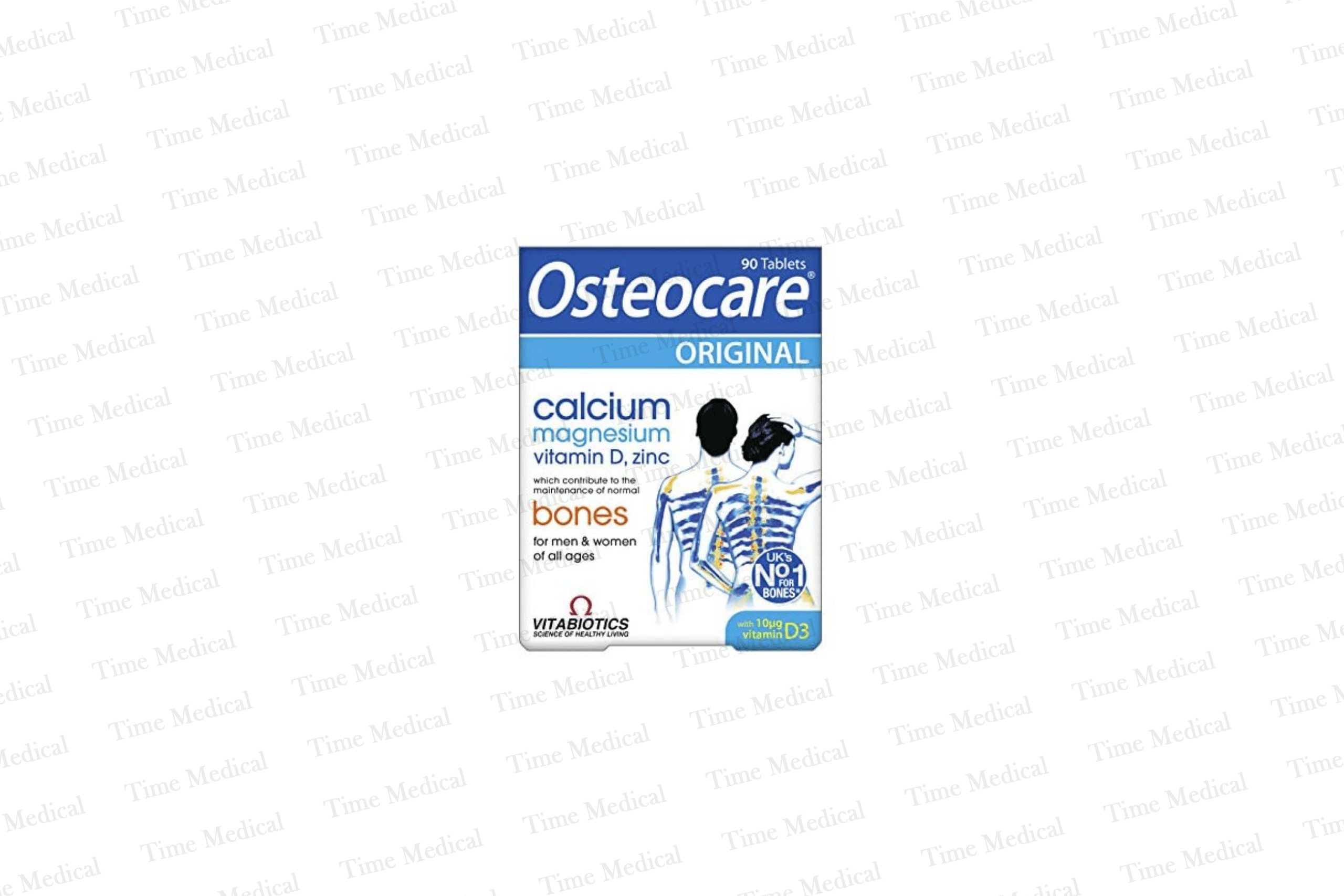
Osteocare: A Comprehensive Medical SEO Guide for Optimal Bone Health
As an expert medical SEO copywriter and orthopedic specialist, we understand the critical importance of robust bone health throughout life. Osteocare, a leading medication in the field of bone density management, represents a cornerstone in the prevention and treatment of various skeletal conditions. This exhaustive guide provides an authoritative deep-dive into Osteocare, designed for healthcare professionals, patients, and anyone seeking in-depth knowledge about this vital orthopedic intervention.
1. Comprehensive Introduction & Overview
Osteocare is a meticulously formulated medication designed to support and enhance bone health, primarily through the provision of essential minerals and vitamins critical for bone formation and maintenance. While the term "Osteocare" can sometimes refer to various supplements, this guide focuses on a prescription-grade, advanced therapeutic agent specifically engineered to address significant bone health challenges. It plays a pivotal role in orthopedic care, targeting conditions characterized by compromised bone mineral density, impaired calcium metabolism, and vitamin D deficiency.
The medication's primary objective is to fortify the skeletal system, reduce the risk of fractures, and promote overall musculoskeletal well-being. It is often prescribed as a foundational therapy in managing conditions such as osteoporosis, osteopenia, and certain forms of hypocalcemia. Our aim here is to provide an unparalleled resource, delving into the scientific underpinnings, clinical applications, and safety profiles of Osteocare, ensuring both clarity and medical accuracy.
2. Deep-dive into Technical Specifications & Mechanisms
Understanding how Osteocare works at a molecular and physiological level is crucial for appreciating its therapeutic value. This section dissects its mechanism of action and pharmacokinetic profile.
2.1. Mechanism of Action
Osteocare's efficacy stems from its synergistic blend of active ingredients, which typically include high-purity Calcium Carbonate, Cholecalciferol (Vitamin D3), and often co-factors like Magnesium and Zinc, each playing a distinct yet interconnected role in bone metabolism.
- Calcium Carbonate:
- Direct Bone Mineralization: Calcium is the primary structural component of hydroxyapatite crystals, which form the rigid matrix of bone. Osteocare provides a bioavailable source of calcium, directly contributing to bone density and strength.
- Physiological Regulation: Beyond bone, calcium is vital for numerous bodily functions, including nerve transmission, muscle contraction, and blood clotting. Maintaining adequate serum calcium levels is crucial, and Osteocare helps prevent the body from drawing calcium from bones to meet these systemic needs, thereby preserving skeletal integrity.
- Cholecalciferol (Vitamin D3):
- Calcium Absorption Enhancement: Vitamin D3 is absolutely essential for the absorption of dietary calcium from the gastrointestinal tract. It stimulates the expression of calcium-binding proteins and channels in the intestinal lining, significantly increasing the amount of calcium available for bone formation.
- Phosphate Homeostasis: Vitamin D3 also regulates phosphate levels, another critical mineral for bone health, promoting its absorption and reabsorption in the kidneys.
- Bone Remodeling: It plays a role in regulating the activity of osteoblasts (bone-forming cells) and osteoclasts (bone-resorbing cells), ensuring a healthy balance in bone turnover.
- Parathyroid Hormone (PTH) Regulation: By maintaining adequate calcium and phosphate levels, Vitamin D3 helps suppress excessive secretion of PTH, which, in high levels, can lead to bone demineralization.
- Magnesium (Co-factor):
- Enzymatic Activity: Magnesium is a co-factor for numerous enzymes involved in bone metabolism, including those responsible for converting Vitamin D into its active form.
- Crystal Formation: It contributes to the structural integrity of bone crystals and influences osteoblast and osteoclast activity.
- Zinc (Co-factor):
- Collagen Synthesis: Zinc is essential for the synthesis of collagen, the primary protein component of the bone matrix.
- Osteoblast Function: It stimulates osteoblast proliferation and differentiation, promoting new bone formation.
2.2. Pharmacokinetics
The journey of Osteocare's active components through the body dictates its therapeutic effectiveness.
- Absorption:
- Calcium: Calcium carbonate requires an acidic environment for optimal dissolution and absorption, typically occurring in the stomach. Absorption primarily takes place in the small intestine, a process regulated by Vitamin D. Factors like age, dietary intake, and presence of other substances (e.g., phytates, oxalates) can influence absorption rates.
- Vitamin D3 (Cholecalciferol): Being fat-soluble, Vitamin D3 is absorbed in the small intestine, often alongside dietary fats, and then transported via the lymphatic system into the bloodstream.
- Distribution:
- Calcium: Once absorbed, calcium is transported in the blood, primarily bound to albumin. It is distributed throughout the body, with over 99% stored in the bones and teeth.
- Vitamin D3: Cholecalciferol is transported to the liver, where it is hydroxylated to 25-hydroxyvitamin D [25(OH)D], the main circulating form. This is then further hydroxylated in the kidneys to its active form, 1,25-dihydroxyvitamin D [1,25(OH)2D] or calcitriol.
- Metabolism:
- Calcium: Calcium itself is not significantly metabolized but is continually exchanged between bone, blood, and other tissues.
- Vitamin D3: As described above, it undergoes two hydroxylation steps: first in the liver (to 25-hydroxyvitamin D) and then in the kidneys (to 1,25-dihydroxyvitamin D).
- Excretion:
- Calcium: Excess calcium is primarily excreted via the kidneys in urine and, to a lesser extent, through feces and sweat.
- Vitamin D3: Metabolites of Vitamin D are primarily excreted in the bile and feces, with a smaller fraction excreted renally.
- Half-life: The circulating half-life of 25(OH)D is approximately 2-3 weeks, while the active form, 1,25(OH)2D, has a much shorter half-life of about 4-6 hours. This longer half-life of 25(OH)D makes it an excellent indicator of Vitamin D status.
3. Extensive Clinical Indications & Usage
Osteocare is a versatile medication with a broad spectrum of clinical applications in orthopedic and general medicine. Its targeted action on bone metabolism makes it indispensable for various conditions.
3.1. Detailed Indications
Osteocare is indicated for the prevention and treatment of a range of conditions related to calcium and vitamin D deficiencies and compromised bone health.
- Osteoporosis:
- Postmenopausal Osteoporosis: To prevent and treat bone loss in women after menopause, who are at increased risk due to estrogen decline.
- Senile Osteoporosis: To manage age-related bone loss in both men and women.
- Glucocorticoid-Induced Osteoporosis: As an adjunct therapy to mitigate bone loss associated with long-term corticosteroid use.
- Secondary Osteoporosis: In patients with underlying medical conditions (e.g., hyperthyroidism, malabsorption syndromes) or medications contributing to bone fragility.
- Osteopenia: For individuals with bone mineral density lower than normal, but not yet meeting the criteria for osteoporosis, to prevent progression.
- Vitamin D Deficiency:
- Rickets: In children, to prevent and treat the softening and weakening of bones.
- Osteomalacia: In adults, to treat the softening of bones due to impaired mineralization.
- Secondary Hyperparathyroidism: To correct low vitamin D levels that can lead to compensatory overactivity of the parathyroid glands.
- Hypocalcemia: To restore normal serum calcium levels in conditions such as chronic renal failure, hypoparathyroidism, or after thyroid surgery.
- Adjunct Therapy for Fracture Healing: To provide essential building blocks for callus formation and bone repair following fractures.
- Prophylaxis:
- High-Risk Groups: Elderly individuals, those with limited sun exposure, individuals with malabsorption disorders (e.g., Crohn's disease, celiac disease), bariatric surgery patients, and those on certain medications that interfere with calcium or vitamin D metabolism (e.g., anticonvulsants).
- Pregnancy and Lactation: To meet the increased demands for calcium and vitamin D during these physiological states, supporting both maternal and fetal/infant bone health.
3.2. Dosage Guidelines
The dosage of Osteocare must be individualized based on the patient's age, specific condition, severity of deficiency, and concurrent medical status. It is crucial to follow a healthcare provider's prescription.
- Standard Adult Dosage:
- Typically, 500-1000 mg of elemental calcium and 400-800 IU (International Units) of Vitamin D3 daily, often divided into 1-2 doses.
- Higher doses may be prescribed for severe deficiencies or specific medical conditions, always under strict medical supervision.
- Administration:
- With Food: Osteocare, particularly calcium carbonate, is best taken with meals to enhance absorption and minimize gastrointestinal upset.
- Timing: Avoid taking calcium supplements simultaneously with other medications that might interfere with absorption (e.g., certain antibiotics, iron supplements). Separate doses by at least 2-4 hours.
- Chewable/Liquid Forms: For patients with difficulty swallowing, chewable tablets or liquid formulations may be available.
- Dosage Adjustments:
- Renal Impairment: Patients with kidney disease may require lower doses and careful monitoring of calcium and phosphate levels due to altered metabolism.
- Hepatic Impairment: While severe liver disease can affect vitamin D hydroxylation, standard dosing is often tolerated, but monitoring is advised.
- Geriatric Patients: No specific dose adjustment is usually needed based on age alone, but age-related decline in renal function or polypharmacy should be considered.
- Monitoring Parameters:
- Regular monitoring of serum calcium, phosphate, alkaline phosphatase, and 25-hydroxyvitamin D levels is essential to ensure therapeutic efficacy and prevent hypercalcemia or hypervitaminosis D.
- Bone mineral density (BMD) measurements (e.g., DEXA scans) should be performed periodically to assess treatment response in osteoporosis.
4. Risks, Side Effects, or Contraindications
While Osteocare is generally well-tolerated, it is not without potential risks. A thorough understanding of its contraindications, drug interactions, and potential side effects is paramount for safe and effective use.
4.1. Contraindications
Osteocare should not be used in individuals with the following conditions:
- Hypercalcemia: Pre-existing abnormally high levels of calcium in the blood.
- Hypercalciuria: Excessive excretion of calcium in the urine.
- Severe Renal Impairment/Failure: Patients with end-stage kidney disease may have impaired vitamin D metabolism and increased risk of hypercalcemia.
- Nephrolithiasis (Kidney Stones): Especially calcium-containing stones, as Osteocare may exacerbate the condition.
- Known Hypersensitivity: To any of the active ingredients (calcium, vitamin D3) or excipients in the formulation.
- Untreated Hyperparathyroidism: As this condition already leads to elevated calcium levels.
- Sarcoidosis: Patients with sarcoidosis may have increased sensitivity to vitamin D and an increased risk of hypercalcemia.
4.2. Drug Interactions
Osteocare can interact with several medications, potentially altering their efficacy or increasing the risk of adverse effects.
| Drug Class | Interaction Mechanism | Clinical Effect | Management |
|---|---|---|---|
| Thiazide Diuretics | Decrease renal calcium excretion. | Increased risk of hypercalcemia. | Monitor serum calcium, consider dose adjustment. |
| Corticosteroids | Reduce intestinal calcium absorption. | May necessitate higher Osteocare doses; reduced efficacy of Osteocare. | Monitor BMD, adjust Osteocare dosage as needed. |
| Tetracyclines & Fluoroquinolones | Calcium can chelate these antibiotics. | Reduced absorption and efficacy of antibiotics. | Separate administration by at least 2-4 hours. |
| Bisphosphonates | Calcium can interfere with bisphosphonate absorption. | Reduced efficacy of bisphosphonates. | Administer Osteocare at least 30-60 minutes after bisphosphonates (or as advised). |
| Thyroid Hormones | Calcium can reduce levothyroxine absorption. | Reduced efficacy of thyroid hormone replacement. | Separate administration by at least 4 hours. |
| Digoxin | Hypercalcemia can potentiate digoxin toxicity. | Increased risk of cardiac arrhythmias. | Monitor serum calcium and digoxin levels closely. |
| Antacids (Aluminum/Magnesium) | May affect calcium absorption or lead to electrolyte imbalances. | Variable, potential for altered absorption or increased magnesium/aluminum levels. | Use with caution; consult physician. |
| Phenytoin & Barbiturates | May increase vitamin D metabolism. | Reduced vitamin D efficacy. | May require higher doses of Vitamin D. |
| Orlistat (Weight Loss Drug) | Interferes with absorption of fat-soluble vitamins (D). | Reduced vitamin D absorption. | Administer Osteocare at a different time or consider higher vitamin D dose. |
4.3. Side Effects
Most side effects associated with Osteocare are mild and transient.
- Common Side Effects:
- Gastrointestinal upset: Constipation, bloating, gas, stomach discomfort, nausea.
- These can often be mitigated by taking Osteocare with food or adjusting the timing of doses.
- Less Common Side Effects:
- Hypercalcemia symptoms: Fatigue, weakness, headache, polyuria (frequent urination), polydipsia (excessive thirst), anorexia, weight loss.
- Nephrolithiasis (kidney stones): Increased risk, especially with pre-existing risk factors or excessive dosing.
- Rare Side Effects:
- Allergic reactions: Rash, itching, swelling, severe dizziness, difficulty breathing (seek immediate medical attention).
4.4. Pregnancy & Lactation Warnings
Adequate calcium and vitamin D are crucial during pregnancy and lactation for both maternal and fetal/infant health.
- Pregnancy:
- Osteocare can be used during pregnancy, but only under strict medical supervision. Excessive intake of calcium and vitamin D can be harmful to the developing fetus, potentially leading to hypercalcemia in the mother and adverse effects on the fetus.
- The recommended daily allowance (RDA) for calcium and vitamin D during pregnancy should be adhered to, and supplementation should not exceed these levels without specific medical indication.
- Lactation:
- Calcium and vitamin D are excreted in breast milk. While this is generally beneficial for the infant, excessive maternal intake could theoretically lead to hypercalcemia in the breastfed infant.
- As with pregnancy, use during lactation should be guided by a healthcare professional, ensuring that the benefits outweigh any potential risks.
4.5. Overdose Management
Acute or chronic overdose of Osteocare, primarily due to its calcium and vitamin D components, can lead to hypercalcemia and hypervitaminosis D.
- Symptoms of Overdose (Hypercalcemia):
- Early symptoms: Nausea, vomiting, constipation, anorexia, muscle weakness, fatigue, headache, polyuria, polydipsia.
- Severe symptoms: Cardiac arrhythmias, renal impairment (nephrocalcinosis, kidney stones), confusion, stupor, coma.
- Immediate Actions:
- Discontinue Osteocare immediately.
- Seek urgent medical attention.
- Medical Interventions:
- Hydration: Aggressive rehydration with intravenous saline to promote calcium excretion.
- Diuretics: Loop diuretics (e.g., furosemide) may be used after rehydration to increase calcium excretion, but thiazide diuretics should be avoided.
- Calcitonin: Can rapidly lower serum calcium levels by inhibiting bone resorption.
- Corticosteroids: May be used in cases of vitamin D intoxication to reduce intestinal calcium absorption.
- Bisphosphonates: For more sustained reduction of hypercalcemia, particularly in cases of increased bone resorption.
- Dialysis: In severe cases of renal failure or life-threatening hypercalcemia.
- Monitoring: Close monitoring of serum calcium, electrolytes, renal function, and cardiac rhythm is crucial during overdose management.
5. Massive FAQ Section
Here are some frequently asked questions about Osteocare, providing concise and authoritative answers.
Q1: What is Osteocare primarily used for?
A1: Osteocare is primarily used for the prevention and treatment of calcium and vitamin D deficiencies, and associated bone conditions such as osteoporosis, osteopenia, rickets, osteomalacia, and hypocalcemia. It helps strengthen bones and reduce fracture risk.
Q2: How should I take Osteocare?
A2: Osteocare, especially formulations containing calcium carbonate, should generally be taken with food to enhance absorption and minimize stomach upset. It's best to follow your doctor's specific instructions regarding dosage and timing, and avoid taking it simultaneously with certain other medications.
Q3: Can Osteocare cause constipation?
A3: Yes, constipation is a common side effect, particularly with calcium carbonate formulations. Other gastrointestinal issues like bloating and gas can also occur. Taking it with plenty of fluids and dietary fiber can help. If severe, consult your doctor.
Q4: Is Osteocare safe during pregnancy and lactation?
A4: Adequate calcium and vitamin D are essential during pregnancy and lactation. However, Osteocare should only be used under the guidance of a healthcare professional. Excessive intake can be harmful to both mother and baby.
Q5: How long does it take for Osteocare to show effects?
A5: While the body starts absorbing calcium and vitamin D immediately, significant improvements in bone mineral density take time, typically several months to a year or more, depending on the underlying condition and individual response. Regular monitoring by your doctor is important.
Q6: Can I take Osteocare with other medications?
A6: Osteocare can interact with several medications, including certain antibiotics (tetracyclines, fluoroquinolones), thyroid hormones, bisphosphonates, and diuretics. Always inform your doctor or pharmacist about all medications and supplements you are taking to avoid potential interactions. Often, separating the administration times can mitigate interactions.
Q7: What should I do if I miss a dose of Osteocare?
A7: If you miss a dose, take it as soon as you remember, unless it is almost time for your next scheduled dose. In that case, skip the missed dose and continue with your regular dosing schedule. Do not double up on doses to compensate for a missed one.
Q8: Are there any dietary restrictions while taking Osteocare?
A8: While there are no strict dietary restrictions, certain foods like spinach, rhubarb, and whole grains contain oxalates and phytates that can reduce calcium absorption. It's also wise to limit excessive caffeine and alcohol intake, which can negatively impact bone health. Maintain a balanced diet rich in calcium and vitamin D.
Q9: Who should not take Osteocare?
A9: Osteocare is contraindicated for individuals with hypercalcemia (high blood calcium), hypercalciuria (excessive calcium in urine), severe kidney impairment, a history of calcium-containing kidney stones, or known hypersensitivity to its ingredients. Patients with untreated hyperparathyroidism or sarcoidosis should also avoid it.
Q10: What are the signs of an Osteocare overdose?
A10: Signs of an overdose (hypercalcemia) can include nausea, vomiting, constipation, excessive thirst and urination, fatigue, muscle weakness, confusion, and in severe cases, cardiac arrhythmias or kidney problems. If you suspect an overdose, discontinue the medication and seek immediate medical attention.
Q11: Does Osteocare interact with alcohol?
A11: While there's no direct interaction, excessive alcohol consumption can negatively impact bone health by interfering with calcium and vitamin D metabolism and increasing the risk of falls. It's generally advisable to moderate alcohol intake when focusing on bone health.
Q12: Is a prescription needed for Osteocare?
A12: The need for a prescription for "Osteocare" depends on its specific formulation and the regulatory guidelines in your region. While some basic calcium and vitamin D supplements are available over-the-counter, prescription-strength or specialized formulations of Osteocare, especially those indicated for specific medical conditions like severe osteoporosis, typically require a doctor's prescription and medical supervision. This guide focuses on the comprehensive aspects of a prescription-grade medication.
This comprehensive guide aims to equip you with robust knowledge about Osteocare, empowering informed decisions regarding bone health management. Always consult with a qualified healthcare professional for personalized medical advice.