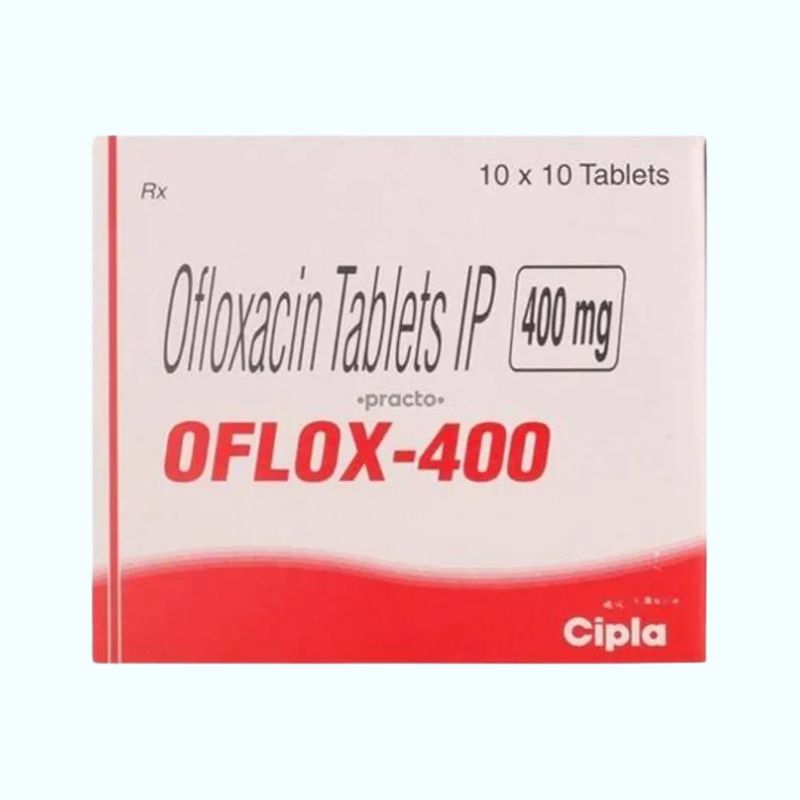
Oflox (Ofloxacin): A Comprehensive Medical SEO Guide for Healthcare Professionals and Patients
As an expert medical SEO copywriter and orthopedic specialist, I understand the critical need for accurate, comprehensive, and accessible information regarding pharmaceutical agents. This guide delves into Oflox (ofloxacin), a widely utilized fluoroquinolone antibiotic, providing a robust overview for both healthcare providers and patients seeking to understand its therapeutic applications, mechanisms, and safety profile.
1. Comprehensive Introduction & Overview of Oflox (Ofloxacin)
Ofloxacin, commonly marketed under brand names like Oflox, Floxin, and Ocuflox, is a synthetic broad-spectrum antibacterial agent belonging to the fluoroquinolone class. First introduced for clinical use in the 1980s, it has proven effective against a wide range of gram-positive and gram-negative bacteria, as well as some atypical organisms. Its versatility has made it a cornerstone in treating various bacterial infections across multiple body systems.
The significance of Ofloxacin lies in its ability to penetrate various tissues and fluids effectively, making it a valuable option for systemic infections. However, like all potent antibiotics, its use requires careful consideration of its benefits against potential risks, especially in light of increasing antibiotic resistance and specific adverse effect profiles associated with fluoroquinolones. This guide aims to demystify Ofloxacin, offering a detailed perspective on its pharmacological attributes and clinical utility.
2. Deep-dive into Technical Specifications & Mechanisms
Understanding how Ofloxacin works at a molecular level is crucial for appreciating its efficacy and potential limitations.
2.1. Mechanism of Action (MOA)
Ofloxacin exerts its bactericidal effect by targeting essential enzymes involved in bacterial DNA replication, transcription, repair, and recombination. Specifically, it inhibits two key bacterial type II topoisomerases:
- DNA Gyrase (Topoisomerase II): This enzyme is crucial for introducing negative supercoils into bacterial DNA, which is essential for DNA replication and transcription. Ofloxacin binds to and inhibits DNA gyrase, preventing the uncoiling and recoiling processes, leading to double-strand breaks in bacterial DNA.
- Topoisomerase IV: This enzyme plays a vital role in separating replicated chromosomal DNA into daughter cells during cell division. Inhibition of Topoisomerase IV by Ofloxacin prevents the decatenation of DNA, ultimately halting bacterial cell division.
By disrupting these fundamental processes, Ofloxacin effectively leads to the death of bacterial cells, rather than merely inhibiting their growth (bacteriostatic effect). This bactericidal action is a hallmark of fluoroquinolone antibiotics.
2.2. Pharmacokinetics
The journey of Ofloxacin within the body is characterized by efficient absorption, wide distribution, minimal metabolism, and predominantly renal excretion.
- Absorption:
- Ofloxacin is well absorbed from the gastrointestinal tract following oral administration.
- Peak plasma concentrations are typically achieved within 1-2 hours.
- Oral bioavailability is high, usually exceeding 90%, allowing for comparable efficacy between oral and intravenous routes.
- Food intake generally has a minimal effect on its absorption, although it may slightly delay peak concentrations.
- Distribution:
- Ofloxacin distributes widely into body tissues and fluids, including the lungs, bronchial mucosa, sputum, prostate, skin, bone, bile, and cerebrospinal fluid (to a limited extent).
- Its volume of distribution is relatively large, indicating good tissue penetration.
- Plasma protein binding is low (approximately 20-25%), meaning a significant portion of the drug is free and pharmacologically active.
- Metabolism:
- Ofloxacin undergoes minimal metabolism in humans.
- Less than 5% of the administered dose is metabolized, primarily to desmethyl ofloxacin and ofloxacin N-oxide, which have minor antibacterial activity.
- Elimination:
- The primary route of elimination is renal excretion, with 70-80% of an administered dose excreted unchanged in the urine within 24-48 hours.
- The elimination half-life typically ranges from 5 to 8 hours, allowing for once or twice-daily dosing.
- Dosage adjustments are necessary in patients with impaired renal function to prevent drug accumulation.
Table 1: Key Pharmacokinetic Parameters of Ofloxacin
| Parameter | Value/Description |
|---|---|
| Bioavailability (Oral) | >90% |
| Peak Plasma Time (Tmax) | 1-2 hours |
| Protein Binding | 20-25% (low) |
| Volume of Distribution | 2.4-3.5 L/kg (wide tissue penetration) |
| Metabolism | Minimal hepatic metabolism (<5%) |
| Elimination Half-life | 5-8 hours |
| Primary Excretion | Renal (70-80% unchanged in urine) |
3. Extensive Clinical Indications & Usage
Ofloxacin's broad-spectrum activity makes it suitable for treating a variety of bacterial infections. It is available in oral, intravenous, ophthalmic, and otic formulations, catering to diverse clinical needs.
3.1. Detailed Indications
- Respiratory Tract Infections:
- Acute bacterial exacerbation of chronic bronchitis (ABECB)
- Community-acquired pneumonia (CAP)
- Acute sinusitis (when other first-line agents are inappropriate)
- Urinary Tract Infections (UTIs):
- Complicated and uncomplicated UTIs
- Acute pyelonephritis
- Cystitis
- Skin and Soft Tissue Infections:
- Uncomplicated skin and skin structure infections (e.g., cellulitis, abscesses, infected wounds)
- Sexually Transmitted Infections (STIs):
- Urethral and cervical gonorrhoea (uncomplicated)
- Non-gonococcal urethritis and cervicitis (due to Chlamydia trachomatis)
- Prostatitis:
- Chronic bacterial prostatitis
- Gastrointestinal Infections:
- Certain types of infectious diarrhea (e.g., traveler's diarrhea caused by susceptible organisms)
- Ophthalmic Infections (topical eye drops):
- Bacterial conjunctivitis
- Corneal ulcers
- Blepharitis
- Dacryocystitis
- Otic Infections (topical ear drops):
- Otitis externa (swimmer's ear)
- Chronic suppurative otitis media (CSOM) with perforated tympanic membranes
- Acute otitis media with tympanostomy tubes
3.2. Dosage Guidelines
Dosage and duration of Ofloxacin treatment vary significantly depending on the infection type, severity, patient's renal function, and formulation used. It is crucial to follow a healthcare professional's specific instructions.
Table 2: General Oral Dosage Guidelines for Adults (Typical)
| Indication | Recommended Oral Dosage (Adults) | Duration | Notes
This section provides guidance on managing an Ofloxacin overdose.
Key Principles of Overdose Management:
- Immediate Assessment: Evaluate the patient's airway, breathing, and circulation (ABC).
- Gastric Decontamination (if appropriate):
- Activated Charcoal: Consider administering activated charcoal if the overdose is recent (within 1-2 hours) and the patient is conscious and able to tolerate it. Activated charcoal can bind to the drug in the GI tract, reducing absorption.
- Gastric Lavage: Gastric lavage is generally not recommended as a routine procedure due to limited efficacy and potential complications, but might be considered in severe, life-threatening ingestions if performed very soon after ingestion.
- Supportive Care:
- Fluid Management: Maintain adequate hydration and urinary output to promote renal excretion of the drug.
- Symptomatic Treatment: Address any emergent symptoms.
- Seizures: If seizures occur, administer benzodiazepines (e.g., diazepam, lorazepam) as first-line treatment.
- Hypotension: Manage with intravenous fluids and, if necessary, vasopressors.
- Cardiac Monitoring: Continuously monitor the electrocardiogram (ECG) for QT prolongation and arrhythmias, especially if co-ingestions with other QT-prolonging drugs are suspected.
- Renal Function: Monitor kidney function and adjust fluid management as needed.
- Monitoring:
- Vital Signs: Closely monitor heart rate, blood pressure, respiratory rate, and temperature.
- Neurological Status: Assess for any changes in mental status, tremors, or seizures.
- Electrolytes: Monitor serum electrolytes, particularly potassium and magnesium, as imbalances can exacerbate cardiac arrhythmias.
- Blood Glucose: Monitor blood glucose levels due to the risk of dysglycemia.
- Liver and Renal Function Tests: Periodically check liver and kidney function.
- No Specific Antidote: There is no specific antidote for Ofloxacin overdose. Management is primarily supportive and aimed at reducing absorption and treating symptoms.
- Hemodialysis/Peritoneal Dialysis: Ofloxacin is only minimally removed by hemodialysis or peritoneal dialysis, so these are not effective measures for overdose management.
Potential Symptoms of Ofloxacin Overdose:
While specific data on human Ofloxacin overdose are limited, symptoms are expected to be an exaggeration of known adverse effects and may include:
- Gastrointestinal: Nausea, vomiting, diarrhea, abdominal pain.
- Central Nervous System (CNS): Dizziness, confusion, headache, tremors, convulsions (seizures), hallucinations, psychosis.
- Cardiovascular: QT interval prolongation, Torsades de Pointes (rare, especially with high doses or predisposing factors).
- Renal: Crystalluria (rare, with very high doses and inadequate hydration).
- Other: Tendon pain/swelling (though less likely acutely), photosensitivity reactions.
Important Note: Any suspected overdose of Ofloxacin requires immediate medical attention. Contact emergency services or a poison control center for guidance.
5. Massive FAQ Section
Here are some frequently asked questions about Oflox (ofloxacin) to provide further clarity for patients and healthcare providers.
Q1: What is Oflox used for?
A1: Oflox (ofloxacin) is a broad-spectrum antibiotic used to treat a variety of bacterial infections, including those of the urinary tract, respiratory tract, skin and soft tissues, prostate, and certain sexually transmitted infections. It is also available as eye drops for bacterial eye infections and ear drops for ear infections.
Q2: How should I take Oflox?
A2: Oflox oral tablets can usually be taken with or without food. It's important to take the medication with a full glass of water to ensure proper hydration and to follow your doctor's prescribed dosage and duration exactly. Do not crush, chew, or break extended-release tablets if applicable.
Q3: What if I miss a dose of Oflox?
A3: If you miss a dose, take it as soon as you remember. However, if it's almost time for your next scheduled dose, skip the missed dose and continue with your regular dosing schedule. Do