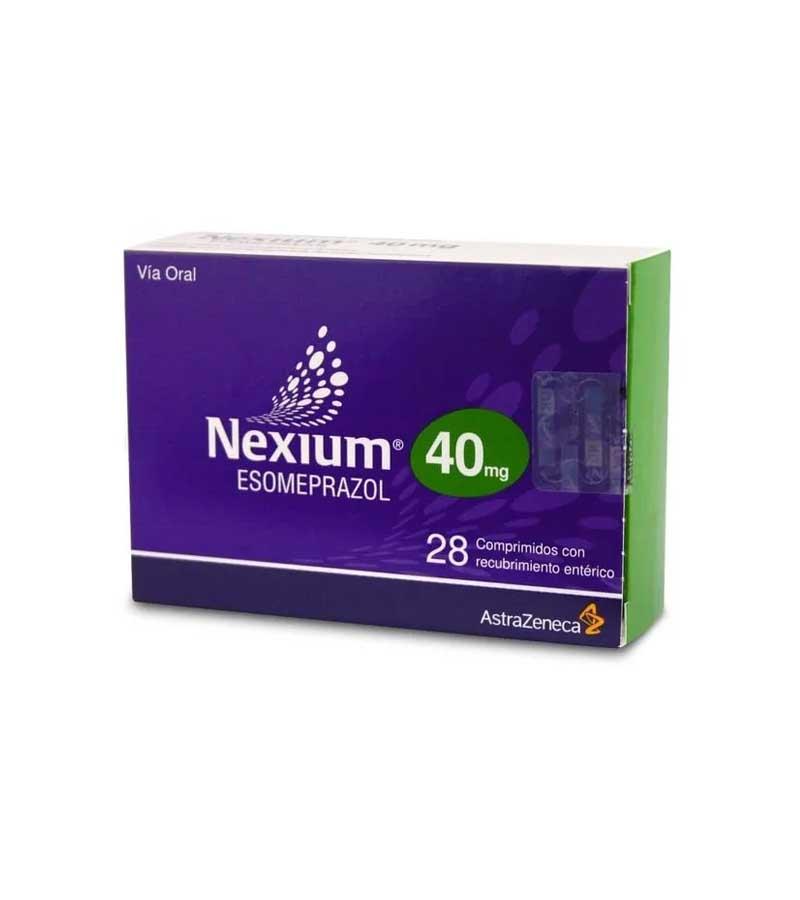
Nexium (Esomeprazole): A Comprehensive Medical SEO Guide for Acid Reflux and Gastric Health
Welcome to the definitive medical guide on Nexium (Esomeprazole), a cornerstone medication in the management of acid-related gastrointestinal disorders. As an expert Medical SEO Copywriter and Orthopedic Specialist, we understand the critical need for accurate, in-depth, and accessible information regarding vital pharmaceuticals. This guide is designed to provide healthcare professionals, patients, and caregivers with a thorough understanding of Esomeprazole, from its intricate mechanism of action to detailed clinical applications, potential risks, and management strategies.
1. Introduction & Overview of Nexium (Esomeprazole)
Nexium, known generically as Esomeprazole, is a widely prescribed medication belonging to the class of drugs called Proton Pump Inhibitors (PPIs). It is the S-isomer of omeprazole, the first PPI, and was developed to offer potentially improved pharmacokinetic properties and clinical efficacy. Esomeprazole works by profoundly and consistently reducing gastric acid secretion, making it highly effective in treating conditions caused or exacerbated by excess stomach acid.
Key Highlights:
* Drug Class: Proton Pump Inhibitor (PPI)
* Generic Name: Esomeprazole
* Brand Name: Nexium (among others)
* Primary Function: Reduces stomach acid production
* Formulations: Available in delayed-release capsules, oral suspension, and intravenous injection.
Its introduction revolutionized the treatment landscape for conditions such as Gastroesophageal Reflux Disease (GERD), peptic ulcers, and Zollinger-Ellison Syndrome, significantly improving the quality of life for millions worldwide.
2. Deep-Dive into Technical Specifications & Mechanisms
Understanding how Esomeprazole works at a cellular level is crucial for appreciating its therapeutic power.
2.1. Mechanism of Action
Esomeprazole exerts its therapeutic effect by specifically and irreversibly inhibiting the H+/K+-ATPase enzyme system, more commonly known as the "proton pump," located on the secretory surface of the gastric parietal cells.
- Prodrug Activation: Esomeprazole is a weak base and is administered as a prodrug. It is rapidly absorbed and then concentrated in the acidic secretory canaliculi of the parietal cells.
- Conversion to Active Form: In this highly acidic environment, Esomeprazole is protonated and converted into its active sulfonamide form.
- Irreversible Binding: The active sulfonamide then binds covalently and irreversibly to cysteine residues on the H+/K+-ATPase enzyme. This irreversible binding prevents the final step of acid secretion, leading to a profound and long-lasting inhibition of both basal and stimulated gastric acid production.
- Duration of Effect: Because the binding is irreversible, the acid-suppressing effect persists until new proton pumps are synthesized and inserted into the parietal cell membrane, which typically takes 24-48 hours. This explains why once-daily dosing is effective.
2.2. Pharmacokinetics
The journey of Esomeprazole through the body involves several key pharmacokinetic processes:
-
Absorption:
- Esomeprazole is acid-labile, hence it is formulated as an enteric-coated granule in delayed-release capsules or oral suspensions to protect it from degradation by gastric acid.
- Absorption occurs rapidly after the granules leave the stomach.
- Peak plasma concentrations (Cmax) are reached within approximately 1 to 2 hours.
- Bioavailability is approximately 64% after a single 40 mg dose and increases to about 89% with repeated once-daily administration, likely due to reduced first-pass metabolism as gastric acid secretion decreases.
- Food intake can delay and decrease the absorption of Esomeprazole, which is why it is generally recommended to take it at least one hour before a meal.
-
Distribution:
- Esomeprazole is highly plasma protein bound (approximately 97%).
- The apparent volume of distribution in healthy subjects is approximately 16 L.
-
Metabolism:
- Esomeprazole is extensively metabolized in the liver by the cytochrome P450 (CYP) enzyme system.
- The primary metabolizing enzyme is CYP2C19, responsible for the formation of hydroxylated and demethylated metabolites.
- CYP3A4 is also involved, forming esomeprazole sulfone.
- Genetic polymorphism in CYP2C19 can significantly affect Esomeprazole metabolism, leading to categories of "extensive metabolizers" and "poor metabolizers." Poor metabolizers of CYP2C19 have higher plasma levels of Esomeprazole.
-
Excretion:
- The metabolites of Esomeprazole are primarily excreted in the urine (approximately 80%) and feces (approximately 20%).
- The plasma elimination half-life is short, about 1 to 1.5 hours, but the duration of acid suppression is much longer due to the irreversible binding to the proton pump.
-
Special Populations:
- Elderly: No significant age-related changes in Esomeprazole pharmacokinetics are observed.
- Renal Impairment: No dose adjustment is needed as Esomeprazole's metabolites are largely inactive and renal excretion of the parent drug is minimal.
- Hepatic Impairment: In patients with severe hepatic impairment, the systemic exposure (AUC) of Esomeprazole may be increased. Dose reduction may be considered for severe impairment.
3. Extensive Clinical Indications & Usage
Esomeprazole is indicated for a wide range of acid-related conditions, providing significant relief and promoting healing.
3.1. Detailed Indications
| Indication | Description