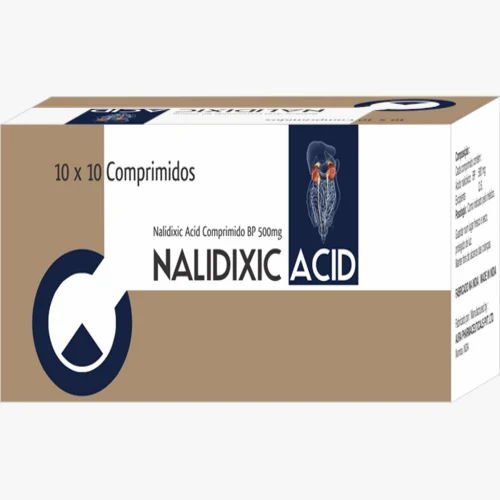
Nalidixic Acid: A Comprehensive Medical SEO Guide
Nalidixic acid, identified as ID:316, stands as a historically significant first-generation quinolone antibiotic. Introduced into clinical practice in the 1960s, it marked a pivotal advancement in antimicrobial therapy as one of the first synthetic quinolones. While modern medicine has seen the advent of more potent and broader-spectrum fluoroquinolones, nalidixic acid retains its relevance in specific clinical scenarios, primarily due to its targeted efficacy against certain Gram-negative bacteria causing urinary tract infections (UTIs) and its distinct pharmacokinetic profile.
This exhaustive guide, crafted by an expert Medical SEO Copywriter and Orthopedic Specialist, aims to provide an authoritative overview of nalidixic acid. We will delve into its intricate mechanism of action, pharmacokinetic properties, detailed clinical indications, precise dosage guidelines, critical contraindications, potential drug interactions, warnings for pregnancy and lactation, and essential overdose management strategies. Our goal is to equip healthcare professionals and informed patients with a thorough understanding of this foundational antimicrobial agent.
Deep-Dive into Technical Specifications & Mechanisms
Understanding the scientific underpinnings of nalidixic acid is crucial for appreciating its therapeutic role and limitations.
Chemical Structure & Class
Nalidixic acid is a synthetic 4-quinolone carboxylic acid derivative. It is the progenitor of the quinolone class, predating the development of fluoroquinolones (e.g., ciprofloxacin, levofloxacin), which incorporate a fluorine atom into their chemical structure, enhancing potency and spectrum. As a non-fluorinated quinolone, its antimicrobial activity is primarily confined to specific Gram-negative pathogens.
Mechanism of Action (MOA)
The bactericidal action of nalidixic acid stems from its ability to interfere with bacterial DNA replication and transcription. Its primary targets are bacterial DNA gyrase (also known as topoisomerase II) and topoisomerase IV.
- DNA Gyrase (Topoisomerase II): This enzyme is essential for bacterial DNA replication, transcription, repair, and recombination. It introduces negative supercoils into bacterial DNA, which is necessary for compacting the genetic material and facilitating various cellular processes. Nalidixic acid binds to the DNA-gyrase complex, inhibiting its ability to reseal the DNA breaks it creates during its catalytic cycle. This leads to an accumulation of double-strand DNA breaks.
- Topoisomerase IV: While DNA gyrase is the primary target in Gram-negative bacteria, topoisomerase IV is also inhibited, especially in Gram-positive bacteria (though nalidixic acid has limited activity against Gram-positives). Topoisomerase IV is crucial for separating replicated bacterial chromosomes before cell division.
By disrupting these critical enzymes, nalidixic acid effectively arrests bacterial DNA synthesis, leading to bacterial cell death. Its selectivity for bacterial topoisomerases over human topoisomerases accounts for its relative safety profile in humans.
Pharmacokinetics
Nalidixic acid exhibits a specific pharmacokinetic profile that dictates its clinical utility, particularly its concentration in the urinary tract.
- Absorption: After oral administration, nalidixic acid is readily absorbed from the gastrointestinal tract. Peak plasma concentrations are typically achieved within 1-2 hours.
- Distribution: While well-absorbed, nalidixic acid has limited tissue penetration outside the urinary tract. It does not achieve therapeutically significant concentrations in systemic tissues, cerebrospinal fluid, or prostate gland, which limits its use for systemic infections. However, it concentrates effectively in the urine. It is approximately 93% bound to plasma proteins.
- Metabolism: Nalidixic acid undergoes significant hepatic metabolism. The primary active metabolite is hydroxynalidixic acid, which also possesses antimicrobial activity. Other metabolites include glucuronide conjugates.
- Excretion: Both the unchanged drug and its active and inactive metabolites are primarily excreted by the kidneys through glomerular filtration and tubular secretion. Approximately 80% of an oral dose is excreted in the urine within 24 hours. The plasma elimination half-life is typically 1-2.5 hours, but this can be prolonged in patients with renal impairment.
| Pharmacokinetic Parameter | Description |
|---|---|
| Absorption | Rapid and good oral absorption |
| Peak Plasma Conc. | 1-2 hours |
| Protein Binding | ~93% |
| Metabolism | Hepatic, primarily to active hydroxynalidixic acid |
| Excretion | Renal (glomerular filtration & tubular secretion) |
| Half-life | 1-2.5 hours (can increase with renal impairment) |
Extensive Clinical Indications & Usage
Nalidixic acid's clinical utility is predominantly focused on the treatment of specific infections, primarily within the urinary system.
Primary Indication: Urinary Tract Infections (UTIs)
Nalidixic acid is indicated for the treatment of acute and chronic urinary tract infections caused by susceptible Gram-negative microorganisms. These commonly include:
- Escherichia coli
- Proteus mirabilis
- Proteus vulgaris
- Klebsiella species
- Enterobacter species
It is particularly effective in uncomplicated lower UTIs (cystitis) where the infection is confined to the bladder. Its high concentration in urine makes it an ideal choice for targeting pathogens in this specific environment.
Limitations:
* Nalidixic acid is not effective against Pseudomonas aeruginosa.
* It has minimal to no activity against Gram-positive bacteria (e.g., Staphylococcus aureus, Enterococcus species).
* Due to poor tissue penetration, it is generally not recommended for pyelonephritis (kidney infection) or other systemic infections where higher tissue concentrations are required.
* The rapid development of bacterial resistance to nalidixic acid has led to its decreased use compared to newer agents. However, it can still be a valuable option in specific cases based on susceptibility testing and local resistance patterns, or when other agents are contraindicated or not tolerated.
Dosage Guidelines
Accurate dosing is critical for efficacy and minimizing adverse effects. Dosage regimens must consider patient age, weight, and renal function.
Adult Dosage
| Condition | Dosage Regimen | Duration |
|---|---|---|
| Uncomplicated UTIs | 1 gram (1000 mg) orally, four times daily | 7-14 days |
| Chronic/Suppressive Therapy | 500 mg orally, four times daily | Variable |
| Severe Infections | Initial 1 gram orally, four times daily for 1-2 weeks; then 500 mg four times daily | Up to several months (under strict medical supervision) |
Pediatric Dosage (Children > 3 months)
| Condition | Dosage Regimen | Duration |
|---|---|---|
| Uncomplicated UTIs | 55 mg/kg/day orally, divided into four equal doses | 7-14 days |
| Maximum Pediatric Dose | Not to exceed 4 grams per day. |
Important Considerations:
* Renal Impairment: Nalidixic acid should be used with caution in patients with severe renal impairment, and dosage reduction may be necessary. In cases of severe renal failure, it is generally contraindicated due to the risk of accumulation.
* Administration: Nalidixic acid can be taken with or without food. However, taking it with food may help reduce gastrointestinal upset.
* Complete the Course: Patients must be instructed to complete the entire prescribed course of therapy, even if symptoms improve, to prevent the development of resistance and ensure complete eradication of the infection.
* Hydration: Adequate hydration is recommended during treatment to prevent crystalluria.
Risks, Side Effects, and Contraindications
While generally well-tolerated for its specific indications, nalidixic acid carries a spectrum of potential risks and side effects, and its use is strictly contraindicated in certain patient populations.
Contraindications
Nalidixic acid should not be used in patients with:
- Hypersensitivity: Known allergy or severe reactions to nalidixic acid or other quinolone derivatives.
- History of Convulsive Disorders: Patients with epilepsy or other conditions predisposing to seizures, as nalidixic acid can lower the seizure threshold.
- Children Under 3 Months: Due to the theoretical risk of arthropathy (damage to cartilage in weight-bearing joints), although this is more pronounced with fluoroquinolones.
- Severe Renal or Hepatic Impairment: Accumulation of the drug and its metabolites can occur, increasing the risk of toxicity.
- Glucose-6-Phosphate Dehydrogenase (G6PD) Deficiency: Risk of hemolytic anemia.
Warnings and Precautions
- Central Nervous System (CNS) Effects: Nalidixic acid can cause a range of CNS side effects, including seizures, increased intracranial pressure, psychosis, confusion, hallucinations, and visual disturbances. Caution is advised in patients with pre-existing CNS disorders.
- Photosensitivity: Severe sunburn-like reactions can occur even with brief exposure to sunlight or artificial UV light. Patients should be advised to avoid direct sunlight, use protective clothing, and apply high-SPF sunscreens.
- Resistance Development: Rapid development of bacterial resistance can occur during treatment, especially if the dosage is inadequate or the course is not completed.
- Arthropathy: While less common than with fluoroquinolones, caution is advised in children and adolescents due to the potential for cartilage damage.
- Superinfection: Prolonged use of antibiotics can lead to the overgrowth of non-susceptible organisms, including fungi and Clostridioides difficile, potentially leading to C. difficile-associated diarrhea (CDAD).
- Crystalluria: Although rare with adequate hydration, ensure patients maintain sufficient fluid intake to prevent the formation of drug crystals in the urine.
- Visual Disturbances: Patients may experience blurred vision, double vision, or changes in color perception. These are usually reversible upon discontinuation of the drug.
- Hemolytic Anemia: Rare, but can occur, particularly in patients with G6PD deficiency.
Common Side Effects
| System Affected | Common Side Effects |
|---|---|
| Gastrointestinal | Nausea, vomiting, diarrhea, abdominal pain, indigestion |
| Central Nervous System | Headache, dizziness, drowsiness, weakness, visual disturbances (blurred vision, double vision, changes in color perception) |
| Dermatologic | Rash, pruritus (itching), photosensitivity reactions |
| Other | Eosinophilia, mild leukopenia |
Serious/Less Common Side Effects
- Seizures, toxic psychosis, increased intracranial pressure
- Cholestatic jaundice, hepatitis
- Hemolytic anemia (especially in G6PD deficient individuals)
- Anaphylactic reactions, angioedema
- Peripheral neuropathy (rare)
- Tendon rupture (extremely rare with nalidixic acid, more associated with fluoroquinones, but theoretically possible as a class effect)
Drug Interactions
Nalidixic acid can interact with several other medications, potentially altering their efficacy or increasing the risk of adverse events.
- Antacids and Cation-Containing Products: Multivalent cations (e.g., aluminum, magnesium, calcium, iron, zinc) found in antacids, sucralfate, didanosine (DDI) chewable/buffered tablets, and mineral supplements can chelate with nalidixic acid, significantly reducing its oral absorption. Administer nalidixic acid at least 2 hours before or 6 hours after these agents.
- Warfarin and Oral Anticoagulants: Nalidixic acid may enhance the anticoagulant effect of warfarin and other coumarin derivatives, leading to an increased risk of bleeding. Close monitoring of INR and prothrombin time is essential, and dosage adjustment of the anticoagulant may be required.
- Theophylline: While less pronounced than with fluoroquinolones, nalidixic acid may inhibit the metabolism of theophylline, leading to increased plasma concentrations and potential toxicity. Monitor theophylline levels if co-administered.
- Nitrofurantoin: Co-administration with nitrofurantoin may result in an antagonistic effect against certain urinary pathogens. Therefore, these two drugs should generally not be used concurrently.
- Probenecid: Probenecid can decrease the renal tubular secretion of nalidixic acid, leading to increased plasma levels and a prolonged half-life. This may increase the risk of adverse effects.
Pregnancy and Lactation Warnings
- Pregnancy Category C: Animal reproduction studies have shown an adverse effect on the fetus (e.g., arthropathy in juvenile animals), and there are no adequate and well-controlled studies in pregnant humans. Nalidixic acid should be used during pregnancy only if the potential benefit justifies the potential risk to the fetus. It is generally avoided, especially in the first trimester.
- Lactation: Nalidixic acid is excreted into breast milk. Due to the potential for serious adverse reactions in nursing infants (e.g., arthropathy, hemolytic anemia in G6PD deficient infants), a decision should be made whether to discontinue nursing or to discontinue the drug, taking into account the importance of the drug to the mother. Generally, it is not recommended for breastfeeding mothers.
Overdose Management
Acute overdosage with nalidixic acid is rare but can occur.
- Symptoms of Overdose: Symptoms may include nausea, vomiting, abdominal pain, metabolic acidosis, lethargy, confusion, somnolence, increased intracranial pressure (with bulging fontanelle in infants and children), photophobia, visual disturbances (e.g., altered color perception, usually transient), and in severe cases, seizures.
- Treatment:
- Gastric Lavage: Prompt gastric lavage may be performed to remove unabsorbed drug from the stomach.
- Activated Charcoal: Administration of activated charcoal can help reduce further absorption.
- Supportive Care: Maintain a patent airway and provide supportive care as indicated by the patient's clinical status. This includes monitoring vital signs, neurological status, and fluid and electrolyte balance.
- Hydration: Encourage adequate fluid intake to promote urinary excretion of the drug.
- Seizure Management: Seizures can be controlled with intravenous anticonvulsants (e.g., diazepam).
- Monitoring: Closely monitor the patient for several hours after ingestion for any signs of CNS toxicity.
Hemodialysis and peritoneal dialysis are generally not effective in removing significant amounts of nalidixic acid from the body.
Frequently Asked Questions (FAQ)
Q1: What is Nalidixic Acid primarily used for?
A1: Nalidixic acid is primarily used to treat acute and chronic urinary tract infections (UTIs) caused by susceptible Gram-negative bacteria such as E. coli, Proteus, Klebsiella, and Enterobacter species.
Q2: Is Nalidixic Acid considered an antibiotic?
A2: Yes, Nalidixic Acid is an antibiotic. It belongs to the first-generation quinolone class of antimicrobial agents.
Q3: How quickly does Nalidixic Acid start to work?
A3: Patients may start to feel improvement in their UTI symptoms within 24-48 hours of starting treatment. However, it's crucial to complete the full course of medication as prescribed to ensure complete eradication of the infection and prevent resistance.
Q4: What are the most common side effects of Nalidixic Acid?
A4: The most common side effects include gastrointestinal upset (nausea, vomiting, diarrhea, abdominal pain), headache, dizziness, drowsiness, and skin rash. Photosensitivity (increased sensitivity to sunlight) is also a significant common side effect.
Q5: Can I drink alcohol while taking Nalidixic Acid?
A5: While there are no direct contraindications between nalidixic acid and alcohol, alcohol consumption can worsen some of the common side effects like dizziness, headache, and gastrointestinal upset. It's generally advisable to limit or avoid alcohol during antibiotic treatment.
Q6: Is Nalidixic Acid safe during pregnancy or breastfeeding?
A6: Nalidixic acid is generally not recommended during pregnancy (Pregnancy Category C) or breastfeeding due to potential risks to the fetus or nursing infant, including theoretical concerns about cartilage damage and hemolytic anemia in G6PD deficient infants. It should only be used if the potential benefits outweigh the potential risks and under strict medical guidance.
Q7: What should I do if I miss a dose of Nalidixic Acid?
A7: If you miss a dose, take it as soon as you remember. If it is almost time for your next dose, skip the missed dose and continue with your regular dosing schedule. Do not take a double dose to make up for a missed one.
Q8: Why is Nalidixic Acid less commonly used now compared to other antibiotics?
A8: Nalidixic acid has been largely superseded by newer, broader-spectrum fluoroquinolones (like ciprofloxacin) due to its narrower spectrum of activity, rapid development of resistance, and specific side effect profile. However, it still has a role in specific cases, particularly for uncomplicated UTIs sensitive to it.
Q9: Does Nalidixic Acid cause sun sensitivity?
A9: Yes, nalidixic acid can cause significant photosensitivity reactions, leading to severe sunburn-like reactions even with minimal sun exposure. Patients are advised to avoid direct sunlight, use protective clothing, and apply high-SPF sunscreen while on this medication and for several days after stopping it.
Q10: How should I store Nalidixic Acid?
A10: Nalidixic acid should be stored at room temperature, away from moisture and direct light. Keep it out of reach of children and pets. Do not store it in the bathroom.
Q11: Is Nalidixic Acid effective against all types of UTIs?
A11: No, nalidixic acid is primarily effective against uncomplicated lower UTIs caused by specific Gram-negative bacteria. It is not effective against Pseudomonas aeruginosa, Gram-positive bacteria, or systemic infections due to poor tissue penetration.
Q12: What is the difference between Nalidixic Acid and Ciprofloxacin?
A12: Nalidixic acid is a first-generation quinolone, while ciprofloxacin is a second-generation fluoroquinolone. Ciprofloxacin has a broader spectrum of activity, including activity against Pseudomonas aeruginosa and some Gram-positive bacteria, and achieves higher tissue concentrations, making it suitable for a wider range of systemic infections beyond just UTIs. Ciprofloxacin also has a different pharmacokinetic profile and a distinct set of potential side effects, including a higher risk of tendon issues.