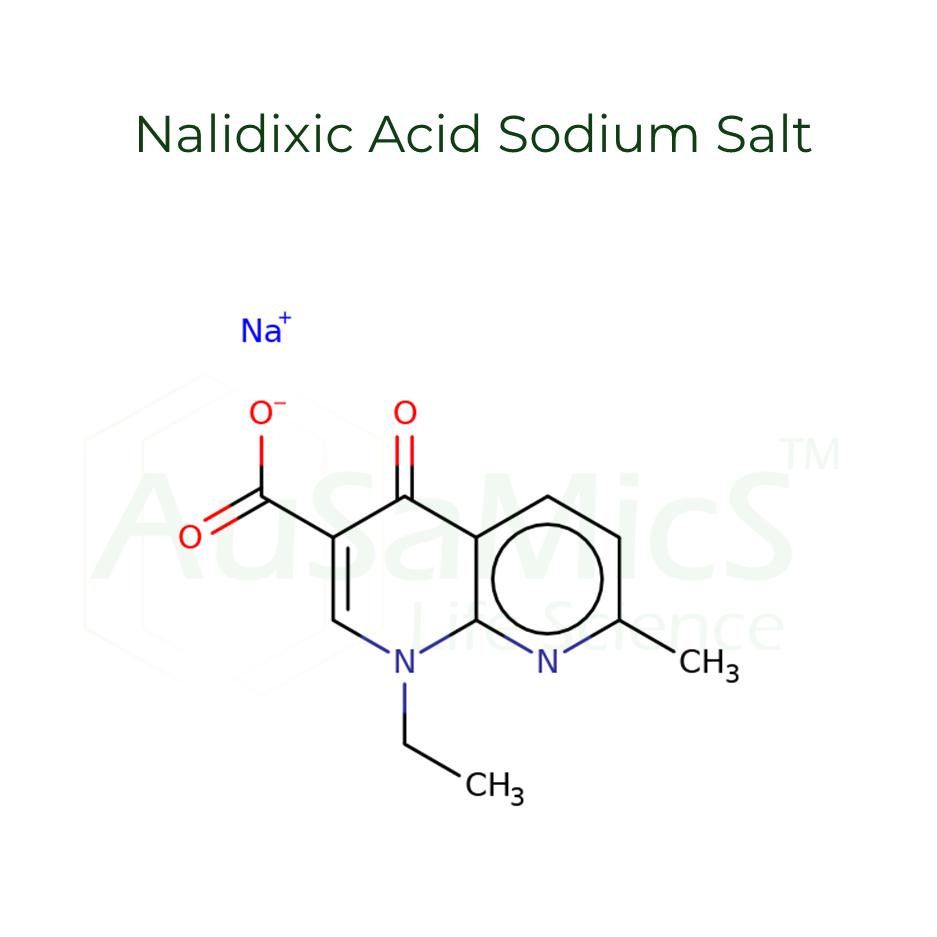
Nalidixic Acid: A Comprehensive Medical SEO Guide for Urinary Tract Infections
1. Comprehensive Introduction & Overview
Nalidixic acid stands as a landmark in antimicrobial therapy, being the first synthetic quinolone antibiotic ever developed. Introduced in 1962, it paved the way for an entire class of powerful broad-spectrum antibiotics, the fluoroquinolones, which are widely used today. While newer generations of quinolones and fluoroquinolones have largely superseded it for systemic infections due to their broader spectrum and improved pharmacokinetic profiles, nalidixic acid retains its significance as a targeted agent primarily for uncomplicated urinary tract infections (UTIs).
As a first-generation quinolone, nalidixic acid exhibits a focused spectrum of activity, predominantly against Gram-negative bacteria commonly implicated in UTIs. Its utility lies in its ability to concentrate effectively within the urinary tract, where it exerts its bactericidal effect. This guide aims to provide an exhaustive overview of nalidixic acid, delving into its intricate mechanisms, clinical applications, safety profile, and practical considerations for both healthcare professionals and patients. Understanding this foundational antibiotic is crucial for appreciating the evolution of antimicrobial resistance and the development of modern therapeutics.
2. Deep-dive into Technical Specifications / Mechanisms
2.1. Mechanism of Action: Targeting Bacterial DNA Replication
Nalidixic acid's bactericidal action stems from its ability to interfere with bacterial DNA replication and transcription, ultimately leading to bacterial cell death. Its primary molecular target within susceptible bacteria is DNA gyrase, also known as topoisomerase II.
- DNA Gyrase (Topoisomerase II): This essential bacterial enzyme is responsible for introducing negative supercoils into DNA, a critical process for DNA replication, transcription, and repair. DNA gyrase achieves this by cleaving both strands of the DNA, passing another section of DNA through the break, and then rejoining the strands.
- Inhibition by Nalidixic Acid: Nalidixic acid binds to the DNA-gyrase complex, stabilizing the cleaved DNA intermediate and preventing the religation of the DNA strands. This leads to irreversible double-strand breaks in the bacterial chromosome.
- Topoisomerase IV: While primarily targeting DNA gyrase, nalidixic acid, like other quinolones, can also inhibit topoisomerase IV, particularly in some Gram-positive bacteria. However, its activity against topoisomerase IV is significantly less potent compared to its effect on DNA gyrase in most Gram-negative bacteria, which are its primary targets.
- Bactericidal Effect: By disrupting the integrity of bacterial DNA and inhibiting its vital functions, nalidixic acid effectively kills the bacterial cells, rather than merely inhibiting their growth. This makes it a bactericidal antibiotic.
It's important to note that mammalian cells possess different types of topoisomerases that are not significantly inhibited by nalidixic acid at therapeutic concentrations, thus contributing to its selective toxicity against bacteria.
2.2. Pharmacokinetics: Absorption, Distribution, Metabolism, and Excretion (ADME)
Understanding the pharmacokinetics of nalidixic acid is crucial for optimizing its therapeutic efficacy and minimizing adverse effects.
2.2.1. Absorption
- Route: Primarily administered orally.
- Rate: Rapidly absorbed from the gastrointestinal tract.
- Peak Plasma Concentration (Tmax): Typically reached within 1-2 hours after oral administration.
- Bioavailability: Good, though not complete. Absorption can be affected by food, but taking it with food is often recommended to reduce gastrointestinal upset.
2.2.2. Distribution
- Protein Binding: Approximately 93% protein bound in plasma, primarily to albumin.
- Tissue Penetration: Nalidixic acid achieves high concentrations in the urine, making it highly effective for UTIs. However, its penetration into systemic tissues (e.g., prostate, CSF, lung) is generally poor compared to newer fluoroquinones, which limits its utility for infections outside the urinary tract.
- Volume of Distribution: Relatively low due to high protein binding and poor tissue penetration.
2.2.3. Metabolism
- Primary Site: Extensively metabolized in the liver.
- Main Metabolites:
- Hydroxynalidixic Acid: This is the major active metabolite, possessing significant antimicrobial activity comparable to the parent drug.
- Glucuronide Conjugates: Both nalidixic acid and hydroxynalidixic acid undergo glucuronidation to form inactive glucuronide conjugates, which are then excreted.
2.2.4. Elimination
- Route: Primarily excreted renally (via kidneys).
- Excretion Forms: Both unchanged nalidixic acid, active hydroxynalidixic acid, and inactive glucuronide metabolites are excreted in the urine.
- Half-life: The plasma elimination half-life of nalidixic acid is typically 1-2.5 hours, but the active metabolite, hydroxynalidixic acid, has a longer half-life, extending the duration of its antimicrobial effect in the urine.
- Renal Impairment: Patients with significant renal impairment will have reduced clearance of both the parent drug and its active metabolite, necessitating dosage adjustments to prevent accumulation and potential toxicity.
3. Extensive Clinical Indications & Usage
Nalidixic acid's clinical utility is predominantly focused on its original indication: urinary tract infections (UTIs). Its spectrum of activity and pharmacokinetic profile make it particularly well-suited for this purpose.
3.1. Primary Indication: Urinary Tract Infections (UTIs)
Nalidixic acid is indicated for the treatment of acute and chronic uncomplicated UTIs caused by susceptible Gram-negative microorganisms.
-
Susceptible Organisms:
- Escherichia coli (E. coli)
- Proteus mirabilis
- Proteus vulgaris
- Klebsiella spp.
- Enterobacter spp.
- Morganella morganii (formerly Proteus morganii)
- Some strains of Shigella spp. (though not its primary indication)
-
Limitations:
- Gram-positive Bacteria: Nalidixic acid is generally not effective against Gram-positive bacteria (e.g., Staphylococcus spp., Streptococcus spp.), which can also cause UTIs.
- Pseudomonas aeruginosa: It lacks significant activity against Pseudomonas aeruginosa, a common cause of complicated UTIs, especially in hospital settings.
- Systemic Infections: Due to poor tissue penetration outside the urinary tract, nalidixic acid is not suitable for systemic infections such as pyelonephritis (kidney infection) or prostatitis, where other agents with better tissue distribution are required.
-
Uncomplicated UTIs: This typically refers to infections in healthy, non-pregnant adults with normal urinary tract anatomy and function. For complicated UTIs or those involving underlying structural abnormalities, more potent and broader-spectrum antibiotics are usually preferred.
3.2. Diagnostic Considerations
Before initiating therapy with nalidixic acid, it is crucial to:
- Obtain Urine Culture and Sensitivity Testing: This confirms the presence of a bacterial infection and identifies the specific causative organism(s) and their susceptibility to nalidixic acid. This practice helps guide appropriate antibiotic selection and combat antimicrobial resistance.
- Consider Patient History: Evaluate for previous UTI episodes, antibiotic use, and potential risk factors.
3.3. Specific Usage Scenarios
While less common now, nalidixic acid may still be considered in certain situations:
- Resistance Patterns: In areas where local resistance patterns show good susceptibility of common UTI pathogens to nalidixic acid, it can be a viable option, especially if other first-line agents are contraindicated or ineffective.
- Cost-Effectiveness: Being an older, generic drug, nalidixic acid can be a more cost-effective treatment option compared to newer antibiotics.
- Allergy to Other Agents: For patients with allergies to common first-line UTI treatments (e.g., trimethoprim/sulfamethoxazole, nitrofurantoin), nalidixic acid might be an alternative, provided the pathogen is susceptible.
Table: Clinical Indications Summary
| Indication | Causative Organisms (Susceptible) | Notes ## 4. Risks, Side Effects, or Contraindications
While generally well-tolerated when used appropriately, nalidixic acid, like all medications, carries a risk of side effects and is contraindicated in certain patient populations.
4.1. Contraindications
Nalidixic acid should not be used in individuals with:
- Hypersensitivity: Known allergy or severe reactions to nalidixic acid or any other quinolone antibiotics.
- History of Seizures/Epilepsy: Quinolones can lower the seizure threshold.
- Porphyria: May exacerbate acute intermittent porphyria.
- Severe Renal Impairment: Due to accumulation of the drug and its metabolites.
- Severe Hepatic Impairment: Impaired metabolism can lead to drug accumulation.
- Infants under 3 months of age: Safety and efficacy not established, and potential for cartilage damage.
- Pregnancy and Lactation: Generally avoided (see specific section below).
4.2. Common Side Effects
Most side effects are mild and transient. They often include:
- Gastrointestinal:
- Nausea
- Vomiting
- Abdominal pain
- Diarrhea
- Central Nervous System (CNS):
- Headache
- Dizziness
- Drowsiness
- Visual disturbances (e.g., photophobia, blurred vision, difficulty focusing, abnormal color perception, bright lights)
- Weakness
- Dermatologic:
- Rash
- Pruritus (itching)
- Photosensitivity (increased susceptibility to sunburn upon sun exposure)
4.3. Serious or Less Common Side Effects
While rare, some side effects can be serious and warrant immediate medical attention:
- CNS Effects:
- Convulsions/Seizures
- Increased intracranial pressure (pseudotumor cerebri), especially in children. Symptoms include headache, blurred vision, papilledema.
- Psychotic reactions, confusion, hallucinations.
- Hematologic:
- Hemolytic anemia (particularly in patients with Glucose-6-Phosphate Dehydrogenase (G6PD) deficiency).
- Thrombocytopenia (low platelet count).
- Eosinophilia (increased eosinophils).
- Dermatologic:
- Severe photosensitivity reactions (blistering, severe sunburn).
- Urticaria (hives).
- Angioedema.
- Musculoskeletal:
- Arthralgia (joint pain) and myalgia (muscle pain).
- Tendonitis and tendon rupture (though less frequently reported than with fluoroquinolones, it is a class effect and caution is advised, especially in elderly patients or those on corticosteroids).
- Metabolic:
- Hypoglycemia (low blood sugar), particularly in diabetic patients concurrently taking oral hypoglycemic agents.
- Hypersensitivity Reactions:
- Anaphylaxis (rare but severe allergic reaction).
- Drug fever.
4.4. Drug Interactions
Nalidixic acid can interact with several other medications, potentially altering their efficacy or increasing the risk of adverse effects.
| Interacting Drug/Class | Effect of Interaction