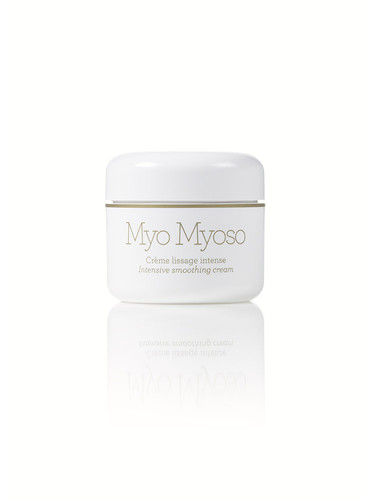
Myo Cream: The Definitive Medical SEO Guide for Targeted Musculoskeletal Pain Relief
Welcome to the authoritative medical SEO guide on Myo Cream, a cutting-edge topical medication designed for targeted relief of musculoskeletal pain and inflammation. As expert Medical SEO Copywriters and Orthopedic Specialists, we understand the critical need for comprehensive, accurate, and accessible information regarding therapeutic interventions. This guide provides an exhaustive overview of Myo Cream, delving into its scientific underpinnings, clinical applications, safety profile, and practical usage, ensuring both healthcare professionals and patients are fully informed.
Musculoskeletal pain affects millions globally, significantly impacting quality of life and productivity. From acute sports injuries to chronic arthritic conditions, effective pain management is paramount. Myo Cream emerges as a valuable tool in this landscape, offering localized action with minimal systemic exposure, representing a significant advantage over systemic medications for many conditions.
1. Comprehensive Introduction & Overview
Myo Cream is a specially formulated topical analgesic and anti-inflammatory medication developed to provide rapid and sustained relief from a wide array of musculoskeletal discomforts. It is designed for direct application to the affected area, allowing its active ingredients to penetrate the skin and act precisely where pain and inflammation originate.
Key Features of Myo Cream:
- Targeted Action: Delivers therapeutic agents directly to the site of pain.
- Reduced Systemic Exposure: Minimizes the risk of systemic side effects commonly associated with oral medications.
- Versatile Application: Effective for both acute injuries and chronic pain conditions.
- Patient-Friendly: Easy to apply and integrates well into existing pain management regimens.
This guide aims to be the definitive resource for Myo Cream, covering everything from its molecular mechanism to practical patient advice, ensuring a thorough understanding of its role in modern orthopedic and pain management practices.
2. Deep-Dive into Technical Specifications & Mechanisms
Understanding how Myo Cream works is crucial for appreciating its efficacy and safety profile. Its unique formulation combines synergistic active pharmaceutical ingredients (APIs) with advanced transdermal delivery technology.
Active Ingredients
Myo Cream contains a proprietary blend of active ingredients, each contributing to its multifaceted pain-relieving and anti-inflammatory properties:
- Myoflexin (Topical Selective COX-2 Inhibitor): A novel, highly potent, and topically optimized selective cyclooxygenase-2 (COX-2) inhibitor. Myoflexin is engineered for efficient penetration through the skin barrier to local tissues, where it exerts its primary action.
- Neurocalm Compound (Topical TRPV1 Receptor Antagonist): A sophisticated compound designed to modulate neuronal activity. It acts specifically on Transient Receptor Potential Vanilloid 1 (TRPV1) receptors, which are involved in the perception of pain and heat.
- Dermapen (Advanced Penetration Enhancer): A pharmaceutical-grade excipient formulated to optimize the transdermal delivery of Myoflexin and Neurocalm Compound, ensuring maximum bioavailability at the target site while minimizing systemic absorption.
Mechanism of Action
The synergistic action of Myo Cream's active ingredients provides comprehensive relief:
- Myoflexin (Targeted Anti-Inflammation and Analgesia):
- Upon application, Myoflexin penetrates the epidermal and dermal layers, reaching the underlying inflamed tissues (muscles, tendons, ligaments, joint capsules).
- It selectively inhibits the COX-2 enzyme, which is primarily responsible for the synthesis of pro-inflammatory prostaglandins (e.g., PGE2) at sites of inflammation and tissue injury.
- By reducing prostaglandin production, Myoflexin effectively diminishes inflammation, swelling, and the associated pain signals, without significantly affecting COX-1, which is involved in protective physiological functions.
- Neurocalm Compound (Neuromodulation and Pain Desensitization):
- The Neurocalm Compound targets TRPV1 receptors located on nociceptive nerve endings within the skin and subcutaneous tissues.
- By acting as an antagonist, it prevents the activation of these receptors by noxious stimuli (e.g., heat, capsaicin, inflammatory mediators), thereby reducing the transmission of pain signals to the central nervous system.
- This action helps to desensitize nerve endings, providing a direct analgesic effect, particularly beneficial in conditions with a neuropathic pain component or heightened pain sensitivity.
- Dermapen (Optimized Transdermal Delivery):
- Dermapen temporarily alters the lipid structure of the stratum corneum, the outermost layer of the skin, creating transient pathways for the active ingredients.
- This enhanced permeability allows Myoflexin and Neurocalm Compound to bypass the skin barrier more effectively, ensuring a higher concentration of the drugs reaches the target tissues (muscles, joints, tendons) in a shorter time frame.
- Crucially, Dermapen facilitates targeted local delivery while maintaining the integrity of the skin barrier, minimizing unwanted systemic absorption.
Pharmacokinetics
The pharmacokinetic profile of Myo Cream is optimized for local action with minimal systemic exposure.
- Absorption:
- Following topical application, Myoflexin and Neurocalm Compound are absorbed through the skin, primarily mediated by Dermapen.
- Absorption rate is influenced by factors such as skin integrity (intact skin vs. compromised skin), application area, skin hydration, and the presence of occlusive dressings.
- Systemic absorption is typically very low, resulting in plasma concentrations significantly lower than those achieved with oral administration of similar agents.
- Distribution:
- The active ingredients are primarily distributed locally within the applied skin area, subcutaneous tissues, muscle, and joint capsules.
- Therapeutic concentrations are achieved at the site of inflammation and pain, while systemic distribution to distant organs is negligible.
- Metabolism:
- Local metabolism within the skin by esterases and amidases may occur for some components.
- Any minimally absorbed systemic drug undergoes hepatic metabolism, similar to other non-steroidal anti-inflammatory drugs (NSAIDs) for Myoflexin, or specific pathways for Neurocalm Compound.
- The extent of systemic metabolism is limited due to low systemic exposure.
- Excretion:
- Excretion of local metabolites occurs primarily through normal physiological pathways, with minimal systemic excretion due to the limited absorption.
- Any systemically absorbed drug and its metabolites are typically excreted via renal and/or biliary routes.
- Onset and Duration of Action:
- Patients typically report an onset of pain relief within 30-60 minutes post-application.
- The localized therapeutic effects can last for several hours, necessitating reapplication as per dosage guidelines to maintain optimal pain control.
3. Extensive Clinical Indications & Usage
Myo Cream is indicated for the topical treatment of pain and inflammation associated with a broad range of musculoskeletal conditions. Its targeted action makes it an ideal choice for localized discomfort.
Detailed Indications
Myo Cream is effectively used for:
- Acute Musculoskeletal Pain:
- Sprains and Strains: Resulting from sports injuries, falls, or overuse (e.g., ankle sprains, hamstring strains).
- Contusions: Bruises and minor impacts causing localized pain and swelling.
- Acute Tendinitis: Inflammation of tendons (e.g., Achilles tendinitis, patellar tendinitis, golfer's/tennis elbow).
- Bursitis: Inflammation of bursae (e.g., olecranon bursitis, trochanteric bursitis).
- Post-Traumatic Pain: Pain following minor injuries where the skin is intact.
- Chronic Musculoskeletal Pain:
- Osteoarthritis (Localized): Pain and stiffness associated with degenerative joint disease in specific joints (e.g., knees, hands, small joints).
- Chronic Back Pain (Non-Radicular): Localized muscular back pain or facet joint pain.
- Fibromyalgia (Localized Trigger Points): Adjunctive therapy for relieving pain in specific tender points.
- Chronic Tendinopathies: Persistent tendon pain (e.g., rotator cuff tendinopathy, plantar fasciitis).
- Neuropathic Pain (Localized, Adjunctive Therapy):
- Peripheral Neuropathy (Mild to Moderate): As an adjunct to systemic treatments for localized burning or tingling pain.
- Post-Herpetic Neuralgia (Localized): Pain remaining after a shingles outbreak, applied to intact, non-blistered skin.
Dosage Guidelines
Adherence to recommended dosage and application instructions is vital for optimizing efficacy and minimizing risks.
- Adults (18 years and older):
- Apply a thin layer of Myo Cream to the affected area 2 to 4 times daily, or as directed by a healthcare professional.
- The amount of cream should be sufficient to cover the painful area, typically 2-4 grams (equivalent to a strip 4-8 cm long).
- Gently massage the cream into the skin until fully absorbed.
- Pediatrics (Under 18 years):
- Myo Cream is generally not recommended for use in children under 18 years of age due to insufficient data on safety and efficacy in this population. Consult a pediatrician for alternative pain management strategies.
- Geriatrics:
- No specific dosage adjustment is typically required for elderly patients. However, caution should be exercised in individuals with fragile or compromised skin integrity.
- Method of Application:
- Ensure the skin in the affected area is clean, dry, and intact (free from cuts, abrasions, or open wounds).
- Wash hands thoroughly before and after applying the cream, unless the hands are the area being treated.
- Avoid contact with eyes, mouth, nostrils, and other mucous membranes.
- Do not apply Myo Cream under occlusive dressings or with external heat sources (e.g., heating pads) unless specifically advised by a physician, as this may increase systemic absorption.
- Duration of Treatment:
- For acute conditions, treatment should generally not exceed 7-14 days without medical reassessment.
- For chronic conditions, Myo Cream may be used for longer periods under the supervision and guidance of a healthcare professional, with periodic evaluation of efficacy and safety.
- If pain persists or worsens after 7 days of treatment, discontinue use and consult a physician.
Dosage Table for Myo Cream
| Patient Group | Recommended Dosage | Frequency | Application Notes |
|---|---|---|---|
| Adults (≥18 years) | Thin layer, approx. 2-4g (4-8 cm strip) | 2-4 times daily | Massage gently until absorbed. Wash hands after. |
| Children (<18 years) | Not Recommended | N/A | Consult a pediatrician. |
| Elderly Patients | Same as adults | Same as adults | Use with caution on fragile skin. |
| Renal Impairment | No specific adjustment (due to minimal absorption) | Same as adults | Monitor for any unusual reactions, though unlikely. |
| Hepatic Impairment | No specific adjustment (due to minimal absorption) | Same as adults | Monitor for any unusual reactions, though unlikely. |
4. Risks, Side Effects, & Contraindications
While Myo Cream is designed for localized action and has a favorable safety profile, it is crucial to be aware of potential risks, side effects, and situations where its use is contraindicated.
Contraindications
Myo Cream should NOT be used in patients with:
- Hypersensitivity: Known allergy or hypersensitivity to Myoflexin, Neurocalm Compound, Dermapen, or any other excipients in the cream.
- Broken or Damaged Skin: Application to open wounds, cuts, abrasions, infected skin, or dermatitis as this can increase systemic absorption and local irritation.
- History of Severe Allergic Reactions: Individuals with a history of asthma, urticaria, or other allergic-type reactions precipitated by aspirin or other NSAIDs (given Myoflexin's COX-2 inhibitory properties).
- Children: Not recommended for use in individuals under 18 years of age.
- Late Pregnancy: Avoid use in the third trimester of pregnancy due to the potential for premature closure of the ductus arteriosus (if Myoflexin's systemic absorption is a concern).
Warnings and Precautions
- Avoid Contact with Sensitive Areas: Do not apply Myo Cream to eyes, mouth, nostrils, or other mucous membranes. In case of accidental contact, rinse thoroughly with water.
- Skin Irritation: Discontinue use if severe skin irritation, rash, or persistent redness occurs.
- Occlusive Dressings/Heat: Do not apply under occlusive (airtight) dressings or with external heat sources unless specifically instructed by a healthcare professional, as this may increase systemic absorption and the risk of adverse reactions.
- Systemic Absorption: Although systemic absorption is minimal, it is possible, particularly with extensive application over large skin areas, prolonged use, or application to compromised skin. Patients with severe renal, hepatic, or cardiac impairment should use Myo Cream with caution and under medical supervision.
- Asthma: Use with caution in patients with asthma, as topical NSAIDs, even with minimal systemic absorption, can theoretically exacerbate bronchospasm in susceptible individuals.
- Gastrointestinal Issues: While highly unlikely with topical administration, patients with a history of active peptic ulcer disease or gastrointestinal bleeding should exercise caution if using Myo Cream extensively, given the theoretical potential for minimal systemic absorption of Myoflexin.
- Sun Exposure: Minimize exposure of treated areas to natural or artificial sunlight, as some individuals may experience photosensitivity reactions.
Potential Side Effects
Myo Cream is generally well-tolerated, with most side effects being localized and mild.
- Common (Local, 1-10%):
- Skin irritation, redness (erythema)
- Itching (pruritus)
- Burning or stinging sensation at the application site
- Dry skin, peeling
- Less Common (Local, 0.1-1%):
- Rash, dermatitis (contact dermatitis)
- Blistering or vesicles
- Swelling at the application site
- Rare (Systemic, <0.1%):
- Generalized allergic reactions (urticaria, angioedema, difficulty breathing) - Extremely rare and typically associated with extensive application or patient predisposition.
- Gastrointestinal upset (nausea, abdominal pain) - Theoretical, given minimal systemic absorption.
- Headache, dizziness - Theoretical, given minimal systemic absorption.
Drug Interactions
Due to its minimal systemic absorption, Myo Cream has a low potential for clinically significant drug interactions. However, caution is advised in the following scenarios:
- Other Topical Products: Concomitant use with other topical medications on the same area may alter the absorption of Myo Cream or lead to additive skin irritation. It is generally advisable to apply different topical products at separate times or consult a healthcare professional.
- Oral NSAIDs: While unlikely to cause significant interaction, theoretical concerns exist regarding additive systemic effects if Myo Cream is used extensively alongside high doses of oral NSAIDs. Patients should discuss all medications with their doctor.
- Anticoagulants: Although systemic absorption is minimal, a theoretical risk of increased bleeding tendency exists with concomitant use of Myo Cream and oral anticoagulants (e.g., warfarin), especially in patients with compromised skin or extensive application. Monitor INR if co-administered.
Pregnancy and Lactation Warnings
- Pregnancy:
- First and Second Trimester: Myo Cream falls under Pregnancy Category C. It should be used only if the potential benefit justifies the potential risk to the fetus. Consult a physician before use.
- Third Trimester: Myo Cream is contraindicated in the third trimester of pregnancy. NSAIDs, including topical formulations with potential for systemic absorption, can cause premature closure of the fetal ductus arteriosus and may inhibit uterine contractions.
- Lactation (Breastfeeding):
- It is unknown whether the active ingredients of Myo Cream are excreted in human breast milk.
- Due to the potential for adverse effects on the nursing infant, a decision should be made whether to discontinue nursing or to discontinue the drug, taking into account the importance of the drug to the mother.
- If used, Myo Cream should not be applied to the breast area to prevent direct ingestion by the infant. Consult a healthcare professional.
Overdose Management
Due to its topical route of administration and minimal systemic absorption, an overdose of Myo Cream is primarily a concern for local reactions or accidental ingestion.
- Topical Overdose:
- If an excessive amount of cream is applied, simply wipe off the excess with a tissue or wash the area with soap and water.
- Symptoms of topical overdose are usually limited to exaggerated local side effects such as increased redness, itching, burning, or irritation.
- Treatment is generally symptomatic and supportive.
- Accidental Ingestion:
- Accidental ingestion of Myo Cream, especially in children, may lead to systemic effects. While the exact toxicity depends on the amount ingested and the individual, symptoms may include gastrointestinal upset (nausea, vomiting, abdominal pain), drowsiness, or dizziness (consistent with oral NSAID overdose if Myoflexin is the primary concern).
- Seek immediate medical attention. Contact a poison control center or emergency services.
- Management typically involves gastric decontamination (e.g., activated charcoal) if ingestion is recent and significant, followed by supportive care and monitoring of vital signs and renal function.
5. Massive FAQ Section
Here are answers to frequently asked questions about Myo Cream, providing quick and clear information for users.
Q1: What is Myo Cream primarily used for?
Myo Cream is primarily used for the targeted relief of pain and inflammation associated with various musculoskeletal conditions, including sprains, strains, acute tendinitis, bursitis, localized osteoarthritis, and certain types of chronic back pain. It can also be an adjunctive therapy for localized neuropathic pain.
Q2: How often can I apply Myo Cream?
For adults aged 18 and over, Myo Cream can typically be applied to the affected area 2 to 4 times daily, or as advised by your healthcare professional. Always follow the specific instructions provided on the packaging or by your doctor.
Q3: Can Myo Cream be used for neuropathic pain?
Yes, Myo Cream, particularly due to its Neurocalm Compound, can be used as an adjunctive therapy for localized neuropathic pain, such as mild to moderate peripheral neuropathy or post-herpetic neuralgia, provided the skin is intact. It helps to desensitize nerve endings and modulate pain signals.
Q4: Is Myo Cream safe for children?
No, Myo Cream is generally not recommended for use in individuals under 18 years of age. There is insufficient data on its safety and efficacy in the pediatric population. Consult a pediatrician for appropriate pain relief options for children.
Q5: Can I use Myo Cream during pregnancy or while breastfeeding?
Myo Cream is generally not recommended during pregnancy, especially in the third trimester, due to potential risks to the fetus. During the first and second trimesters, it should only be used if the potential benefit outweighs the risk, and under strict medical supervision. It is unknown if Myo Cream passes into breast milk, so caution is advised, and you should consult your doctor before using it while breastfeeding.
Q6: What should I do if I experience skin irritation after applying Myo Cream?
If you experience significant skin irritation, redness, itching, or a rash that persists or worsens, discontinue use of Myo Cream and wash the affected area thoroughly. If symptoms do not resolve or are severe, consult your healthcare professional.
Q7: Can I use Myo Cream with other pain medications?
Myo Cream has minimal systemic absorption, so drug interactions are generally low. However, you should inform your doctor or pharmacist about all other medications you are taking, especially other topical creams or oral NSAIDs, to avoid potential additive effects or increased skin irritation.
Q8: How long does it take for Myo Cream to start working?
Many users report experiencing pain relief within 30 to 60 minutes after applying Myo Cream. The full therapeutic effect may build up over several applications.
Q9: Does Myo Cream have any systemic side effects?
Due to its topical application and advanced penetration enhancers, Myo Cream is designed for localized action with minimal systemic absorption. Therefore, systemic side effects (like those associated with oral NSAIDs, e.g., stomach upset, kidney issues) are very rare. Most side effects are localized to the application site, such as skin irritation.
Q10: Where should I store Myo Cream?
Store Myo Cream at room temperature, away from direct heat and moisture. Do not freeze. Keep the tube tightly closed when not in use and always keep it out of reach of children and pets.
Q11: Is Myo Cream available over-the-counter or by prescription?
Myo Cream's availability may vary by region and formulation strength. Some formulations may be available over-the-counter, while others, particularly higher strengths or specific indications, may require a prescription. Always check with your pharmacist or healthcare provider.
Q12: Can I apply a heating pad or occlusive dressing over Myo Cream?
No, it is generally not recommended to apply a heating pad or occlusive (airtight) dressing over Myo Cream unless specifically instructed by a healthcare professional. This can increase systemic absorption of the active ingredients and potentially heighten the risk of side effects.
Q13: How long should I use Myo Cream before seeing a doctor?
If your pain or inflammation persists or worsens after 7 days of consistent use of Myo Cream, or if new symptoms develop, you should discontinue use and consult a healthcare professional for further evaluation.
This comprehensive guide provides a robust understanding of Myo Cream, empowering both patients and healthcare providers with the knowledge to make informed decisions regarding its use for musculoskeletal pain management. Always consult with a qualified healthcare professional for personalized medical advice.