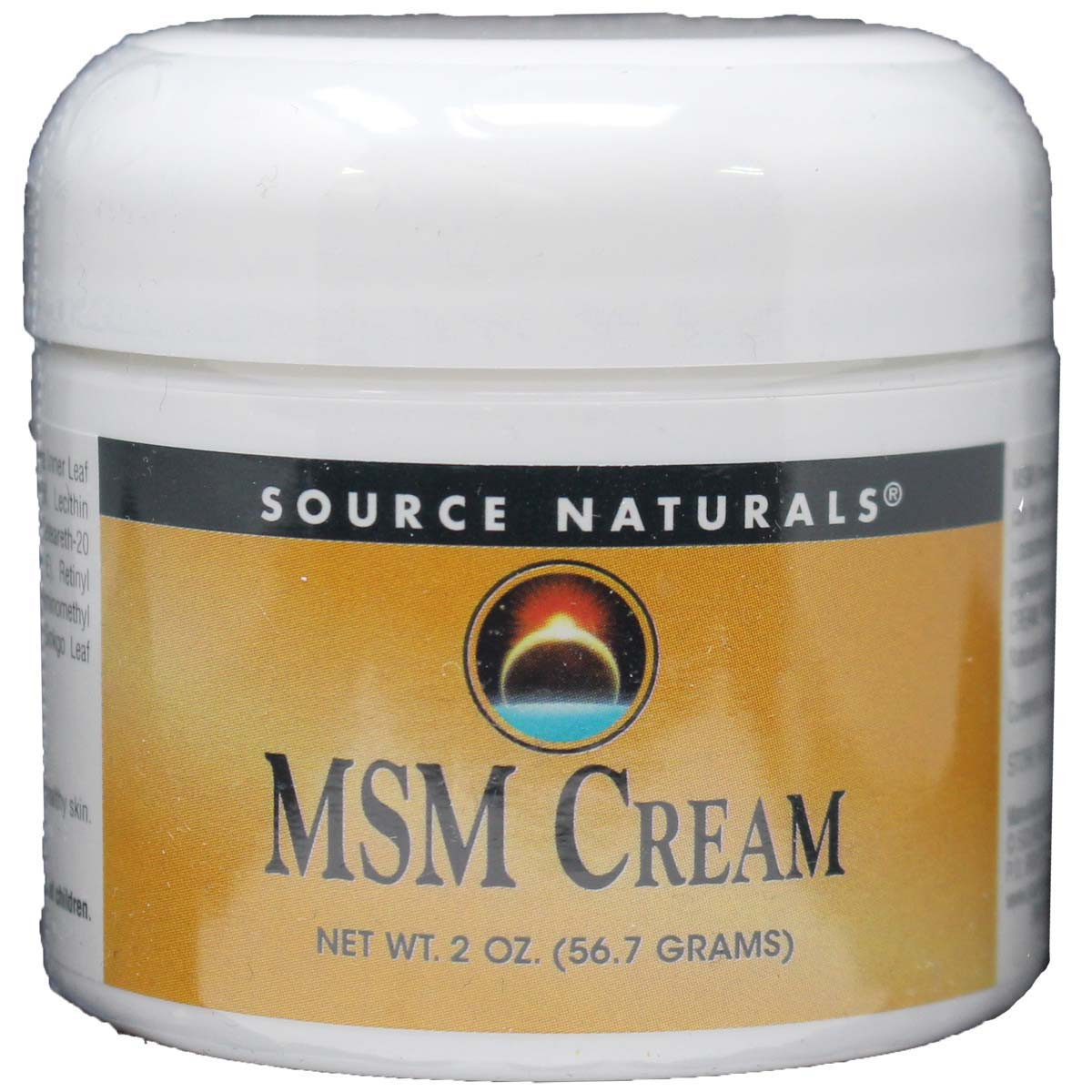
MSM Cream: A Comprehensive Medical SEO Guide to Topical Methylsulfonylmethane
As an expert in orthopedic health and medical SEO copywriting, we understand the critical need for accurate, authoritative information regarding therapeutic agents. This guide delves into Methylsulfonylmethane (MSM) cream, a popular topical application gaining traction for its potential in managing musculoskeletal pain, inflammation, and supporting skin health. We will explore its scientific underpinnings, clinical applications, safety profile, and practical usage, providing a robust resource for patients and healthcare providers alike.
Introduction to MSM Cream
Methylsulfonylmethane (MSM) is a naturally occurring organosulfur compound found in plants, animals, and humans. It is a metabolite of dimethyl sulfoxide (DMSO) and serves as a significant dietary source of sulfur, a vital element for numerous biological processes, including the formation of connective tissues, enzymes, and antioxidants. While MSM is commonly consumed orally as a dietary supplement, its topical application in cream, gel, or lotion form offers a direct route for localized relief and therapeutic benefits.
MSM cream is formulated to deliver MSM directly to the affected area, aiming to leverage its anti-inflammatory, antioxidant, and pain-relieving properties precisely where they are needed most. This targeted approach minimizes systemic exposure while maximizing local efficacy, making it an attractive option for conditions affecting joints, muscles, and skin.
Deep Dive into Technical Specifications and Mechanisms
Understanding how MSM cream works requires an appreciation of MSM's multifaceted biological activities.
What is MSM?
MSM has the chemical formula (CH₃)₂SO₂. It is a white, odorless, crystalline solid, highly soluble in water. Its primary significance in human health stems from its role as a bioavailable sulfur donor. Sulfur is the fourth most abundant mineral in the body and is crucial for the synthesis of methionine and cysteine, two sulfur-containing amino acids essential for protein structure, enzyme function, and the production of vital compounds like glutathione.
Mechanism of Action
The therapeutic effects of MSM, particularly when applied topically, are attributed to several key mechanisms:
- Anti-inflammatory Properties:
- Inhibition of NF-κB: MSM has been shown to inhibit the activation of nuclear factor kappa-light-chain-enhancer of activated B cells (NF-κB), a master regulator of inflammatory responses. By downregulating NF-κB, MSM can suppress the expression of various pro-inflammatory cytokines (e.g., TNF-α, IL-1β, IL-6) and enzymes (e.g., COX-2, iNOS) that contribute to inflammation and pain.
- Reduction of Prostaglandin Synthesis: Similar to NSAIDs, MSM may modulate the cyclooxygenase (COX) pathway, reducing the production of prostaglandins, which are lipid compounds that mediate inflammation and pain.
- Antioxidant Properties:
- Glutathione Enhancement: MSM may enhance the body's natural antioxidant capacity by supporting the synthesis of glutathione, a powerful intracellular antioxidant. Glutathione helps neutralize free radicals, reducing oxidative stress that can contribute to tissue damage and inflammation.
- Direct Free Radical Scavenging: While less prominent than its indirect effects, MSM may also directly scavenge certain reactive oxygen species, further protecting cells from oxidative damage.
- Pain Modulation:
- Inhibition of Pain Signal Transmission: Some research suggests MSM may inhibit C-fiber nerve impulses, reducing the perception of pain.
- Reduction of Muscle Spasms: By improving blood flow and reducing inflammation, MSM can help alleviate muscle spasms, which are often a component of musculoskeletal pain.
- Improved Cell Permeability: MSM may enhance cell membrane permeability, facilitating the uptake of nutrients and the removal of waste products, which can contribute to tissue healing and reduced pain.
- Connective Tissue Support:
- Collagen Synthesis: Sulfur is a critical component of collagen and keratin, proteins essential for the structural integrity of skin, hair, nails, cartilage, and other connective tissues. By providing bioavailable sulfur, MSM can support the synthesis and maintenance of these crucial proteins, potentially aiding in tissue repair and resilience.
Pharmacokinetics of Topical MSM
The pharmacokinetic profile of MSM when applied topically is distinct from oral administration, focusing on local absorption and action.
- Absorption:
- MSM is a relatively small, hydrophilic molecule, allowing for decent transdermal penetration.
- The extent of absorption is influenced by the concentration of MSM in the cream, the vehicle formulation (e.g., cream, gel, lotion), the integrity of the skin barrier, and the duration of application.
- Studies indicate that topical MSM can penetrate the stratum corneum and reach underlying tissues, including muscles and joints, delivering its effects locally.
- Distribution:
- Following topical application, MSM primarily distributes within the local tissues (epidermis, dermis, subcutaneous tissue, muscle, joint capsules).
- Systemic absorption is generally minimal, leading to very low plasma concentrations, which is a key advantage for minimizing systemic side effects.
- Metabolism and Excretion:
- Topical MSM primarily exerts its effects at the site of application. Significant metabolism within the skin or systemic excretion is not a primary concern given its localized action. Any minor systemic absorption would follow the metabolic pathways of orally ingested MSM, eventually being excreted via urine.
- Onset and Duration of Action:
- The onset of action for topical MSM can vary, with some individuals reporting relief within minutes to hours, while others may require consistent application over several days or weeks to experience optimal benefits.
- The duration of action is also localized and depends on the formulation and individual response.
Extensive Clinical Indications & Usage
MSM cream is indicated for a range of conditions, primarily focusing on musculoskeletal and dermatological issues.
Primary Orthopedic Indications
| Indication | Description | Evidence Level (General) |
|---|---|---|
| Osteoarthritis (OA) | Management of pain, stiffness, and functional impairment, particularly in the knees, hips, and hands. MSM helps reduce inflammation and supports cartilage health. | Moderate |
| Muscle Soreness | Relief from post-exercise muscle soreness (DOMS), minor strains, and general muscle fatigue. Improves recovery by reducing inflammation and oxidative stress. | Moderate |
| Tendonitis/Bursitis | Adjunctive therapy for localized inflammation and pain associated with tendon and bursa irritation (e.g., tennis elbow, shoulder bursitis). | Anecdotal/Emerging |
| Fibromyalgia | Localized pain relief for tender points and muscle aches associated with fibromyalgia. | Limited |
| Rheumatoid Arthritis | As an adjunctive topical treatment to manage localized joint pain and inflammation, complementing systemic therapies. | Limited |
| Minor Sprains/Strains | For localized pain and swelling in acute, minor musculoskeletal injuries. | Anecdotal |
Dermatological Indications (Adjunctive)
MSM's anti-inflammatory and sulfur-donating properties also lend it utility in certain skin conditions:
- Acne: Its anti-inflammatory effects can help reduce redness and swelling associated with acne lesions. Sulfur is also traditionally used in acne treatments.
- Rosacea: May help calm inflammation and reduce facial redness.
- Psoriasis and Eczema: Can contribute to skin hydration and reduce inflammatory symptoms, often used as an emollient with active ingredients.
- Scar Tissue Improvement: Supports collagen synthesis, potentially aiding in the appearance and flexibility of healing scar tissue.
- Overall Skin Health: Contributes to skin elasticity, hydration, and barrier function.
Dosage Guidelines and Administration
The specific dosage and application frequency can vary between products and individual needs. Always refer to the product label for precise instructions.
- Frequency: Typically applied 2 to 4 times daily, or as directed by a healthcare professional.
- Amount: Apply a thin, even layer of cream to the affected area.
- Application:
- Ensure the skin is clean and dry before application.
- Gently massage the cream into the skin until fully absorbed.
- Wash hands thoroughly after application, unless the hands are the area being treated.
- Avoid contact with eyes, mucous membranes, and open wounds.
- Duration of Use: Can be used for acute relief or as part of a long-term management strategy for chronic conditions. Consult a healthcare provider for prolonged use.
Risks, Side Effects, and Contraindications
While generally well-tolerated, MSM cream is not without potential risks, although these are typically mild and localized.
Contraindications
- Hypersensitivity: Individuals with a known allergy or hypersensitivity to MSM or any of the excipients (inactive ingredients) in the cream formulation should avoid its use.
- Broken or Irritated Skin: Avoid applying MSM cream to open wounds, severely abraded skin, or areas with active infections, as this could lead to increased irritation or absorption.
- Children: There is limited research on the safety and efficacy of topical MSM in pediatric populations. Use in children should only be under the guidance of a pediatrician.
Side Effects
Side effects are generally mild, transient, and localized to the application site.
* Common (Localized):
* Skin irritation (redness, itching, burning sensation)
* Dryness or peeling of the skin
* Mild stinging
* Rare (Allergic Reactions):
* Rash, hives, severe itching, swelling (especially of the face, tongue, or throat) – discontinue use immediately and seek medical attention if these occur.
Drug Interactions
Due to minimal systemic absorption, topical MSM cream is generally considered to have a very low risk of systemic drug interactions. However, local interactions with other topical agents are theoretically possible.
* Other Topical Medications: Exercise caution when applying MSM cream simultaneously with other topical medications. MSM's potential to enhance skin permeability could theoretically alter the absorption of other topically applied drugs. It is advisable to apply different topical products at separate times or consult with a pharmacist or physician.
* Oral Medications: No significant interactions with oral medications have been documented for topical MSM.
Pregnancy and Lactation Warnings
- Pregnancy: There are insufficient well-controlled studies in pregnant women to establish the safety of topical MSM during pregnancy. Therefore, it is generally advised to avoid using MSM cream during pregnancy unless clearly necessary and under the direct supervision of a healthcare provider, who can weigh the potential benefits against the unknown risks.
- Lactation: Similarly, data on the excretion of MSM into breast milk following topical application are lacking. Due to the absence of conclusive safety data, nursing mothers should exercise caution and consult their physician before using MSM cream.
Overdose Management
- Topical Overdose: An overdose from topical application is unlikely to result in systemic toxicity due to minimal systemic absorption. Excessive application may increase the risk of localized skin irritation, redness, or dryness. If excessive amounts are applied, gently wipe off the excess.
- Accidental Ingestion: While MSM is generally considered to have low toxicity, accidental ingestion of MSM cream should be managed cautiously. Symptoms might include gastrointestinal upset (nausea, vomiting, diarrhea). In case of accidental ingestion, especially in children, contact a poison control center or seek immediate medical attention. Keep MSM cream out of reach of children and pets.
Massive FAQ Section
Here are some frequently asked questions about MSM Cream:
Q1: What is MSM Cream primarily used for?
A1: MSM Cream is primarily used for localized relief of joint pain, muscle soreness, stiffness, and inflammation associated with conditions like osteoarthritis, muscle strains, and post-exercise recovery. It's also used adjunctively for certain dermatological conditions to reduce inflammation and support skin health.
Q2: How does MSM Cream work to reduce pain and inflammation?
A2: MSM works through multiple mechanisms. It acts as a sulfur donor, essential for connective tissue health. It also exhibits anti-inflammatory properties by inhibiting pro-inflammatory pathways (like NF-κB and COX-2) and possesses antioxidant capabilities by enhancing glutathione production and scavenging free radicals, thereby reducing oxidative stress and pain signals.
Q3: Is MSM Cream safe to use?
A3: For most individuals, MSM Cream is generally considered safe for topical use. Side effects are typically mild and localized, such as skin irritation. However, it's crucial to perform a patch test before widespread use, especially for sensitive skin, and to discontinue use if significant irritation occurs.
Q4: What are the potential side effects of MSM Cream?
A4: The most common side effects are localized skin reactions like redness, itching, burning, or dryness at the application site. Allergic reactions are rare but possible. If you experience severe irritation, rash, or swelling, stop use and consult a doctor.
Q5: How often should I apply MSM Cream?
A5: The typical recommendation is to apply MSM Cream 2 to 4 times daily, or as directed by the product label or your healthcare provider. Consistency is key for optimal results.
Q6: Can I use MSM Cream if I'm pregnant or breastfeeding?
A6: Due to a lack of sufficient research on its safety during pregnancy and lactation, it is generally advised to avoid using MSM Cream if you are pregnant or breastfeeding, unless specifically recommended and supervised by your doctor.
Q7: Can MSM Cream interact with other medications?
A7: Because systemic absorption of topical MSM is minimal, significant drug interactions with oral medications are highly unlikely. However, caution should be exercised when applying MSM Cream with other topical medications, as MSM might theoretically alter the absorption of other compounds. Consult your doctor or pharmacist if you are using other topical treatments.
Q8: How long does it take for MSM Cream to start working?
A8: The onset of action can vary. Some individuals report relief within minutes to hours, while others may need consistent application for several days or even weeks to experience noticeable benefits, especially for chronic conditions.
Q9: Can I use MSM Cream on broken or irritated skin?
A9: No, it is generally not recommended to apply MSM Cream to broken skin, open wounds, or severely irritated areas, as this could increase irritation or lead to discomfort. Always apply to clean, intact skin.
Q10: Is MSM Cream effective for all types of pain?
A10: MSM Cream is most effective for localized musculoskeletal pain and inflammation, such as joint pain from osteoarthritis, muscle soreness, and minor sprains. Its efficacy for neuropathic pain or widespread systemic pain may be limited.
Q11: What's the difference between oral MSM and topical MSM?
A11: Oral MSM supplements provide systemic benefits, distributing MSM throughout the body to support connective tissue, reduce inflammation, and enhance antioxidant status. Topical MSM, on the other hand, delivers a concentrated dose directly to the affected area, aiming for localized relief with minimal systemic exposure. Both forms can be complementary.
Q12: Where can I purchase MSM Cream?
A12: MSM Cream is widely available over-the-counter at pharmacies, health food stores, and online retailers. Look for reputable brands and always check the ingredient list to ensure it meets your needs and avoid any known allergens.
This comprehensive guide aims to equip you with the knowledge necessary to understand and utilize MSM cream effectively and safely, under the guidance of your healthcare professional.