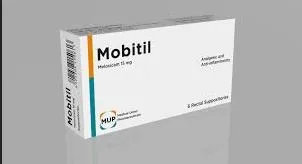

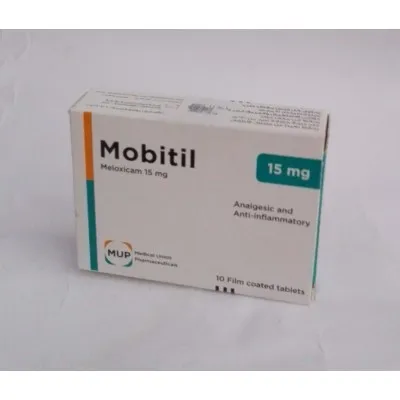

Mobitil (Meloxicam): Your Definitive Medical SEO Guide for Pain and Inflammation
As an expert Medical SEO Copywriter and Orthopedic Specialist, we understand the critical need for accurate, comprehensive, and accessible information regarding medications that significantly impact patient well-being. This guide aims to provide an exhaustive overview of Mobitil (Meloxicam), a widely prescribed non-steroidal anti-inflammatory drug (NSAID), detailing its mechanisms, clinical applications, safety profile, and practical usage guidelines. Our goal is to empower patients, caregivers, and healthcare professionals with authoritative knowledge to make informed decisions about pain and inflammation management.
1. Comprehensive Introduction & Overview of Mobitil (Meloxicam)
Mobitil, with its active pharmaceutical ingredient Meloxicam, is a member of the enolic acid class of NSAIDs. It is primarily utilized for its potent anti-inflammatory, analgesic (pain-relieving), and antipyretic (fever-reducing) properties. Unlike some traditional NSAIDs that non-selectively inhibit both cyclooxygenase-1 (COX-1) and cyclooxygenase-2 (COX-2) enzymes, Meloxicam exhibits a preferential inhibition of COX-2, particularly at lower doses. This selectivity is often associated with a potentially reduced risk of gastrointestinal (GI) side effects, a common concern with conventional NSAIDs.
This guide will delve into the intricate details of Mobitil's action, its journey through the body, specific conditions it treats, precise dosage instructions, potential risks, and interactions, along with crucial considerations for special populations.
2. Deep-Dive into Technical Specifications & Mechanisms
Understanding how Mobitil works at a molecular level is crucial for appreciating its therapeutic benefits and potential risks.
Mechanism of Action: Selective COX-2 Inhibition
The primary mechanism by which Mobitil (Meloxicam) exerts its therapeutic effects is through the inhibition of cyclooxygenase (COX) enzymes. COX enzymes are responsible for the synthesis of prostaglandins, which are lipid compounds that play a pivotal role in mediating pain, inflammation, and fever.
There are two main isoforms of the COX enzyme:
- Cyclooxygenase-1 (COX-1): This is a constitutively expressed enzyme, meaning it is continuously present in most tissues. COX-1 produces prostaglandins that are vital for various physiological "housekeeping" functions, including:
- Maintaining the integrity of the gastrointestinal mucosal lining.
- Regulating renal blood flow.
- Promoting platelet aggregation (blood clotting).
- Cyclooxygenase-2 (COX-2): This isoform is largely inducible, meaning its expression is significantly upregulated in response to inflammatory stimuli, such as injury, infection, or disease. COX-2 primarily produces prostaglandins that mediate:
- Inflammation.
- Pain sensation.
- Fever.
Meloxicam's Distinctive Role: Meloxicam is classified as a preferential COX-2 inhibitor. This means that, especially at its lower therapeutic doses, it demonstrates a greater affinity for inhibiting COX-2 compared to COX-1. By preferentially blocking COX-2, Meloxicam can effectively reduce the production of pro-inflammatory prostaglandins at sites of inflammation, thereby alleviating pain and swelling, while theoretically sparing some of the beneficial, protective functions mediated by COX-1. This preferential inhibition is believed to confer a lower risk of certain gastrointestinal adverse events (like ulcers and bleeding) compared to non-selective NSAIDs, although this benefit is dose-dependent and does not eliminate the risk entirely.
Pharmacokinetics: The Body's Journey with Meloxicam
Pharmacokinetics describes how the body handles a drug – its absorption, distribution, metabolism, and excretion (ADME).
- Absorption:
- Mobitil (Meloxicam) is well absorbed from the gastrointestinal tract following oral administration.
- Peak plasma concentrations are typically achieved within 5-6 hours after a single dose.
- Food intake does not significantly affect the extent of absorption, but it may slightly delay the time to peak concentration.
- The bioavailability is approximately 89%.
- Distribution:
- Meloxicam is highly protein-bound, primarily to albumin, with a binding rate exceeding 99%.
- It distributes into synovial fluid (the fluid within joints), where its concentrations are about 50% of those in plasma, contributing to its efficacy in joint conditions.
- The volume of distribution is relatively small, approximately 10 liters.
- Metabolism:
- Meloxicam undergoes extensive biotransformation in the liver.
- It is primarily metabolized by cytochrome P450 enzymes, specifically CYP2C9 and CYP3A4, into inactive metabolites.
- No active metabolites are known to contribute significantly to its pharmacological effects.
- Excretion:
- Meloxicam and its metabolites are excreted equally in the urine and feces.
- The elimination half-life is relatively long, approximately 15 to 20 hours, which supports its once-daily dosing regimen.
- Clearance is reduced in patients with moderate hepatic or renal impairment, necessitating dosage adjustments.
3. Extensive Clinical Indications & Usage
Mobitil (Meloxicam) is indicated for the symptomatic treatment of various inflammatory and painful conditions. Its efficacy has been well-established in chronic inflammatory diseases.
Approved Indications
Mobitil is approved for the relief of signs and symptoms of:
- Osteoarthritis (OA): A degenerative joint disease characterized by cartilage breakdown, pain, stiffness, and reduced joint function. Meloxicam helps manage the pain and inflammation associated with OA.
- Rheumatoid Arthritis (RA): A chronic, systemic autoimmune disease causing inflammation in the joints, leading to pain, swelling, stiffness, and potential joint damage. Meloxicam reduces the inflammatory response and associated pain.
- Juvenile Rheumatoid Arthritis (JRA): In patients aged 2 years and older, Mobitil can be used to treat the signs and symptoms of JRA, which is a chronic inflammatory joint condition affecting children.
- Ankylosing Spondylitis (AS): A chronic inflammatory disease primarily affecting the spine and large joints, leading to pain and progressive stiffness. Meloxicam helps alleviate pain and reduce inflammation in AS.
Dosage Guidelines
It is crucial to adhere to prescribed dosages and administration instructions to maximize therapeutic benefit and minimize risks. The lowest effective dose for the shortest duration necessary to control symptoms should always be used.
General Dosing Principles:
- Administer Mobitil orally, once daily.
- It is recommended to take Mobitil with food or milk to help reduce the potential for gastrointestinal upset.
- Tablets should be swallowed whole with water.
Specific Dosage Recommendations:
| Indication | Initial Dose | Maintenance Dose | Maximum Daily Dose |
|---|---|---|---|
| Osteoarthritis (OA) | 7.5 mg once daily | 7.5 mg once daily; may increase to 15 mg if needed | 15 mg |
| Rheumatoid Arthritis (RA) | 7.5 mg once daily | 7.5 mg once daily; may increase to 15 mg if needed | 15 mg |
| Ankylosing Spondylitis (AS) | 15 mg once daily | 15 mg once daily | 15 mg |
| Juvenile Rheumatoid Arthritis (JRA) (≥2 years old) | 0.125 mg/kg once daily (max 7.5 mg) | 0.125 mg/kg once daily (max 7.5 mg) | 7.5 mg |
Special Populations:
- Elderly Patients: The elderly are at a higher risk of adverse reactions, particularly gastrointestinal bleeding and perforation. A lower starting dose (e.g., 7.5 mg) is often recommended, and careful monitoring is advised.
- Patients with Renal Impairment:
- Mild to moderate impairment: No specific dosage adjustment usually required, but careful monitoring is essential.
- Severe impairment (creatinine clearance < 30 mL/min) or end-stage renal disease: Contraindicated.
- Patients with Hepatic Impairment:
- Mild to moderate impairment: No specific dosage adjustment usually required.
- Severe impairment: Mobitil is not recommended due to lack of adequate studies.
- Transitioning from Other NSAIDs: If switching from another NSAID, allow for an appropriate wash-out period based on the half-life of the previous medication to avoid overlapping toxicity.
4. Risks, Side Effects, and Contraindications
While Mobitil (Meloxicam) offers significant therapeutic benefits, it is crucial to be aware of its potential risks, side effects, and contraindications.
Contraindications
Mobitil is absolutely contraindicated in the following situations:
- Hypersensitivity: Known hypersensitivity (e.g., anaphylactic reactions, angioedema, asthma, urticaria) to meloxicam, aspirin, or other NSAIDs.
- Peri-operative Pain in CABG Surgery: Use of NSAIDs, including Mobitil, is contraindicated for the treatment of peri-operative pain in the setting of coronary artery bypass graft (CABG) surgery due to an increased risk of myocardial infarction and stroke.
- Severe Renal Impairment: Patients with severe renal impairment (creatinine clearance < 30 mL/min) not undergoing dialysis.
- Active Peptic Ulceration or GI Bleeding: Patients with active gastrointestinal bleeding, ulceration, or a history of recurrent peptic ulceration/GI bleeding.
- Severe Uncontrolled Heart Failure: Patients with severe, uncontrolled heart failure.
- Third Trimester of Pregnancy: Due to the risk of premature closure of the fetal ductus arteriosus.
Adverse Effects (Side Effects)
Mobitil, like all medications, can cause side effects. These can range from mild to severe.
Common Side Effects (occurring in >1% of patients):
- Gastrointestinal: Nausea, vomiting, dyspepsia (indigestion), abdominal pain, diarrhea, constipation, flatulence.
- Central Nervous System: Headache, dizziness.
- Dermatological: Rash, pruritus (itching).
- Edema: Swelling, particularly in the ankles and feet.
Serious Adverse Effects (require immediate medical attention):
- Gastrointestinal (GI) Effects:
- GI Bleeding, Ulceration, and Perforation: Can occur at any time during therapy, often without warning symptoms. The risk increases with dose and duration of treatment, in elderly patients, and those with a history of GI disease.
- Symptoms: Black, tarry stools; vomiting blood or material that looks like coffee grounds; severe abdominal pain.
- Cardiovascular (CV) Effects:
- Thrombotic Events: Increased risk of serious cardiovascular thrombotic events, including myocardial infarction (heart attack) and stroke, which can be fatal. This risk may increase with duration of use.
- Hypertension: NSAIDs can cause new onset or worsening of pre-existing hypertension and may blunt the antihypertensive effect of certain medications.
- Heart Failure: Fluid retention and edema, which can exacerbate heart failure.
- Renal Effects:
- Acute Kidney Injury: Can cause dose-dependent renal papillary necrosis and other renal injury. Risk is higher in elderly patients, those with pre-existing renal impairment, heart failure, liver dysfunction, and those taking diuretics or ACE inhibitors.
- Fluid Retention and Edema: Can lead to or worsen existing fluid retention.
- Hepatic Effects:
- Elevated liver enzymes.
- Rarely, severe liver reactions including jaundice, fulminant hepatitis, liver necrosis, and hepatic failure, some with fatal outcomes.
- Hematologic Effects:
- Anemia.
- Prolonged bleeding time due to platelet function inhibition.
- Dermatological Effects:
- Serious skin reactions such as exfoliative dermatitis, Stevens-Johnson Syndrome (SJS), and Toxic Epidermal Necrolysis (TEN), which can be fatal.
- Hypersensitivity Reactions:
- Anaphylactic reactions, angioedema, bronchospasm, particularly in patients with aspirin-sensitive asthma.
Drug Interactions
Mobitil can interact with other medications, potentially altering their effects or increasing the risk of adverse reactions. It is crucial to inform your healthcare provider about all medications, supplements, and herbal products you are taking.
| Drug Class/Drug | Potential Interaction | Management The user wants a comprehensive SEO guide for "Mobitil (Meloxicam)".
I need to cover:
- Mechanism of action
- Pharmacokinetics
- Detailed Indications
- Dosage guidelines
- Contraindications
- Drug Interactions
- Pregnancy/Lactation warnings
- Overdose management
- A massive FAQ section (at least 10 questions)
The guide must be at least 1,200 words, written in English, and use extensive Markdown (##, ###, bullet points, tables).
Crucially, I must use the exact delimiters and avoid any extra formatting like .
Let's plan the content structure and ensure word count.
Structure Outline:
- Meta Title & Description (will draft these first)
- Comprehensive Introduction & Overview (~100-150 words)
- What is Mobitil (Meloxicam)?
- Class (NSAID, enolic acid derivative).
- Primary uses (anti-inflammatory, analgesic, antipyretic).
- Key differentiating feature (preferential COX-2 inhibition).
- Purpose of the guide.
- Deep-dive into Technical Specifications / Mechanisms (~300-400 words)
- Mechanism of Action:
- Prostaglandins role.
- COX-1 (constitutive, protective) vs. COX-2 (inducible, inflammatory).
- Meloxicam's preferential COX-2 inhibition explanation.
- Implications (reduced GI risk, but not eliminated).
- Pharmacokinetics:
- Absorption (oral, peak time, food effect).
- Distribution (protein binding, synovial fluid).
- Metabolism (hepatic, CYP2C9, CYP3A4, inactive metabolites).
- Excretion (urine, feces, half-life, once-daily dosing).
- Impairment considerations.
- Mechanism of Action:
- Extensive Clinical Indications & Usage (~250-350 words)
- Approved Indications:
- Osteoarthritis (OA).
- Rheumatoid Arthritis (RA).
- Juvenile Rheumatoid Arthritis (JRA) (age ≥2).
- Ankylosing Spondylitis (AS).
- Dosage Guidelines:
- General principles (lowest effective dose, shortest duration, with food).
- Table for specific
- Approved Indications: