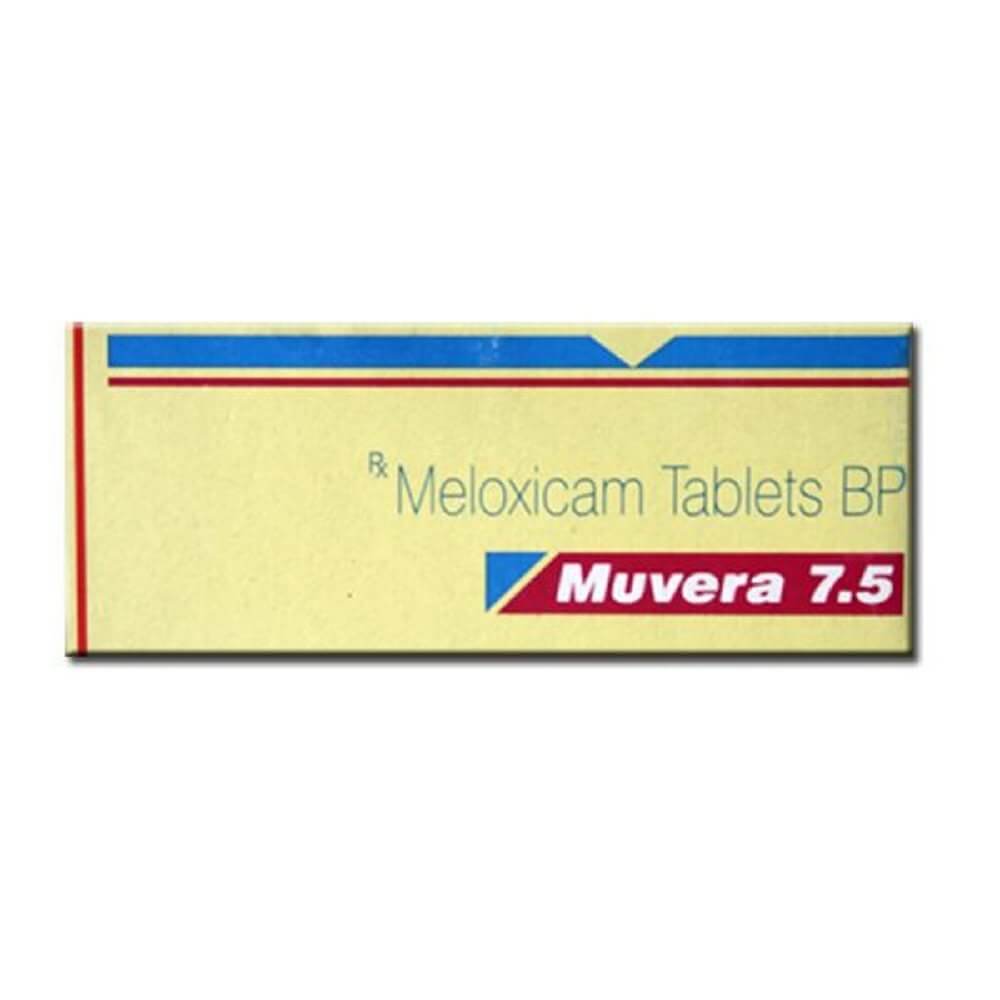
Mobic (Meloxicam): A Comprehensive Medical SEO Guide
Introduction & Overview
Mobic, the brand name for meloxicam, is a widely prescribed nonsteroidal anti-inflammatory drug (NSAID) used primarily to manage pain and inflammation associated with various arthritic conditions. As an expert medical SEO copywriter specializing in orthopedics, we understand the critical need for accurate, comprehensive, and accessible information regarding medications like Mobic. This guide will delve into meloxicam's intricate mechanisms, clinical applications, safety profile, and essential considerations to empower patients and healthcare providers with knowledge.
Meloxicam belongs to the oxicam class of NSAIDs and is distinguished by its preferential inhibition of the cyclooxygenase-2 (COX-2) enzyme over COX-1, especially at lower doses. This selective action is often touted for potentially reducing gastrointestinal side effects compared to non-selective NSAIDs, although significant risks remain. It is available in various formulations, including tablets and oral suspension, making it a versatile option for chronic pain management.
Deep-Dive into Technical Specifications & Mechanisms
Mechanism of Action
Meloxicam exerts its therapeutic effects primarily by inhibiting the synthesis of prostaglandins, which are lipid compounds that play a crucial role in mediating pain, inflammation, and fever. This inhibition occurs through the suppression of cyclooxygenase (COX) enzymes.
- Cyclooxygenase (COX) Enzymes: There are two main isoforms of COX enzymes:
- COX-1: This is a constitutively expressed enzyme found in most tissues. It is responsible for producing "housekeeping" prostaglandins involved in gastric mucosal protection, renal blood flow regulation, and platelet aggregation.
- COX-2: This enzyme is primarily induced at sites of inflammation by various stimuli, leading to the production of prostaglandins that contribute to pain, swelling, and fever.
- Meloxicam's Preferential COX-2 Inhibition: Meloxicam is classified as a preferential COX-2 inhibitor. This means that, particularly at its lower recommended doses, it exhibits a greater inhibitory effect on COX-2 than on COX-1. The rationale behind this preferential inhibition is to achieve anti-inflammatory and analgesic effects by targeting COX-2, while ideally sparing COX-1 to a greater extent, thereby reducing the incidence of gastrointestinal side effects (e.g., ulcers, bleeding) commonly associated with non-selective NSAIDs. However, it is crucial to understand that meloxicam is not a pure COX-2 selective inhibitor, and its COX-1 inhibitory activity increases with higher doses.
By reducing prostaglandin synthesis, meloxicam effectively:
* Reduces Inflammation: Decreases swelling and redness at inflammatory sites.
* Alleviates Pain: Diminishes the perception of pain signals.
* Lowers Fever: Helps to reduce elevated body temperature.
Pharmacokinetics
Understanding how meloxicam is absorbed, distributed, metabolized, and eliminated from the body is vital for appropriate dosing and predicting drug interactions.
- Absorption:
- Meloxicam is well absorbed from the gastrointestinal tract following oral administration.
- Peak plasma concentrations are typically achieved within 4 to 5 hours.
- Bioavailability is high, approximately 89%.
- Distribution:
- It is highly protein-bound, primarily to albumin (over 99%). This high protein binding implies potential for displacement interactions with other highly protein-bound drugs.
- Volume of distribution is relatively small.
- Metabolism:
- Meloxicam undergoes extensive hepatic metabolism, primarily by cytochrome P450 enzymes, specifically CYP2C9 and to a lesser extent CYP3A4.
- It is metabolized into four inactive major metabolites.
- Elimination:
- Approximately half of the dose is excreted in the urine and the other half in the feces as metabolites.
- The elimination half-life is relatively long, ranging from 15 to 20 hours, which allows for once-daily dosing.
- Renal and hepatic impairment can alter its pharmacokinetics, necessitating dose adjustments.
Extensive Clinical Indications & Usage
Meloxicam is approved for the symptomatic treatment of several chronic inflammatory conditions.
Detailed Indications
- Osteoarthritis (OA): Meloxicam is widely used for the relief of signs and symptoms of osteoarthritis, a degenerative joint disease characterized by cartilage breakdown and pain.
- Rheumatoid Arthritis (RA): It is also indicated for the relief of signs and symptoms of rheumatoid arthritis, a chronic autoimmune inflammatory disorder affecting joints.
- Juvenile Idiopathic Arthritis (JIA): For pediatric patients aged 2 years and older, meloxicam is approved for the relief of signs and symptoms of pauciarticular or polyarticular juvenile idiopathic arthritis.
- Ankylosing Spondylitis: While not a primary FDA indication in all regions, meloxicam is frequently used off-label or indicated in other countries for the symptomatic treatment of ankylosing spondylitis, a chronic inflammatory disease primarily affecting the spine.
- Acute Pain: In some clinical settings, meloxicam may be considered for acute pain management, though its long half-life makes it less ideal for "as-needed" acute pain compared to shorter-acting NSAIDs.
Dosage Guidelines
Dosage should always be individualized, using the lowest effective dose for the shortest possible duration to minimize risks.
Adult Dosage:
| Indication | Initial Dose | Maintenance Dose (Max Daily) | Administration |
|---|---|---|---|
| Osteoarthritis (OA) | 7.5 mg once daily | 7.5 mg once daily (15 mg) | With food/milk, same time daily |
| Rheumatoid Arthritis (RA) | 7.5 mg once daily | 7.5 mg once daily (15 mg) | With food/milk, same time daily |
| Severe RA (if needed) | May increase to 15 mg once daily | 15 mg once daily (15 mg) | With food/milk, same time daily |
Pediatric Dosage (Juvenile Idiopathic Arthritis):
- Age 2 years and older: 0.125 mg/kg once daily.
- Maximum daily dose: 7.5 mg.
- Administration: Oral suspension is often preferred for precise dosing in children.
Special Populations:
- Renal Impairment: Patients with mild to moderate renal impairment generally do not require dose adjustment. However, it is contraindicated in patients with severe renal impairment (CrCl < 30 mL/min) and those undergoing dialysis.
- Hepatic Impairment: Patients with mild to moderate hepatic impairment do not typically require dose adjustment. Use with caution in severe hepatic impairment, and monitoring is recommended.
- Elderly Patients: Elderly patients are at higher risk for adverse effects, particularly gastrointestinal bleeding and renal dysfunction. The lowest effective dose should be used, and careful monitoring is essential.
Risks, Side Effects, & Contraindications
Like all medications, Mobic carries potential risks and side effects. It is crucial for patients and prescribers to be fully aware of these.
Black Box Warnings (Serious Risks)
The FDA mandates "Black Box Warnings" for meloxicam due to potentially life-threatening risks:
- Cardiovascular Thrombotic Events: NSAIDs, including meloxicam, increase the risk of serious cardiovascular thrombotic events, myocardial infarction (heart attack), and stroke, which can be fatal. This risk may increase with duration of use and in patients with pre-existing cardiovascular disease or risk factors. Meloxicam is contraindicated for the treatment of peri-operative pain in the setting of coronary artery bypass graft (CABG) surgery.
- Gastrointestinal Risk: NSAIDs, including meloxicam, cause an increased risk of serious gastrointestinal adverse events including bleeding, ulceration, and perforation of the stomach or intestines, which can be fatal. These events can occur at any time during use and without warning symptoms. Elderly patients and those with a history of peptic ulcer disease and/or GI bleeding are at greater risk.
Contraindications
Meloxicam should not be used in the following situations:
- Hypersensitivity: Known hypersensitivity (e.g., anaphylactic reactions, severe asthma, urticaria) to meloxicam, aspirin, or other NSAIDs.
- Coronary Artery Bypass Graft (CABG) Surgery: For the treatment of peri-operative pain in the setting of CABG surgery.
- Active Peptic Ulcer Disease/GI Bleeding: Patients with active gastrointestinal bleeding or peptic ulceration.
- Severe Renal Impairment: Patients with advanced renal disease or those on dialysis.
- Third Trimester of Pregnancy: Due to the risk of premature closure of the fetal ductus arteriosus.
- Severe Hepatic Impairment: Use with extreme caution, often considered a contraindication.
Common Side Effects
While generally well-tolerated, some side effects are more common:
- Gastrointestinal: Nausea, dyspepsia (indigestion), abdominal pain, diarrhea, constipation, flatulence.
- Central Nervous System: Headache, dizziness.
- Renal: Edema (fluid retention), elevated blood pressure.
- Dermatologic: Rash, itching.
Serious Side Effects (Less Common, but require immediate medical attention)
- Gastrointestinal: Severe GI bleeding, ulceration, perforation.
- Cardiovascular: Myocardial infarction, stroke, worsening of heart failure, new onset hypertension.
- Renal: Acute renal failure, interstitial nephritis, nephrotic syndrome.
- Hepatic: Elevated liver enzymes, severe liver injury (rare).
- Hematologic: Anemia, thrombocytopenia, leukopenia.
- Hypersensitivity Reactions: Anaphylaxis, angioedema.
- Skin Reactions: Severe cutaneous adverse reactions (SCARs) including Stevens-Johnson Syndrome (SJS), Toxic Epidermal Necrolysis (TEN), and Drug Reaction with Eosinophilia and Systemic Symptoms (DRESS).
Drug Interactions
Meloxicam can interact with numerous other medications, potentially altering their efficacy or increasing the risk of adverse effects.
| Interacting Drug/Class | Potential Interaction