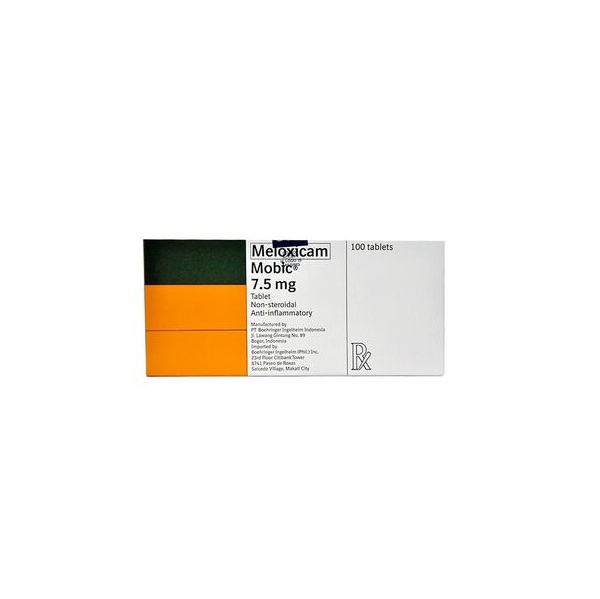
Introduction to Mobic (Meloxicam): Your Comprehensive Guide
Mobic, known generically as meloxicam, is a widely prescribed non-steroidal anti-inflammatory drug (NSAID) used to manage pain and inflammation associated with various musculoskeletal and rheumatic conditions. As an expert medical SEO copywriter and orthopedic specialist, this guide aims to provide an exhaustive, authoritative, and easy-to-understand overview of Mobic, covering its intricate mechanisms, clinical applications, safety considerations, and more.
Developed to offer effective relief while potentially minimizing certain side effects common to traditional NSAIDs, Mobic has become a cornerstone in the treatment of chronic inflammatory conditions. This guide is designed for patients, caregivers, and healthcare professionals seeking in-depth information on this important medication.
Understanding Mobic: Mechanism of Action & Pharmacokinetics
To truly appreciate Mobic's role in therapeutic management, it's crucial to delve into its scientific underpinnings – how it works within the body and how the body processes it.
Mechanism of Action: Selective COX-2 Inhibition
At its core, Mobic functions by inhibiting the cyclooxygenase (COX) enzymes, which are critical in the synthesis of prostaglandins – lipid compounds that mediate inflammation, pain, and fever. There are two primary isoforms of the COX enzyme:
- COX-1 (Constitutive): This enzyme is always present in various tissues and plays a vital "housekeeping" role. It's involved in maintaining the integrity of the gastrointestinal (GI) mucosa, regulating renal blood flow, and promoting platelet aggregation (clotting).
- COX-2 (Inducible): This enzyme is typically expressed in response to inflammatory stimuli, primarily contributing to the pain, swelling, and fever associated with injury or disease.
Most traditional NSAIDs, such as ibuprofen or naproxen, are non-selective, meaning they inhibit both COX-1 and COX-2 enzymes. While effective for pain and inflammation, this non-selective inhibition can lead to unwanted side effects, particularly GI upset and bleeding, due to the disruption of COX-1's protective functions.
Meloxicam, the active ingredient in Mobic, is classified as a preferential COX-2 inhibitor. This means that at its usual therapeutic doses, it exhibits a greater inhibitory effect on COX-2 compared to COX-1. This preferential inhibition is hypothesized to reduce the incidence of certain COX-1 mediated side effects, particularly those affecting the GI tract, while still effectively targeting the inflammatory pathways mediated by COX-2. It's important to note that this selectivity is dose-dependent and not absolute; at higher doses, meloxicam can lose some of its COX-2 preferentiality.
By reducing prostaglandin synthesis, Mobic effectively diminishes the inflammatory response, alleviates pain, and can help reduce fever.
Pharmacokinetics: How the Body Handles Mobic
The pharmacokinetic profile of Mobic determines its dosing frequency, onset of action, and duration of effect.
- Absorption:
- Mobic is well absorbed from the gastrointestinal tract after oral administration.
- Its absolute bioavailability is approximately 89%, meaning a significant portion of the drug reaches systemic circulation.
- Peak plasma concentrations are typically reached within 5 to 6 hours after a single oral dose.
- Distribution:
- Meloxicam is highly protein-bound, primarily to albumin, with over 99% binding in human plasma.
- It readily distributes into synovial fluid, the lubricating fluid found in joints, which is particularly relevant for its use in arthritic conditions.
- The volume of distribution is relatively small (approximately 10 L), indicating limited distribution into peripheral tissues.
- Metabolism:
- Mobic undergoes extensive metabolism in the liver.
- The primary metabolic pathways involve oxidation, catalyzed mainly by the cytochrome P450 enzyme CYP2C9, and to a lesser extent by CYP3A4.
- It is converted into four inactive metabolites, which are then excreted.
- Excretion:
- Approximately half of the dose is excreted in the urine and the other half in the feces, predominantly as metabolites.
- Less than 5% of the dose is excreted unchanged in the feces.
- Half-life:
- The elimination half-life of meloxicam ranges from approximately 15 to 20 hours. This relatively long half-life supports its once-daily dosing regimen, providing sustained therapeutic effects.
- Special Populations:
- Elderly: Plasma clearance may be slightly reduced, but no significant dose adjustment is usually needed unless there's significant renal or hepatic impairment.
- Renal Impairment: Clearance is significantly reduced in patients with severe renal impairment.
- Hepatic Impairment: While mild-to-moderate hepatic impairment does not significantly alter meloxicam pharmacokinetics, severe impairment warrants caution and potential dose adjustment.
Clinical Indications and Dosage Guidelines for Mobic
Mobic is approved for the symptomatic treatment of several chronic inflammatory conditions. Adherence to prescribed dosages and understanding administration guidelines are paramount for efficacy and safety.
Approved Indications
Mobic is indicated for the relief of signs and symptoms of:
- Osteoarthritis (OA): A degenerative joint disease characterized by cartilage breakdown, leading to pain, stiffness, and reduced joint function. Mobic helps manage the inflammatory component and associated pain.
- Rheumatoid Arthritis (RA): A chronic autoimmune inflammatory disorder primarily affecting joints, leading to pain, swelling, stiffness, and potential joint damage. Mobic helps reduce inflammation and pain.
- Juvenile Idiopathic Arthritis (JIA): Mobic is approved for the treatment of JIA in patients aged 2 years and older. This is a chronic inflammatory arthritis that affects children.
Dosage Guidelines
The goal of Mobic therapy is to achieve the lowest effective dose for the shortest duration necessary to control symptoms, thereby minimizing potential risks.
| Condition | Initial Dose (Oral) | Maximum Daily Dose (Oral) | Administration Notes ## Important Safety Information: Risks, Side Effects, and Contraindications
While Mobic offers significant benefits in managing chronic pain and inflammation, like all medications, it carries potential risks and side effects. Understanding these is crucial for patient safety and informed decision-making.
Black Box Warnings: Critical Safety Information
The U.S. Food and Drug Administration (FDA) requires Mobic, like other NSAIDs, to carry prominent "Black Box Warnings" due to the potential for serious adverse events.
- Cardiovascular (CV) Thrombotic Events:
- NSAIDs can increase the risk of serious, potentially fatal, cardiovascular thrombotic events, including myocardial infarction (heart attack) and stroke.
- This risk may occur early in treatment and increase with duration of use.
- Patients with known cardiovascular disease or risk factors for cardiovascular disease may be at greater risk.
- Mobic is contraindicated for the treatment of peri-operative pain in the setting of coronary artery bypass graft (CABG) surgery.
- Gastrointestinal (GI) Risk:
- NSAIDs cause an increased risk of serious gastrointestinal adverse events, including bleeding, ulceration, and perforation of the stomach or intestines, which can be fatal.
- These events can occur at any time during use and without warning symptoms.
- Elderly patients and patients with a prior history of peptoic ulcer disease and/or GI bleeding are at greater risk for serious GI events.
Contraindications: When Mobic Should NOT Be Used
Mobic is contraindicated in patients with:
- Known hypersensitivity (e.g., anaphylactic reactions, severe skin reactions) to meloxicam or any inactive component of Mobic.
- History of asthma, urticaria, or other allergic-type reactions after taking aspirin or other NSAIDs. Severe, sometimes fatal, anaphylactic-like reactions have been reported in such patients.
- Peri-operative pain in the setting of coronary artery bypass graft (CABG) surgery.
- Active gastrointestinal bleeding or peptic ulcer disease.
- Severe renal impairment (creatinine clearance <15 mL/min) not on dialysis.
- Severe hepatic impairment.
- Third trimester of pregnancy due to the risk of premature closure of the fetal ductus arteriosus.
Common Side Effects
While generally well-tolerated, Mobic can cause a range of side effects. Common ones (occurring in ≥2% of patients) include:
- Gastrointestinal:
- Dyspepsia (indigestion)
- Nausea
- Abdominal pain
- Diarrhea
- Constipation
- Flatulence
- Central Nervous System:
- Headache
- Dizziness
- Dermatologic:
- Rash
- Pruritus (itching)
- Other:
- Edema (swelling)
- Upper respiratory tract infection
- Influenza-like symptoms
Serious Side Effects (Beyond Black Box Warnings)
Beyond the black box warnings, other serious adverse events, though less common, can occur:
- Renal Toxicity:
- Acute renal failure
- Interstitial nephritis
- Nephrotic syndrome
- Papillary necrosis
- Fluid retention and edema (can exacerbate existing heart failure)
- Hepatic Toxicity:
- Elevated liver enzymes (transaminases)
- Rarely, severe liver injury, including fulminant hepatitis, liver necrosis, and hepatic failure, some with fatal outcomes.
- Hematologic Effects:
- Anemia
- Leukopenia, agranulocytosis
- Thrombocytopenia (decreased platelet count)
- Hypertension:
- NSAIDs, including Mobic, can lead to new onset hypertension or worsening of pre-existing hypertension, which may contribute to an increased incidence of cardiovascular events.
- Heart Failure:
- Fluid retention and edema associated with NSAID use can precipitate or exacerbate heart failure.
- Hypersensitivity Reactions:
- Anaphylactic reactions
- Angioedema
- Skin Reactions:
- Serious skin reactions, including exfoliative dermatitis, Stevens-Johnson Syndrome (SJS), and Toxic Epidermal Necrolysis (TEN), can occur. These can be fatal.
- Asthma Exacerbation:
- In patients with aspirin-sensitive asthma, Mobic can precipitate bronchospasm.
Drug Interactions: Important Considerations
Co-administration of Mobic with certain medications can alter its efficacy, increase the risk of side effects, or affect the action of other drugs.
| Interacting Drug/Class | Potential Effect