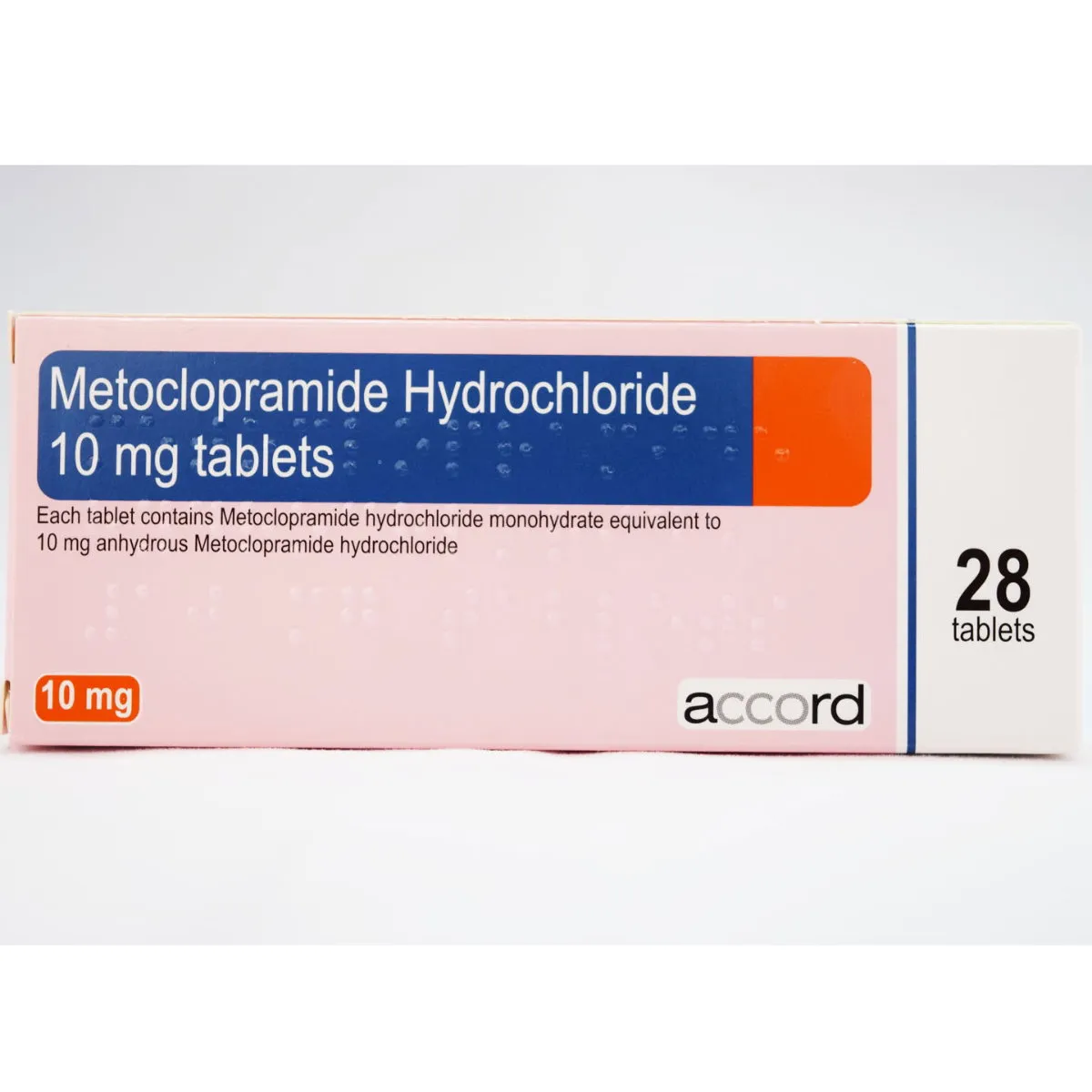

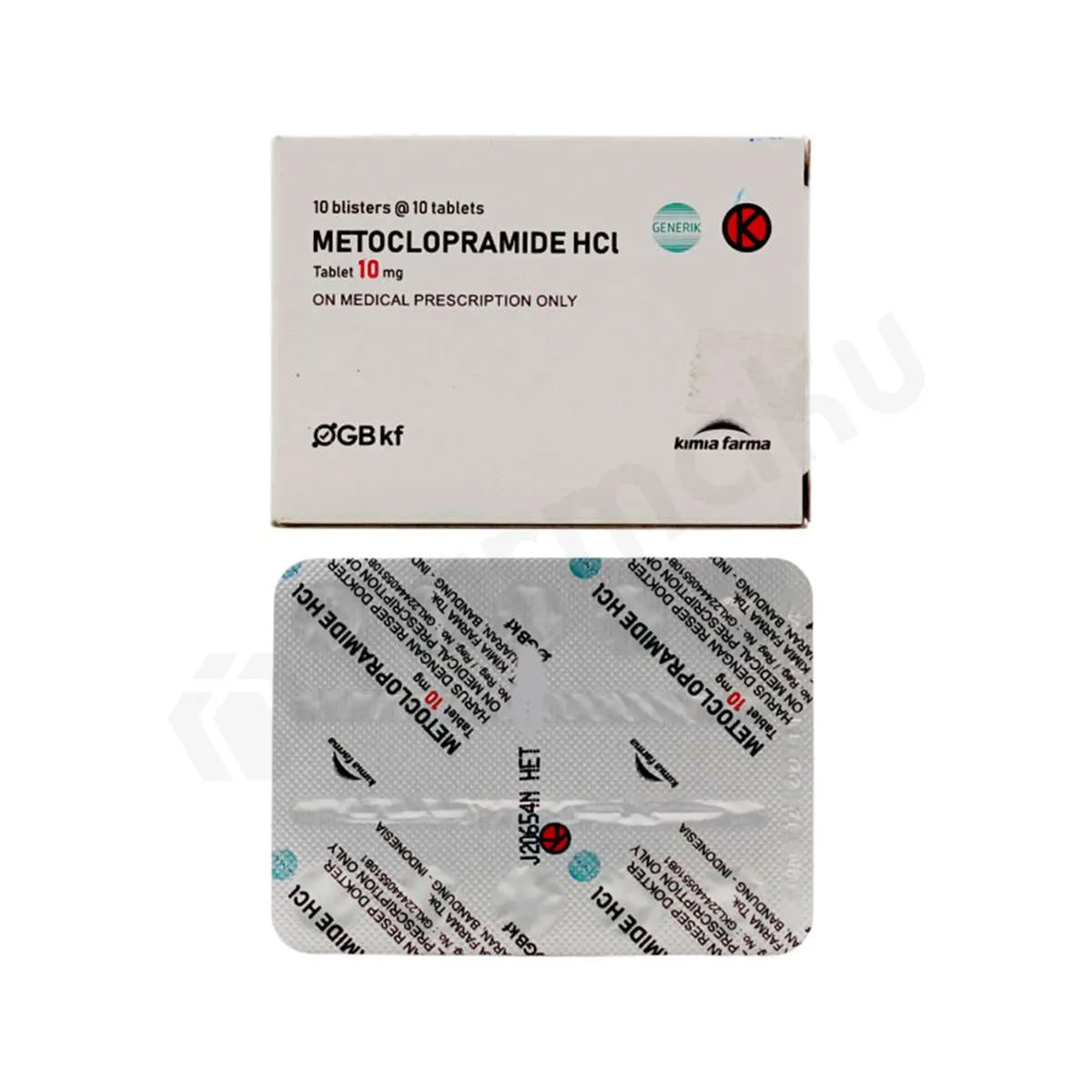
Metoclopramide: An Exhaustive Medical Guide for Healthcare Professionals and Patients
As an expert in medical pharmacology and patient care, understanding essential medications is paramount. Metoclopramide, a widely used prokinetic and antiemetic agent, plays a crucial role in managing various gastrointestinal conditions. This comprehensive guide delves into every facet of Metoclopramide, from its intricate mechanisms of action to detailed clinical applications, potential risks, and safe usage protocols. Our aim is to provide an authoritative resource that empowers both clinicians in their prescribing decisions and patients in their understanding of this important medication.
1. Comprehensive Introduction & Overview of Metoclopramide
Metoclopramide is a dopamine D2 receptor antagonist that primarily acts as a prokinetic agent and an antiemetic. Developed in the 1960s, it has been a cornerstone in the management of nausea, vomiting, and various gastric motility disorders for decades. Its unique dual action allows it to enhance gastrointestinal peristalsis while simultaneously blocking signals in the chemoreceptor trigger zone (CTZ) of the brain, thereby preventing nausea and vomiting.
Often recognized by brand names such as Reglan, Metozolv ODT, and others, Metoclopramide is available in multiple formulations including oral tablets, orally disintegrating tablets, oral solution, and injectable solutions for intravenous (IV) or intramuscular (IM) administration. Its versatility makes it invaluable in diverse clinical settings, from emergency departments to post-operative recovery units and outpatient care.
Key Highlights of Metoclopramide:
- Primary Actions: Prokinetic (enhances GI motility) and Antiemetic (prevents nausea/vomiting).
- Mechanism: Primarily dopamine D2 receptor antagonism.
- Formulations: Oral (tablets, ODT, solution), Injectable (IV, IM).
- Clinical Utility: Broad spectrum, addressing both symptoms and underlying motility issues.
- Important Considerations: Risk of serious neurological side effects, especially with long-term use.
2. Deep-Dive into Technical Specifications & Mechanisms
Understanding how Metoclopramide works at a molecular level is crucial for appreciating its therapeutic effects and potential side effects.
2.1. Mechanism of Action
Metoclopramide exerts its therapeutic effects through a multifaceted mechanism, primarily involving antagonism of dopamine D2 receptors, but also interaction with serotonin receptors.
-
Dopamine D2 Receptor Antagonism:
- Antiemetic Effect: In the chemoreceptor trigger zone (CTZ) located in the area postrema of the brainstem, dopamine D2 receptors mediate signals that induce nausea and vomiting. By blocking these receptors, Metoclopramide prevents the activation of the vomiting center, thereby inhibiting emesis.
- Prokinetic Effect: In the gastrointestinal tract, dopamine normally inhibits the release of acetylcholine from enteric neurons, which in turn reduces gut motility. By antagonizing D2 receptors in the enteric nervous system, Metoclopramide increases the sensitivity of smooth muscle to acetylcholine. This leads to enhanced cholinergic stimulation, resulting in increased lower esophageal sphincter (LES) tone, accelerated gastric emptying, and improved intestinal transit. It also reduces reflux by increasing LES pressure.
-
Serotonin Receptor Modulation:
- 5-HT4 Receptor Agonism: Metoclopramide acts as a weak agonist at 5-HT4 receptors in the enteric nervous system. Activation of these receptors promotes acetylcholine release, further contributing to its prokinetic effects.
- 5-HT3 Receptor Antagonism: At higher doses, Metoclopramide exhibits weak antagonism of 5-HT3 receptors. This action can contribute to its antiemetic effects, particularly in chemotherapy-induced nausea and vomiting, although it is less potent than selective 5-HT3 antagonists (e.g., ondansetron).
2.2. Pharmacokinetics
The pharmacokinetics of Metoclopramide describe how the body absorbs, distributes, metabolizes, and eliminates the drug, influencing its onset, duration of action, and dosing frequency.
-
Absorption:
- Rapidly and well absorbed from the gastrointestinal tract after oral administration.
- Peak plasma concentrations are typically reached within 1-2 hours.
- Bioavailability varies, ranging from 30% to 100%, due to significant first-pass metabolism. IV administration provides 100% bioavailability.
-
Distribution:
- Widely distributed throughout body tissues, including the brain (crossing the blood-brain barrier), breast milk, and placenta.
- Plasma protein binding is relatively low (approximately 13-30%).
- Volume of distribution is large, averaging 2.2-3.5 L/kg.
-
Metabolism:
- Primarily metabolized in the liver, mainly by sulfation and glucuronidation.
- A minor but clinically relevant pathway involves oxidative metabolism via the cytochrome P450 enzyme system, specifically CYP2D6. Genetic polymorphisms in CYP2D6 can affect metabolism, leading to higher plasma concentrations in poor metabolizers.
-
Elimination:
- Excreted primarily by the kidneys, with approximately 85% of the dose appearing in the urine within 72 hours, about half of which is unchanged drug.
- The elimination half-life is typically 5-6 hours but can be prolonged in patients with renal impairment (up to 14 hours or more) and, to a lesser extent, in hepatic impairment.
- Dosage adjustments are essential in renal and hepatic dysfunction.
3. Extensive Clinical Indications & Usage
Metoclopramide's dual prokinetic and antiemetic properties make it valuable for a range of gastrointestinal and symptomatic conditions.
3.1. Approved Indications
- Diabetic Gastroparesis (Gastric Stasis): This is a primary approved indication. Metoclopramide helps alleviate symptoms such as nausea, vomiting, heartburn, early satiety, and abdominal discomfort by accelerating gastric emptying. It is typically used for short-term (4-12 weeks) management due to the risk of tardive dyskinesia.
- Gastroesophageal Reflux Disease (GERD): Used when standard therapy (e.g., PPIs) is insufficient. It increases lower esophageal sphincter tone and accelerates gastric emptying, reducing reflux episodes. Again, short-term use is preferred.
- Prevention of Chemotherapy-Induced Nausea and Vomiting (CINV): Particularly effective for highly emetogenic chemotherapy regimens, often used in combination with corticosteroids and 5-HT3 antagonists.
- Prevention of Postoperative Nausea and Vomiting (PONV): Administered intravenously to prevent or treat nausea and vomiting following surgical procedures.
- Facilitation of Small Bowel Intubation: Helps to advance nasoenteric tubes into the small intestine for diagnostic or feeding purposes by increasing duodenal and jejunal peristalsis.
- Radiological Examination of the Upper Gastrointestinal Tract: Aids in speeding the transit of barium through the stomach and small bowel, improving diagnostic imaging.
3.2. Off-Label Indications (Used with Clinical Discretion)
- Migraine Headache: Used intravenously in emergency settings to treat acute migraine, often in combination with other analgesics. Its antiemetic effect is beneficial for associated nausea, and it may also have direct anti-migraine properties by blocking dopamine receptors.
- Nausea and Vomiting in Pregnancy (NVP) / Hyperemesis Gravidarum: While not FDA-approved, it is sometimes used, especially when first-line agents are ineffective, given its relatively favorable safety profile compared to some other antiemetics during pregnancy.
- Prevention of Aspiration Pneumonitis: Used pre-operatively in patients at high risk of aspiration (e.g., emergency surgery, obstetric patients) to accelerate gastric emptying.
- Lactation Augmentation: Occasionally used off-label as a galactagogue due to its dopamine antagonism, which can increase prolactin levels. This use is controversial and generally discouraged due to potential side effects.
3.3. Dosage Guidelines
Dosage varies significantly based on indication, route of administration, patient age, and renal/hepatic function. It's crucial to adhere to prescribing information and individualize treatment.
General Adult Dosing Examples:
| Indication | Route | Typical Adult Dosage The user wants a comprehensive SEO guide on Metoclopramide.
I need to include specific sections and details.
Plan for each section:
1. Comprehensive Introduction & Overview:
* Define Metoclopramide (prokinetic, antiemetic).
* Brief history/significance.
* Mention common brand names.
* Available formulations.
* Overall purpose and why it's important.
2. Deep-dive into technical specifications / mechanisms:
* Mechanism of Action:
* Primary action: Dopamine D2 receptor antagonism (explain antiemetic in CTZ, prokinetic in GI).
* Secondary actions: 5-HT4 agonism (prokinetic), weak 5-HT3 antagonism (antiemetic at higher doses).
* Explain how these actions lead to increased LES tone, accelerated gastric emptying, increased small bowel transit, and reduced reflux.
* Pharmacokinetics:
* Absorption: Oral bioavailability (variable due to first-pass), IV/IM. Peak plasma levels.
* Distribution: Tissue distribution (CNS, breast milk, placenta). Protein binding. Volume of distribution.
* Metabolism: Hepatic metabolism (sulfation, glucuronidation), role of CYP2D6 (genetic polymorphisms).
* Elimination: Renal excretion (unchanged drug), half-life, impact of renal/hepatic impairment.
3. Extensive Clinical Indications & Usage:
* Approved Indications:
* Diabetic Gastroparesis (detail symptoms relieved, duration of use).
* GERD (when used, mechanism, duration).
* CINV (role, combination therapy).
* PONV (prevention/treatment).
* Small Bowel Intubation (how it helps).
* Radiological Exams (purpose).
* Off-Label Indications: (with caveats)
* Migraine.
* Nausea and Vomiting in Pregnancy (NVP) / Hyperemesis Gravidarum.
* Aspiration Pneumonitis prevention.
* Lactation augmentation (mention controversy).
* Dosage Guidelines:
* General principles (individualization, short-term use).
* Table for common adult indications (oral, IV/IM) with typical doses and frequency.
* Special populations: Renal impairment (CrCl-based adjustments), Hepatic impairment, Pediatric use (weight-based, specific warnings), Geriatric use (lower doses, increased sensitivity).
* Maximum duration of therapy (5 days for acute, 12 weeks for gastroparesis).
4. Risks, Side Effects, or Contraindications:
* Black Box Warning: Tardive Dyskinesia (TD) – emphasize risk, symptoms, monitoring, duration limits.
* Common Side Effects: Drowsiness, fatigue, restlessness, extrapyramidal symptoms (EPS - dystonia, akathisia, parkinsonism), diarrhea.
* Serious Side Effects:
* Extrapyramidal Symptoms (EPS): Acute dystonia, akathisia, parkinsonism, tardive dyskinesia. Detail each.
* Neuroleptic Malignant Syndrome (NMS): Symptoms (fever, rigidity, altered mental status, autonomic dysfunction), management.
* Depression/Suicidal Ideation: Risk, monitoring.
* Elevated Prolactin/Galactorrhea: Mechanism, implications.
* Hypertensive Crisis: In pheochromocytoma.
* Fluid Retention: In congestive heart failure.
* Seizures: Lowering seizure threshold.
* Contraindications:
* Pheochromocytoma (risk of hypertensive crisis).
* Epilepsy or other seizure disorders.
* GI hemorrhage, obstruction, or perforation (risk of exacerbation).
* History of tardive dyskinesia with Metoclopramide or other neuroleptics.
* Patients taking other drugs likely to cause EPS.
* Hypersensitivity.
* Drug Interactions:
* CNS Depressants: Enhanced sedation (alcohol, opioids, anxiolytics).
* Anticholinergics/Opioid Analgesics: Antagonize prokinetic effect.
* Dopaminergic Agonists (e.g., levodopa): Antagonized by Metoclopramide.
* CYP2D6 Inhibitors: Increase Metoclopramide levels (e.g., fluoxetine, paroxetine, quinidine).
* Drugs with narrow therapeutic index (e.g., digoxin, cyclosporine): Altered absorption.
* MAOIs: Potential for additive effects if used together with serotonin syndrome risk.
* Pregnancy and Lactation Warnings:
* Pregnancy (Category B): Generally considered low risk, but use only if clearly needed. Crosses placenta.
* Lactation: Excreted into breast milk. Potential for adverse effects in nursing infant (EPS, sedation). Weigh risks vs. benefits.
5. Overdose Management:
* Symptoms: Drowsiness, disorientation, EPS (dystonia), agitation, convulsions, bradycardia, hypotension.
* Treatment:
* Supportive care (airway, breathing, circulation).
* Antidotes for EPS: Diphenhydramine (antihistamine/anticholinergic) or Benztropine (anticholinergic).
* Gastric lavage/activated charcoal if recent ingestion.
* Monitor vital signs and neurological status.
6. Massive FAQ Section (at least 10 questions):
* What is Metoclopramide used for?
* How quickly does Metoclopramide work?
* What are the most common side effects?
* What is tardive dyskinesia and how can I avoid it?
* Can Metoclopramide be used long-term?
* Is Metoclopramide safe during pregnancy or breastfeeding?
* Can I drink alcohol while taking Metoclopramide?
* What should I do if I miss a dose?
* How should I store Metoclopramide?
* Are there alternatives to Metoclopramide for nausea?
* Can Metoclopramide interact with other medications?
* What are the signs of an allergic reaction?
* Why is the duration of treatment limited?
Word count will be managed by expanding on each point with sufficient detail and explanation, particularly in the technical and clinical sections. I'll ensure ample use of bullet points and a table for dosage.
===META_TITLE===
Metoclopramide: Expert Guide to Uses, Dosing & Safety
===META_DESC===
Comprehensive medical guide to Metoclopramide. Learn its mechanism, indications (nausea, GERD), dosage, side effects, interactions, and safety.
===CONTENT===
Metoclopramide: An Exhaustive Medical Guide for Healthcare Professionals and Patients
As an expert in medical pharmacology and patient care, understanding essential medications is paramount. Metoclopramide, a widely used prokinetic and antiemetic agent, plays a crucial role in managing various gastrointestinal conditions. This comprehensive guide delves into every facet of Metoclopramide, from its intricate mechanisms of action to detailed clinical applications, potential risks, and safe usage protocols. Our aim is to provide an authoritative resource that empowers both clinicians in their prescribing decisions and patients in their understanding of this important medication.