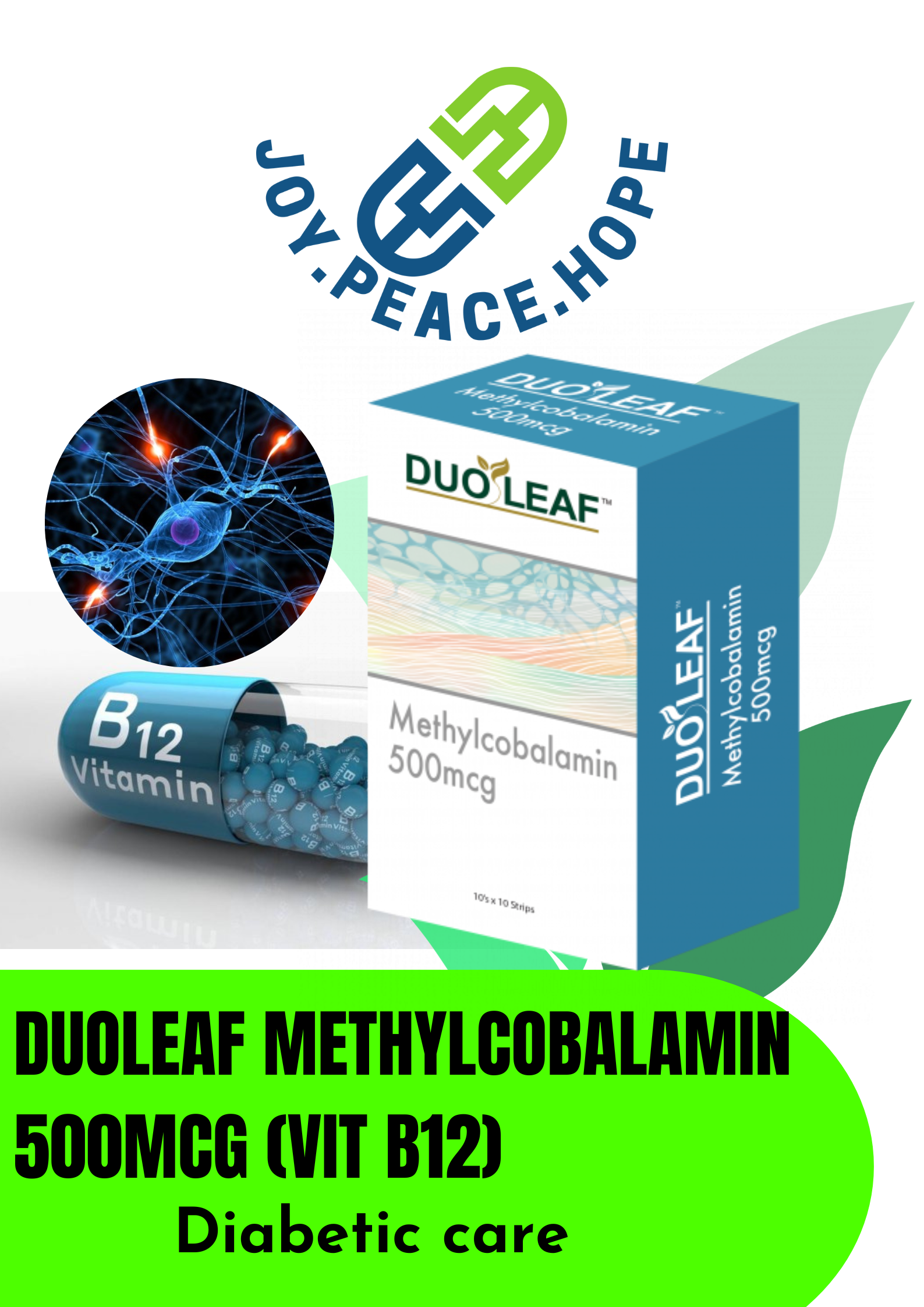
Methylcobal (Vit B12) (ID:242): The Definitive Medical SEO Guide
Comprehensive Introduction & Overview
Methylcobal, known scientifically as Methylcobalamin, is a vital coenzyme form of Vitamin B12. As an essential water-soluble vitamin, B12 plays a critical role in numerous physiological processes, particularly those involving the nervous system, red blood cell formation, and DNA synthesis. Unlike other common forms of Vitamin B12, such as cyanocobalamin, methylcobalamin is the metabolically active form, meaning it can be directly utilized by the body without requiring conversion. This makes it a preferred choice for therapeutic applications, especially when addressing neurological conditions.
Vitamin B12 deficiency is a widespread global health concern, affecting individuals across all age groups, though it is particularly prevalent among the elderly, strict vegetarians/vegans, and those with gastrointestinal malabsorption issues. Consequences of B12 deficiency can range from mild fatigue and cognitive impairment to severe neurological damage and megaloblastic anemia. Methylcobal (Methylcobalamin) serves as a potent and effective treatment to replenish B12 stores, support vital bodily functions, and mitigate the debilitating effects of its deficiency.
From an orthopedic perspective, the integrity of the nervous system is paramount. Nerve health directly impacts musculoskeletal function, pain perception, and recovery from injury or surgery. Methylcobalamin's profound role in myelin sheath maintenance and nerve regeneration makes it an invaluable adjunct in managing various orthopedic conditions involving nerve compromise, such as neuropathies, radiculopathies, and post-traumatic nerve repair. This guide will delve into the intricate details of Methylcobal, offering an authoritative resource for patients and healthcare professionals alike.
Deep-dive into Technical Specifications / Mechanisms
Mechanism of Action
Methylcobalamin functions as a critical coenzyme in two primary metabolic pathways within the human body, both of which are fundamental for cellular health and systemic function.
-
Methionine Synthase (Homocysteine Methyltransferase) Pathway:
- Methylcobalamin directly serves as a cofactor for the enzyme methionine synthase. This enzyme is responsible for converting homocysteine, a potentially neurotoxic amino acid, back into methionine.
- Methionine is then converted into S-adenosylmethionine (SAMe), a universal methyl donor crucial for over 100 methylation reactions in the body. These reactions are vital for:
- DNA and RNA synthesis and repair: Essential for cell division and genetic integrity.
- Neurotransmitter synthesis: Including serotonin, dopamine, and norepinephrine, which regulate mood, cognition, and nerve signaling.
- Myelin sheath formation and maintenance: The protective covering around nerve fibers, critical for efficient nerve impulse transmission. This direct role in myelin health is why methylcobalamin is so vital for neurological function and nerve repair.
- Lipid and protein metabolism.
-
L-Methylmalonyl-CoA Mutase Pathway:
- While methylcobalamin primarily functions in the methionine synthase pathway, Vitamin B12 in its adenosylcobalamin form acts as a cofactor for L-methylmalonyl-CoA mutase. This enzyme converts L-methylmalonyl-CoA to succinyl-CoA, an intermediate in the Krebs cycle.
- This pathway is essential for the metabolism of certain fatty acids and amino acids, ultimately contributing to energy production. A deficiency in B12 can lead to the accumulation of methylmalonic acid, a marker of B12 deficiency, and can impair energy metabolism.
Overall Neurological and Hematological Impact:
* Nerve Health: By supporting myelin formation and repair, facilitating neurotransmitter synthesis, and reducing neurotoxic homocysteine levels, methylcobalamin directly contributes to nerve regeneration, improved nerve conduction velocity, and reduced neuropathic pain.
* Blood Formation: Through its role in DNA synthesis, methylcobalamin is indispensable for the maturation of red blood cells in the bone marrow, preventing megaloblastic anemia.
* Energy and Mood: Indirectly supports energy metabolism and contributes to mental well-being by influencing neurotransmitter balance.
Pharmacokinetics
The journey of Methylcobal through the body involves distinct processes for absorption, distribution, metabolism, and excretion.
-
Absorption:
- Oral Administration: For oral forms, Vitamin B12 typically requires intrinsic factor (IF), a glycoprotein secreted by gastric parietal cells, to be absorbed in the terminal ileum. However, methylcobalamin, particularly at higher doses, can also be absorbed to some extent via passive diffusion, bypassing the need for intrinsic factor. This is advantageous for individuals with malabsorption issues.
- Sublingual/Buccal Administration: These forms bypass the digestive system and intrinsic factor, allowing direct absorption into the bloodstream through the mucous membranes, leading to rapid systemic availability.
- Parenteral (Intramuscular/Subcutaneous) Administration: Injections offer the most direct and complete absorption, completely bypassing the gastrointestinal tract and intrinsic factor mechanism. This is often preferred for severe deficiencies or significant malabsorption.
-
Distribution:
- Once absorbed, methylcobalamin is widely distributed throughout body tissues.
- It is primarily stored in the liver, which holds significant reserves, often sufficient for several years.
- Methylcobalamin can cross the placental barrier and is excreted into breast milk, providing essential B12 to the fetus and nursing infant.
-
Metabolism:
- Methylcobalamin is already in its active coenzyme form. This means it requires minimal metabolic conversion compared to other forms like cyanocobalamin (which needs to be converted to methylcobalamin or adenosylcobalamin). This direct usability contributes to its therapeutic efficacy.
-
Excretion:
- Methylcobalamin undergoes significant enterohepatic recirculation, where it is secreted into the bile, reabsorbed in the intestine, and circulated back to the liver.
- Excess amounts of the vitamin that are not retained by the body are readily excreted unchanged in the urine, highlighting its water-soluble nature and low potential for accumulation and toxicity.
Extensive Clinical Indications & Usage
Methylcobal (Methylcobalamin) is indicated for a broad spectrum of conditions, primarily revolving around Vitamin B12 deficiency and its associated neurological and hematological manifestations. Its active form makes it particularly beneficial for specific therapeutic goals.
Primary Indications
-
Vitamin B12 Deficiency:
- Pernicious Anemia: An autoimmune condition where the body attacks intrinsic factor, leading to severe B12 malabsorption.
- Malabsorption Syndromes: Conditions like Crohn's disease, celiac disease, chronic pancreatitis, and gastric bypass surgery can impair B12 absorption.
- Gastrectomy: Surgical removal of part or all of the stomach, leading to reduced intrinsic factor production.
- Dietary Deficiency: Strictly vegan or vegetarian diets, as B12 is predominantly found in animal products.
- Elderly Individuals: Often experience decreased stomach acid (achlorhydria) and reduced intrinsic factor production, leading to impaired B12 absorption.
- Medication-Induced Deficiency: Long-term use of certain medications, notably metformin (for diabetes) and proton pump inhibitors (PPIs) for acid reflux, can interfere with B12 absorption.
-
Neuropathies:
- Diabetic Neuropathy: Helps improve nerve function and reduce symptoms like tingling, numbness, and pain in diabetic patients.
- Peripheral Neuropathy: E.g., idiopathic, drug-induced, or those related to other systemic diseases. Methylcobalamin aids in nerve repair and symptom alleviation.
- Bell's Palsy: May aid in recovery of facial nerve function.
- Trigeminal Neuralgia: As an adjunct therapy to reduce nerve pain.
- Sciatica and other Radiculopathies: Conditions where nerve roots are compressed or irritated, leading to pain, numbness, and weakness. Methylcobalamin can support nerve regeneration and reduce neuropathic components of pain.
- Optic Neuropathy: Including forms related to B12 deficiency.
-
Pain Management (Adjunctive Therapy):
- Neuropathic Pain: A primary indication due to its direct role in nerve health.
- Low Back Pain with Radiculopathy: Often used in conjunction with other treatments to support nerve recovery and reduce pain.
-
Other Potential Indications:
- Megaloblastic Anemia: Specifically when caused by B12 deficiency.
- Hyperhomocysteinemia: Elevated homocysteine levels, which are associated with cardiovascular disease and neurological issues. Methylcobalamin helps convert homocysteine to methionine.
- Cognitive Decline: In B12 deficient individuals, supplementation can improve cognitive function.
- Support for Nerve Repair: Post-traumatic nerve injury or surgical nerve repair, particularly relevant in orthopedic and neurosurgical contexts.
Dosage Guidelines
Dosage of Methylcobal (Methylcobalamin) is highly individualized and depends on the specific indication, the severity of the deficiency, the patient's age, and overall health status. It is crucial to follow a healthcare professional's advice.
-
General Considerations:
- Methylcobalamin is available in various forms: oral tablets, sublingual tablets, and injectable solutions (intramuscular or subcutaneous).
- Oral and sublingual forms are often preferred for maintenance or mild-to-moderate deficiencies, while injections are typically reserved for severe deficiencies, malabsorption syndromes, or rapid replenishment.
-
Typical Dosing (Oral/Sublingual):
- Mild Deficiency/Maintenance: 500 mcg to 1000 mcg daily.
- Moderate/Severe Deficiency (Initial Treatment): 1000 mcg to 2000 mcg daily for several weeks, then reduced to a maintenance dose.
- Neuropathic Pain/Nerve Support: 500 mcg to 1500 mcg daily; in some severe cases, higher doses (e.g., 2500 mcg to 5000 mcg) may be prescribed under medical supervision.
-
Typical Dosing (Parenteral - IM/SC):
- Severe Deficiency/Pernicious Anemia (Initial Treatment): 1000 mcg daily or every other day for 1-2 weeks until symptoms improve and blood counts normalize.
- Maintenance: 1000 mcg once weekly, then typically once monthly for the lifetime of individuals with pernicious anemia or chronic malabsorption.
-
Pediatric Dosing: Must always be determined by a pediatrician based on the child's age, weight, and specific condition.
-
Duration of Treatment: Can range from a few weeks for acute conditions to lifelong therapy for chronic malabsorption or pernicious anemia.
Specific Orthopedic Relevance
- Nerve Compression Syndromes: Conditions such as sciatica (lumbar radiculopathy), carpal tunnel syndrome, and cubital tunnel syndrome involve compression or entrapment of nerves. Methylcobalamin can aid in the repair of damaged myelin sheaths, improve nerve conduction, and potentially reduce neuropathic pain and paresthesias associated with these conditions.
- Post-Surgical Nerve Repair: Following orthopedic surgeries that involve nerve manipulation or repair (e.g., spinal surgery, peripheral nerve surgery), methylcobalamin can be used to support nerve regeneration and functional recovery.
- Diabetic Foot Neuropathy: As diabetes often has significant orthopedic implications (foot ulcers, Charcot arthropathy), managing diabetic neuropathy with methylcobalamin is crucial for preventing complications, reducing pain, and improving sensation in the feet.
- General Nerve Health after Trauma: In cases of musculoskeletal trauma where nerves might be stretched, bruised, or partially severed, methylcobalamin can provide neurotrophic support to enhance healing.
Risks, Side Effects, or Contraindications
While Methylcobal (Methylcobalamin) is generally considered very safe and well-tolerated, especially given its water-soluble nature, it is essential to be aware of potential contraindications, warnings, and rare side effects.
Contraindications
- Hypersensitivity: Known allergy or severe hypersensitivity reaction to cobalamins (Vitamin B12) or any other component of the Methylcobal formulation.
- Leber's Disease (Hereditary Optic Neuropathy): While the risk is primarily associated with cyanocobalamin due to the cyanide moiety, caution is still advised with any B12 form in patients with Leber's disease, as it could potentially exacerbate optic atrophy. Specialist consultation is paramount.
- Megaloblastic Anemia of Undetermined Etiology: Vitamin B12 should not be used as a sole treatment for megaloblastic anemia without a confirmed diagnosis of B12 deficiency. Administering B12 without confirming the cause can mask a co-existing folate deficiency, allowing neurological damage from folate deficiency to progress unchecked.
Warnings and Precautions
- Monitoring: Regular monitoring of Vitamin B12 levels, complete blood count (CBC), and serum potassium levels is recommended, especially during the initial stages of treatment for severe B12 deficiency. Rapid erythropoiesis can lead to a drop in potassium.
- Polycythemia Vera: Methylcobalamin may potentially exacerbate polycythemia vera (a blood disorder characterized by an excess of red blood cells).
- Folic Acid Deficiency: If a patient has both B12 and folic acid deficiency, treating only the B12 deficiency can lead to a worsening of neurological symptoms related to the folate deficiency. Both deficiencies should be addressed.
- Renal Impairment: While excess B12 is excreted by the kidneys, patients with severe renal impairment may accumulate some metabolites. Dosage adjustments are generally not needed for B12 due to its low toxicity, but caution is advised.
Side Effects
Methylcobalamin is renowned for its excellent safety profile, even at high doses. Side effects are rare and typically mild.
- Common (Rare):
- Mild gastrointestinal upset (nausea, mild diarrhea).
- Headache.
- Less Common (Injection-related):
- Pain, tenderness, redness, or swelling at the injection site.
- Rare (Allergic Reactions):
- Skin rash, itching, hives.
- Swelling of the face, tongue, or throat.
- Severe dizziness, trouble breathing (anaphylaxis) – extremely rare but requires immediate medical attention.
Drug Interactions
Methylcobalamin can interact with certain medications, potentially affecting its absorption or efficacy.
- Proton Pump Inhibitors (PPIs) & H2 Receptor Blockers (e.g., omeprazole, ranitidine): These medications reduce stomach acid, which can impair the release of B12 from food proteins and its binding to intrinsic factor, leading to reduced absorption of dietary and oral B12 (especially cyanocobalamin). This interaction is less significant for methylcobalamin, particularly sublingual or injectable forms, but long-term use warrants monitoring.
- Metformin: The diabetes medication metformin can reduce intestinal absorption of Vitamin B12, particularly with long-term use. Patients on metformin should have their B12 levels monitored regularly and may require supplementation.
- Chloramphenicol: This antibiotic can antagonize the hematologic response to Vitamin B12, especially in patients with megaloblastic anemia.
- Colchicine: Used for gout, colchicine can impair the absorption of Vitamin B12.
- Neomycin, Aminosalicylic Acid: These medications can interfere with B12 absorption.
- Nitrous Oxide: Anesthesia with nitrous oxide can inactivate Vitamin B12, leading to a functional B12 deficiency and potentially neurological complications. Patients undergoing prolonged nitrous oxide anesthesia may require B12 supplementation before and after the procedure.
- Oral Contraceptives: Some studies suggest oral contraceptives may slightly lower serum B12 levels, though this is usually not clinically significant.
- Vitamin C (Ascorbic Acid): Taking large doses of Vitamin C simultaneously with oral B12 may potentially degrade B12. It is generally advised to take them a few hours apart, although the clinical significance of this interaction is debated, especially with methylcobalamin.
Pregnancy/Lactation Warnings
- Pregnancy:
- Methylcobalamin is generally considered safe for use during pregnancy when administered at recommended doses to treat or prevent Vitamin B12 deficiency.
- Vitamin B12 is crucial for normal fetal development, particularly for neurological tube formation and brain development.
- For physiological doses, B12 is often classified as Pregnancy Category A (no evidence of risk in controlled human studies). Higher therapeutic doses might fall under Category C (animal studies show adverse effects, but human data is lacking, or no animal studies have been conducted). However, given its low toxicity, the benefits typically outweigh potential risks. Always consult with an obstetrician or healthcare provider.
- Lactation (Breastfeeding):
- Methylcobalamin is excreted into breast milk.
- It is generally considered safe for breastfeeding mothers to take methylcobalamin at recommended doses. It provides essential Vitamin B12 to the nursing infant, which is vital for their growth and development.
- Consult a healthcare provider to ensure appropriate dosing and address any specific concerns.
Overdose Management
Methylcobalamin has an exceptionally high safety margin, and toxicity from overdose is extremely rare, virtually unheard of.
- Toxicity Profile: As a water-soluble vitamin, any excess methylcobalamin that the body does not utilize or store is efficiently excreted in the urine. This mechanism prevents accumulation to toxic levels.
- Symptoms of Overdose: No specific syndrome of Vitamin B12 overdose is recognized in medical literature. Even at very high parenteral doses, serious adverse effects are not observed. In extremely rare instances, individuals might report mild, transient symptoms such as mild gastrointestinal upset or headache, but these are not directly attributable to B12 toxicity and often resolve spontaneously.
- Treatment: In the unlikely event of an overdose or if any mild symptoms occur, the primary management is to discontinue the supplement. No specific antidote or medical intervention is typically required, and supportive care is usually sufficient.
Massive FAQ Section
To further clarify common queries about Methylcobal (Vit B12), here’s a comprehensive FAQ:
Q1: What is the difference between Methylcobalamin and Cyanocobalamin?
A1: Both are forms of Vitamin B12. Cyanocobalamin is a synthetic form, commonly found in supplements and fortified foods, that contains a cyanide molecule (though in negligible, non-toxic amounts). It needs to be converted by the body into the active forms, methylcobalamin or adenosylcobalamin, to be utilized. Methylcobalamin, on the other hand, is one of the two naturally occurring active coenzyme forms of B12. It is directly usable by the body without conversion, making it often preferred for therapeutic purposes, especially for neurological conditions, due to its direct role in methylation processes.
Q2: Why is Methylcobalamin often preferred for nerve health?
A2: Methylcobalamin is directly involved in the synthesis of myelin, the protective sheath around nerve fibers, and in the production of neurotransmitters. Its active form allows it to readily participate in these crucial neurological functions, promoting nerve regeneration, repair, and improved nerve conduction. This makes it particularly effective in treating and managing neuropathies and other nerve-related conditions where direct neurotrophic support is needed.
Q3: How long does it take for Methylcobalamin to work?
A3: The onset of action varies depending on the severity of the deficiency, the route of administration, and the individual's condition. For severe deficiencies, patients may start feeling improvements in energy and mental clarity within days to a few weeks, especially with injectable forms. Neurological symptoms like tingling or numbness may take longer, often several weeks to months, to show significant improvement as nerve repair is a gradual process. Consistent use as prescribed is key.
Q4: Can I take Methylcobalamin if I'm not B12 deficient?
A4: While Methylcobalamin has very low toxicity and excess is excreted, routine high-dose supplementation without a diagnosed deficiency is generally not recommended unless specifically advised by a healthcare professional. For individuals with adequate B12 levels, the benefits of additional supplementation are often minimal. However, some people take it for general energy support or nerve health, but it's best to confirm your B12 status.
Q5: Are there any dietary sources of Methylcobalamin?
A5: Vitamin B12, including methylcobalamin, is naturally found almost exclusively in animal products. Good dietary sources include:
* Meat (especially beef liver and kidney)
* Fish (e.g., salmon, tuna, cod)
* Poultry
* Eggs
* Dairy products (milk, cheese, yogurt)
Vegan and strict vegetarian diets typically lack natural B12 sources and often require fortified foods or supplementation.
Q6: Is Methylcobalamin safe for long-term use?
A6: Yes, Methylcobalamin is generally very safe for long-term use, especially for individuals with chronic malabsorption issues (like pernicious anemia) or those who follow diets lacking B12. Due to its water-soluble nature, excess amounts are readily excreted, minimizing the risk of accumulation or toxicity. Lifelong supplementation is often necessary for certain conditions.
Q7: Can Methylcobalamin interact with my other medications?
A7: Yes, Methylcobalamin can interact with certain medications. Notably, proton pump inhibitors (PPIs), H2 blockers, metformin, chloramphenicol, colchicine, and nitrous oxide can affect B12 absorption or efficacy. Always inform your doctor or pharmacist about all medications and supplements you are taking to check for potential interactions.
Q8: What are the signs of B12 deficiency that Methylcobalamin can help with?
A8: Common signs of B12 deficiency include:
* Neurological: Tingling/numbness in hands/feet (paresthesia), muscle weakness, balance problems, memory loss, cognitive difficulties, mood changes (irritability, depression).
* Hematological: Fatigue, weakness, shortness of breath, pale skin (due to megaloblastic anemia).
* Gastrointestinal: Sore tongue (glossitis), loss of appetite, weight loss.
* Other: Vision problems.
Methylcobalamin can help alleviate and reverse these symptoms by replenishing B12 levels.
Q9: Can Methylcobalamin help with orthopedic conditions like sciatica?
A9: Yes, Methylcobalamin can be a valuable adjunct in managing orthopedic conditions involving nerve compression or damage, such as sciatica (lumbar radiculopathy). By supporting nerve regeneration, myelin repair, and reducing neuropathic pain components, it can help improve symptoms like pain, tingling, and numbness associated with nerve impingement. It is often used as part of a comprehensive treatment plan alongside physical therapy, anti-inflammatory medications, and other interventions.
Q10: Is Methylcobalamin injection better than oral supplements?
A10: For severe B12 deficiency, pernicious anemia, or significant malabsorption issues where oral absorption is compromised, injections (intramuscular or subcutaneous) are often superior as they ensure complete and rapid absorption, bypassing the digestive system entirely. For mild-to-moderate deficiencies or maintenance, high-dose oral or sublingual methylcobalamin can be equally effective, as it can be absorbed via passive diffusion without intrinsic factor. The "better" option depends on the individual's specific condition and absorption capabilities.
Q11: What is the best time of day to take Methylcobalamin?
A11: There is no universally "best" time to take Methylcobalamin. It can be taken with or without food. Some individuals prefer to take it in the morning, as B vitamins are often associated with energy metabolism. If you experience any mild gastrointestinal upset, taking it with food might be beneficial. For sublingual forms, allowing it to dissolve completely under the tongue is important, irrespective of meal times.
Q12: Can Methylcobalamin cause weight gain?
A12: There is no direct evidence to suggest that Methylcobalamin causes weight gain. In fact, for individuals with B12 deficiency who experience symptoms like fatigue and loss of appetite, restoring B12 levels might improve energy and appetite, leading to a return to a healthy weight. Any perceived weight changes are unlikely to be a direct effect of Methylcobalamin itself.