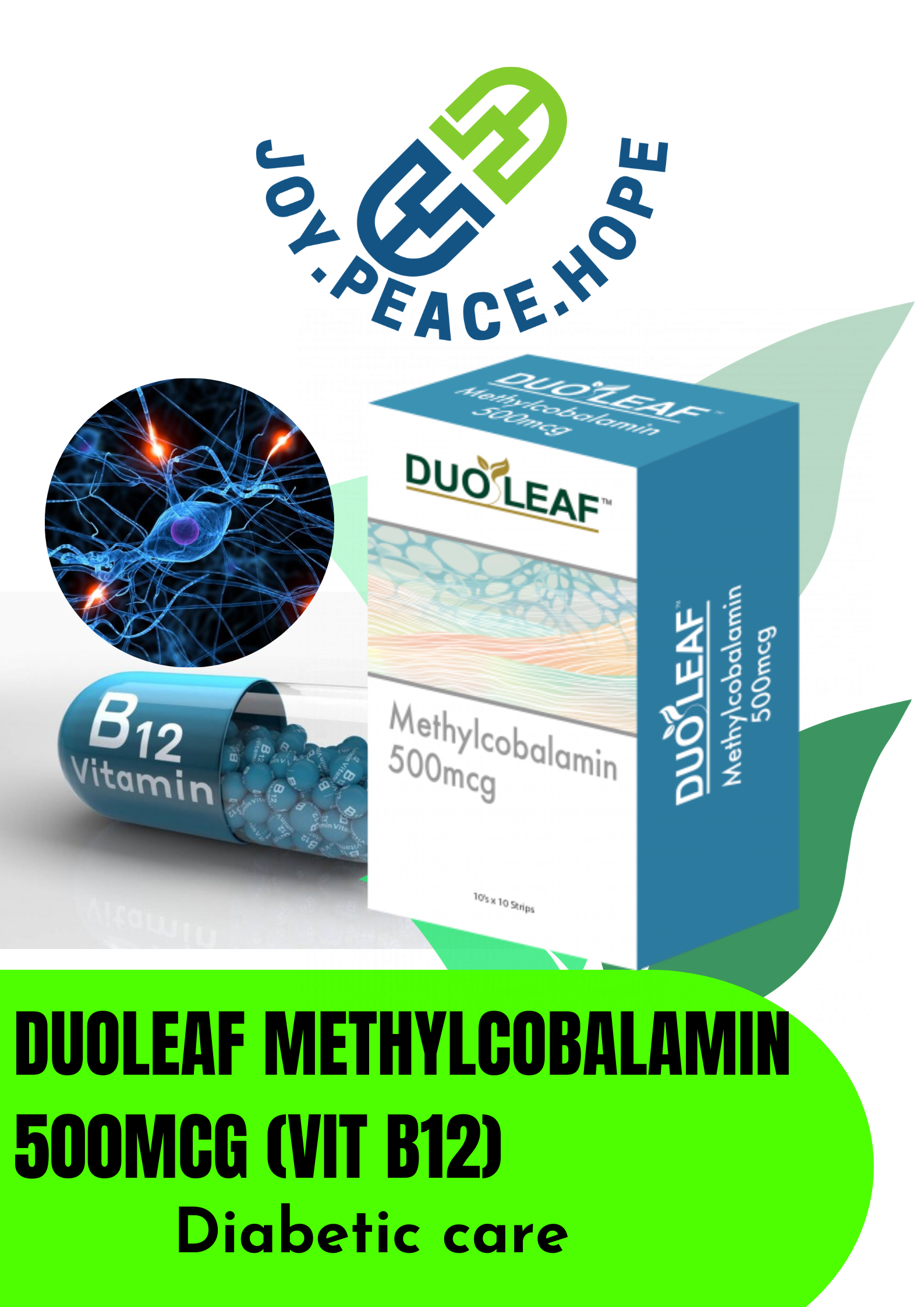
Methylcobal (Vitamin B12): An In-Depth Medical SEO Guide for Nerve Health and Beyond
Welcome to the definitive guide on Methylcobal, a crucial form of Vitamin B12. As expert Medical SEO Copywriters and Orthopedic Specialists, we understand the profound impact of neurological health on overall well-being, and Methylcobal plays a pivotal role in maintaining and restoring it. This comprehensive resource aims to demystify Methylcobal (methylcobalamin), providing authoritative insights into its mechanism, clinical applications, safety profile, and more.
1. Comprehensive Introduction & Overview
Methylcobal refers to methylcobalamin, the neurologically active and most bioavailable form of Vitamin B12 (cobalamin). Unlike other forms such as cyanocobalamin, which requires conversion in the body, methylcobalamin is readily utilized by cells, particularly those in the nervous system. Vitamin B12 is an essential water-soluble vitamin that plays a critical role in several physiological processes, including:
- Nerve Tissue Health: Crucial for the maintenance of the myelin sheath, the protective covering around nerves.
- Red Blood Cell Formation: Essential for the maturation of red blood cells, preventing megaloblastic anemia.
- DNA Synthesis: Involved in the synthesis of DNA and RNA.
- Metabolism: Participates in the metabolism of fatty acids and amino acids.
Methylcobal is particularly valued for its direct involvement in neurological functions, making it a preferred choice for treating various neuropathies and conditions related to nerve damage or dysfunction. Its direct bioavailability means the body can immediately put it to use, offering advantages over precursor forms that require metabolic conversion.
2. Deep-Dive into Technical Specifications & Mechanisms
Understanding how Methylcobal works at a cellular level is key to appreciating its therapeutic value.
Mechanism of Action
Methylcobalamin acts as a coenzyme for two critical enzymatic reactions within the human body:
-
Methionine Synthase (MTR) Reaction:
- Methylcobalamin is a necessary cofactor for the enzyme methionine synthase.
- This enzyme catalyzes the remethylation of homocysteine to methionine.
- Methionine is then converted to S-adenosylmethionine (SAMe), a universal methyl donor involved in numerous biochemical reactions, including the synthesis of neurotransmitters (e.g., serotonin, dopamine), myelin components, and phospholipids.
- By facilitating this reaction, methylcobalamin helps reduce elevated homocysteine levels, which are associated with cardiovascular disease and neurodegenerative disorders.
-
L-methylmalonyl-CoA Mutase (MCM) Reaction:
- While another form of B12, adenosylcobalamin, is the cofactor for L-methylmalonyl-CoA mutase, methylcobalamin plays an indirect role by ensuring overall B12 availability and supporting metabolic pathways. This enzyme converts L-methylmalonyl-CoA to succinyl-CoA, which is vital for energy production and the metabolism of certain fatty acids and amino acids. Deficiency in this pathway leads to the accumulation of methylmalonic acid, a marker of B12 deficiency.
Unique Neurological Role of Methylcobalamin:
Beyond its coenzyme functions, methylcobalamin exhibits direct neurotrophic and neuroprotective effects, distinguishing it from other B12 forms:
- Myelin Repair and Regeneration: It directly supports the synthesis of phospholipids and proteins essential for the formation and maintenance of the myelin sheath, which insulates nerve fibers and ensures rapid signal transmission. Damage to myelin is a hallmark of many neuropathies.
- Axonal Transport: It enhances axonal transport, the process by which proteins and organelles are moved along nerve cells, crucial for nerve growth and repair.
- Neurotransmitter Synthesis: By contributing to SAMe production, it indirectly supports the synthesis of various neurotransmitters vital for mood, cognition, and nerve function.
- Antioxidant Properties: Some studies suggest methylcobalamin may possess antioxidant properties, protecting nerve cells from oxidative damage.
Pharmacokinetics
The journey of Methylcobal through the body involves distinct absorption, distribution, metabolism, and elimination processes.
-
Absorption:
- Oral: At low physiological doses, absorption requires intrinsic factor (a protein secreted by stomach parietal cells) and occurs in the terminal ileum. At high pharmacological doses (typically 500 mcg or more), a small percentage can be absorbed via passive diffusion throughout the gastrointestinal tract, bypassing the need for intrinsic factor.
- Sublingual/Buccal: These routes allow direct absorption into the bloodstream through the mucous membranes, bypassing the digestive system and intrinsic factor, making them effective for individuals with malabsorption.
- Intramuscular (IM) / Intravenous (IV): These routes provide complete bioavailability, directly delivering methylcobalamin into the systemic circulation, often preferred for severe deficiency or acute neurological symptoms.
-
Distribution:
- Once absorbed, methylcobalamin binds to specific transport proteins called transcobalamins (TCs). Transcobalamin II (TCII) is the primary transport protein that delivers B12 to tissues.
- It is widely distributed throughout the body, with the largest stores found in the liver (approximately 50-90% of total body stores). Smaller amounts are found in the kidneys, heart, spleen, and brain.
- It readily crosses the blood-brain barrier, reaching the central nervous system where it exerts its neurotrophic effects.
-
Metabolism:
- Methylcobalamin is the active form and generally does not undergo extensive metabolism to other forms of B12 within the body. It can be interconverted with adenosylcobalamin, another active coenzyme form, as needed.
-
Elimination:
- Methylcobalamin is primarily excreted renally (via the kidneys) in urine.
- A portion also undergoes biliary excretion, with some reabsorption via enterohepatic recirculation, contributing to the body's ability to conserve B12.
- The half-life of B12 in the body is relatively long, often measured in days to weeks, due to its storage in the liver and enterohepatic recirculation.
3. Extensive Clinical Indications & Usage
Methylcobal is indicated for a wide range of conditions, primarily focusing on neurological health and the treatment of Vitamin B12 deficiency.
Detailed Indications
| Condition | Rationale for Methylcobal Use * Diabetic Neuropathy: Methylcobalamin has been extensively studied and shown to improve nerve function and alleviate symptoms of nerve pain, numbness, and tingling in patients with diabetic neuropathy. It helps restore nerve function and accelerate regeneration.
* Peripheral Neuropathies: For various other peripheral neuropathies, including those caused by alcohol, chronic inflammation, or specific drug toxicities, Methylcobalamin can help regenerate damaged nerves and reduce neuropathic pain.
* Vitamin B12 Deficiency & Associated Megaloblastic Anemia:
* Pernicious Anemia: While initial treatment often involves parenteral cyanocobalamin, methylcobalamin can be used for maintenance, especially if neurological symptoms are prominent.
* Malabsorption Syndromes: Conditions like Crohn's disease, celiac disease, gastric bypass surgery, atrophic gastritis, or H. pylori infection can impair B12 absorption. Methylcobal bypasses some of these absorption issues, particularly with parenteral or high-dose oral/sublingual administration.
* Dietary Deficiency: Strict vegans or vegetarians are at risk of B12 deficiency and can benefit from supplementation.
* Drug-Induced Deficiency: Medications like metformin (for diabetes) and proton pump inhibitors (PPIs) can interfere with B12 absorption. Methylcobal supplementation is often recommended for chronic users.
* Pain Management:
* Sciatica: As an adjunct therapy, Methylcobal can help reduce nerve compression pain and promote nerve recovery.
* Low Back Pain: Particularly when a neuropathic component is suspected, Methylcobal can be beneficial.
* Trigeminal Neuralgia: Some studies suggest it may help alleviate facial nerve pain.
* Cognitive Function & Neurodegenerative Diseases:
* Mild Cognitive Impairment (MCI): In cases where B12 deficiency contributes to cognitive decline, Methylcobal supplementation can improve memory and cognitive function.
* Alzheimer's Disease: While not a cure, it can be used as an adjunct, especially if B12 levels are suboptimal, to support neurological health.
* Homocysteinemia: By acting as a cofactor for methionine synthase, Methylcobal helps convert homocysteine to methionine, thereby reducing elevated homocysteine levels, which are an independent risk factor for cardiovascular disease, stroke, and certain neurodegenerative conditions.
* Amyotrophic Lateral Sclerosis (ALS): High-dose methylcobalamin has been investigated in clinical trials for ALS, showing some potential to slow disease progression in specific subgroups, though it remains an area of ongoing research and is not a standard treatment.
* Sleep-Wake Cycle Disorders: Some evidence suggests methylcobalamin may help regulate circadian rhythms and improve sleep quality, particularly in individuals with disturbed sleep-wake cycles.
Dosage Guidelines
The dosage of Methylcobal is highly individualized and depends on the specific condition being treated, the severity of the deficiency, and the patient's response. It is crucial to always follow the advice of a healthcare professional.
-
General Principles:
- Route of Administration: Available in oral tablets, sublingual tablets, and injectable (intramuscular/intravenous) forms.
- Duration: Treatment can range from a few weeks to lifelong, particularly for chronic malabsorption or deficiency.
- Monitoring: Regular monitoring of B12 levels and clinical symptoms is essential.
-
Typical Dosage Ranges (Consult your Physician):
| Condition/Route | Typical Dosage
| Oral B12 Deficiency (mild) | 500 mcg to 1000 mcg daily