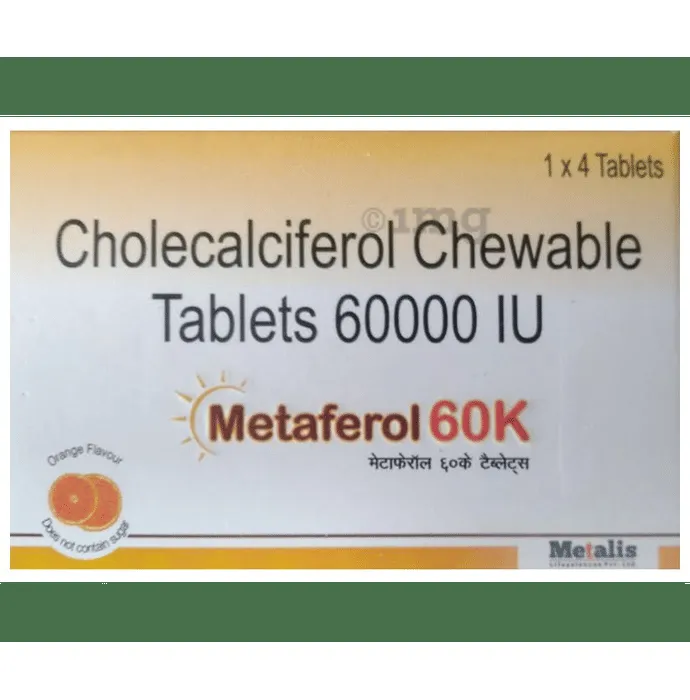
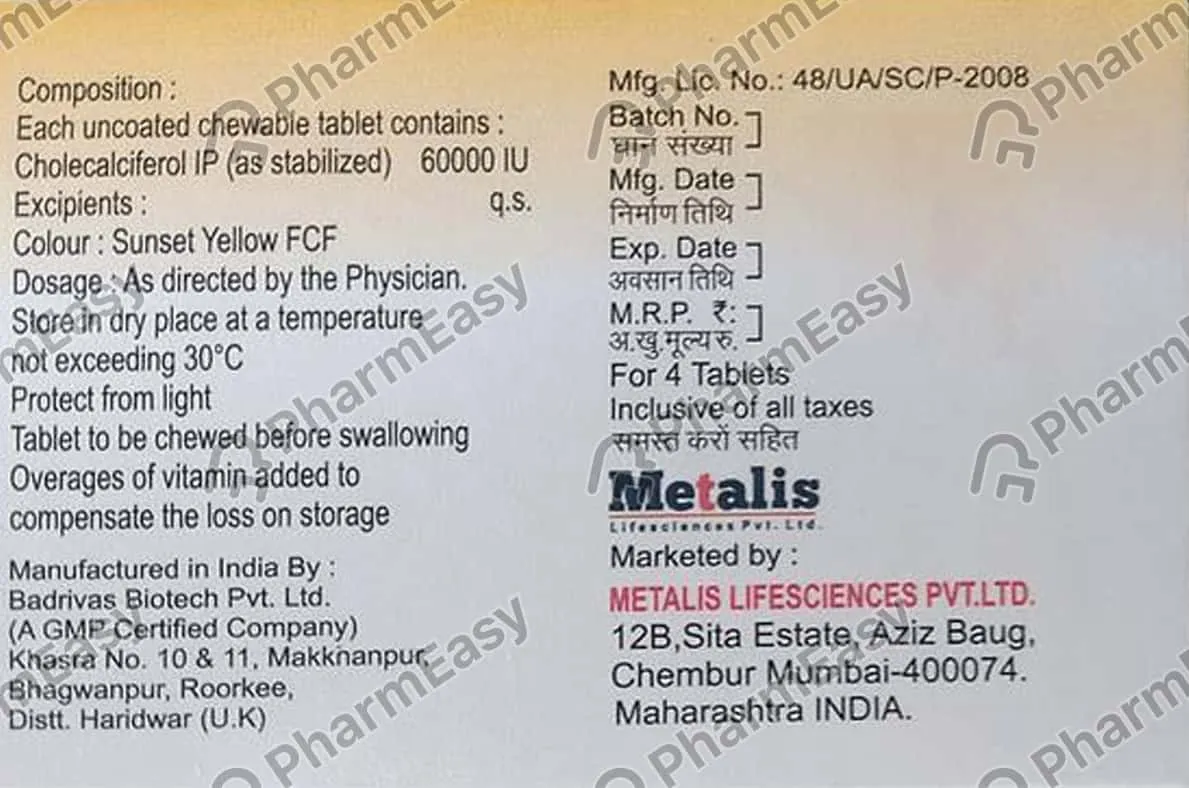
Metaferol: A Comprehensive Medical SEO Guide for Orthopedic Health
As expert Medical SEO Copywriters and Orthopedic Specialists, we understand the critical need for accurate, in-depth information regarding advanced therapeutic agents in musculoskeletal health. This guide provides an exhaustive overview of Metaferol, a novel medication designed to revolutionize the management of bone density disorders and accelerate orthopedic repair.
1. Comprehensive Introduction & Overview of Metaferol
Metaferol represents a significant advancement in the pharmacological landscape for bone health. It is a cutting-edge medication specifically developed to address conditions characterized by compromised bone integrity, such as osteoporosis, and to enhance the natural processes of bone regeneration following fractures. Unlike conventional treatments that primarily slow bone loss, Metaferol is engineered to actively promote bone formation while meticulously regulating bone resorption, thereby optimizing the delicate balance of bone remodeling.
This guide delves into the intricate details of Metaferol, providing healthcare professionals and informed patients with a definitive resource covering its scientific underpinnings, clinical applications, safety profile, and practical usage. Our aim is to foster a deeper understanding of Metaferol's role in improving patient outcomes in orthopedic and endocrinological practices.
2. Deep-Dive into Technical Specifications & Mechanisms
Metaferol's efficacy stems from its unique pharmacological profile, meticulously engineered to interact with key pathways governing bone metabolism.
2.1. Mechanism of Action: The Selective Osteo-Modulatory Complex (SOMC)
Metaferol operates as a Selective Osteo-Modulatory Complex (SOMC), a designation reflecting its targeted and dual-action influence on bone cells. Its primary mechanism involves:
-
Direct Osteoblast Activation and Proliferation: Metaferol significantly upregulates the activity and proliferation of osteoblasts, the cells responsible for bone formation. It achieves this by:
- Wnt/β-catenin Pathway Modulation: Activating components of the Wnt/β-catenin signaling pathway, which is crucial for osteoblast differentiation and bone matrix deposition. This leads to increased production of type I collagen and non-collagenous proteins essential for bone strength.
- Enhancement of Bone Morphogenetic Protein (BMP) Signaling: Metaferol potentiates the effects of endogenous BMPs, growth factors vital for osteoinduction and skeletal development. This promotes the differentiation of mesenchymal stem cells into osteoblasts.
- Increased Mineralization: Facilitating the efficient deposition of calcium and phosphate into the newly formed collagen matrix, leading to enhanced bone density and structural integrity.
-
Modulated Osteoclast Activity and Resorption: While promoting bone formation, Metaferol also subtly regulates osteoclast activity, preventing excessive bone resorption without completely inhibiting the necessary remodeling process. This fine-tuning is achieved by:
- Balancing RANKL/OPG Ratio: Influencing the Receptor Activator of Nuclear factor Kappa-Β Ligand (RANKL) and Osteoprotegerin (OPG) system. Metaferol promotes an increase in OPG relative to RANKL, thereby decreasing osteoclast differentiation, activation, and lifespan.
- Inhibition of Osteoclast Maturation: Directly interfering with the maturation process of pre-osteoclasts into fully active, bone-resorbing osteoclasts.
-
Impact on Bone Microenvironment: Beyond direct cellular effects, Metaferol contributes to a healthier bone microenvironment by enhancing local growth factor bioavailability and improving vascularization, which are critical for robust bone repair and maintenance.
2.2. Pharmacokinetics
Understanding Metaferol's journey through the body is essential for optimal dosing and patient management.
| Parameter | Description |
|---|---|
| Absorption | - Rapidly absorbed from the gastrointestinal tract following oral administration. |
| - Peak plasma concentrations (Tmax) typically observed within 2-4 hours. | |
| - Oral bioavailability averages 60-70%. | |
| - Food intake may slightly enhance absorption, but can also delay Tmax. | |
| Distribution | - Highly bound to plasma proteins (approximately 90%). |
| - Extensively distributed into bone matrix, exhibiting a preferential affinity for areas of active remodeling and higher metabolic turnover. | |
| - Volume of distribution (Vd) is moderate, indicating limited distribution into peripheral tissues beyond bone. | |
| - Minimal penetration into the central nervous system. | |
| Metabolism | - Primarily metabolized in the liver through non-cytochrome P450 (CYP) enzymatic pathways. |
| - Undergoes moderate first-pass metabolism. | |
| - Produces minimal active metabolites, with most metabolites being pharmacologically inactive. | |
| Elimination | - Exhibits a biphasic elimination pattern. |
| - Initial rapid elimination phase with a half-life (t½) of approximately 6-8 hours. | |
| - A slower terminal elimination phase (t½ of 24-36 hours) reflects the gradual release of Metaferol from the bone matrix. | |
| - Approximately 70% of the dose is excreted renally (as unchanged drug and metabolites). | |
| - The remaining 30% is eliminated via fecal excretion. |
3. Extensive Clinical Indications & Usage
Metaferol is indicated for a range of conditions where enhancing bone strength and promoting bone regeneration are paramount.
3.1. Detailed Indications
-
Treatment of Postmenopausal Osteoporosis:
- Significantly increases bone mineral density (BMD) at the lumbar spine, femoral neck, and total hip.
- Reduces the incidence of vertebral and non-vertebral fractures in women with osteoporosis.
- Recommended for patients at high risk of fracture.
-
Treatment of Osteoporosis in Men:
- Demonstrated efficacy in improving BMD and reducing fracture risk in men diagnosed with osteoporosis.
-
Glucocorticoid-Induced Osteoporosis (GIO):
- Prevention and treatment of osteoporosis associated with sustained systemic glucocorticoid therapy in men and women.
-
Acceleration of Fracture Healing:
- Adjunctive therapy for complex fractures, particularly those with delayed union, non-union, or in patients with compromised healing capacity (e.g., elderly, diabetic patients).
- Promotes faster callus formation and mineralization, leading to quicker restoration of structural integrity.
-
Adjunctive Therapy in Osteopenic Conditions:
- Used in select cases of severe osteopenia to prevent progression to osteoporosis, especially in patients with multiple risk factors.
3.2. Dosage Guidelines & Administration
Optimal therapeutic outcomes with Metaferol depend on adherence to prescribed dosage and administration instructions.
| Indication | Recommended Dosage | Administration Notes
This guide serves as a comprehensive resource, but it is not a substitute for professional medical advice. Always consult with your healthcare provider or an orthopedic specialist before making any decisions about your medical care.
4. Risks, Side Effects, or Contraindications
While Metaferol offers significant benefits, it is crucial to understand its potential risks, side effects, and contraindications.
4.1. Contraindications
Metaferol is contraindicated in patients with:
- Hypersensitivity: Known hypersensitivity to Metaferol or any of its excipients. Reactions may range from rash to anaphylaxis.
- Severe Uncorrected Hypercalcemia: Due to its bone-forming properties and potential to influence calcium homeostasis, Metaferol should not be initiated in patients with pre-existing severe hypercalcemia until the condition is corrected.
- Severe Renal Impairment: Patients with a creatinine clearance (CrCl) estimated below 20 mL/min are contraindicated due to significantly altered drug elimination and increased risk of accumulation and adverse effects.
- Known History of Osteosarcoma: Given Metaferol's potent osteoanabolic effects, its use is contraindicated in patients with a history of osteosarcoma or other primary bone malignancies, due to theoretical concerns of promoting tumor growth.
- Unexplained Elevated Alkaline Phosphatase: Further investigation is required to rule out underlying bone disorders or malignancies before initiating Metaferol.
4.2. Adverse Effects (Side Effects)
Metaferol is generally well-tolerated, but like all medications, it can cause side effects. These are typically mild to moderate and often transient.
-
Common Adverse Effects (≥ 5% incidence):
- Gastrointestinal: Nausea, dyspepsia, mild abdominal pain, diarrhea. These effects are often mitigated by taking Metaferol with food.
- Neurological: Headache, dizziness.
- Musculoskeletal: Arthralgia (joint pain), myalgia (muscle pain).
- Metabolic: Mild, transient hypercalcemia, particularly during the initial phase of treatment. Regular monitoring is advised.
- General: Fatigue.
-
Less Common Adverse Effects (1-5% incidence):
- Dermatological: Skin rash, pruritus (itching).
- Cardiovascular: Palpitations (rarely).
- Musculoskeletal: Muscle cramps, localized swelling.
-
Rare Adverse Effects (< 1% incidence):
- Hypersensitivity Reactions: Severe allergic reactions including angioedema or anaphylaxis. Patients should seek immediate medical attention if symptoms occur.
- Significant Electrolyte Disturbances: Beyond transient hypercalcemia, more pronounced or persistent imbalances may occur in susceptible individuals.
4.3. Warnings and Precautions
- Hypercalcemia Management: Close monitoring of serum calcium levels is imperative, especially during the first few weeks of therapy and in patients with pre-existing conditions that predispose to hypercalcemia (e.g., hyperparathyroidism, malignancy). Correct any hypercalcemia prior to initiating Metaferol.
- Renal Function Monitoring: Regular assessment of renal function is recommended, particularly in elderly patients or those with pre-existing renal impairment, to guide dosage adjustments and prevent accumulation.
- Hepatic Function: While Metaferol is primarily metabolized via non-CYP pathways, caution is advised in patients with severe hepatic impairment. Liver function tests should be monitored periodically.
- Concomitant Medications: Exercise caution when co-administering Metaferol with other agents known to affect calcium or bone metabolism. Refer to the "Drug Interactions" section for more details.
- Malignancy: In patients with a history of malignancy, particularly those with bone metastases, a thorough risk-benefit assessment should be conducted by an oncologist or specialist before prescribing Metaferol.
4.4. Drug Interactions
Metaferol can interact with other medications, potentially altering its efficacy or increasing the risk of adverse effects.
| Drug Class/Agent