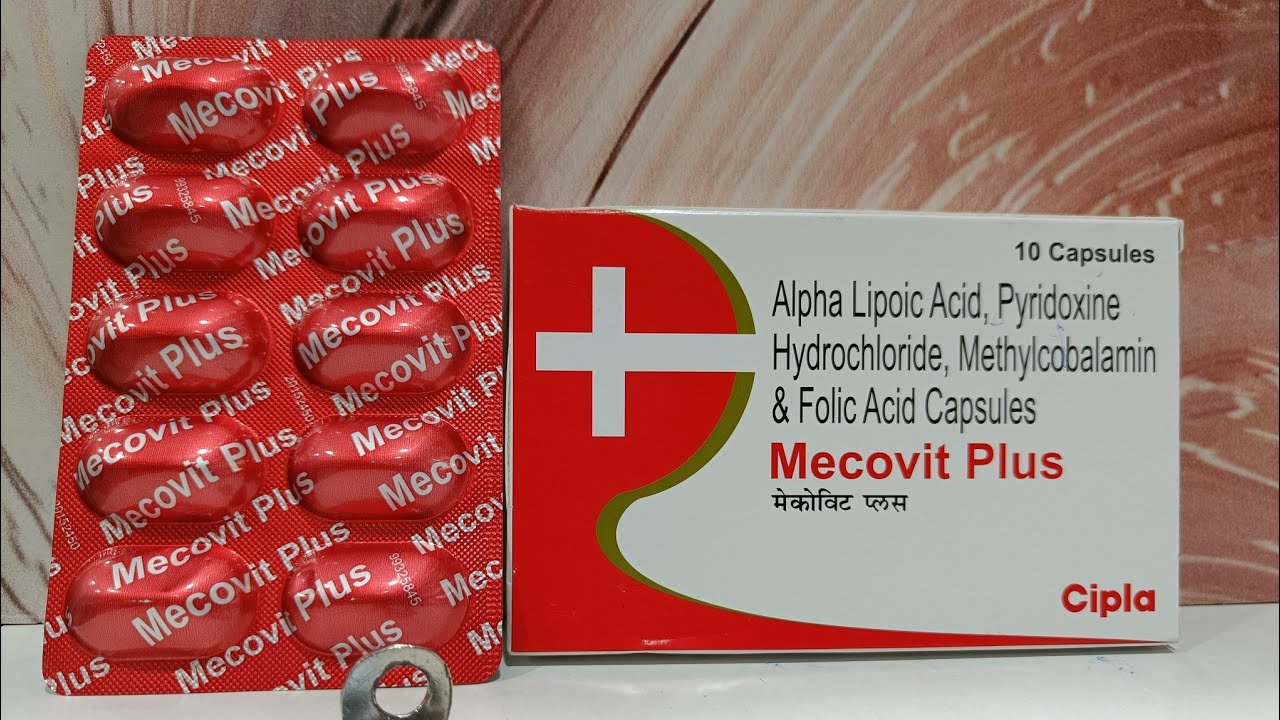
Mecovit DT: An Expert Medical SEO Guide to Nerve Health and Metabolic Support
Comprehensive Introduction & Overview
Mecovit DT is a widely recognized pharmaceutical formulation designed to address specific nutritional deficiencies, primarily those related to B-group vitamins. The "DT" often signifies a Dispersible Tablet, making it easier for a broader range of patients to consume. While specific formulations can vary by manufacturer, "Mecovit" commonly refers to a combination featuring Methylcobalamin (Vitamin B12), Folic Acid (Vitamin B9), and Pyridoxine Hydrochloride (Vitamin B6). This potent trio plays a pivotal role in numerous physiological processes, particularly those concerning neurological function, red blood cell formation, and overall cellular metabolism.
As an expert medical SEO copywriter and orthopedic specialist, I recognize the critical importance of these nutrients, not just in general health but also in supporting recovery and managing conditions that impact musculoskeletal and neurological systems. Deficiencies in these vitamins can lead to a spectrum of health issues, from neuropathies and megaloblastic anemia to impaired cognitive function and reduced energy levels. Mecovit DT aims to replenish these essential vitamins, thereby supporting nerve regeneration, DNA synthesis, and protein metabolism.
This comprehensive guide will delve deep into Mecovit DT, providing authoritative information on its mechanisms, indications, dosage, potential interactions, and safety profile. Our goal is to equip healthcare professionals and informed patients with a thorough understanding of this crucial medication.
Deep-Dive into Technical Specifications & Mechanisms
Mecovit DT typically combines three key B-vitamins, each with distinct yet synergistic roles in the human body. Understanding their individual mechanisms is crucial to appreciating the holistic benefit of this formulation.
Components and Their Mechanisms of Action
1. Methylcobalamin (Vitamin B12)
- Mechanism: Methylcobalamin is the active coenzyme form of Vitamin B12. Unlike cyanocobalamin, it does not require metabolic conversion, making it readily available for biological functions.
- Nerve Regeneration: Essential for the synthesis of myelin, the protective sheath around nerves. It promotes nerve regeneration and repair, crucial in managing neuropathic pain and nerve damage.
- Homocysteine Metabolism: Acts as a cofactor for methionine synthase, an enzyme that converts homocysteine to methionine. High homocysteine levels are associated with cardiovascular disease and neurological disorders.
- DNA Synthesis: Works in conjunction with folic acid in the synthesis of DNA and RNA, vital for cell division and growth.
- Red Blood Cell Formation: Critical for the maturation of red blood cells, preventing megaloblastic anemia.
2. Folic Acid (Vitamin B9)
- Mechanism: Folic acid is a synthetic form of folate, a water-soluble B-vitamin. It is converted into its active form, tetrahydrofolate (THF), in the body.
- DNA and RNA Synthesis: THF is essential for the synthesis of purines and pyrimidines, the building blocks of DNA and RNA, making it crucial for cell division and tissue growth.
- Amino Acid Metabolism: Involved in the metabolism of several amino acids, including the conversion of homocysteine to methionine (synergistic with B12).
- Red Blood Cell Formation: Indispensable for the production and maturation of red blood cells, preventing megaloblastic anemia.
- Neural Tube Development: Crucial during pregnancy for the proper development of the fetal neural tube.
3. Pyridoxine Hydrochloride (Vitamin B6)
- Mechanism: Pyridoxine is converted into its active form, pyridoxal 5'-phosphate (PLP), which serves as a coenzyme in over 100 enzymatic reactions.
- Neurotransmitter Synthesis: Essential for the synthesis of several neurotransmitters, including serotonin, dopamine, norepinephrine, and gamma-aminobutyric acid (GABA), impacting mood, sleep, and nerve signal transmission.
- Amino Acid Metabolism: Plays a vital role in amino acid metabolism, including transamination, deamination, and decarboxylation reactions.
- Red Blood Cell Formation: Involved in heme synthesis, a component of hemoglobin, contributing to oxygen transport.
- Immune Function: Supports immune system health by aiding in lymphocyte and cytokine production.
Pharmacokinetics
The pharmacokinetic profile of Mecovit DT reflects the properties of its individual vitamin components.
-
Absorption:
- Methylcobalamin (B12): Oral absorption is complex, involving intrinsic factor produced by gastric parietal cells. It is absorbed primarily in the terminal ileum. High doses can also be absorbed via passive diffusion, bypassing the intrinsic factor mechanism.
- Folic Acid (B9): Readily absorbed from the gastrointestinal tract, primarily in the duodenum and jejunum.
- Pyridoxine (B6): Well absorbed from the gastrointestinal tract, mainly in the jejunum.
-
Distribution:
- Methylcobalamin: Widely distributed throughout the body, with significant stores in the liver. It is bound to specific plasma proteins (transcobalamins) for transport.
- Folic Acid: Distributed throughout body tissues, with significant amounts stored in the liver. It is protein-bound in plasma.
- Pyridoxine: Distributed to most body tissues. The active form, PLP, is highly protein-bound, primarily to albumin.
-
Metabolism:
- Methylcobalamin: Undergoes minimal metabolism as it is already an active coenzyme form.
- Folic Acid: Metabolized in the liver and intestinal mucosa to its active coenzyme forms, primarily tetrahydrofolate.
- Pyridoxine: Converted to its active form, pyridoxal 5'-phosphate (PLP), primarily in the liver.
-
Excretion:
- Methylcobalamin: Excreted primarily via bile, with significant enterohepatic recirculation. A small amount is excreted unchanged in urine.
- Folic Acid: Excreted primarily in the urine, both as unchanged folic acid and its metabolites.
- Pyridoxine: Excreted in the urine as 4-pyridoxic acid and other metabolites.
Extensive Clinical Indications & Usage
Mecovit DT is indicated for a range of conditions stemming from or exacerbated by deficiencies in Vitamin B12, Folic Acid, and Vitamin B6. Its broad spectrum of action makes it valuable in various clinical settings.
Detailed Indications
- Peripheral Neuropathies:
- Diabetic Neuropathy: Helps in nerve regeneration and reduces symptoms like tingling, numbness, and burning sensations in patients with diabetes.
- Alcoholic Neuropathy: Supports nerve repair in individuals with nerve damage due to chronic alcohol consumption.
- Drug-Induced Neuropathy: Can be beneficial in managing neuropathies caused by certain medications (e.g., isoniazid, platinum-based chemotherapy).
- Idiopathic Neuropathy: May provide symptomatic relief and support nerve health where the cause of neuropathy is unknown.
- Megaloblastic Anemia:
- Due to Vitamin B12 deficiency (pernicious anemia, dietary deficiency).
- Due to Folic Acid deficiency (malnutrition, malabsorption, increased demand like pregnancy).
- Note: It is crucial to diagnose the specific deficiency (B12 vs. folate) before treatment, as high doses of folate can mask B12 deficiency, leading to irreversible neurological damage if B12 is not also supplemented.
- General B-Vitamin Deficiencies:
- Malabsorption Syndromes: Conditions like Crohn's disease, celiac disease, or post-gastrectomy states that impair nutrient absorption.
- Dietary Deficiencies: In vegetarians, vegans, or individuals with inadequate dietary intake.
- Increased Demand: During pregnancy, lactation, rapid growth phases, or chronic illnesses.
- Homocysteine Reduction:
- Elevated homocysteine levels are a risk factor for cardiovascular disease and certain neurological conditions. The combination of B12, B6, and Folic Acid effectively lowers homocysteine.
- Support in Certain Neurodegenerative Conditions:
- While not a cure, supplementation may help manage symptoms or slow progression in conditions where B-vitamin deficiencies are implicated.
- Post-Surgical Recovery:
- To support general metabolic processes and nerve healing after surgical procedures, especially those involving the gastrointestinal tract.
- Geriatric Patients:
- Elderly individuals often have impaired B12 absorption and higher prevalence of B-vitamin deficiencies.
Dosage Guidelines
Dosage of Mecovit DT should always be determined by a healthcare professional based on the patient's age, specific deficiency, severity of symptoms, and other underlying medical conditions.
- Typical Adult Dosage:
- One tablet once daily, or as directed by the physician.
- The tablet is often designed to be dissolved in the mouth or dispersed in water before consumption, enhancing absorption and ease of use.
- Duration of Treatment:
- Depends on the underlying condition and the patient's response. It can range from a few weeks for acute deficiencies to long-term supplementation for chronic conditions or those with ongoing malabsorption.
- Administration:
- Can be taken with or without food. However, taking it with food might reduce potential gastrointestinal discomfort in some individuals.
- It is important to follow the specific instructions on the product packaging regarding dispersion or dissolving.
Important Note: Self-medication is strongly discouraged. Always consult a physician for proper diagnosis and dosage recommendations.
Risks, Side Effects, and Contraindications
While Mecovit DT is generally well-tolerated, it is essential to be aware of potential risks, side effects, and situations where its use might be contraindicated.
Contraindications
- Hypersensitivity: Known allergy or hypersensitivity to Methylcobalamin, Folic Acid, Pyridoxine, or any other component of the formulation.
- Undiagnosed Megaloblastic Anemia: Especially if the underlying cause (B12 vs. folate deficiency) has not been definitively established. Folic acid alone can mask a B12 deficiency, leading to irreversible neurological damage if B12 is not also addressed.
- Leber's Disease: While rare, Vitamin B12 supplementation is contraindicated in patients with Leber's hereditary optic atrophy due to the risk of severe and rapid optic atrophy.
Drug Interactions
Several medications can interact with the components of Mecovit DT, potentially affecting their efficacy or increasing the risk of side effects.
- Antibiotics (e.g., Chloramphenicol): Can interfere with the hematological response to Vitamin B12 in some patients.
- Proton Pump Inhibitors (PPIs) & H2-Receptor Antagonists: Chronic use can reduce gastric acid production, impairing Vitamin B12 absorption.
- Metformin: Long-term use of metformin, a common diabetes medication, can lead to Vitamin B12 deficiency. Co-supplementation may be necessary.
- Anticonvulsants (e.g., Phenytoin, Carbamazepine, Phenobarbital): Can interfere with folate metabolism, potentially leading to folate deficiency.
- Methotrexate: A folic acid antagonist; co-administration with folic acid requires careful monitoring and dosage adjustments.
- Levodopa: High doses of pyridoxine can accelerate the peripheral metabolism of levodopa, reducing its efficacy in Parkinson's disease treatment. Patients on levodopa should use Mecovit DT with caution and under medical supervision.
- Oral Contraceptives: May slightly reduce serum levels of Vitamin B6 and Folic Acid.
- Colchicine: Can impair Vitamin B12 absorption.
- Nitrous Oxide: Prolonged exposure can inactivate Vitamin B12, leading to functional B12 deficiency.
Pregnancy and Lactation Warnings
- Pregnancy: Folic acid is crucially important during pregnancy to prevent neural tube defects. Vitamin B6 can help alleviate morning sickness. Vitamin B12 is also essential for fetal development. Mecovit DT can be beneficial during pregnancy, especially if deficiencies are present or anticipated. However, supplementation should always be under the guidance of a healthcare provider, who will determine the appropriate dosage to avoid excessive intake.
- Lactation: The vitamins in Mecovit DT are excreted into breast milk. They are generally considered safe and beneficial for nursing mothers and infants, especially if the mother has a deficiency. As with pregnancy, medical consultation is essential to ensure appropriate dosing.
Potential Side Effects
B-vitamins are water-soluble and generally have a low toxicity profile, with excess amounts typically excreted in urine. However, some side effects can occur, especially with very high doses or in sensitive individuals.
- Common (Rare and Mild):
- Mild gastrointestinal upset (nausea, diarrhea, stomach discomfort)
- Allergic reactions (rash, itching, hives) - rare but possible
- Less Common/High Dose-Related:
- Pyridoxine (Vitamin B6): Very high doses (typically >200 mg/day over prolonged periods, far exceeding what's usually in Mecovit DT) can lead to sensory neuropathy, characterized by numbness, tingling, and difficulty with coordination.
- Folic Acid: High doses can, as mentioned, mask a B12 deficiency and potentially interact with certain medications.
- Methylcobalamin: Generally very safe, even at high doses.
- Urine Discoloration: Riboflavin (Vitamin B2), often included in other B-complex formulations, can cause bright yellow urine. While Mecovit DT primarily contains B12, B9, and B6, it's a common observation with B-vitamin supplements generally.
Overdose Management
Due to the water-soluble nature of B-vitamins, acute toxicity from overdose is rare, as excess amounts are readily excreted by the kidneys.
- Symptoms of Overdose:
- For Methylcobalamin and Folic Acid, an overdose is unlikely to cause serious adverse effects.
- For Pyridoxine, extremely high doses over extended periods can lead to sensory neuropathy. Symptoms include numbness, tingling, weakness, and difficulty with balance.
- Management:
- Discontinuation: If an overdose is suspected or symptoms appear, discontinue the medication immediately.
- Symptomatic and Supportive Care: Treatment is primarily symptomatic and supportive. In cases of pyridoxine-induced neuropathy, symptoms typically resolve slowly upon discontinuation of the supplement, though full recovery may take time.
- Medical Consultation: Always seek immediate medical attention in case of suspected overdose or severe adverse reactions.
Massive FAQ Section
Here are frequently asked questions about Mecovit DT, providing quick and authoritative answers.
Q1: What is Mecovit DT primarily used for?
A1: Mecovit DT is primarily used to treat and prevent deficiencies of B-vitamins, specifically Methylcobalamin (B12), Folic Acid (B9), and Pyridoxine (B6). It's commonly prescribed for conditions like peripheral neuropathies (diabetic, alcoholic), megaloblastic anemia, and to support overall nerve health and metabolic function.
Q2: How should I take Mecovit DT?
A2: The typical adult dosage is one tablet once daily, or as prescribed by your doctor. Mecovit DT is often a dispersible tablet, meaning it can be dissolved in the mouth or in a small amount of water before swallowing. Always follow your physician's specific instructions and the directions on the product packaging.
Q3: Are there any significant side effects of Mecovit DT?
A3: Mecovit DT is generally well-tolerated. Side effects are rare and usually mild, such as mild stomach upset or allergic reactions (rash, itching). Very high, prolonged doses of Pyridoxine (B6) can, in rare cases, lead to sensory neuropathy, but this is uncommon with standard prescribed doses.
Q4: Can Mecovit DT be taken during pregnancy or lactation?
A4: Yes, B-vitamins, especially Folic Acid, are crucial during pregnancy for fetal development and can be beneficial during lactation. However, it is essential to consult your doctor before taking Mecovit DT while pregnant or breastfeeding to determine the appropriate dosage and ensure safety.
Q5: How long does it take for Mecovit DT to show results?
A5: The time to see results can vary depending on the severity of the deficiency and the condition being treated. Some patients may experience symptomatic relief within a few weeks, while others with chronic conditions or significant nerve damage may require longer treatment durations (months). Consistent use as prescribed is key.
Q6: Can I take Mecovit DT with other medications?
A6: Mecovit DT can interact with certain medications, including some antibiotics, anticonvulsants, proton pump inhibitors, metformin, and levodopa. Always inform your doctor about all medications, supplements, and herbal products you are currently taking to avoid potential interactions.
Q7: What happens if I miss a dose of Mecovit DT?
A7: If you miss a dose, take it as soon as you remember. If it's almost time for your next dose, skip the missed dose and continue with your regular dosing schedule. Do not double the dose to make up for a missed one.
Q8: Is Mecovit DT addictive?
A8: No, Mecovit DT is a vitamin supplement and is not addictive.
Q9: Can Mecovit DT help with nerve pain?
A9: Yes, Mecovit DT, particularly due to its Methylcobalamin (Vitamin B12) and Pyridoxine (B6) components, is often prescribed to help manage and alleviate symptoms of nerve pain (neuropathy) by supporting nerve regeneration and function.
Q10: Does Mecovit DT require a prescription?
A10: In many regions, Mecovit DT or similar B-vitamin complex formulations might be available over-the-counter. However, due to the specific dosages and the importance of accurate diagnosis (especially for conditions like megaloblastic anemia or severe neuropathies), it is highly recommended to use Mecovit DT under the guidance of a healthcare professional.
Q11: What is the difference between Methylcobalamin and Cyanocobalamin?
A11: Both are forms of Vitamin B12. Methylcobalamin is an active coenzyme form that can be directly utilized by the body without metabolic conversion. Cyanocobalamin is a synthetic form that needs to be converted into an active form (like methylcobalamin or adenosylcobalamin) in the body, a process that can be impaired in some individuals. Methylcobalamin is often preferred for its direct bioavailability and efficacy in neurological conditions.
Q12: How should Mecovit DT be stored?
A12: Mecovit DT should be stored at room temperature, away from direct sunlight and moisture. Keep it out of reach of children and pets. Do not use expired medication.
This comprehensive guide serves as an authoritative resource for Mecovit DT, emphasizing its vital role in addressing B-vitamin deficiencies and supporting overall health, particularly neurological and metabolic functions. Always consult with a qualified healthcare professional for personalized medical advice and treatment.