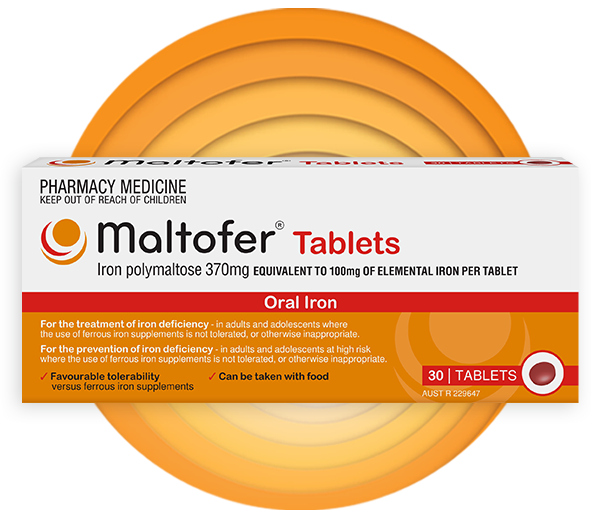
Maltofer (Iron Polymaltose Complex): A Comprehensive Medical SEO Guide
Iron deficiency is a global health concern, affecting billions worldwide and leading to a range of debilitating symptoms, most notably iron deficiency anemia (IDA). While various iron supplements are available, Maltofer stands out due to its unique formulation: Iron Polymaltose Complex (IPC). As expert medical SEO copywriters and orthopedic specialists, we understand the critical role of iron in overall health, including bone health and recovery, and aim to provide an exhaustive, authoritative guide to Maltofer, detailing its mechanism, clinical applications, safety profile, and more.
1. Introduction & Overview of Maltofer
Maltofer is a non-ionic, macromolecular iron preparation used for the treatment and prevention of iron deficiency and iron deficiency anemia. Unlike traditional ferrous salt preparations (e.g., ferrous sulfate, ferrous gluconate), Maltofer contains iron in the form of Iron(III)-hydroxide polymaltose complex. This distinct chemical structure offers significant advantages, primarily a more controlled absorption profile and a remarkably lower incidence of gastrointestinal side effects, which often hinder patient compliance with other iron supplements.
Iron is an essential micronutrient vital for numerous physiological processes. Its primary role is in the formation of hemoglobin, the protein in red blood cells responsible for oxygen transport from the lungs to all body tissues. Iron is also crucial for myoglobin in muscle cells, various enzymes involved in energy production, DNA synthesis, and immune function. A deficiency in iron can lead to fatigue, weakness, impaired cognitive function, reduced physical performance, and in severe cases, organ damage. Maltofer provides an effective and well-tolerated solution to address this widespread nutritional deficiency.
2. Deep-Dive into Technical Specifications & Mechanisms
The efficacy and safety profile of Maltofer are intrinsically linked to its unique chemical composition and subsequent mechanism of action and pharmacokinetics.
2.1 Chemical Composition & Structure: Iron Polymaltose Complex (IPC)
Maltofer contains iron in the form of Iron(III)-hydroxide polymaltose complex.
* Non-ionic Nature: Unlike ferrous salts which dissociate into free iron ions, IPC remains stable in the gastrointestinal tract.
* Macromolecular Structure: It consists of a polynuclear iron(III) hydroxide core surrounded by multiple polymaltose ligands. This structure closely resembles ferritin, the body's natural iron storage protein, which is believed to contribute to its physiological absorption.
* Stability: The complex is highly stable, preventing the release of large amounts of free iron ions that can cause oxidative stress and gastrointestinal irritation.
2.2 Mechanism of Action: Controlled & Physiological Absorption
The absorption of iron from Maltofer differs significantly from that of ferrous salts.
* No Free Iron Ions: Maltofer does not release free iron ions in the gastrointestinal lumen. This is a key differentiator, as free iron ions are highly reactive and responsible for many of the common side effects associated with conventional iron supplements.
* Active Transport: The intact IPC molecule is thought to be absorbed via a specific, active transport mechanism by the brush border cells (enterocytes) of the duodenum and jejunum. This process is believed to involve receptor-mediated endocytosis, possibly via the mucin-integrin pathway.
* Physiological Regulation: The absorption of iron from IPC is physiologically controlled, meaning the body absorbs iron according to its needs. In individuals with higher iron deficiency, absorption rates are higher, and vice-versa. This self-regulating mechanism reduces the risk of iron overload in patients without underlying iron metabolism disorders.
* Intracellular Processing: Once inside the enterocyte, the iron is released from the complex and either incorporated into intracellular ferritin for storage or transported across the basolateral membrane into the bloodstream, where it binds to transferrin for systemic distribution.
* Reduced Oxidative Stress: By avoiding the direct release of free iron ions, Maltofer minimizes the generation of harmful reactive oxygen species (ROS) in the gut, leading to fewer gastrointestinal side effects and reduced interference with other nutrients or medications.
2.3 Pharmacokinetics: Absorption, Distribution, Metabolism, Excretion (ADME)
- Absorption:
- The absorption of iron from Maltofer is dose-dependent and inversely proportional to the body's iron stores. Patients with severe iron deficiency absorb a higher percentage of the dose.
- Peak absorption generally occurs within 3-4 hours post-administration.
- Unlike ferrous salts, Maltofer's absorption is less affected by dietary components such as phytates, tannins (from tea/coffee), and oxalates, though extreme consumption may still have a minor impact.
- Distribution:
- Once absorbed, iron binds to transferrin in the plasma and is transported to sites of utilization, primarily the bone marrow for erythropoiesis (red blood cell production).
- Significant amounts are also transported to the liver, spleen, and bone marrow for storage as ferritin and hemosiderin.
- Metabolism:
- Iron itself is not metabolized in the classical sense but is incorporated into functional proteins (e.g., hemoglobin, myoglobin, enzymes) or stored. The polymaltose ligand, however, is metabolized, likely by enzymatic degradation, and eliminated.
- Excretion:
- The human body has a very limited capacity for iron excretion. Most iron is conserved.
- Minimal amounts are lost through the shedding of gastrointestinal cells, skin, sweat, urine, and bile. This low excretion rate underscores the importance of regulated absorption to prevent overload.
3. Extensive Clinical Indications & Usage
Maltofer is indicated for the treatment and prevention of iron deficiency in various populations and clinical scenarios.
3.1 Primary Indication: Iron Deficiency Anemia (IDA)
IDA is the most common nutritional deficiency worldwide, characterized by a reduction in red blood cells or hemoglobin due to insufficient iron.
* Symptoms: Fatigue, weakness, pallor, shortness of breath, dizziness, cold hands and feet, brittle nails, restless legs syndrome, pica (craving for non-food items), and impaired cognitive function.
* Diagnosis: Confirmed by blood tests showing low ferritin levels (iron stores), low transferrin saturation, and often microcytic, hypochromic red blood cells.
* Treatment: Maltofer effectively replenishes iron stores and increases hemoglobin levels, alleviating symptoms and improving overall health.
3.2 Prophylaxis of Iron Deficiency
Maltofer is also crucial for preventing iron deficiency in high-risk groups.
- Pregnancy: Pregnant women have significantly increased iron requirements to support fetal development, placental growth, and an expanded maternal blood volume. Iron deficiency during pregnancy can lead to adverse outcomes for both mother (e.g., fatigue, postpartum hemorrhage) and baby (e.g., premature birth, low birth weight, impaired neurodevelopment). Maltofer is a preferred option due to its safety and tolerability profile.
- Lactation: Breastfeeding mothers continue to have elevated iron needs, as iron is transferred to breast milk.
- Children & Adolescents: Periods of rapid growth, especially in infancy and adolescence, demand increased iron. Inadequate dietary intake or picky eating can lead to deficiency.
- Vegetarians & Vegans: Plant-based diets, while healthy, may contain non-heme iron which is less bioavailable than heme iron found in meat. Maltofer provides a suitable non-heme iron source.
- Chronic Blood Loss:
- Menorrhagia: Heavy menstrual bleeding is a common cause of iron deficiency in women of reproductive age.
- Gastrointestinal Bleeding: Chronic, low-grade bleeding from conditions like peptic ulcers, gastritis, inflammatory bowel disease (Crohn's, ulcerative colitis), diverticulosis, or regular use of NSAIDs.
- Dialysis Patients: Patients undergoing hemodialysis often experience chronic blood loss and have impaired iron absorption.
- Malabsorption Syndromes: Conditions that impair nutrient absorption, such as celiac disease, Crohn's disease, ulcerative colitis, or post-bariatric surgery states, can lead to iron deficiency.
- Athletes: Endurance athletes and those involved in intense training may experience increased iron turnover and losses, sometimes referred to as "sports anemia."
- Pre-operative Optimization: To build up iron stores before major surgery, especially procedures with anticipated significant blood loss, to minimize the need for blood transfusions.
3.3 Dosage Guidelines
Dosage must be individualized based on the severity of iron deficiency, patient's age, weight, and response to treatment. It is crucial to consult a healthcare professional for specific dosing recommendations.
| Condition | Elemental Iron Dose (Adults) | Notes ## Maltofer: Exploring Iron Deficiency Anemia & Its Management
Understanding Iron's Vital Role
Iron is an indispensable trace element, pivotal for numerous biological processes beyond its most widely known function in hemoglobin. Within the human body, iron exists in various forms:
* Functional Iron: Primarily within hemoglobin (65-70%), myoglobin (1-5%), and various enzymes (e.g., cytochromes, catalase, peroxidase) crucial for cellular respiration, DNA synthesis, and drug metabolism.
* Storage Iron: Stored mainly in the liver, spleen, and bone marrow as ferritin and hemosiderin. Ferritin is the primary storage protein, reflecting total body iron stores.
* Transport Iron: Bound to transferrin, a plasma protein that transports iron between sites of absorption, utilization, and storage.
A deficiency in iron impairs the production of functional iron proteins, leading to widespread systemic dysfunction.
The Global Burden of Iron Deficiency Anemia (IDA)
IDA is the most prevalent nutritional deficiency worldwide, affecting over 1.6 billion people, with the highest prevalence among preschool children and women of reproductive age. It is a major public health problem with significant consequences, including:
* Reduced physical work capacity and productivity.
* Impaired cognitive development and school performance in children.
* Increased maternal and infant mortality rates.
* Weakened immune function and increased susceptibility to infections.
* Adverse pregnancy outcomes: premature birth, low birth weight, increased risk of postpartum depression.
Early diagnosis and effective management with appropriate iron supplementation, such as Maltofer, are critical to mitigate these profound health impacts.
4. Risks, Side Effects, and Contraindications
While Maltofer is generally well-tolerated, it is essential to be aware of potential side effects, contraindications, and drug interactions to ensure safe and effective use.
4.1 Side Effects
Due to its unique Iron Polymaltose Complex (IPC) structure and controlled absorption mechanism, Maltofer is associated with a significantly lower incidence of gastrointestinal side effects compared to traditional ferrous salt preparations.
* Common Side Effects (less frequent than with ferrous salts):
* Gastrointestinal Disturbances: Nausea, constipation, diarrhea, abdominal pain, or discomfort. These are typically mild and transient.
* Stool Discoloration: Darkening or blackening of the stool is a common and harmless effect of iron supplementation, indicating unabsorbed iron passing through the digestive tract. It should not be confused with melena (black, tarry stools indicative of upper GI bleeding).
* Rare Side Effects:
* Allergic Reactions: Hypersensitivity reactions such as skin rash, itching, or, very rarely, anaphylaxis. Seek immediate medical attention if severe allergic symptoms occur.
4.2 Contraindications
Maltofer should not be used in individuals with certain conditions to avoid potential harm.
* Iron Overload Conditions:
* Hemochromatosis: A genetic disorder causing excessive iron absorption and accumulation in organs.
* Hemosiderosis: A condition of iron overload, often secondary to repeated blood transfusions or other causes.
* Anemias Not Caused by Iron Deficiency: Maltofer is ineffective and potentially harmful in anemias where iron deficiency is not the underlying cause. These include:
* Thalassemia
* Sideroblastic anemia
* Lead poisoning
* Aplastic anemia
* Megaloblastic anemia (due to vitamin B12 or folate deficiency)
* Patients Receiving Repeated Blood Transfusions: These patients are at risk of iron overload, and additional iron supplementation is generally contraindicated.
* Hypersensitivity: Known hypersensitivity to Iron Polymaltose Complex or any of the excipients in the Maltofer formulation.
4.3 Drug Interactions
A significant advantage of Maltofer's IPC structure is its reduced propensity for drug and food interactions compared to conventional ferrous salts.
* Reduced Interactions:
* Antacids: Unlike ferrous salts, Maltofer's absorption is less affected by antacids, though separating administration by 1-2 hours is still a prudent measure.
* Tetracyclines and Doxycycline: Maltofer forms fewer insoluble complexes with these antibiotics, allowing for concurrent administration with less concern for reduced absorption of either drug. However, some clinicians still advise separation by 2 hours.
* Levothyroxine: Less interference with thyroid hormone absorption compared to ferrous sulfate.
* Bisphosphonates: Reduced binding and interference.
* Potential for Minor Interaction (Precautionary Separation Advised):
* Certain Antibiotics: While less problematic, it is generally advisable to separate Maltofer from quinolone antibiotics (e.g., ciprofloxacin, levofloxacin) by at least 2 hours.
* Penicillamine: A chelating agent that may reduce iron absorption.
* Food Interactions: Maltofer's absorption is less influenced by food components such as phytates (found in grains, legumes), oxalates (spinach, rhubarb), and tannins (tea, coffee). However, taking Maltofer with or immediately after food is recommended to further minimize any potential mild GI upset. Excessive consumption of tea or coffee immediately with the dose might still slightly reduce absorption.
4.4 Pregnancy and Lactation Warnings
Maltofer is considered a safe and effective option for managing iron deficiency during pregnancy and lactation.
* Pregnancy: Iron requirements significantly increase during pregnancy. Maltofer is widely used and well-established for treating and preventing iron deficiency and IDA in pregnant women. It is classified as Pregnancy Category A or B in various regions, indicating no evidence of harm to the fetus in well-controlled human studies or based on extensive clinical experience. Adequate iron is crucial for both maternal health and optimal fetal development.
* Lactation: Iron passes into breast milk in small amounts. Maltofer is safe for use during breastfeeding and poses no known risk to the infant. It can help the mother replenish her iron stores postpartum.
4.5 Overdose Management
Acute iron overdose, especially in children, can be a serious medical emergency. While Maltofer has a higher safety margin than ferrous salts due to its controlled absorption, excessive ingestion still requires prompt medical attention.
* Lower Toxicity Risk: The physiological regulation of IPC absorption limits the amount of iron that can enter the bloodstream, making acute overdose with Maltofer less likely to be as severe as with highly bioavailable ferrous salts.
* Symptoms of Acute Iron Overdose:
* Early Phase (0-6 hours): Gastrointestinal symptoms such as nausea, vomiting, abdominal pain, diarrhea, and sometimes hematemesis (vomiting blood) or melena (black, tarry stools).
* Latent Phase (6-24 hours): Apparent improvement, which can be misleading.
* **Late Phase (12-