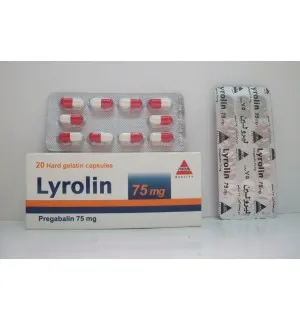
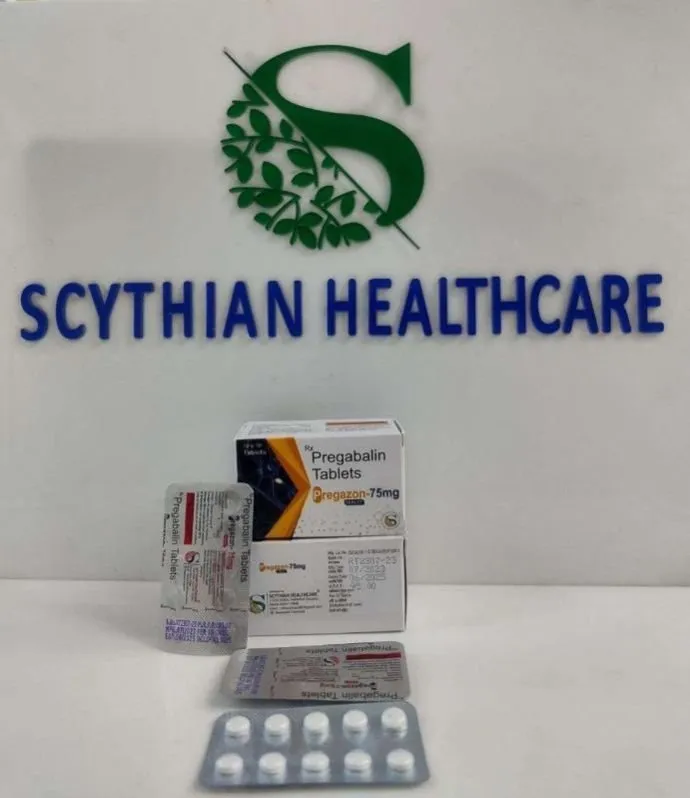
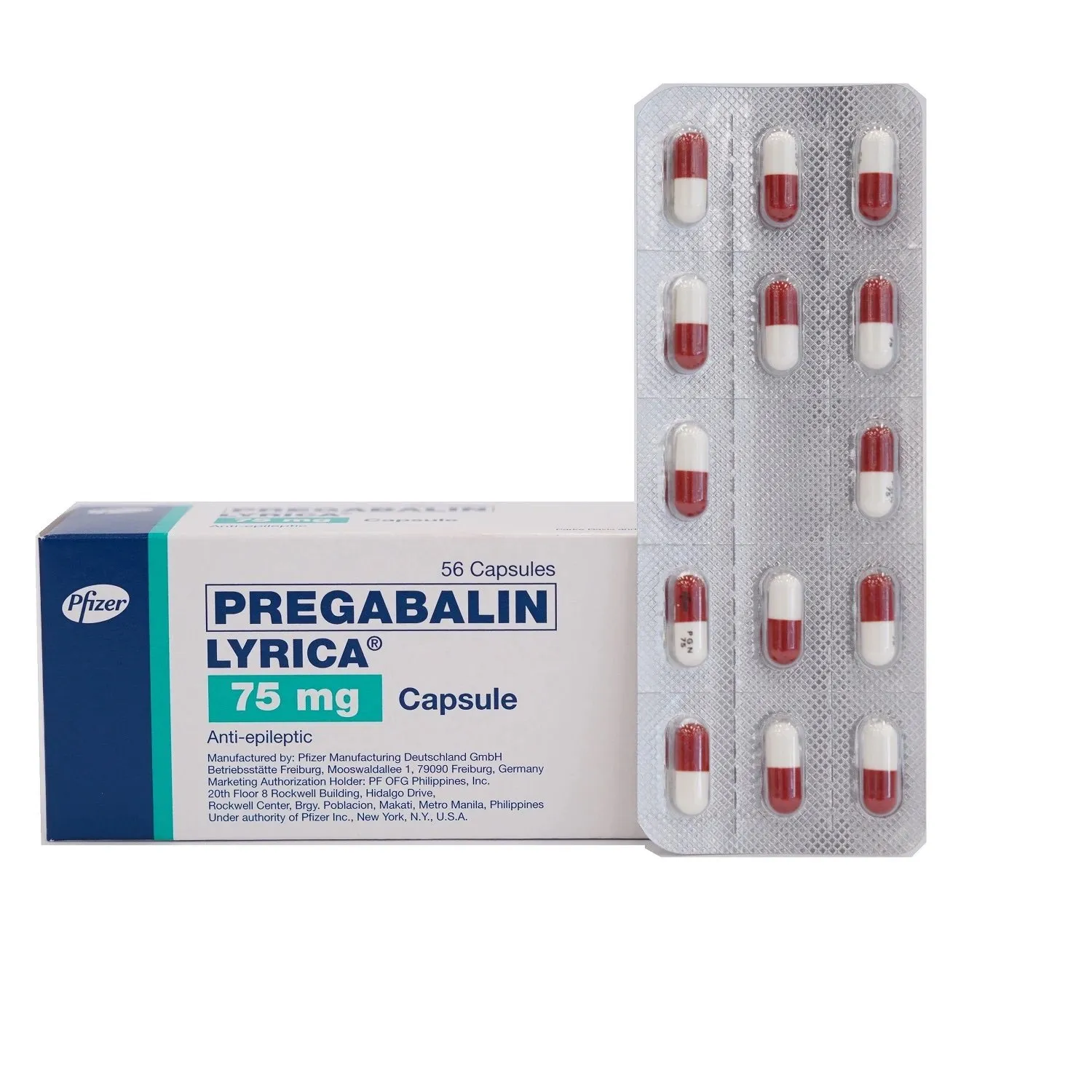
Lyrolin (Pregabalin): An Exhaustive Medical SEO Guide
Welcome to this in-depth medical guide on Lyrolin (Pregabalin), a widely prescribed medication known for its efficacy in managing various neurological and pain conditions. As expert medical SEO copywriters and orthopedic specialists, we aim to provide a comprehensive, authoritative resource for both healthcare professionals and patients seeking detailed information about this important drug.
1. Introduction & Overview of Lyrolin (Pregabalin)
Lyrolin, the brand name for Pregabalin, is an antiepileptic drug (AED) and analgesic medication categorized as a gabapentinoid. It is structurally related to the neurotransmitter gamma-aminobutyric acid (GABA) but does not directly bind to GABA-A or GABA-B receptors, nor does it affect GABA uptake or degradation. Instead, its therapeutic effects stem from a unique mechanism of action that modulates neuronal activity in the central nervous system (CNS).
Initially approved for the treatment of neuropathic pain and as an adjunctive therapy for partial-onset seizures, Pregabalin has since expanded its utility to include conditions like generalized anxiety disorder (GAD) and fibromyalgia. Its ability to calm overactive nerve signals makes it a cornerstone in the management of chronic pain and certain seizure disorders.
This guide will delve into the intricate details of Lyrolin (Pregabalin), covering its mechanism of action, pharmacokinetic profile, extensive clinical indications, precise dosage guidelines, potential risks, drug interactions, and crucial warnings for special populations.
Key Highlights of Lyrolin (Pregabalin):
- Drug Class: Gabapentinoid, Antiepileptic, Analgesic
- Primary Uses: Neuropathic pain (diabetic, postherpetic, spinal cord injury), Fibromyalgia, Partial-onset seizures (adjunctive), Generalized Anxiety Disorder.
- Administration: Oral capsules, solution, or extended-release tablets.
- Controlled Substance: Schedule V (due to potential for abuse and dependence).
Disclaimer: This guide provides extensive medical information for educational purposes only and should not be considered a substitute for professional medical advice. Always consult with a qualified healthcare provider for diagnosis and treatment.
2. Deep Dive into Technical Specifications & Mechanisms
Understanding how Lyrolin (Pregabalin) works at a molecular level is crucial for appreciating its therapeutic benefits and potential side effects.
2.1. Mechanism of Action
Pregabalin's primary mechanism of action involves binding to the alpha2-delta (α2-δ) subunit of voltage-gated calcium channels (VGCCs) in the central nervous system. This binding occurs at specific sites within the brain and spinal cord, leading to a reduction in the influx of calcium into nerve terminals.
By modulating calcium influx, Pregabalin effectively decreases the release of several excitatory neurotransmitters, including:
- Glutamate: A major excitatory neurotransmitter involved in pain signaling and seizure generation.
- Norepinephrine: Contributes to pain perception and anxiety.
- Substance P: A neuropeptide involved in pain transmission and inflammation.
The net effect of this reduced neurotransmitter release is a decrease in neuronal excitability and hyperexcitability, which translates into its observed antiepileptic, anxiolytic, and analgesic properties. It's important to note that while Pregabalin is structurally similar to GABA, it does not directly act on GABA receptors, nor does it alter GABA levels through reuptake or metabolism. Its effect is primarily through the modulation of calcium channels.
2.2. Pharmacokinetics
The pharmacokinetic profile of Lyrolin (Pregabalin) is characterized by rapid absorption, minimal metabolism, and predominantly renal excretion.
Table 1: Pharmacokinetic Profile of Lyrolin (Pregabalin)
| Parameter | Description | Clinical Implication |
|---|---|---|
| Absorption | Rapidly absorbed following oral administration. Peak plasma concentrations typically reached within 1 hour. | Quick onset of action, particularly beneficial for acute symptom relief. |
| Bioavailability | High, approximately ≥90% regardless of dose. Food does not significantly affect bioavailability. | Consistent drug exposure, can be taken with or without food. |
| Distribution | Low plasma protein binding (<1%). Crosses the blood-brain barrier. | Minimal risk of drug interactions due to protein binding displacement. Reaches target sites in the CNS effectively. |
| Metabolism | Minimally metabolized in humans. Less than 2% of a dose is metabolized. | Low potential for drug-drug interactions involving hepatic cytochrome P450 enzymes. |
| Elimination | Primarily excreted unchanged in the urine. Renal clearance is directly proportional to creatinine clearance. | Dose adjustments are critical for patients with impaired renal function to prevent accumulation and toxicity. |
| Half-Life (t½) | Approximately 6.3 hours. | Requires twice or thrice-daily dosing to maintain steady therapeutic levels. |
| Steady State | Achieved within 24 to 48 hours with multiple dosing. | Therapeutic effects can be observed relatively quickly after initiating treatment. |
3. Extensive Clinical Indications & Usage
Lyrolin (Pregabalin) has a broad spectrum of approved indications, making it a versatile medication in various medical specialties, particularly in neurology and pain management.
3.1. Detailed Indications
- Neuropathic Pain:
- Diabetic Peripheral Neuropathy (DPN): Management of pain associated with nerve damage due to diabetes.
- Postherpetic Neuralgia (PHN): Treatment of nerve pain that persists after a shingles infection.
- Neuropathic Pain Associated with Spinal Cord Injury (SCI): Management of chronic nerve pain resulting from spinal cord damage.
- Central Neuropathic Pain: While not universally approved for all central neuropathic pain conditions, evidence supports its use in pain arising from conditions like stroke or multiple sclerosis.
- Epilepsy:
- Adjunctive Therapy for Partial-Onset Seizures: Used in adults as an add-on treatment for seizures that begin in one part of the brain. It is not approved for monotherapy in epilepsy.
- Generalized Anxiety Disorder (GAD):
- Management of GAD in adults. Its anxiolytic effects are rapid, often observed within the first week of treatment.
- Fibromyalgia:
- Management of fibromyalgia in adults. Pregabalin helps reduce pain and improve sleep and overall quality of life for individuals with this chronic widespread pain condition.
3.2. Dosage Guidelines
Dosage of Lyrolin (Pregabalin) must be individualized based on patient response and tolerability, with a gradual titration approach to minimize side effects.
General Principles:
- Start Low, Go Slow: Initiate therapy with a low dose and gradually increase it over time.
- Individualization: Adjust dose based on efficacy and tolerability.
- Renal Function: Dose adjustments are mandatory for patients with impaired renal function.
Table 2: Recommended Dosage Guidelines for Lyrolin (Pregabalin) in Adults
| Indication | Initial Dose | Titration Schedule | Maximum Daily Dose |
|---|---|---|---|
| Diabetic Peripheral Neuropathy | 50 mg three times daily (TID) | May increase to 100 mg TID within 1 week. Maximize at 300 mg/day after 2-4 weeks. | 300 mg |
| Postherpetic Neuralgia | 75 mg twice daily (BID) or 50 mg TID | May increase to 150 mg BID or 100 mg TID within 1 week. Maximize at 300 mg BID or 200 mg TID. | 600 mg |
| Spinal Cord Injury Neuropathic Pain | 75 mg BID | May increase to 150 mg BID within 1 week. If insufficient, may increase to 300 mg BID after 2-3 weeks. | 600 mg |
| Adjunctive Therapy for Partial Seizures | 75 mg BID | May increase to 150 mg BID after 1 week. Further increase to 300 mg BID after 1 week based on response. | 600 mg |
| Generalized Anxiety Disorder (GAD) | 150 mg/day (divided BID or TID) | May increase in 50 mg increments weekly up to 300 mg/day. Maximize at 600 mg/day after 1 week for severe cases. | 600 mg |
| Fibromyalgia | 75 mg BID | May increase to 150 mg BID within 1 week. If insufficient, may increase to 225 mg BID after 1-2 weeks. | 450 mg |
Renal Impairment Dosage Adjustments:
For patients with creatinine clearance (CrCl) less than 60 mL/min, the dose and/or frequency must be reduced.
Table 3: Lyrolin (Pregabalin) Dosage Adjustment in Renal Impairment
| Creatinine Clearance (mL/min) | Total Daily Dose (mg/day) | Dosing Regimen |
|---|---|---|
| ≥60 | 150-600 | BID or TID |
| 30-59 | 75-300 | BID or TID |
| 15-29 | 25-150 | Once daily or BID |
| <15 | 25-75 | Once daily |
| Hemodialysis | 25-100 (supplemental dose) | Single supplemental dose after each 4-hour hemodialysis. |
Administration:
Lyrolin (Pregabalin) can be taken with or without food.
Discontinuation:
Abrupt discontinuation of Pregabalin can lead to withdrawal symptoms (insomnia, nausea, headache, anxiety, diarrhea, flu-like symptoms, nervousness, depression, pain, convulsions). It should always be tapered gradually over at least 1 week, or as directed by a healthcare professional.
4. Risks, Side Effects, and Contraindications
While Lyrolin (Pregabalin) is generally well-tolerated, like all medications, it carries potential risks, side effects, and specific contraindications.
4.1. Contraindications
- Hypersensitivity: Lyrolin (Pregabalin) is contraindicated in patients with known hypersensitivity to Pregabalin or any of its excipients. Reactions can include angioedema (swelling of the face, lips, tongue, and throat) and other serious skin reactions.
4.2. Common Side Effects
Most side effects are mild to moderate and often resolve with continued treatment or dose adjustment.
Table 4: Common Side Effects of Lyrolin (Pregabalin)
| System Organ Class | Common Side Effect (≥5% incidence) |
|---|---|
| Nervous System | Dizziness, Somnolence (drowsiness) |
| Ataxia (impaired coordination) | |
| Headache | |
| Tremor | |
| Speech disorder | |
| Gastrointestinal | Dry mouth |
| Constipation | |
| Nausea | |
| Metabolism & Nutrition | Weight gain |
| Increased appetite | |
| Ocular | Blurred vision |
| Diplopia (double vision) | |
| Psychiatric | Euphoric mood |
| Confusion | |
| General | Peripheral edema (swelling of limbs) |
| Fatigue |
4.3. Serious Side Effects & Warnings
- Angioedema: Swelling of the face, mouth, lips, gums, tongue, throat, or neck can occur. This can be life-threatening if it compromises the airway. Patients should seek immediate medical attention if these symptoms occur.
- Hypersensitivity Reactions: Skin rash, hives, blistering, and other allergic reactions may occur.
- Suicidal Thoughts and Behavior: Antiepileptic drugs, including Pregabalin, may increase the risk of suicidal thoughts or behavior in patients. Monitor patients for new or worsening depression, suicidal thoughts, or unusual changes in mood or behavior.
- Respiratory Depression: Serious, life-threatening respiratory depression has occurred with Pregabalin, especially when used concomitantly with opioids or other CNS depressants, or in patients with underlying respiratory impairment.
- Peripheral Edema: Can cause peripheral edema, particularly in elderly patients and those with pre-existing cardiovascular conditions. Concomitant use with thiazolidinedione antidiabetic agents (e.g., pioglitazone, rosiglitazone) may exacerbate this risk.
- Cardiac Effects: Worsening of congestive heart failure has been reported in some patients taking Pregabalin.
- Withdrawal Symptoms: As mentioned, abrupt discontinuation can lead to withdrawal symptoms. Tapering is essential.
- Abuse Potential: Pregabalin is a Schedule V controlled substance. It has been associated with euphoric effects and has a potential for abuse and physical dependence, especially at higher doses or in individuals with a history of substance abuse.
- Creatine Kinase Elevations: Elevations in creatine kinase have been observed, and rare cases of rhabdomyolysis have been reported.
- Vision Changes: Blurred vision or other visual disturbances may occur. These are usually reversible upon discontinuation.
4.4. Drug Interactions
Pregabalin is minimally metabolized, so it has a low potential for pharmacokinetic interactions. However, it can have significant pharmacodynamic interactions with other CNS depressants.
- CNS Depressants: Concomitant use with other CNS depressants, such as opioids, benzodiazepines (e.g., lorazepam), barbiturates, alcohol, or other sedatives, can significantly enhance the sedative and respiratory depressant effects of Pregabalin. This can lead to increased drowsiness, dizziness, respiratory depression, coma, and even death.
- Thiazolidinedione Antidiabetic Agents (e.g., Rosiglitazone, Pioglitazone): Co-administration may increase the risk of weight gain and peripheral edema. Monitor patients for fluid retention and weight changes.
- ACE Inhibitors: There have been reports of angioedema in patients taking Pregabalin during concomitant treatment with ACE inhibitors.
- Gabapentin: Although structurally similar, there is no significant pharmacokinetic interaction between Pregabalin and gabapentin. However, their additive CNS depressant effects should be considered.
4.5. Pregnancy and Lactation Warnings
- Pregnancy (Category C):
- Animal studies have shown developmental toxicity (e.g., skeletal abnormalities, growth retardation) at doses greater than or equal to the human therapeutic exposure.
- There are no adequate and well-controlled studies in pregnant women.
- Lyrolin (Pregabalin) should be used during pregnancy only if the potential benefit justifies the potential risk to the fetus.
- Healthcare providers should consider enrolling patients in the Pregabalin Pregnancy Registry (1-888-233-0212) to monitor pregnancy outcomes.
- Lactation:
- Pregabalin is excreted into human milk.
- The decision to discontinue nursing or discontinue the drug should be made, taking into account the importance of the drug to the mother and the potential risks to the infant.
- Infants exposed to Pregabalin via breast milk should be monitored for sedation and feeding difficulties.
5. Overdose Management
In the event of an overdose with Lyrolin (Pregabalin), immediate medical attention is necessary.
- Symptoms of Overdose:
- Somnolence (extreme drowsiness)
- Confusion
- Agitation
- Restlessness
- Seizures
- Coma
- In rare cases, respiratory depression or cardiac events.
- Management of Overdose:
- Supportive Care: The primary approach is symptomatic and supportive. Maintain a patent airway and monitor vital signs (respiration, heart rate, blood pressure).
- Gastric Lavage: May be considered if the ingestion is recent (within 1-2 hours) and the patient is conscious and cooperative.
- Activated Charcoal: May be administered, though its efficacy in Pregabalin overdose is not well established.
- Hemodialysis: Pregabalin can be effectively removed from systemic circulation by hemodialysis. This may be useful in cases of severe overdose, especially in patients with renal impairment. Approximately 50% of Pregabalin is removed during a 4-hour hemodialysis session.
- Close Monitoring: Patients should be closely monitored for CNS depression, respiratory status, and cardiac function until stable.
6. Massive FAQ Section
Here are answers to frequently asked questions about Lyrolin (Pregabalin):
Q1: What is Lyrolin (Pregabalin) primarily used for?
A1: Lyrolin (Pregabalin) is primarily used to treat neuropathic pain associated with diabetic peripheral neuropathy, postherpetic neuralgia, and spinal cord injury. It's also approved for fibromyalgia, generalized anxiety disorder (GAD), and as an adjunctive therapy for partial-onset seizures in adults.
Q2: How does Lyrolin (Pregabalin) work to reduce pain and anxiety?
A2: Lyrolin (Pregabalin) works by binding to a specific subunit (alpha2-delta) of voltage-gated calcium channels in the brain and spinal cord. This action reduces the release of excitatory neurotransmitters, such as glutamate and norepinephrine, which helps to calm overactive nerve signals responsible for pain, seizures, and anxiety.
Q3: Is Lyrolin (Pregabalin) addictive or does it cause dependence?
A3: Lyrolin (Pregabalin) is classified as a Schedule V controlled substance, meaning it has a lower potential for abuse compared to higher schedule drugs, but it does carry a risk of physical dependence and psychological abuse, especially at higher doses or in individuals with a history of substance abuse. It's crucial to use it exactly as prescribed and to taper off gradually under medical supervision.
Q4: What are the most common side effects of Lyrolin (Pregabalin)?
A4: The most common side effects include dizziness, somnolence (drowsiness), blurred vision, weight gain, peripheral edema (swelling in the hands or feet), dry mouth, and difficulty with coordination (ataxia). These often lessen with continued use or dose adjustment.
Q5: Can I drink alcohol while taking Lyrolin (Pregabalin)?
A5: No, it is strongly advised to avoid alcohol while taking Lyrolin (Pregabalin). Both alcohol and Pregabalin are central nervous system depressants, and their combined use can significantly increase the risk of severe drowsiness, dizziness, impaired coordination, and potentially dangerous respiratory depression.
Q6: How long does it take for Lyrolin (Pregabalin) to start working?
A6: Many patients may start to feel some relief from neuropathic pain or anxiety within the first week of treatment. For conditions like fibromyalgia or epilepsy, it might take a few weeks to reach optimal therapeutic effects as the dose is gradually titrated.
Q7: What should I do if I miss a dose of Lyrolin (Pregabalin)?
A7: If you miss a dose, take it as soon as you remember, unless it's almost time for your next scheduled dose. In that case, skip the missed dose and continue with your regular dosing schedule. Do not take a double dose to make up for a missed one, as this can increase side effects.
Q8: Can Lyrolin (Pregabalin) cause weight gain?
A8: Yes, weight gain is a recognized and relatively common side effect of Lyrolin (Pregabalin). It is thought to be related to increased appetite and fluid retention (peripheral edema). Monitoring weight and maintaining a healthy diet and exercise routine can help manage this side effect.
Q9: Is Lyrolin (Pregabalin) the same as gabapentin?
A9: No, while both Pregabalin and gabapentin are gabapentinoids and share structural similarities, they are not the same drug. Pregabalin has a higher potency and more predictable pharmacokinetic profile (e.g., linear absorption, higher bioavailability) compared to gabapentin, which often allows for lower doses and less frequent dosing. They also have some differences in their approved indications.
Q10: How should I stop taking Lyrolin (Pregabalin)?
A10: You should never stop taking Lyrolin (Pregabalin) suddenly or abruptly. Discontinuing the medication too quickly can lead to withdrawal symptoms such as insomnia, nausea, headache, anxiety, diarrhea, and even seizures. Your doctor will provide a tapering schedule to gradually reduce your dose over at least a week or longer to minimize these effects.
Q11: What are the signs of a serious allergic reaction to Lyrolin (Pregabalin)?
A11: Serious allergic reactions, including angioedema (swelling of the face, lips, tongue, or throat), can be life-threatening. Other signs include severe rash, hives, difficulty breathing, or dizziness. If you experience any of these symptoms, seek immediate medical attention.
Q12: Is Lyrolin (Pregabalin) safe during pregnancy or breastfeeding?
A12: Lyrolin (Pregabalin) is classified as Pregnancy Category C, meaning animal studies have shown potential risk to the fetus, but there are no adequate human studies. It should only be used during pregnancy if the potential benefit outweighs the potential risk. It is also excreted in breast milk, so a discussion with your doctor is essential to weigh the benefits of treatment against potential risks to the nursing infant. Enrollment in a pregnancy registry is often recommended.